Novosibirsk Facility Begins Carbon Nanotube Production
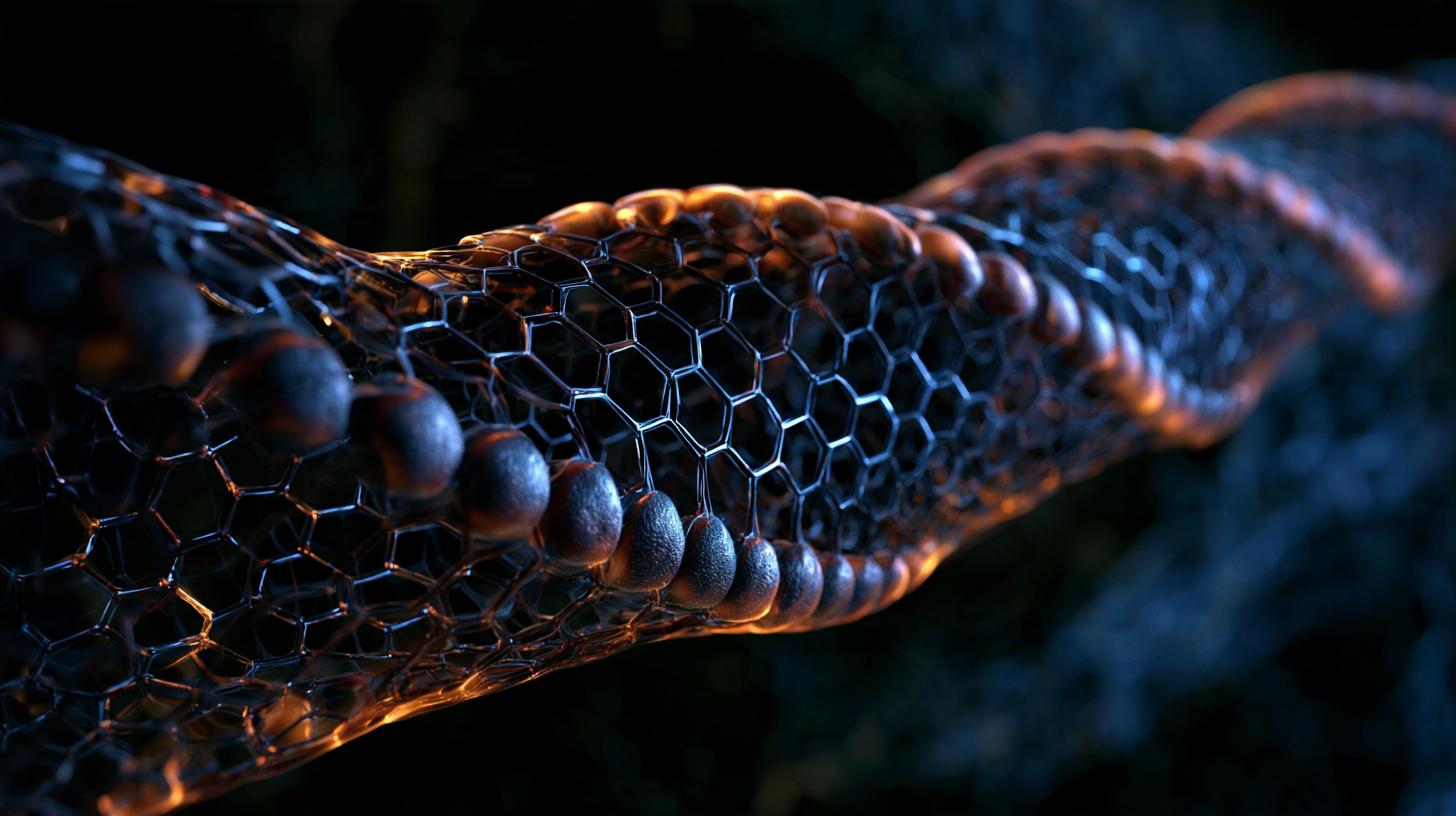
A new facility for producing carbon nanotubes has opened in Novosibirsk, backed by a 680 ₽ million investment from the NTI Foundation to boost domestic industrial fire protection.

A new facility for producing carbon nanotubes has opened in Novosibirsk, backed by a 680 ₽ million investment from the NTI Foundation to boost domestic industrial fire protection.

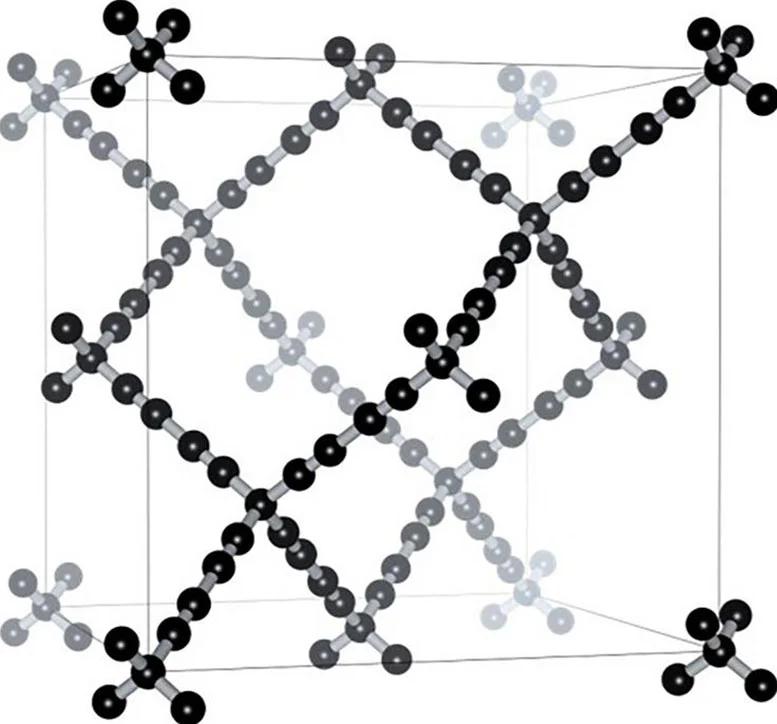
Scientists at the University of Gothenburg have synthesized Diamondiyne, a new carbon allotrope that has remained a theoretical concept for 35 years.

Researchers have experimentally confirmed that electrons can tunnel through atomic defects in correlated groups, potentially enabling new sources for quantum technologies.
Lam Research has proposed a new SA-CFET transistor architecture for 1nm nodes, which reduces 6T SRAM cell area by 52.7% compared to N3 technology.

Researchers at ETH Zurich have introduced Fourier pixels that act as both light sensors and emitters by manipulating amplitude, phase, and polarization.
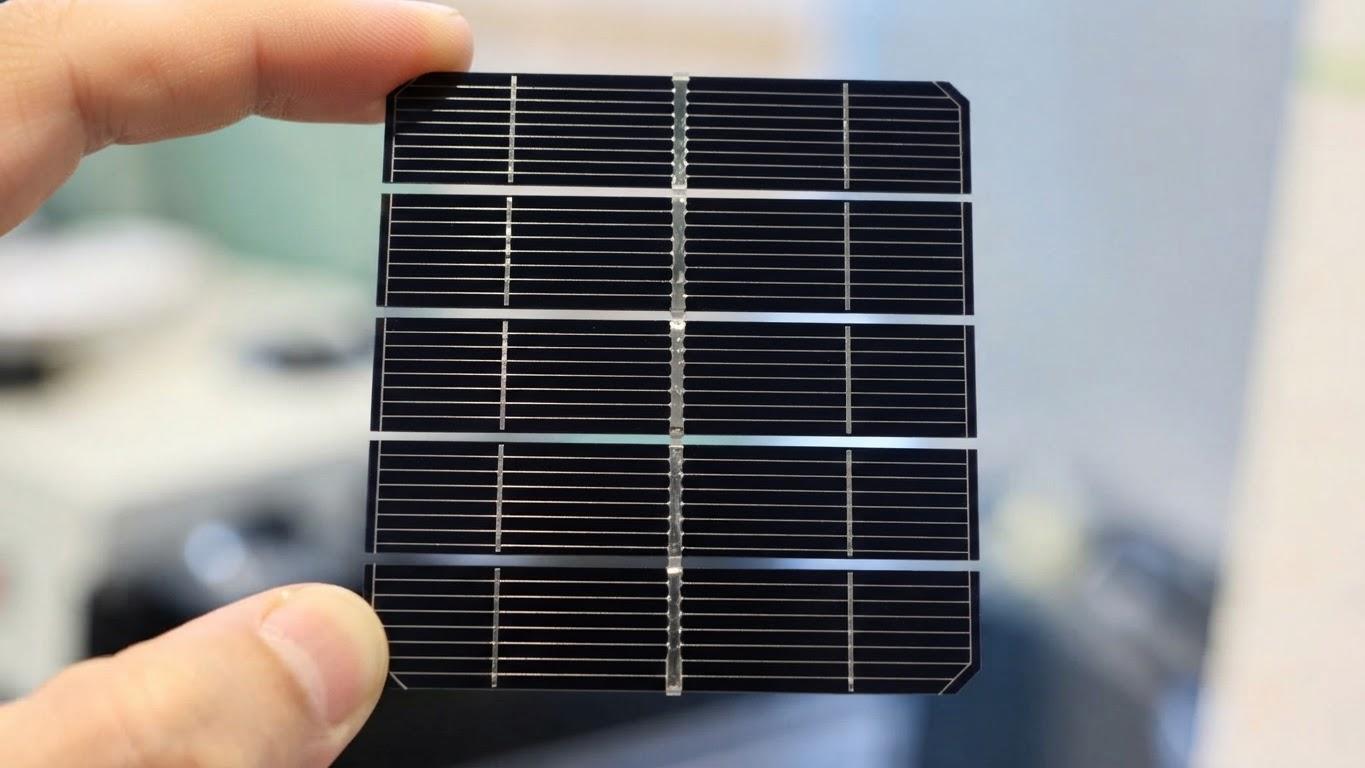
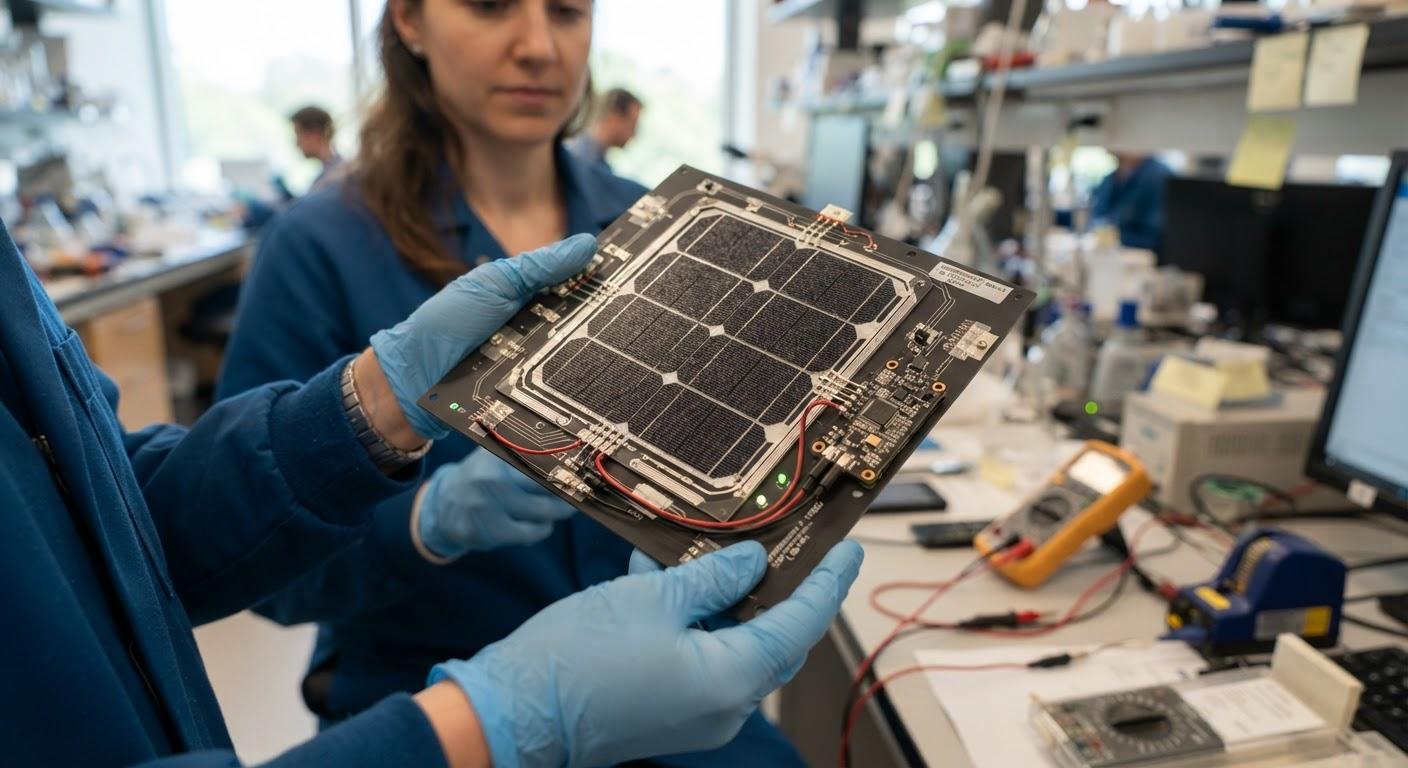
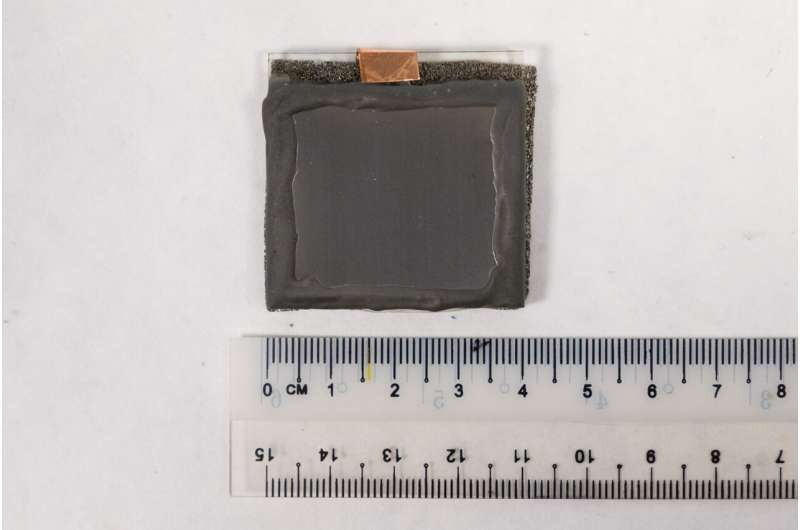
Chinese researchers have developed a triple-junction perovskite solar cell that achieves a record 30.1% efficiency by utilizing a novel solvent treatment to improve layer uniformity.

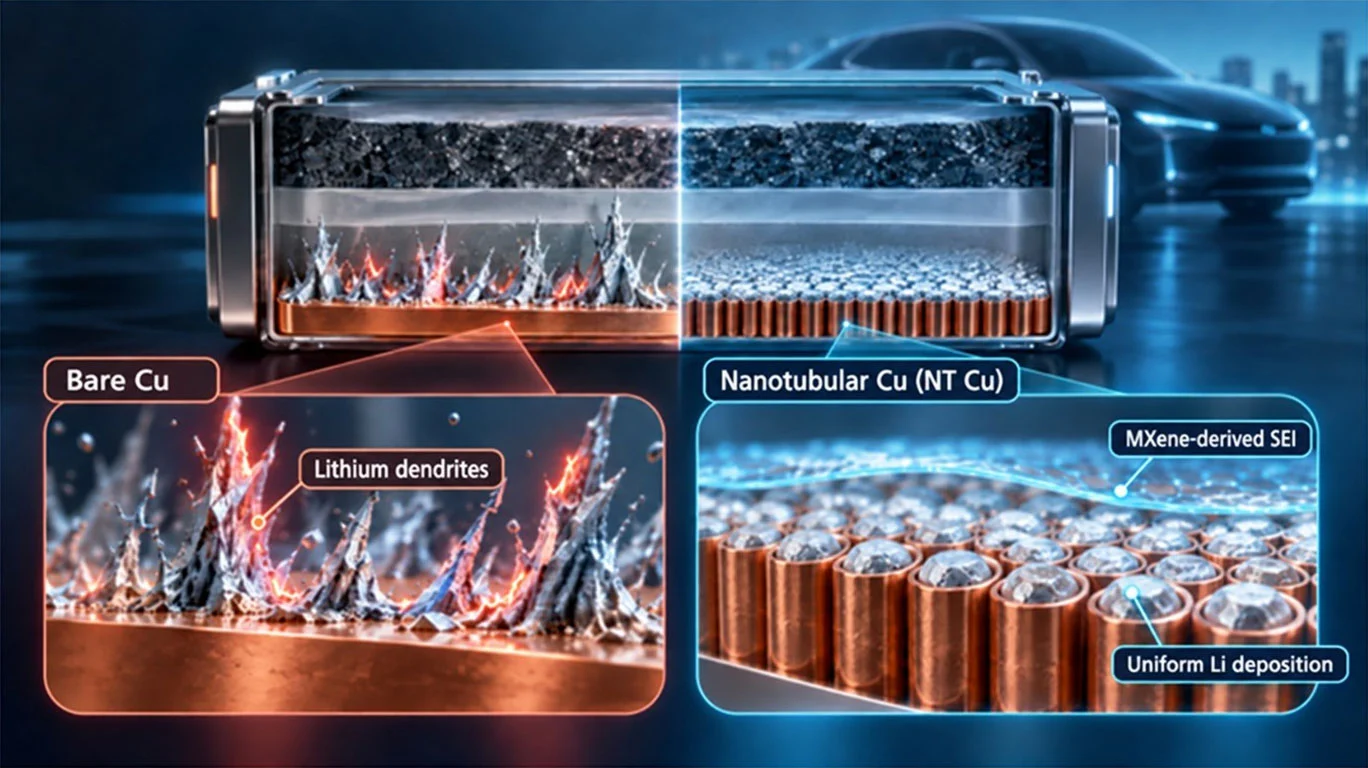
Researchers are adapting semiconductor manufacturing techniques to improve the production and performance of next-generation solid-state batteries for electric vehicles.
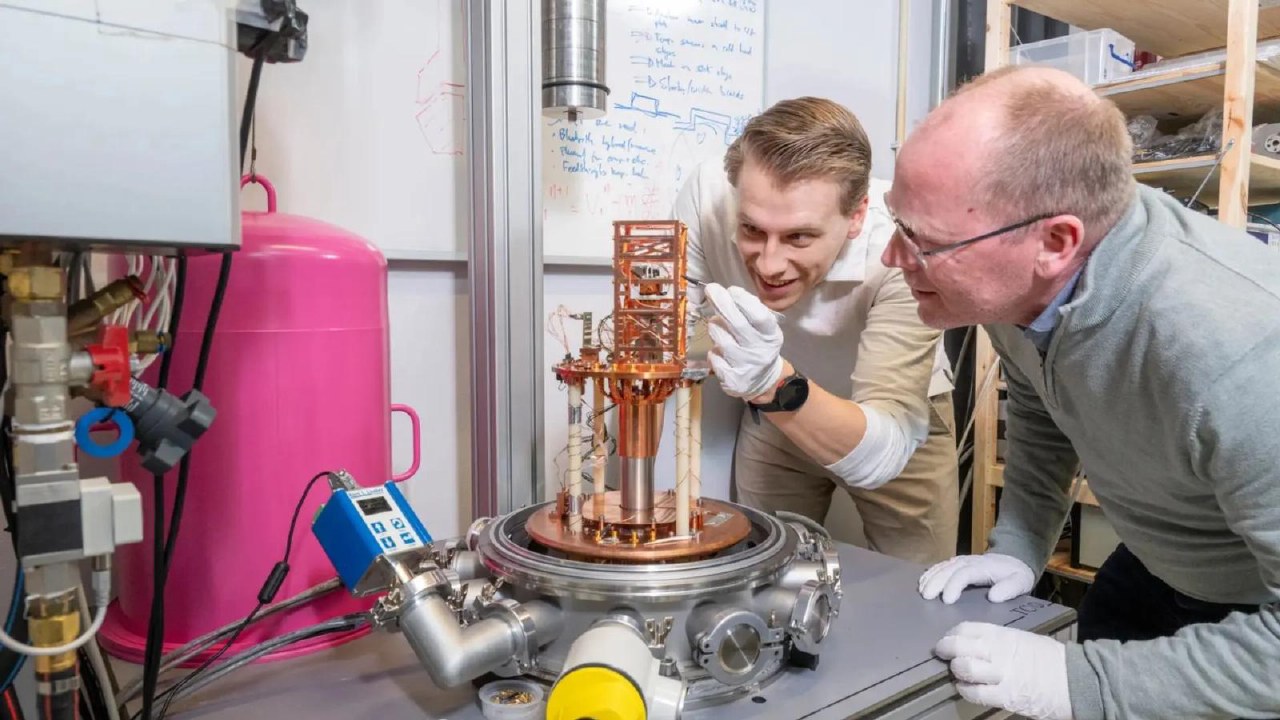
Researchers at the University of Twente have created a quantum magnetic sensor capable of operating in fields up to 1 Tesla, 20,000 times stronger than Earth's magnetic field.

Researchers at the Rzhanov Institute of Semiconductor Physics have developed a new method for integrating hafnium dioxide high-k dielectric films into silicon-based semiconductor devices.

Morphotonics has raised over €40 million in Series B funding to scale its nanoimprint lithography technology for the mass production of optical components used in AI glasses.

Researchers from Soochow University and LONGi have created a tandem perovskite-silicon solar cell achieving 34% efficiency using zirconium dioxide nanoparticles.

Researchers at the University of Groningen have discovered that a tin-based material can slow electron cooling by 1000 times, potentially exceeding the 33 percent solar efficiency limit.

Researchers at the University of Groningen have discovered that tin-based perovskite solar cells can retain hot electron energy 1000 times longer than standard materials.

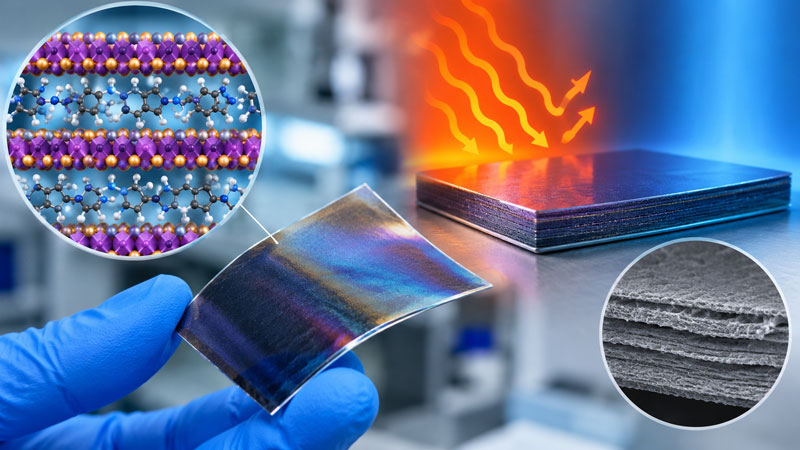
Researchers at North Carolina State University have created a thin-film material that is up to 10,000 times stiffer than silicone while providing five times better thermal insulation.

Researchers at North Carolina State University have engineered a dense, rigid perovskite film that provides five times better thermal insulation than silicone.

Researchers in Singapore have created an artificial leaf that generates hydrogen from seawater while removing toxic hydrazine pollutants using only solar energy.

Chinese researchers have developed a mechanism to control atomic layer movement in sliding ferroelectrics, achieving polarization switching in just 1.7 picoseconds.

Researchers have created a room-temperature artificial synapse using collective skyrmion lattice transformations, achieving 96.1% accuracy in digit recognition.

Researchers have engineered a high-strength composite material known as super ice, which features 10 times the compressive strength of ordinary ice.

Researchers have used a custom terahertz cavity to amplify quantum vacuum fluctuations, increasing the critical temperature of niobium diselenide superconductors by 5.4%.