

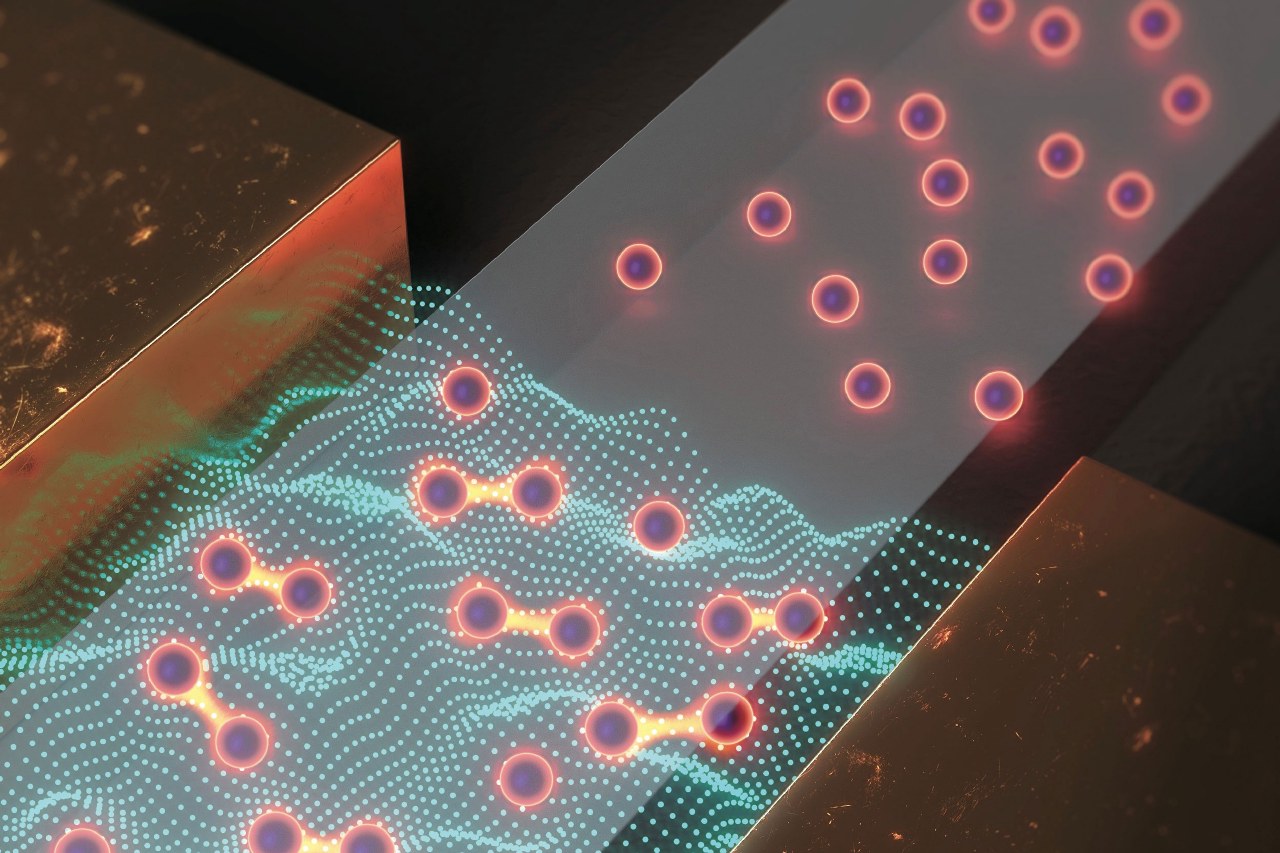
Researchers from the University of Science and Technology of China, the Chinese Academy of Sciences, Shanghai Jiao Tong University, and MIT have demonstrated a method to enhance superconductivity. By utilizing a specially designed terahertz dark cavity, the team amplified quantum vacuum fluctuations to influence macroscopic material states.
The experiment involved placing a six-layer niobium diselenide (NbSe2) device inside the cavity. Results showed that the superconducting critical temperature increased by up to 5.4%. Additionally, the material exhibited significant improvements in critical current and critical magnetic field capacity.
The study, published in the journal Nature, confirms that the enhancement is linked to resonant coupling between the superconducting state and the electromagnetic modes of the cavity. Researchers ruled out external factors such as strain or material degradation by varying cavity geometry and frequency parameters.
Theoretical modeling, developed by the team including Nobel laureate Frank Wilczek, suggests that virtual photons interacting with the cavity lower the energy of the superconducting state, thereby increasing its stability. This approach offers a non-contact method for tuning quantum materials.

