

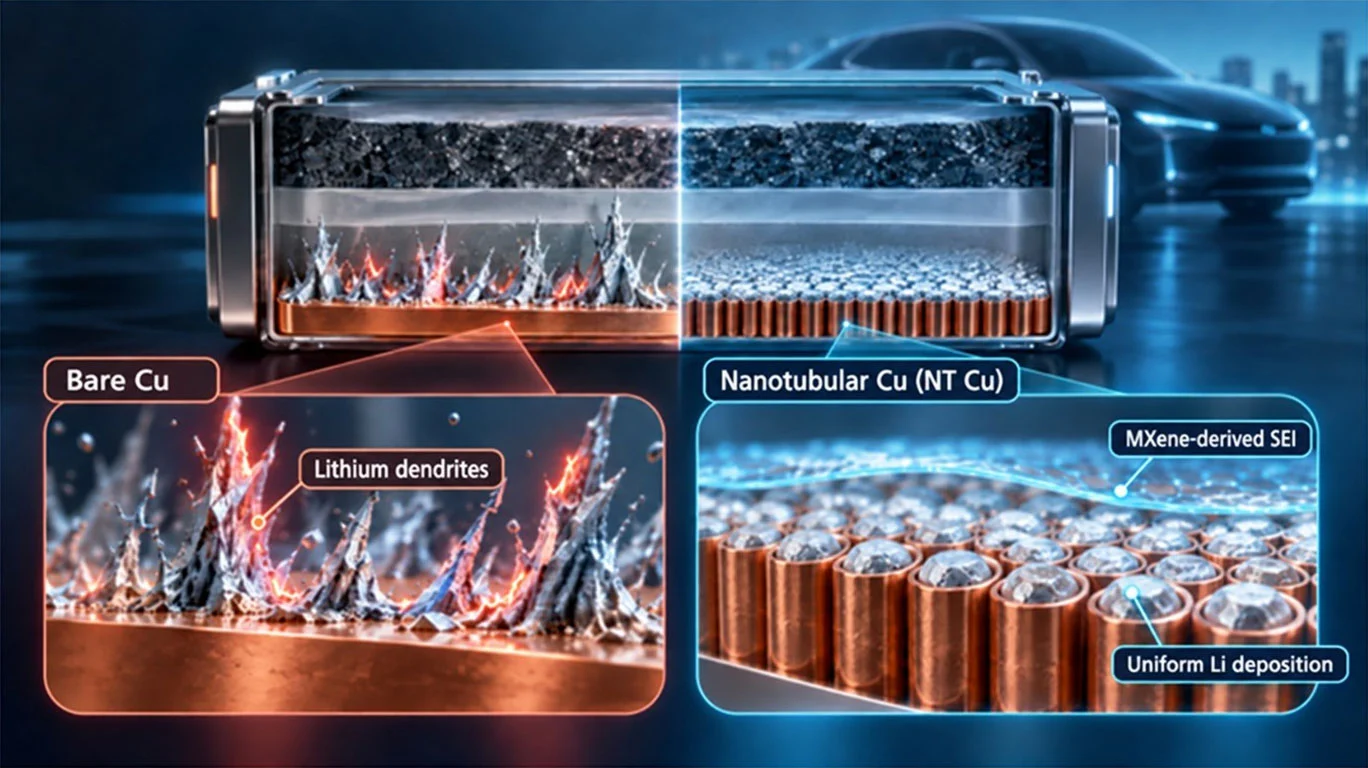
Researchers are exploring the application of semiconductor manufacturing techniques to address long-standing challenges in solid-state battery production. By utilizing micro- and nano-fabrication methods, scientists aim to create more uniform battery components, potentially enhancing energy density, charging speeds, and overall cycle life.
Solid-state batteries are considered a key next-generation technology, with theoretical energy densities reaching approximately 500 Wh/kg, compared to the 300 Wh/kg typical of current liquid-electrolyte lithium-ion batteries. However, the brittleness of solid materials often leads to cracks and voids during charge-discharge cycles, hindering ion movement.
The proposed approach involves adapting semiconductor processes like thin-film deposition and surface patterning to control battery material structures at the nanoscale. This could improve the interface between solid electrolytes and electrodes, which is critical for performance but difficult to achieve with traditional coating and pressing methods.
A major hurdle remains scaling these precision techniques for mass production. While semiconductor wafers are small, automotive battery electrodes require large-area manufacturing. Researchers are focused on redesigning these processes to ensure they remain cost-effective and efficient enough to compete with established battery production lines.
Beyond solid-state designs, these manufacturing insights are being applied to silicon-based electrodes. By using nano-engineering to manage the volume expansion of silicon during cycling, researchers hope to improve durability and energy storage capacity. The goal is to transition battery production toward a more precise form of materials engineering.


