MIT Researchers Observe Rare Long-Term Stellar Accretion
MIT researchers have discovered a binary system where a low-mass star slowly consumes material from a brown dwarf companion in a process that may last for billions of years.

MIT researchers have discovered a binary system where a low-mass star slowly consumes material from a brown dwarf companion in a process that may last for billions of years.

The UK Space Agency has awarded a £61 million contract to ClearSpace to lead the country's first mission to remove defunct satellites from orbit by 2029.

NASA is partnering with JAXA on the MMX mission to study Martian moons and return a sample of Phobos to Earth by 2031.

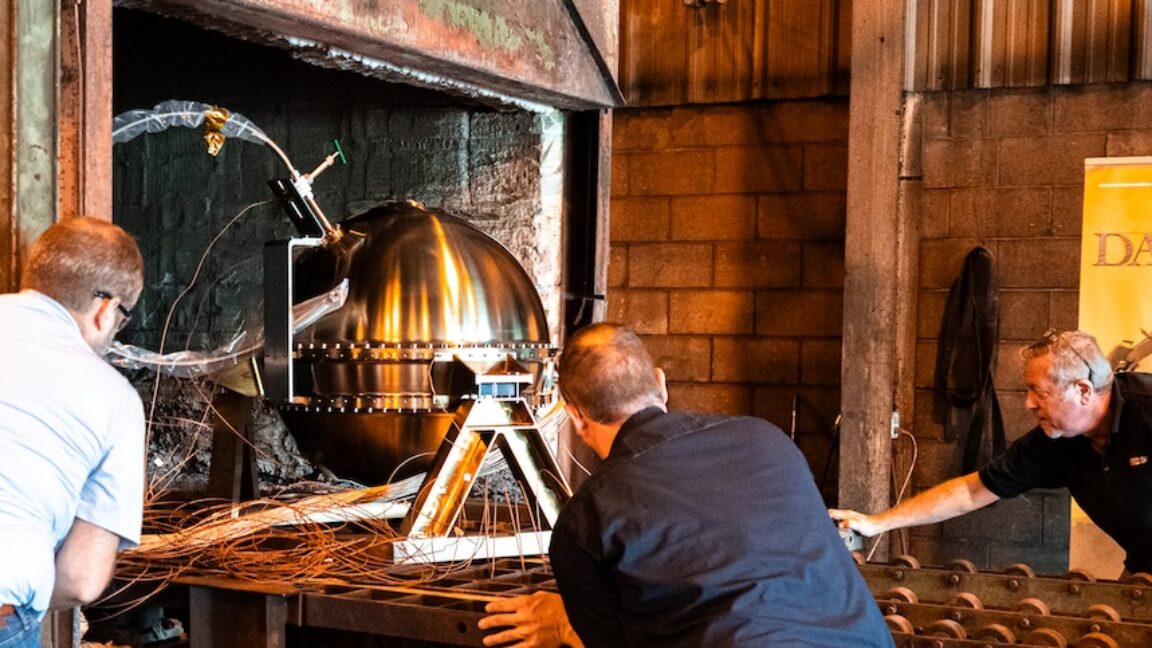
Rocket Lab has delayed the first flight of its Neutron rocket to 2027 due to manufacturing defects identified in the carbon composite propellant tank domes.

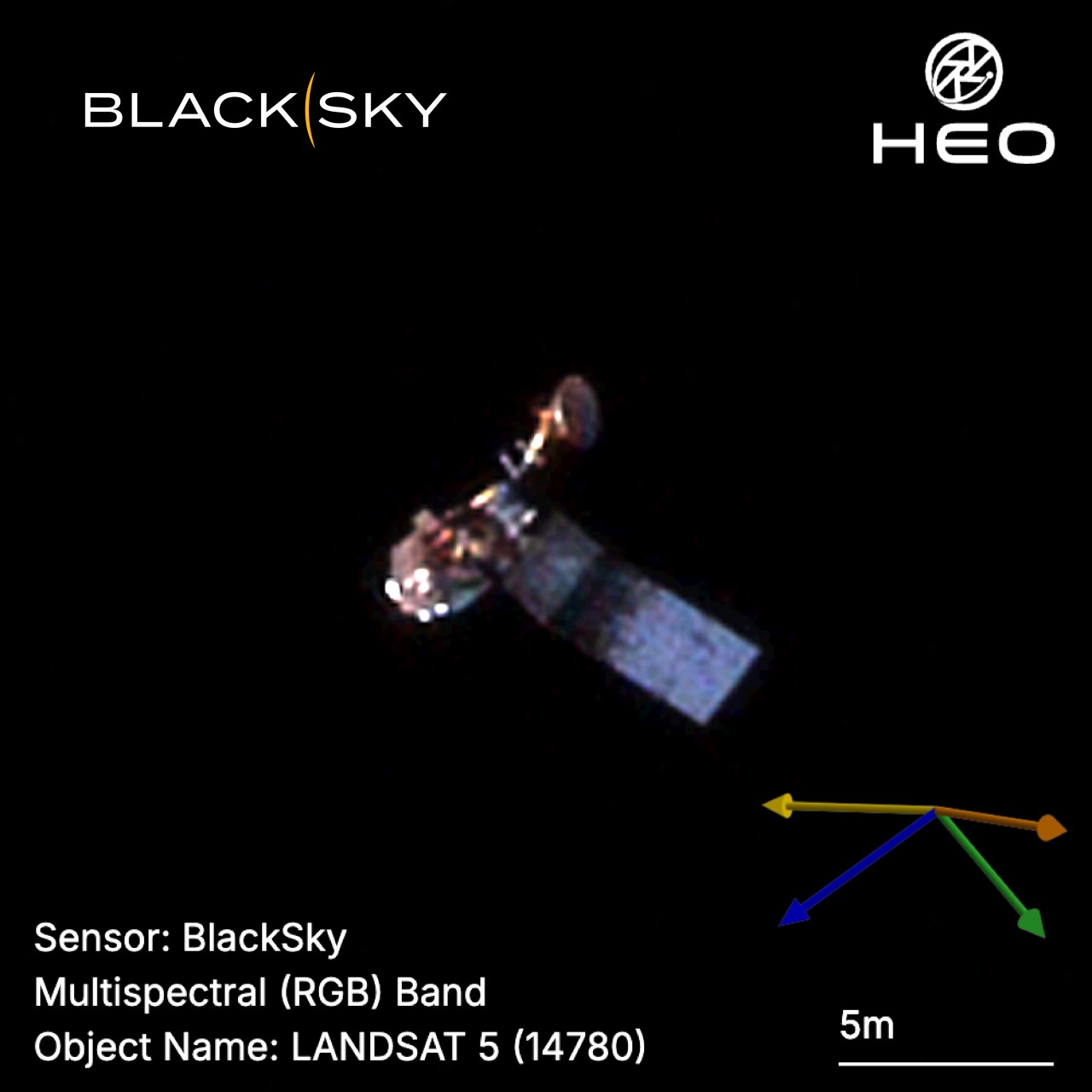
BlackSky Technology has renewed its partnership with HEO in a seven-figure deal to provide enhanced space domain awareness using Gen-3 satellite imagery.

Researchers have discovered that a massive, recurring cloud on Mars forms through a rare physical process never before observed in any planetary atmosphere.

Japan plans to reach 30 annual space launches by 2030, requesting ¥76 billion to expand four domestic spaceports and increase launch capacity.

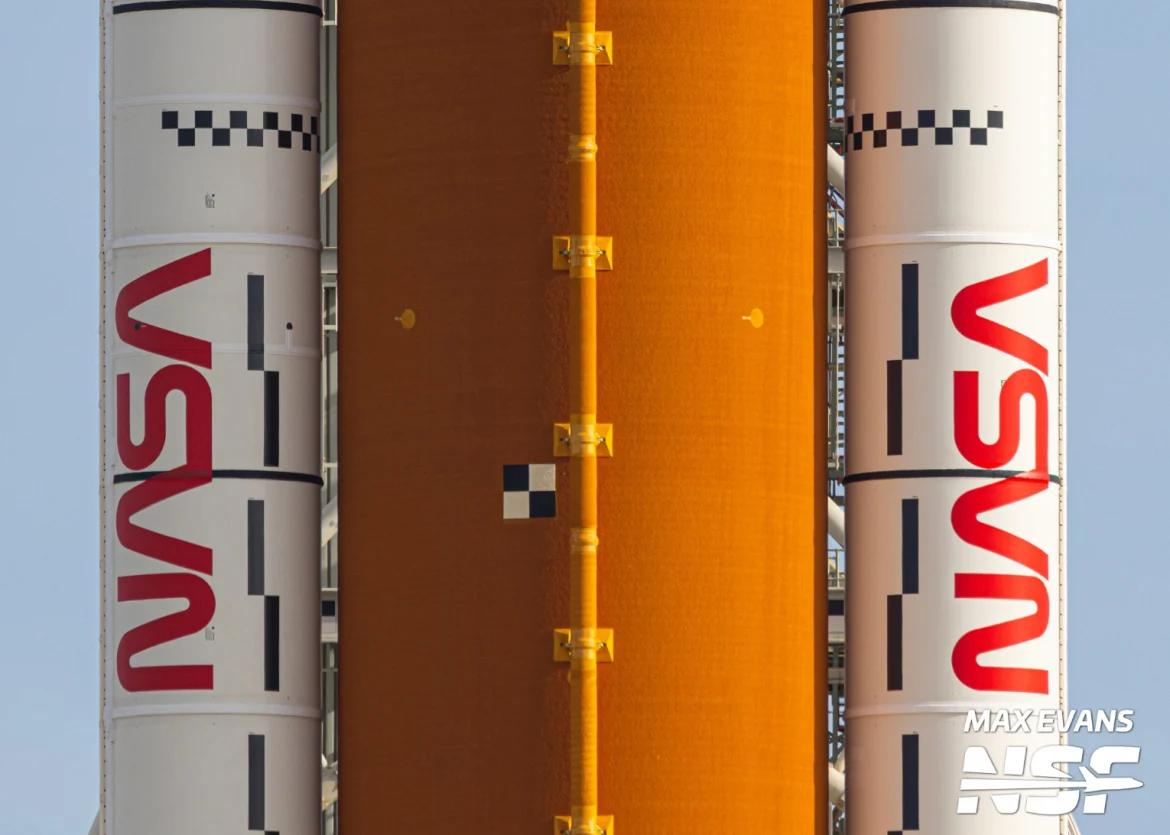
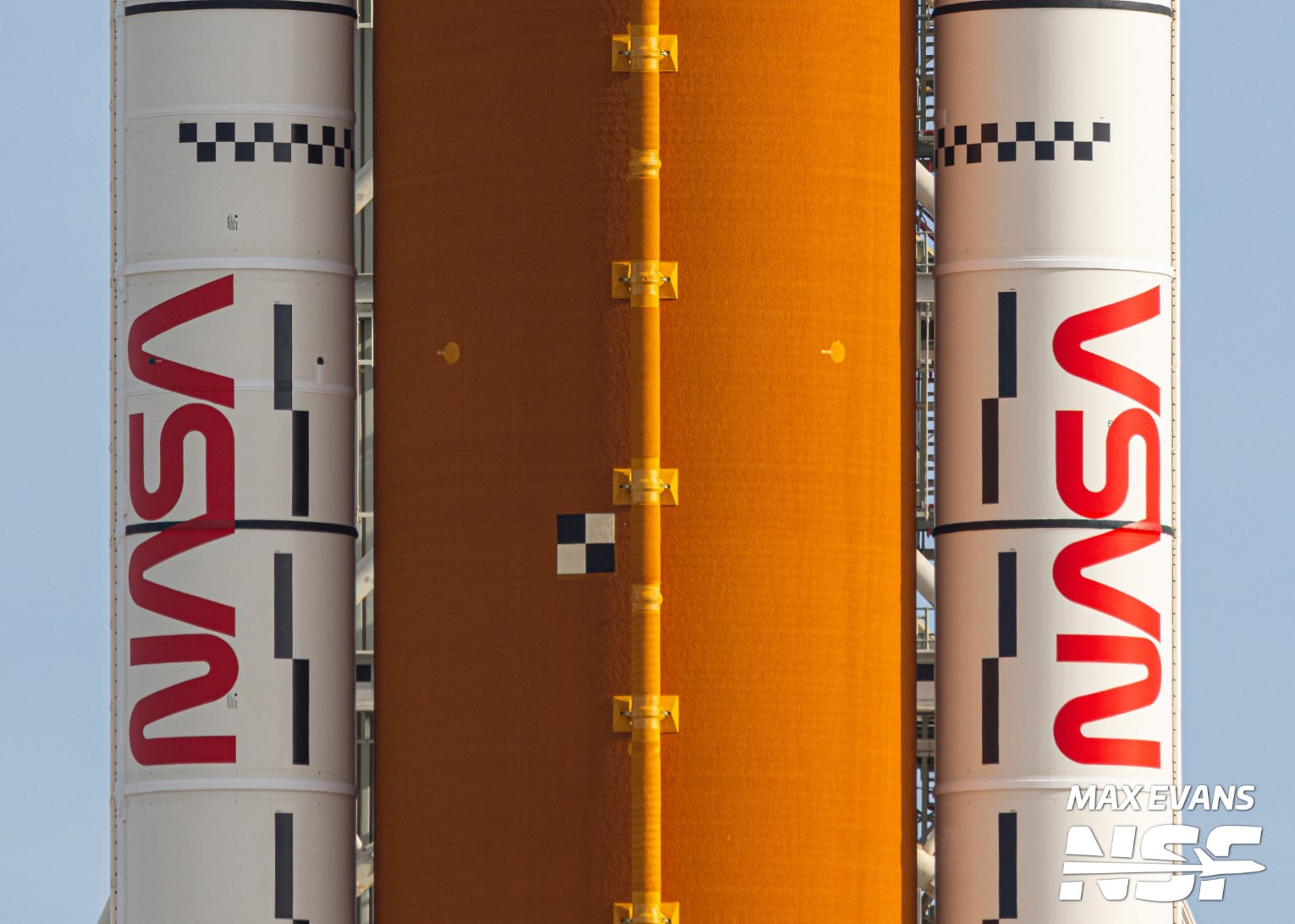
NASA is preparing the SLS rocket for the Artemis III mission, with fueling tests and crew rehearsals scheduled ahead of a launch planned for no earlier than June 2027.

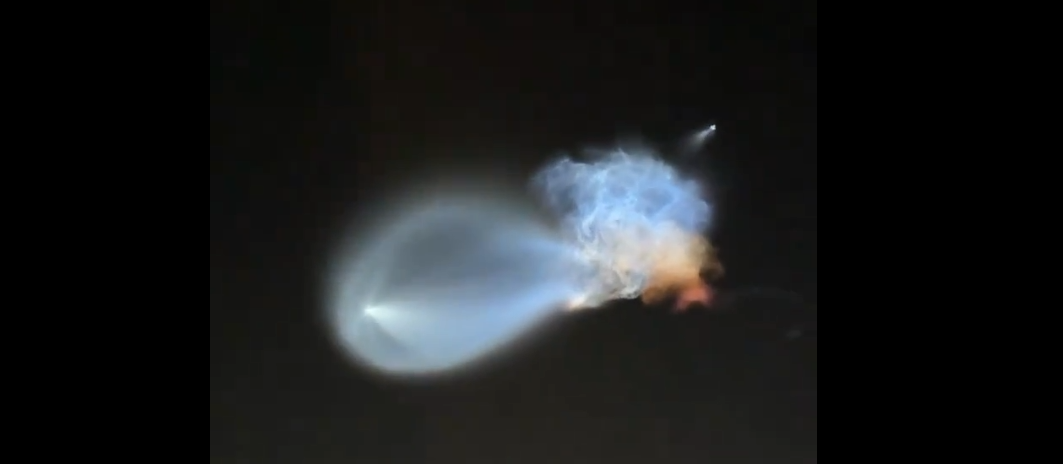
SpaceX launched the CRS-35 mission to the International Space Station, creating a notable atmospheric visual effect known as a space jellyfish.

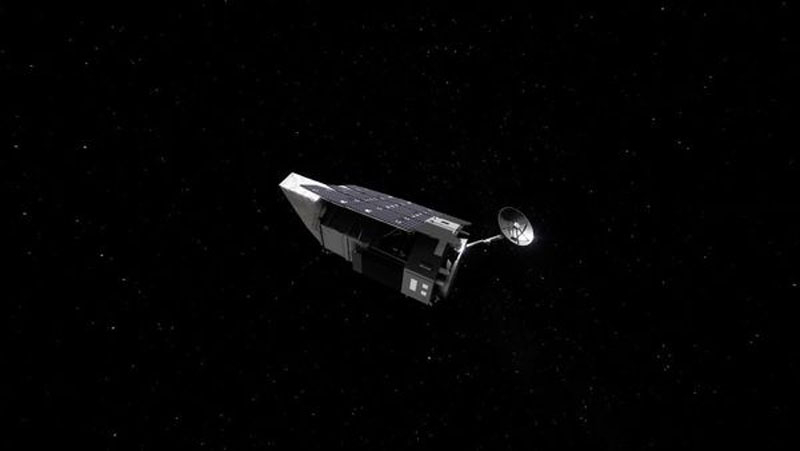
NASA has calibrated the Roman Space Telescope to a precision that improves image quality by 30% over initial design requirements.

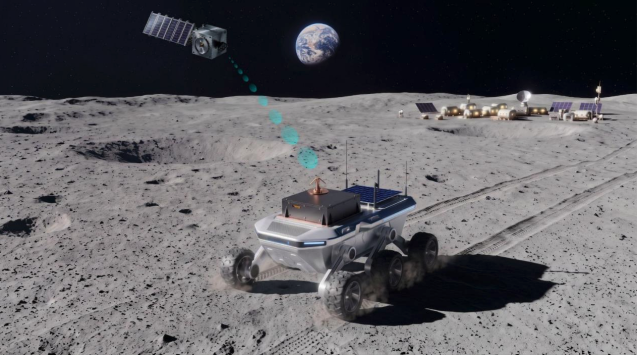
JAXA has awarded two contracts to ArkEdge Space to develop navigation technologies for the Moon, including hardware for the Artemis program's pressurized rover.

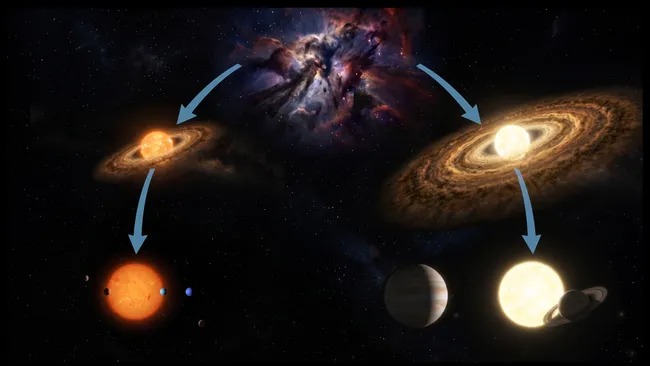
Researchers have identified two distinct types of planetary systems in the Milky Way, with the host star's properties determining their evolutionary fate and stability.

NASA is ahead of schedule in assembling the Dragonfly octocopter, which is set to explore the surface of Saturn's largest moon, Titan.

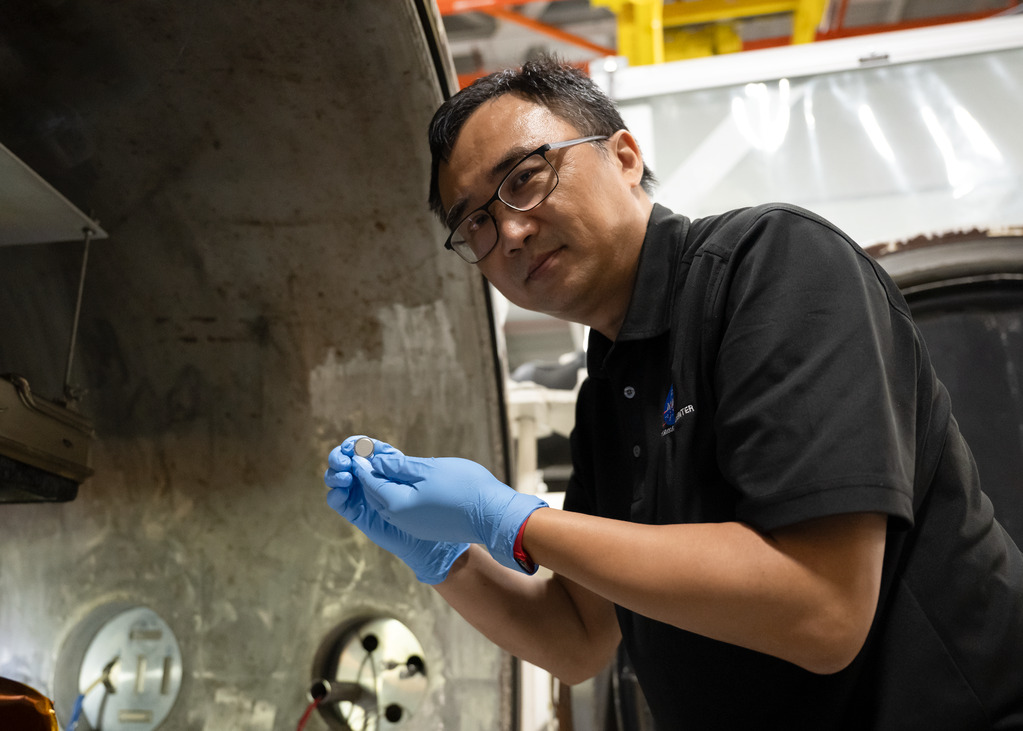
NASA is developing solid-state batteries under the SPEARS project to withstand the extreme temperature fluctuations of lunar exploration missions.

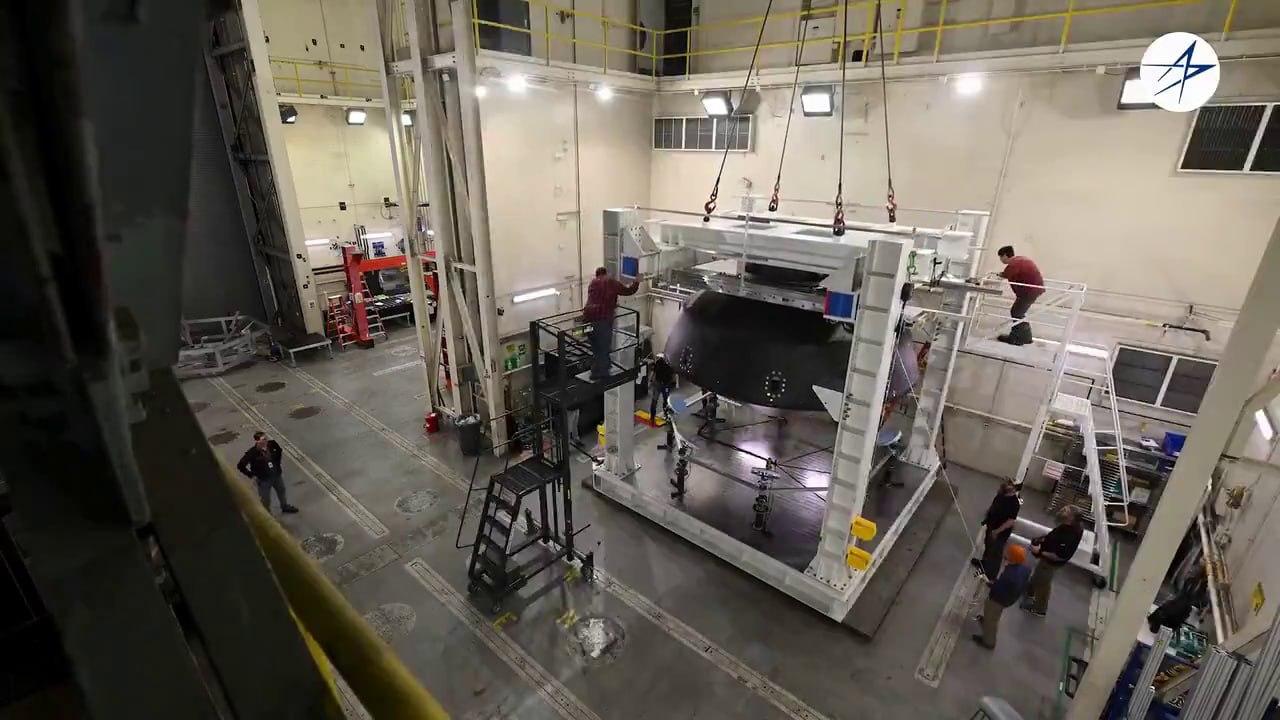
NASA is preparing the Artemis III short stack for a tanking test and crew rehearsal at Launch Pad 39B, following the completion of booster stacking and engine installation.

NASA has finalized the launch schedules for its DAVINCI and VERITAS missions to Venus, targeting late 2030 and 2032 respectively following a period of budget-related uncertainty.

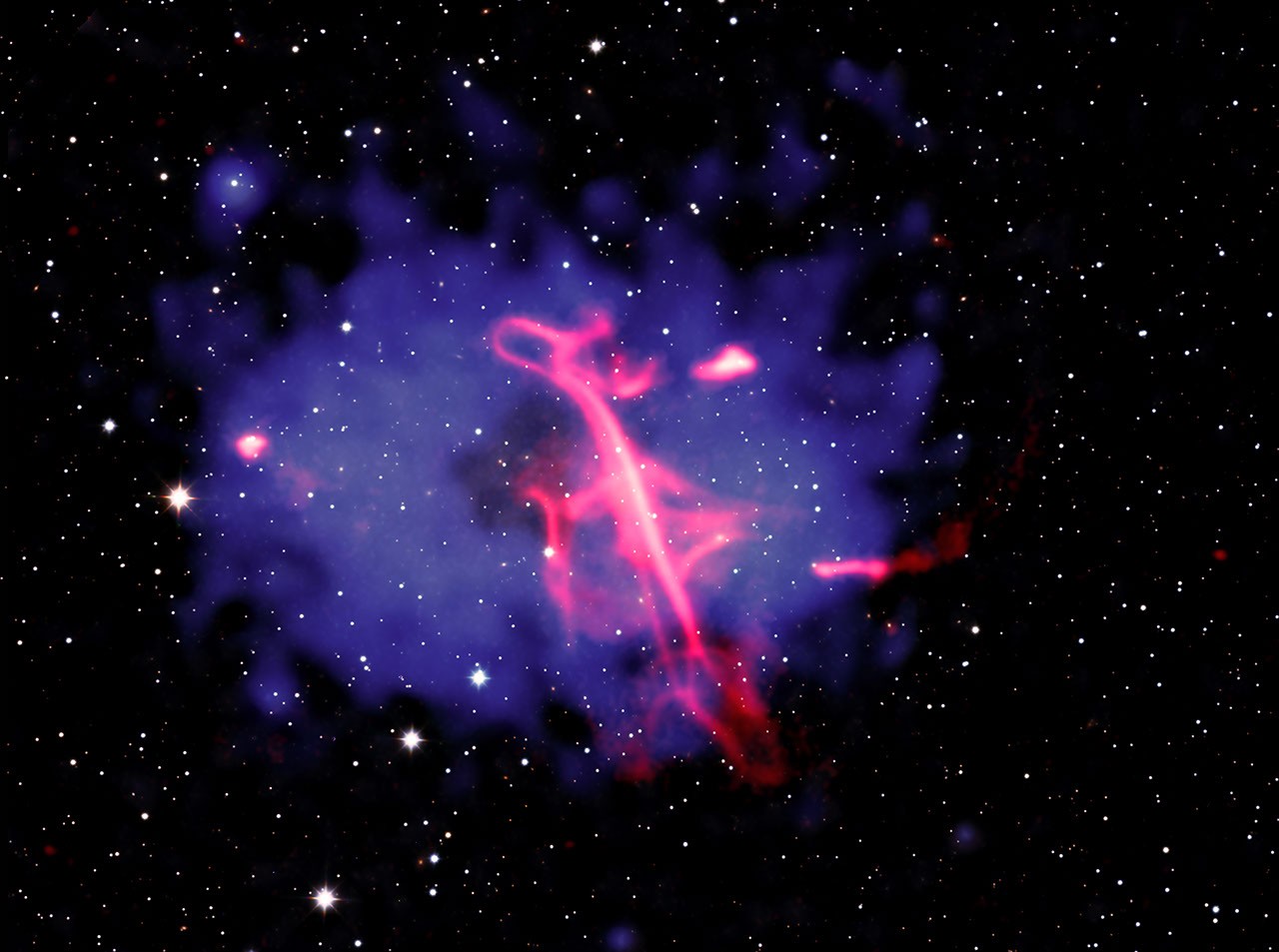
Researchers have determined that the Treble Clef radio wave structure was formed by a supermassive black hole outburst followed by a collision between two galaxy clusters.

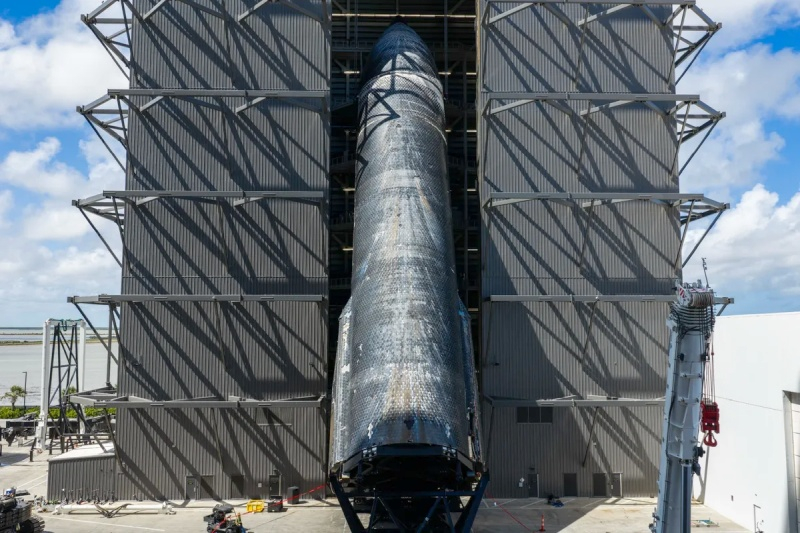
SpaceX has successfully returned the Ship 40 upper stage to Starbase following its 13th test flight, marking the first time a Starship vehicle has been recovered after reaching space.

NASA is developing solid-state batteries under the SPEARS project to power lunar operations, aiming to replace liquid electrolytes with solid materials for extreme temperature resilience.

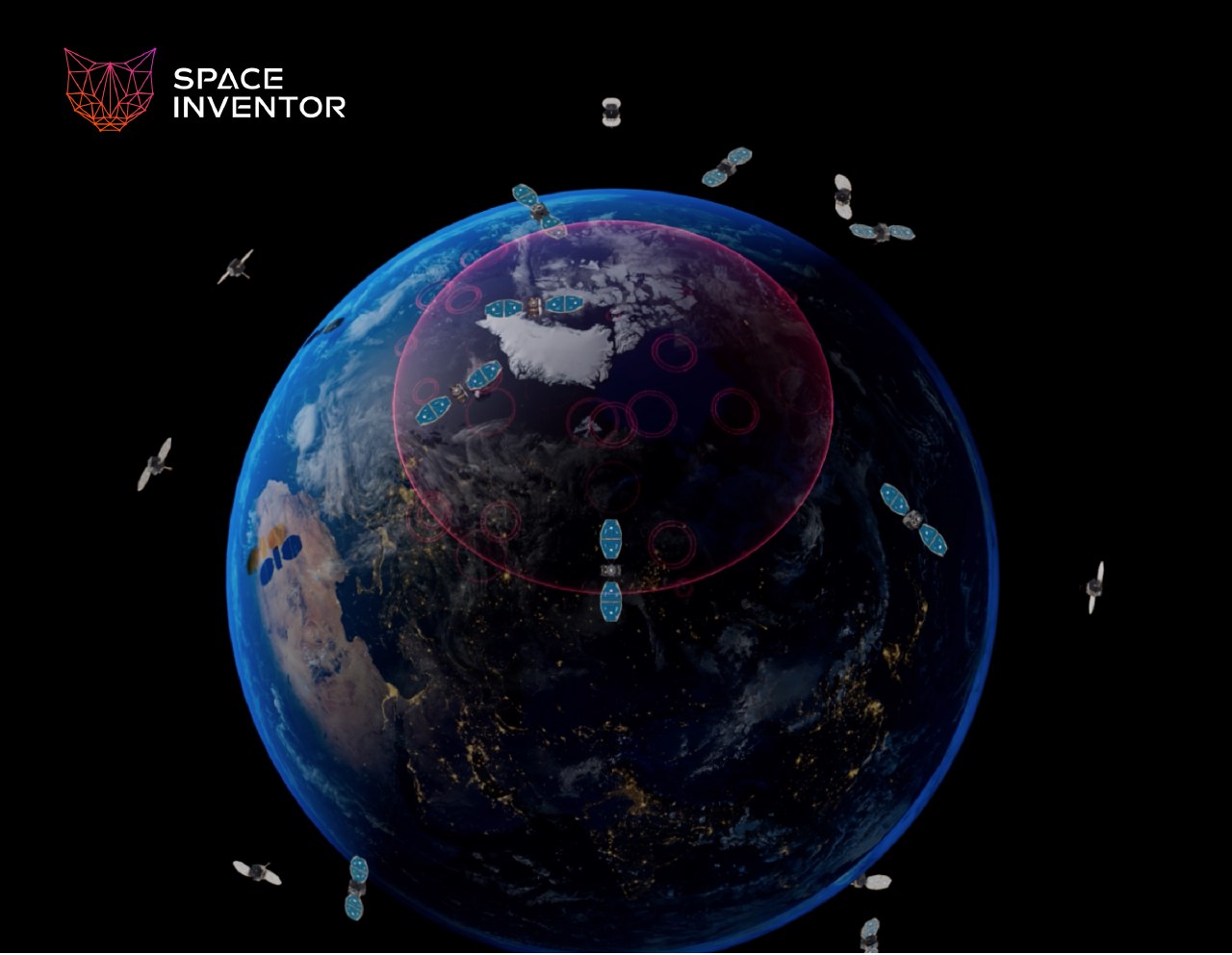
Space Inventor is deploying a modular satellite bus strategy that allows for rapid design iteration and in-house component manufacturing to support evolving mini-constellation requirements.