

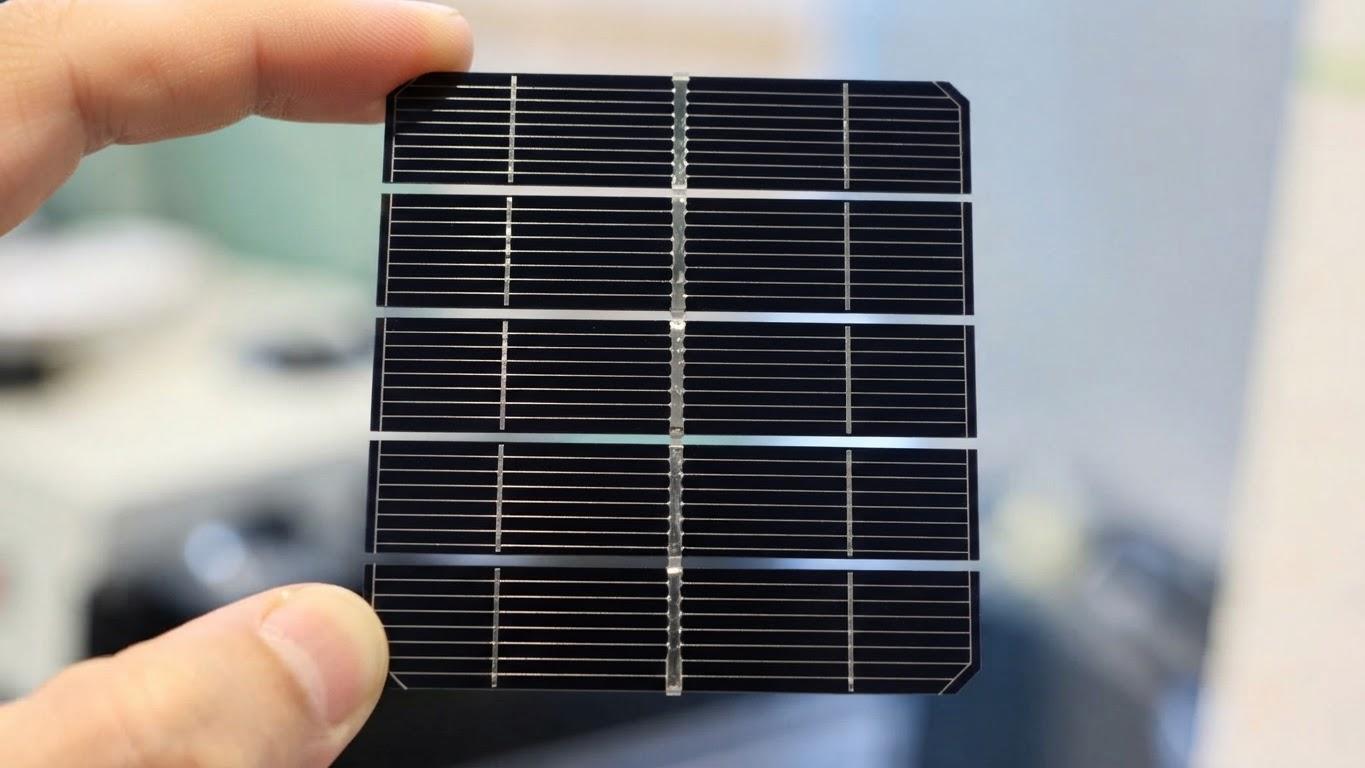
Researchers from Nanjing University and other Chinese institutions have engineered a triple-junction perovskite solar cell, achieving a record-breaking efficiency of 30.1%. This design utilizes three distinct perovskite layers, each optimized to absorb specific segments of the solar spectrum, including near-infrared light.
The primary manufacturing challenge involved the top layer, where high bromine content previously caused uneven crystallization and surface defects. The team addressed this by applying a specialized solvent treatment combined with the addition of oleylammonium chloride, which significantly improved film uniformity and reduced energy losses.
Following the optimization, the top layer reached a voltage of 1.46 V. While the laboratory-reported efficiency is 30.1%, independent certification confirmed a value of 29.3%. The device also demonstrated durability, retaining over 90% of its initial efficiency after 569 hours of continuous exposure to simulated sunlight.
Future research will focus on scaling up the cell size and enhancing overall performance. The team intends to test these cells under space-like conditions, including radiation, vacuum, and extreme temperature fluctuations. Because these cells eliminate the need for heavy silicon wafers, they are candidates for lightweight, flexible applications in architecture, wearable electronics, and aerospace.


