Money
Catalio Capital Targets $500 Million for AI-Healthcare Fund
Catalio Capital Management is raising $500 million to invest in startups combining artificial intelligence with healthcare and biomedicine.
October 15, 2026, 09:11 PM·Crypto Briefing

Catalio Capital Management is raising $500 million to invest in startups combining artificial intelligence with healthcare and biomedicine.
Meta has published ten research manuscripts generated with the assistance of its Muse AI platform, utilizing health data from nearly 5 million patient records.

Healthcare AI startup Brellium has raised $23 million to expand its automated medical billing compliance platform and enter new clinical specialties.

MIT researchers have introduced FleXray, an AI model that improves CT-to-X-ray alignment accuracy, reducing median errors from 335 mm to 1.2 mm.
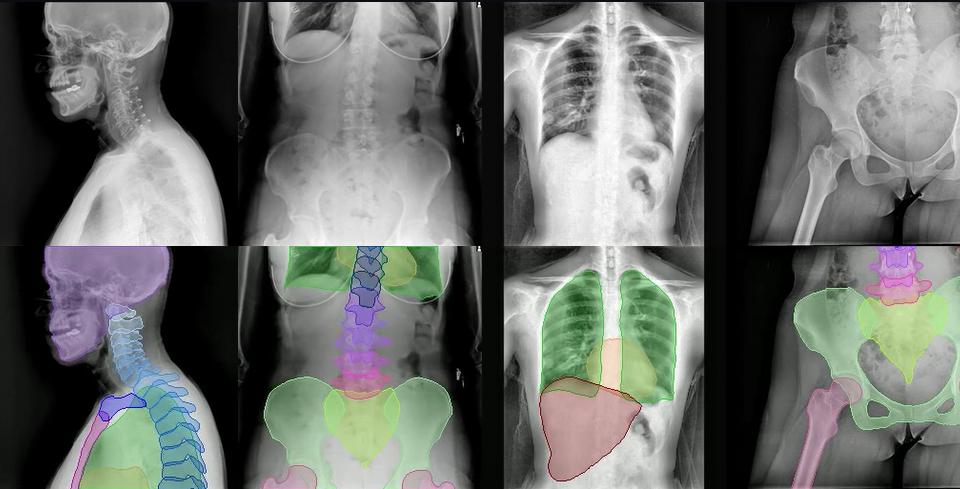
Healthcare technology firm Flahy Inc. is leveraging knowledge graphs to connect biological data and support personalized clinical decision-making.

A study from IIIT Hyderabad reveals that medical AI models often rely on statistical probability rather than actual pathology when analyzing chest X-rays.

The Chazov National Medical Research Center of Cardiology and Third Opinion are partnering to develop an AI-driven system for the early detection of cardiovascular disease risks.
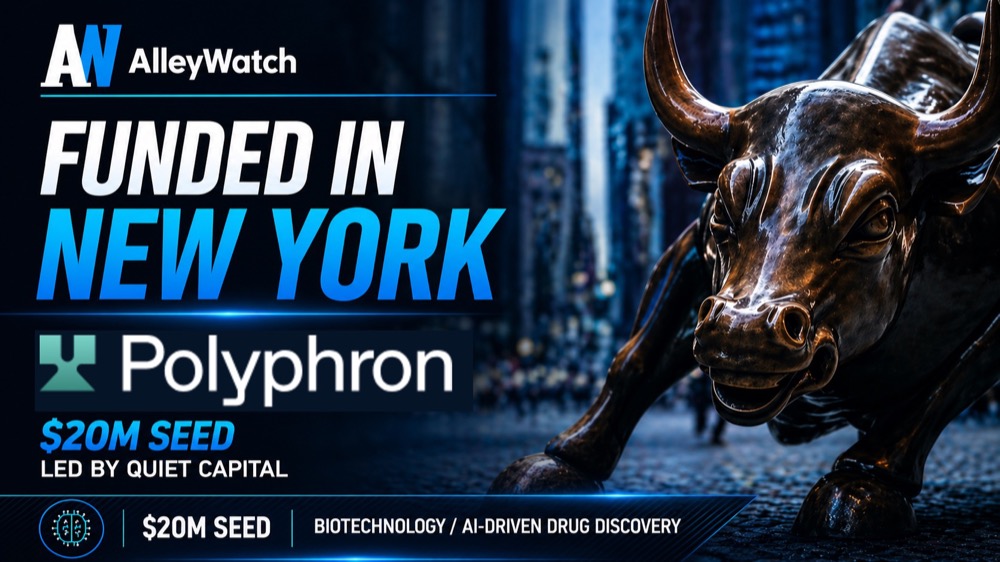
Polyphron has raised $20 million in seed funding to advance its AI-driven platform for simulating human tissue and predicting drug toxicity before clinical trials.
Xiaomi has released the Mijia Sonic Electric Toothbrush T302 Shock-Absorbing Edition, featuring four cleaning modes and a promotional price of ¥139.
Biohub is spearheading a $1.8 billion initiative to develop AI models that predict cell behavior, supported by major tech firms and government funding.

California has enacted three new laws restricting the use of artificial intelligence in employment, healthcare, and education to ensure human oversight and data privacy.

Clinical AI startup Healthleap has raised $38 million in combined seed and Series A funding to expand its diagnostic software to hundreds of additional hospitals.

Google, Meta, and US government agencies are launching a $1.8 billion initiative to build AI-driven virtual cell models for biomedical research.

Audience intelligence platform Tunnl has partnered with healthcare marketing firm DeepIntent to integrate research-backed audience segments into programmatic advertising campaigns.

Healthleap has raised $38 million in seed and Series A funding to scale its AI platform that identifies undiagnosed patient conditions in hospital records.

Chan Zuckerberg Biohub has scaled its Virtual Biology Initiative to $1,8 billion, partnering with the US government and major tech firms to build AI models of living cells.
The medical sector is shifting from the hype-driven adoption of AI toward a focus on measurable clinical outcomes and the economic viability of integrated, trusted systems.

Researchers from the Kulakov National Medical Research Center and RTU MIREA have launched an AI tool that analyzes CTG data to predict perinatal outcomes with 86% accuracy.
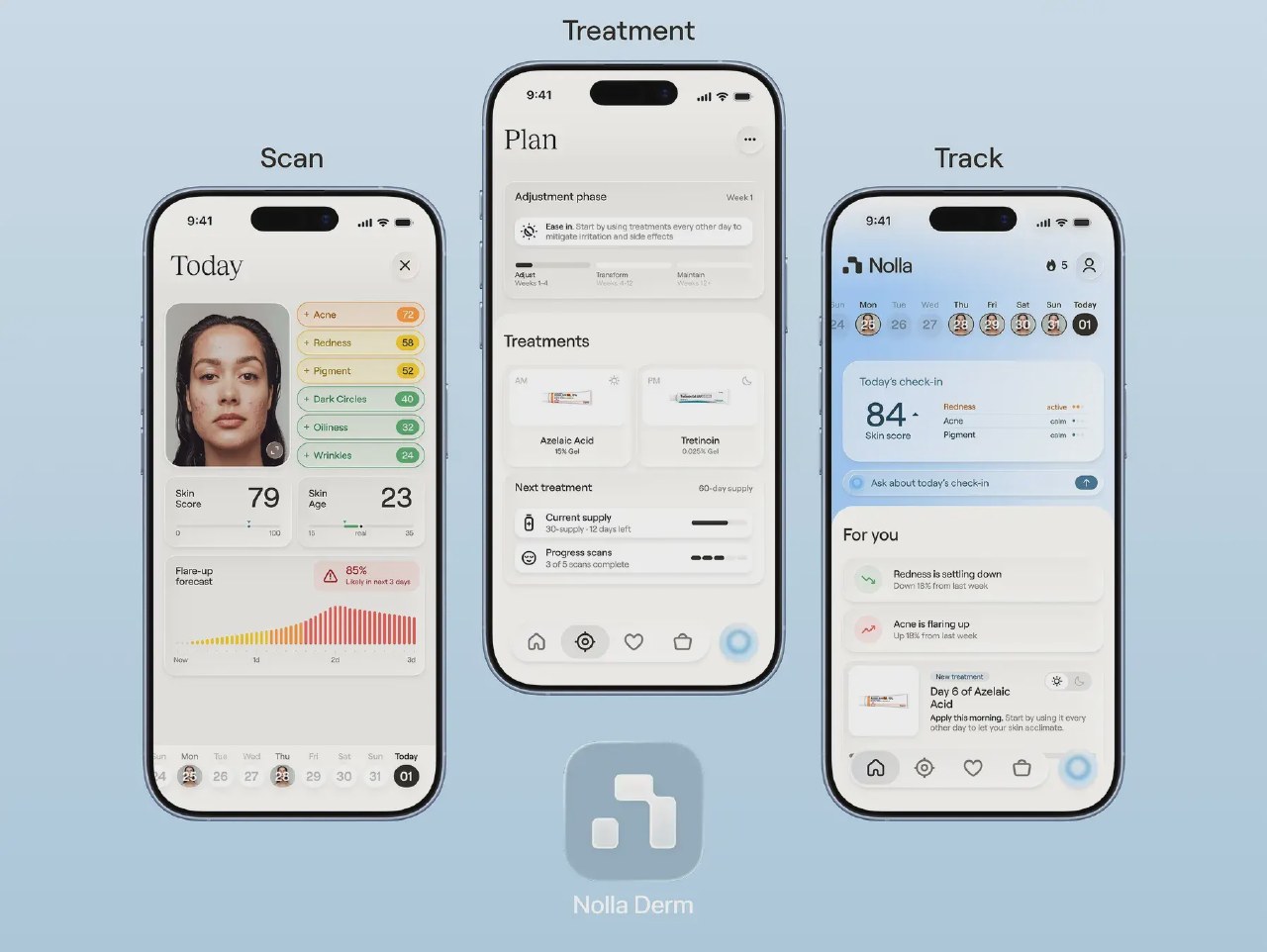
Utah has launched a pilot program allowing AI to evaluate patients and issue prescriptions for mild acne, marking a shift from clinical support to autonomous medical decision-making.
Vocca, a startup automating medical phone calls, has raised $20 million in Series A funding to scale its operations and expand its presence in the US market.