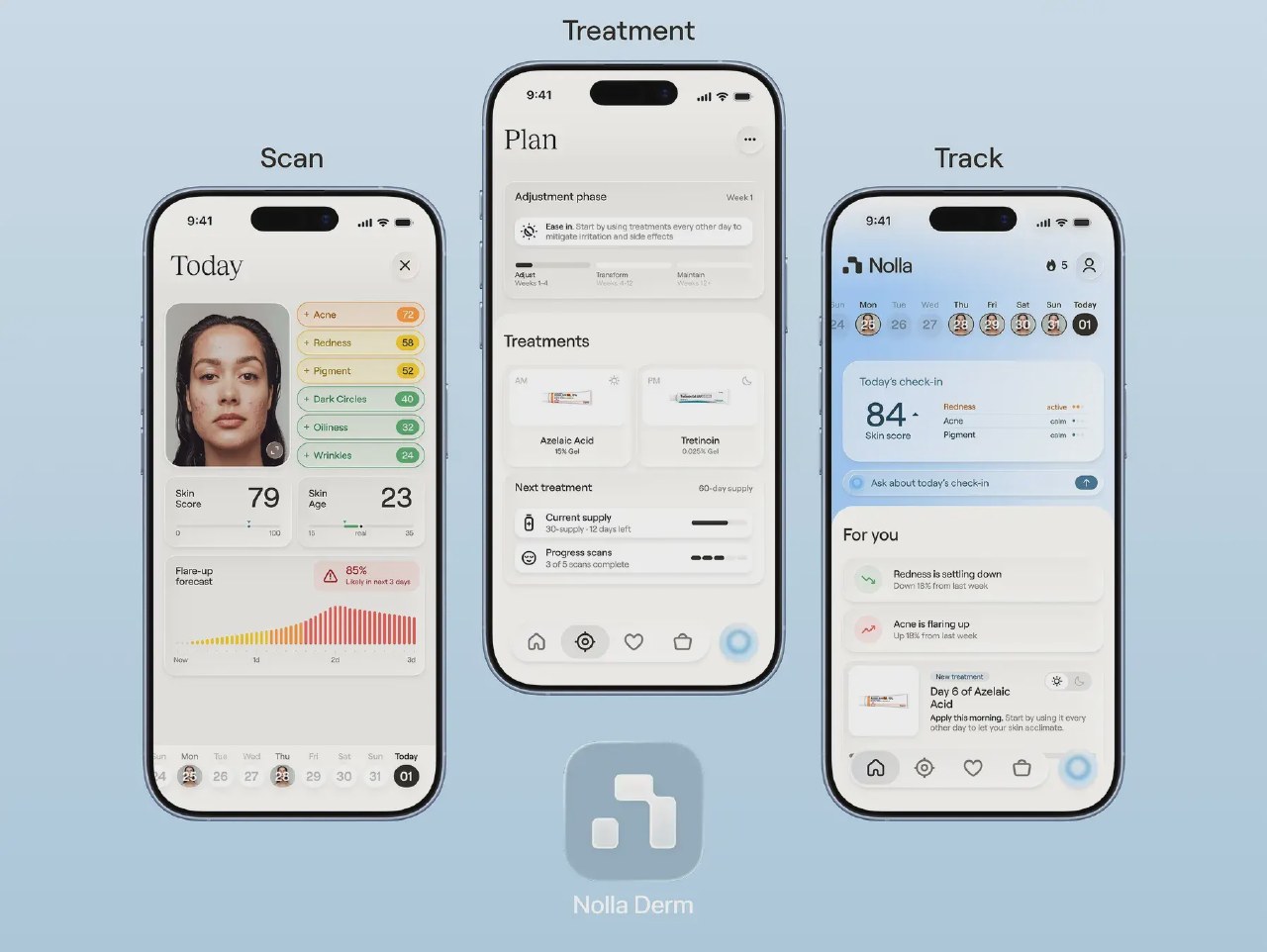
Utah has launched a pilot program allowing the AI startup Nolla Health to evaluate patients with mild to moderate acne and issue prescriptions directly. Users submit facial photos and medical history, after which the AI selects treatment from an approved list of topical medications.
The program operates under a regulatory sandbox, requiring initial oversight by licensed physicians who must sign off on every AI-generated prescription. As the project progresses, the level of human supervision is expected to decrease, eventually allowing the AI to issue prescriptions autonomously.
The system is strictly limited to adult patients with specific conditions. It cannot treat severe acne or prescribe oral medications. Patients who are pregnant, breastfeeding, or immunocompromised are automatically excluded from the automated process and referred to human medical staff.
This initiative follows Utah's earlier authorization of AI-driven prescription renewals for chronic conditions, which covers approximately 190 non-controlled drugs. The state requires companies to maintain professional liability insurance and prohibits the sale or transfer of patient data.
The state government views this model as a way to reduce healthcare costs and address physician shortages in low-risk scenarios. However, critics warn that relying on AI for clinical decisions poses risks if the system misses critical patient information or is subject to adversarial attacks.