EVs
Russian Railways Unveils New DP2D Push-Pull Diesel Train
Russian Railways has introduced the DP2D, the country's first push-pull diesel train, designed for non-electrified routes with a top speed of 120 km/h.
October 15, 2026, 04:36 PM·iXBT.com
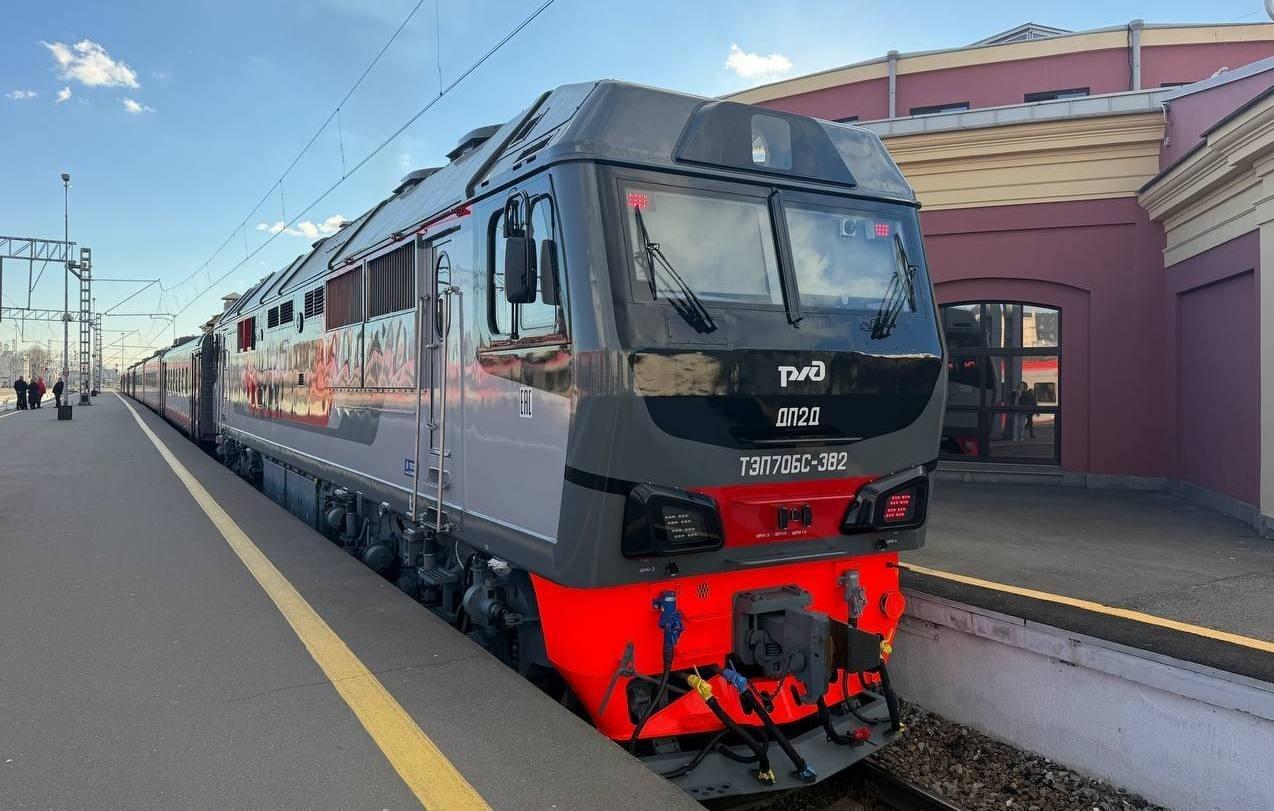
Russian Railways has introduced the DP2D, the country's first push-pull diesel train, designed for non-electrified routes with a top speed of 120 km/h.
T1 IT holding and Bauman Moscow State Technical University have opened a laboratory to develop engineering software and electronics, aiming to bridge the talent gap in microelectronics.
The Lazurit Central Design Bureau will test Ascon's new Digital Shipbuilding Platform on an Arctic tanker project to advance domestic software adoption in the industry.
Oslo-based engineering startup Solvera has raised $6.3 million in a pre-seed round led by Seedcamp to scale its AI-driven design services.
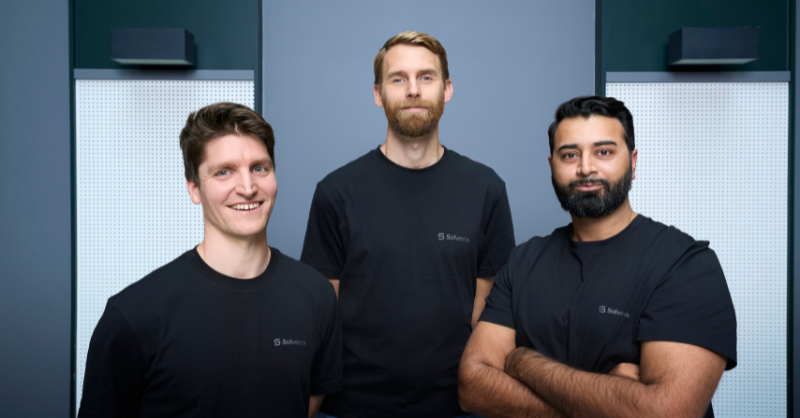
Oslo-based engineering startup Solvera has raised $6.3 million in a pre-seed round to scale its AI-native business model for the construction industry.

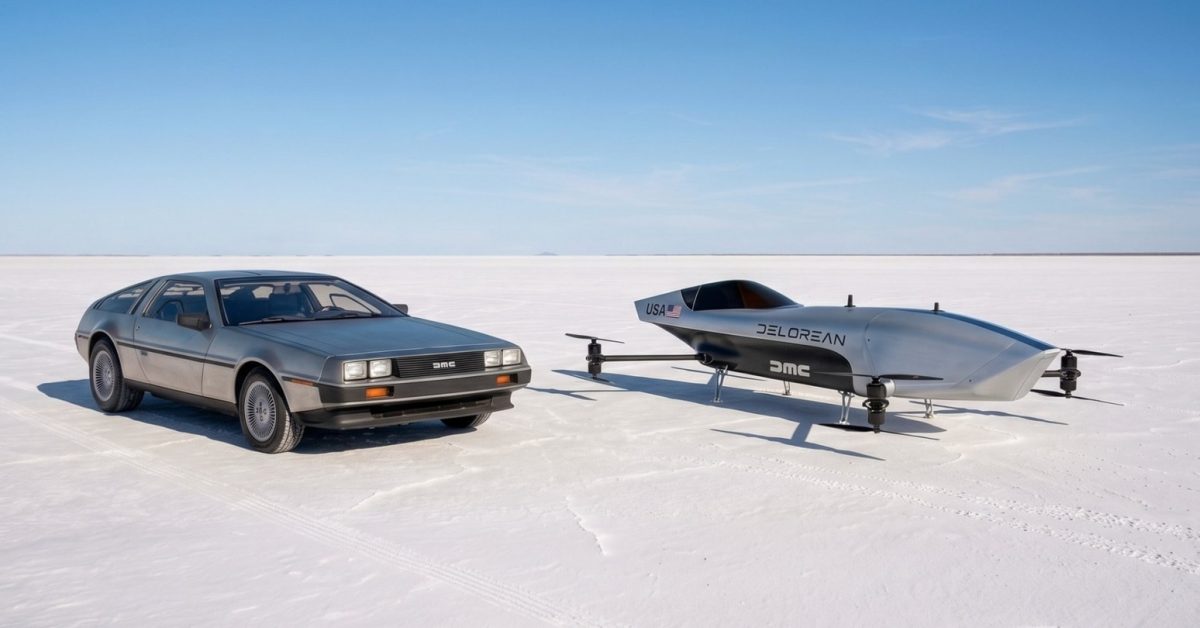
DeLorean is entering the Airspeeder racing series with an electric vertical take-off and landing vehicle, planning to develop a new model for the 2027-28 season.
AI agents enable rapid implementation of complex tech stacks, but reliance on them can lead to architectural bloat and a loss of engineering expertise.

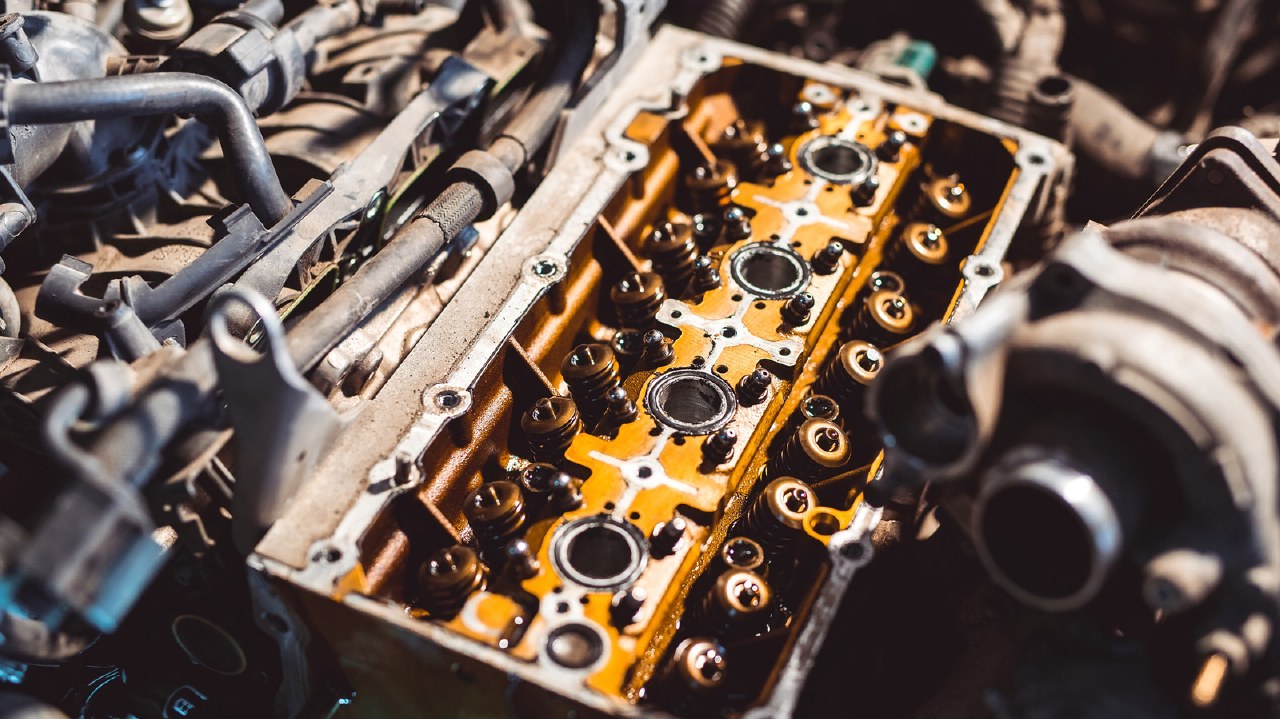
Automakers are increasingly adopting higher compression ratios in internal combustion engines to boost power and fuel efficiency simultaneously.
The International Electrotechnical Commission has released a new global standard for electrical relay coil testing, developed by an international team led by Chinese experts.
CRRC Changchun Railway Vehicles has unveiled VELLINK, China's first subway train powered by embodied AI, featuring advanced weight reduction and energy-efficient systems.

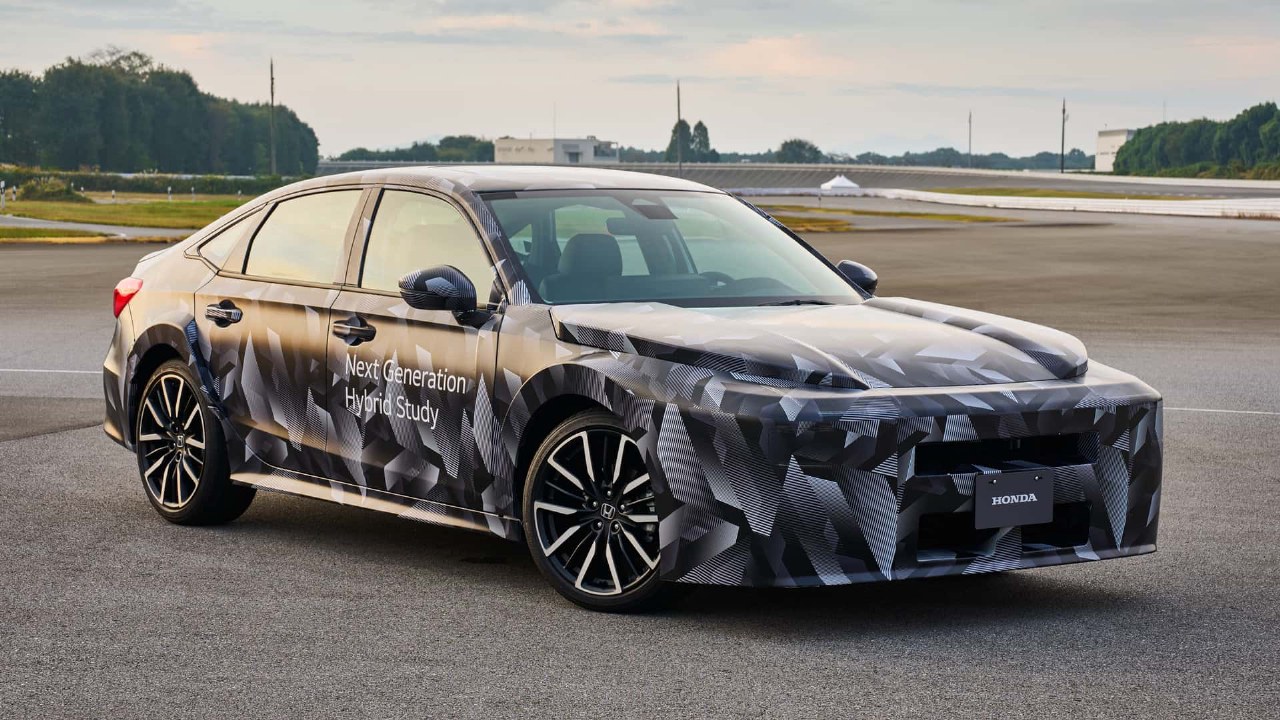
Honda will roll out its new Honda Hybrid system globally starting in 2027, with plans to equip 15 models across three key regions by March 2030.
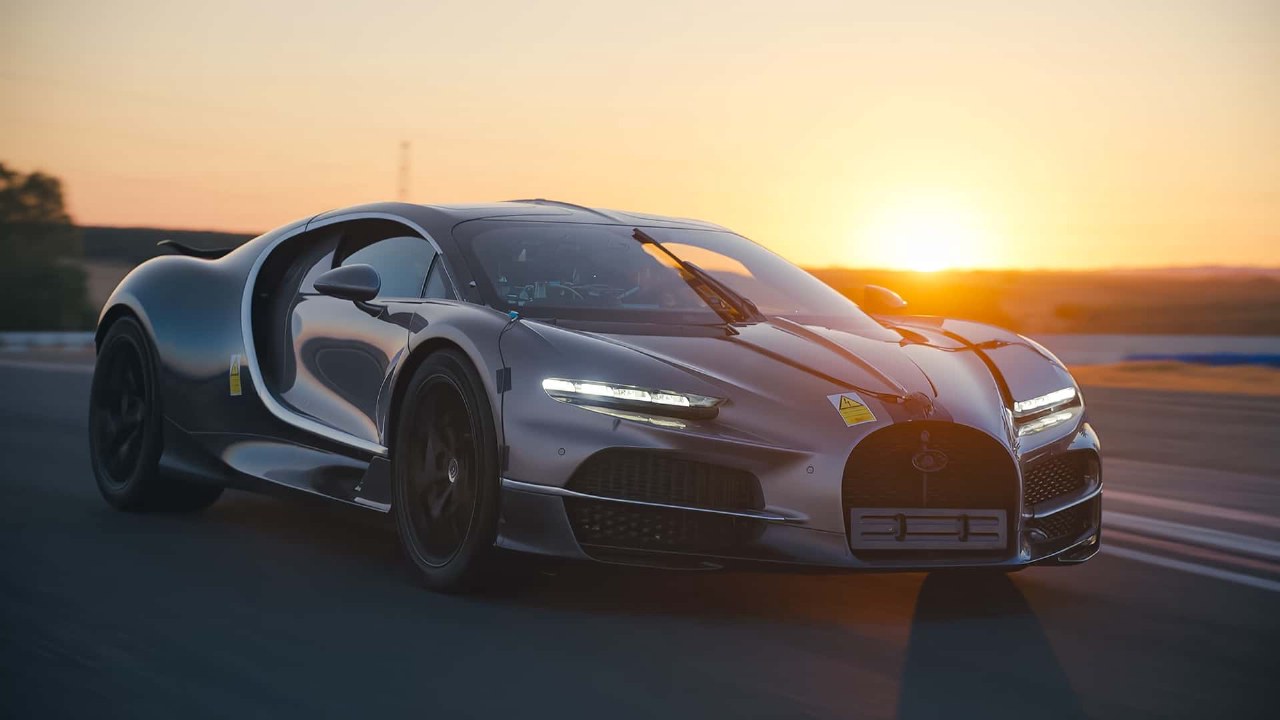
Bugatti has concluded extreme weather validation for the 1 800-HP Tourbillon hypercar, confirming its cooling systems can handle temperatures ranging from -30°C to over 50°C.
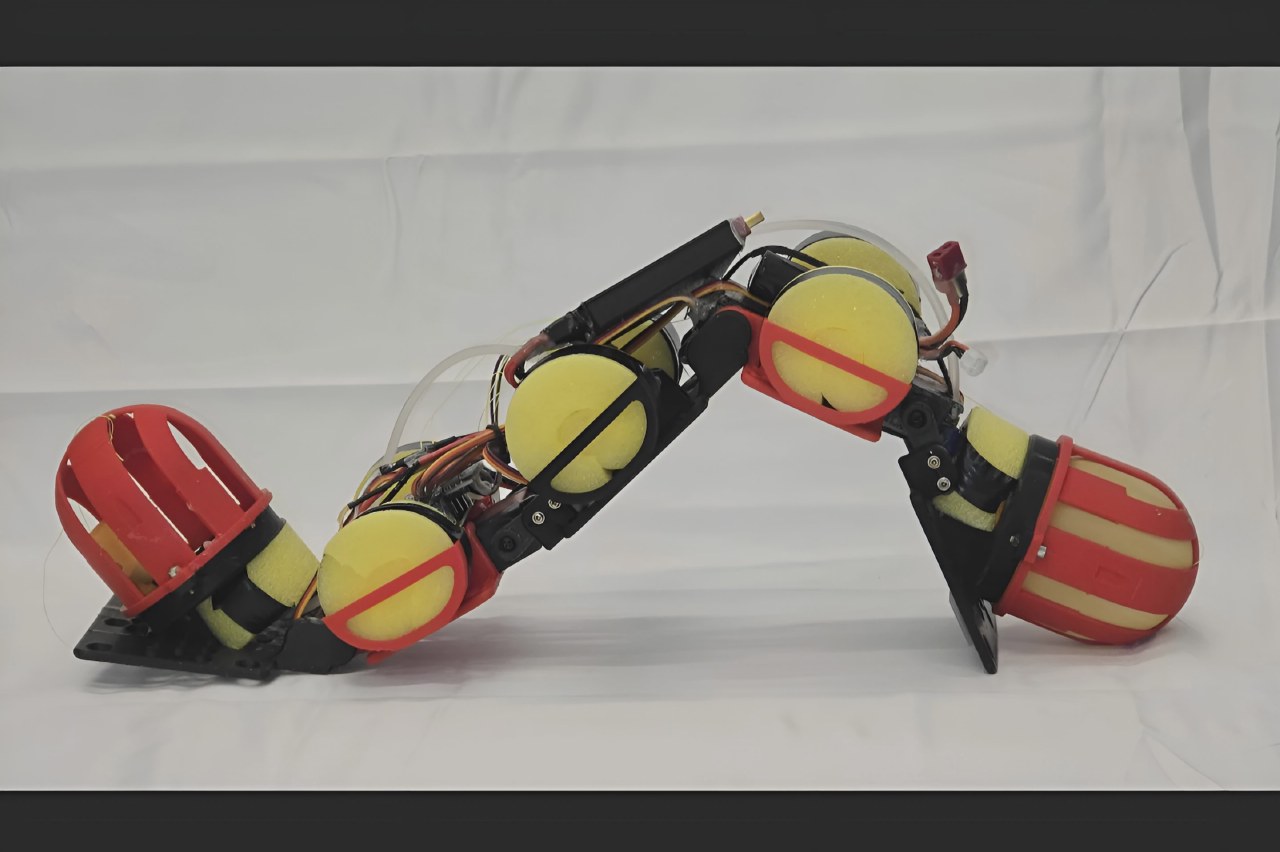
Researchers at NYU Tandon have developed WorMa, an amphibious robot that uses internal fluid displacement to navigate complex terrains including slopes, stairs, and water.
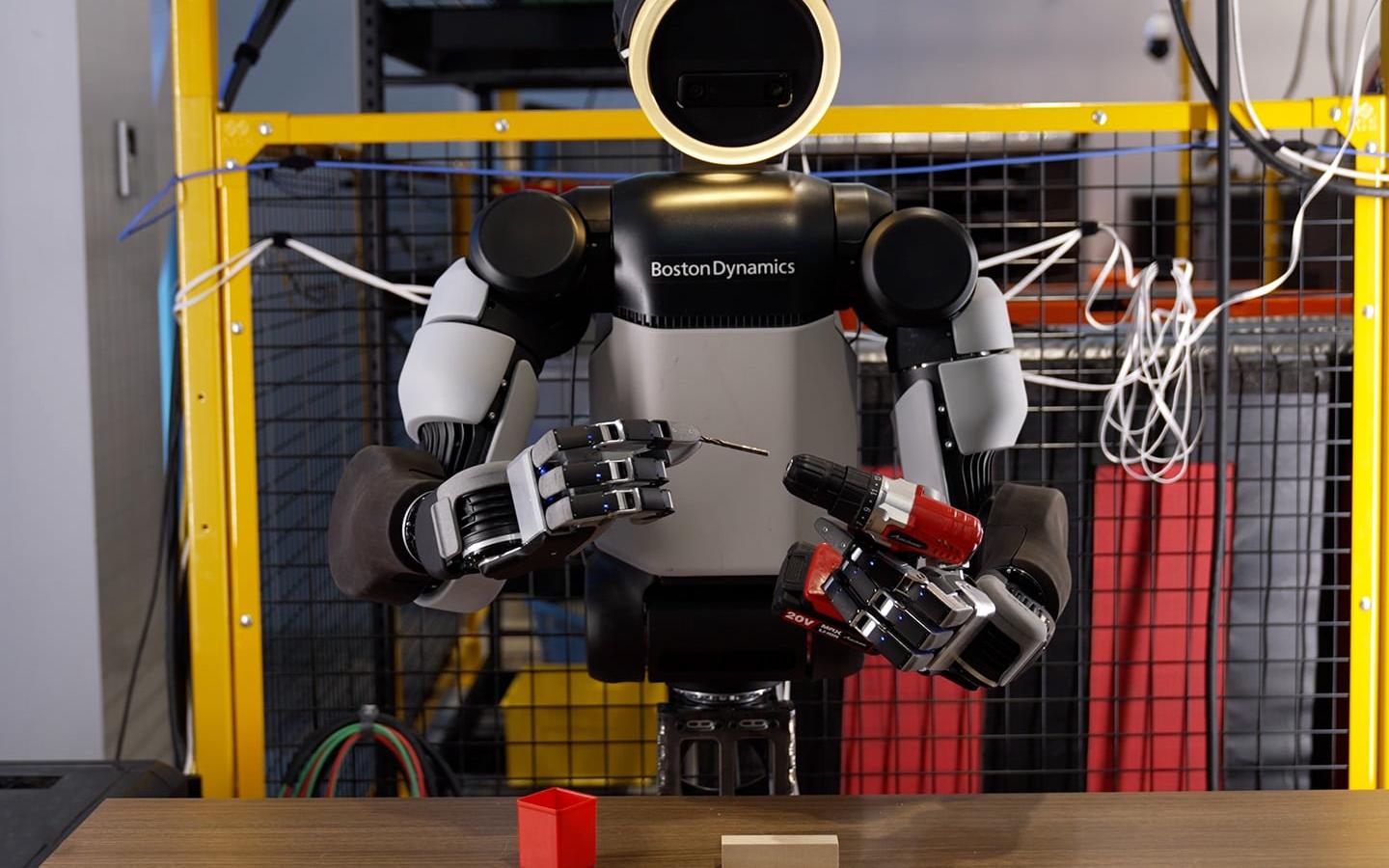
Boston Dynamics has redesigned the Atlas robot's hand, opting for a four-fingered, 13-degree-of-freedom configuration optimized for industrial tool manipulation rather than human-like anatomy.
A developer has converted a quad bike into a mobile robotic platform, utilizing its existing drivetrain and suspension while upgrading the steering and sensor systems for ROS compatibility.

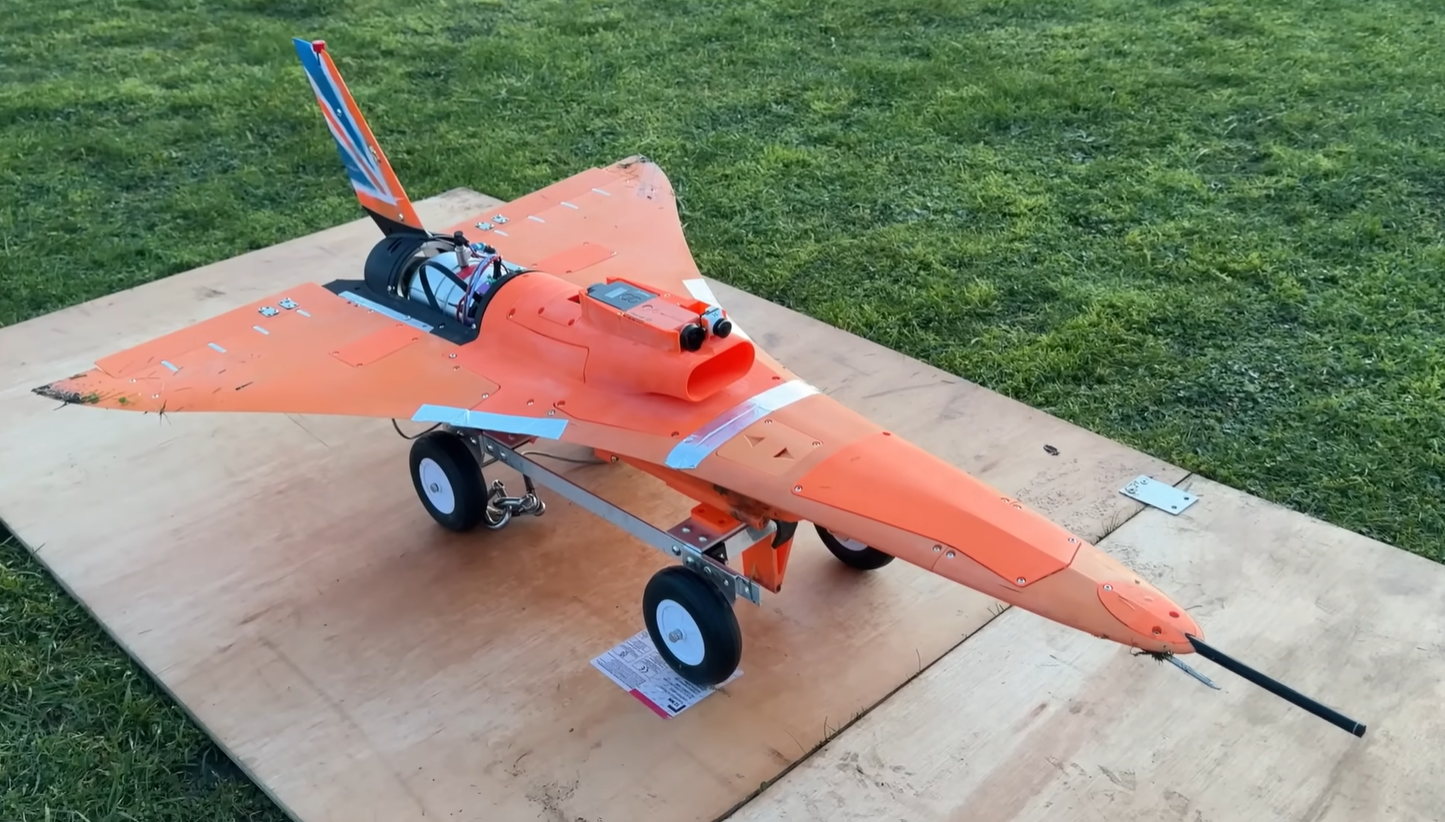
British engineers from the Mach Initiative are preparing a 3D-printed radio-controlled jet, the Kingchaser, to attempt a world speed record of 988 km/h.
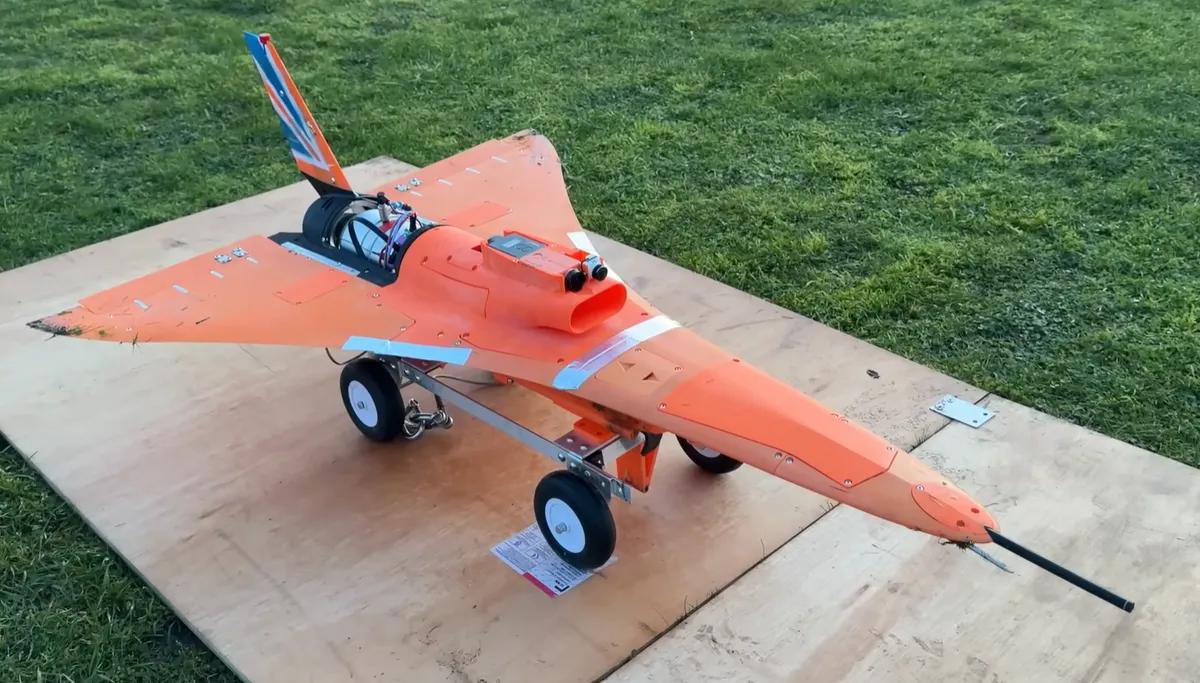
The Mach Initiative is testing a 3D-printed jet-powered aircraft, the Kingchaser, aiming to reach Mach 0.8 and break the speed record for model aircraft.
The Zunjie V800 brake pedal bracket fractured during testing at 1612 N, sparking industry debate over design redundancy, material limits, and the impact of shortened vehicle development cycles.

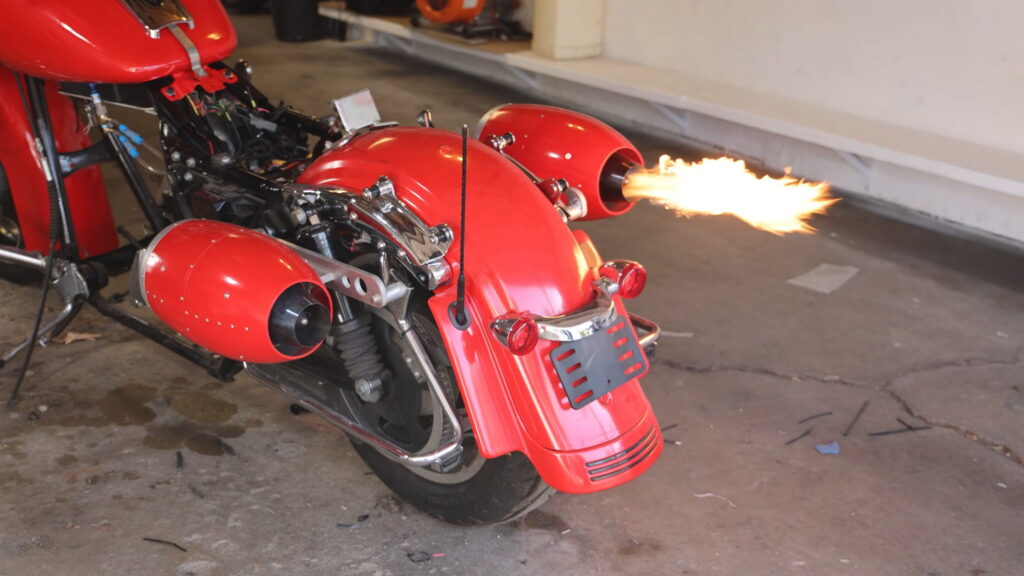
YouTubers have successfully converted a Harley-Davidson motorcycle to jet propulsion, achieving 60 mph using two micro-turbines instead of a traditional engine.
A look at the mechanics of Pitot tubes, the sensors responsible for measuring aircraft airspeed, and why their readings often differ from true flight speed.