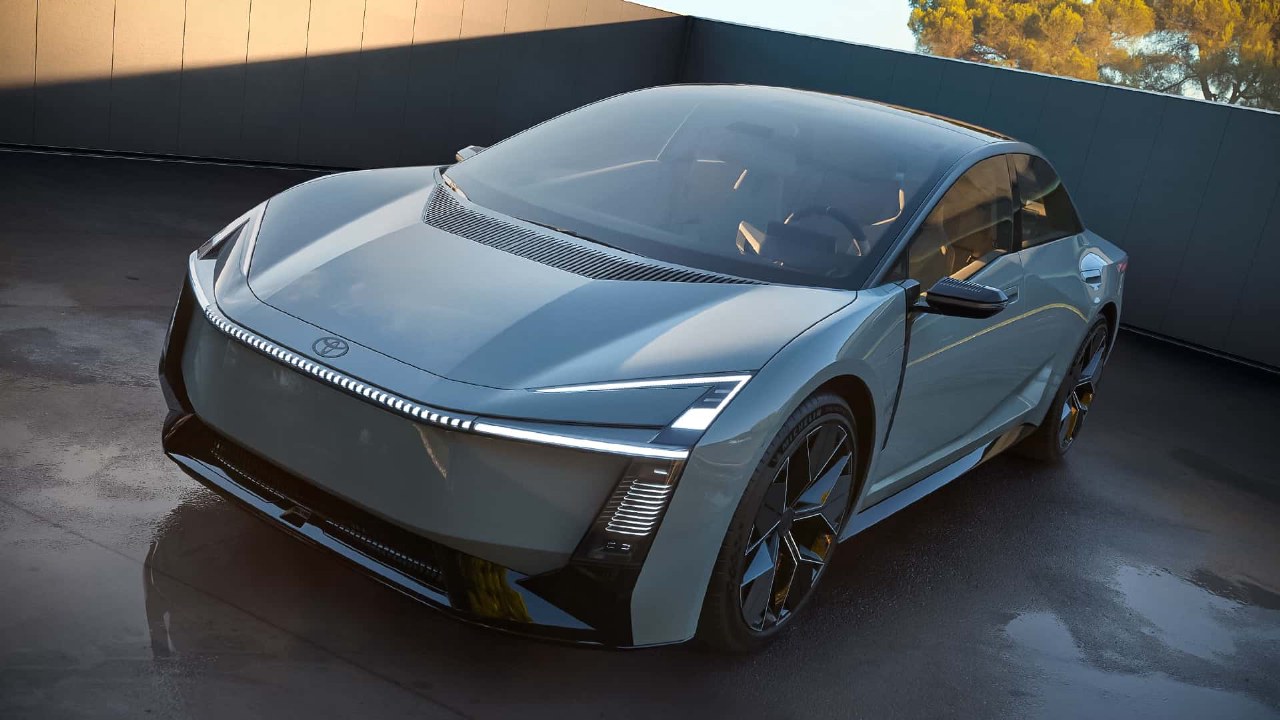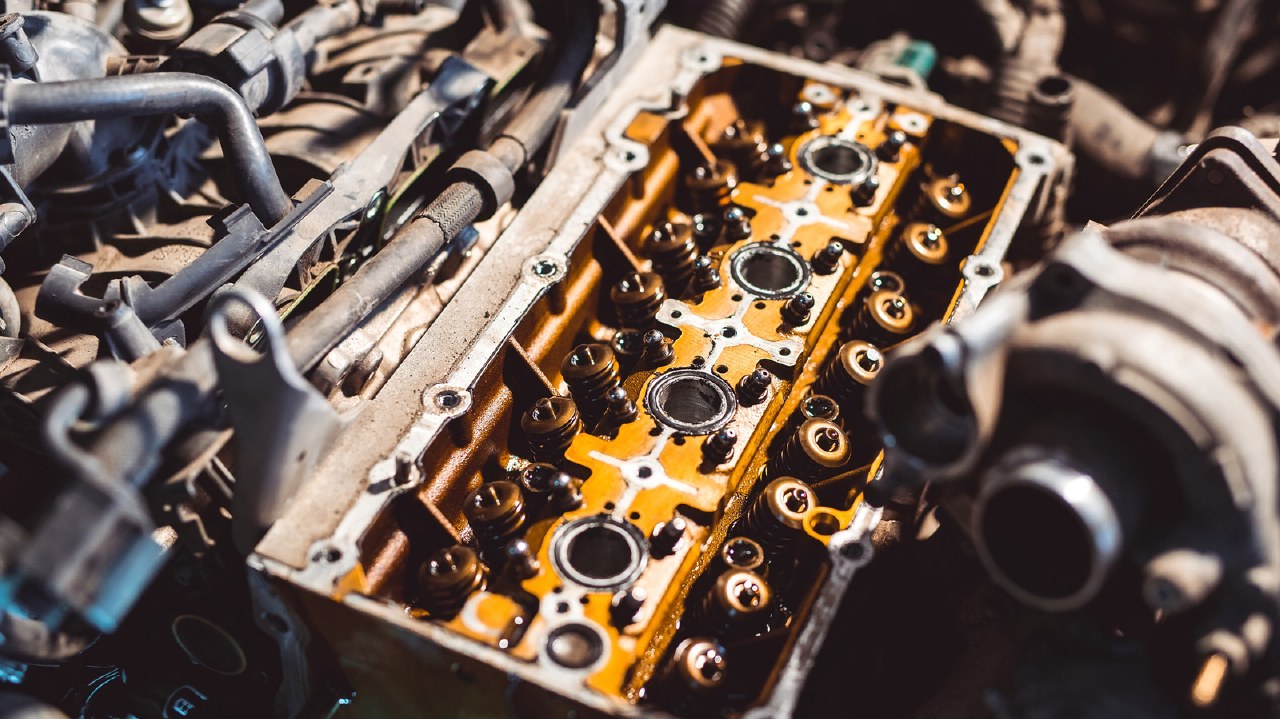
Modern internal combustion engines increasingly utilize higher compression ratios to balance performance and fuel economy. This design approach allows manufacturers to maintain power output while improving thermal efficiency, a strategy currently employed in both traditional gasoline vehicles and hybrid electric models.
The compression ratio measures the volume of the cylinder at the bottom dead center compared to the top dead center. A higher ratio reduces the combustion chamber volume, allowing expanding gases to exert more force on the piston during the power stroke. This process generates more power from the same amount of fuel.
While standard gasoline engines typically operate with compression ratios between 8:1 and 10:1, some manufacturers have adopted more aggressive configurations. For instance, Mazda uses its SkyActiv engine technology to achieve a compression ratio of 13:1, demonstrating the industry shift toward higher efficiency standards.