Space
BlackSky and HEO Extend Orbital Imaging Partnership
BlackSky Technology has renewed its partnership with HEO in a seven-figure deal to provide enhanced space domain awareness using Gen-3 satellite imagery.
October 15, 2026, 03:30 PM·Payload
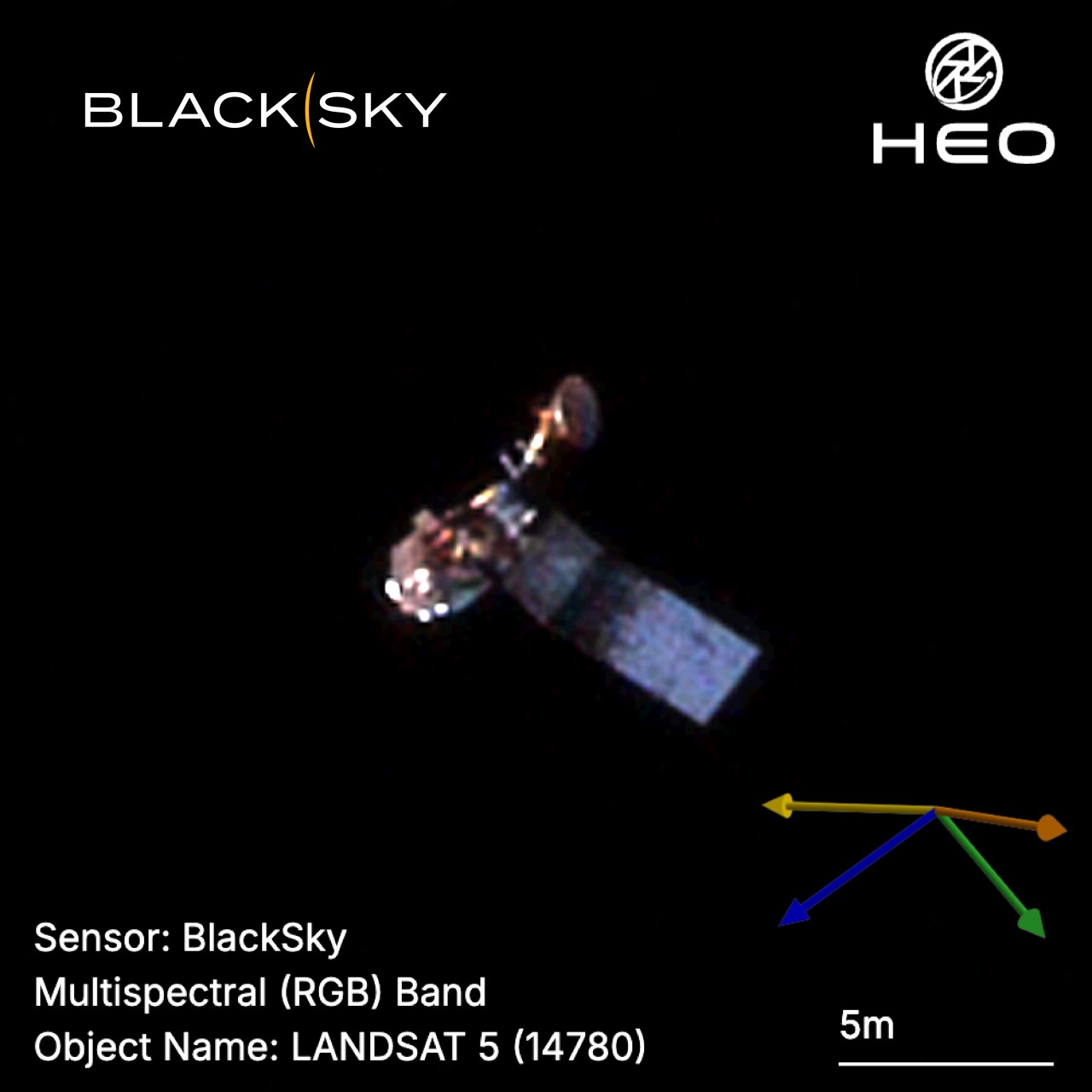
BlackSky Technology has renewed its partnership with HEO in a seven-figure deal to provide enhanced space domain awareness using Gen-3 satellite imagery.
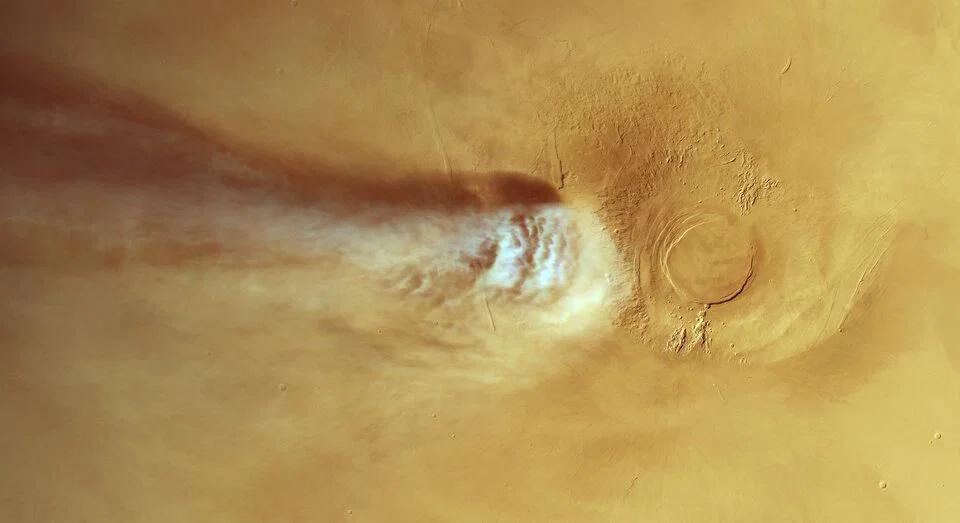
Researchers have discovered that a massive, recurring cloud on Mars forms through a rare physical process never before observed in any planetary atmosphere.
Japan plans to reach 30 annual space launches by 2030, requesting ¥76 billion to expand four domestic spaceports and increase launch capacity.
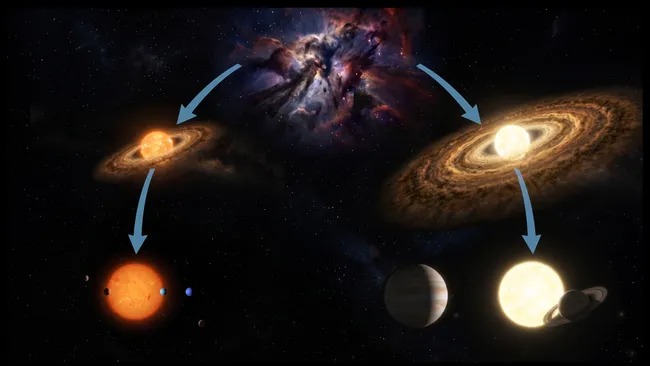
Researchers have identified two distinct types of planetary systems in the Milky Way, with the host star's properties determining their evolutionary fate and stability.
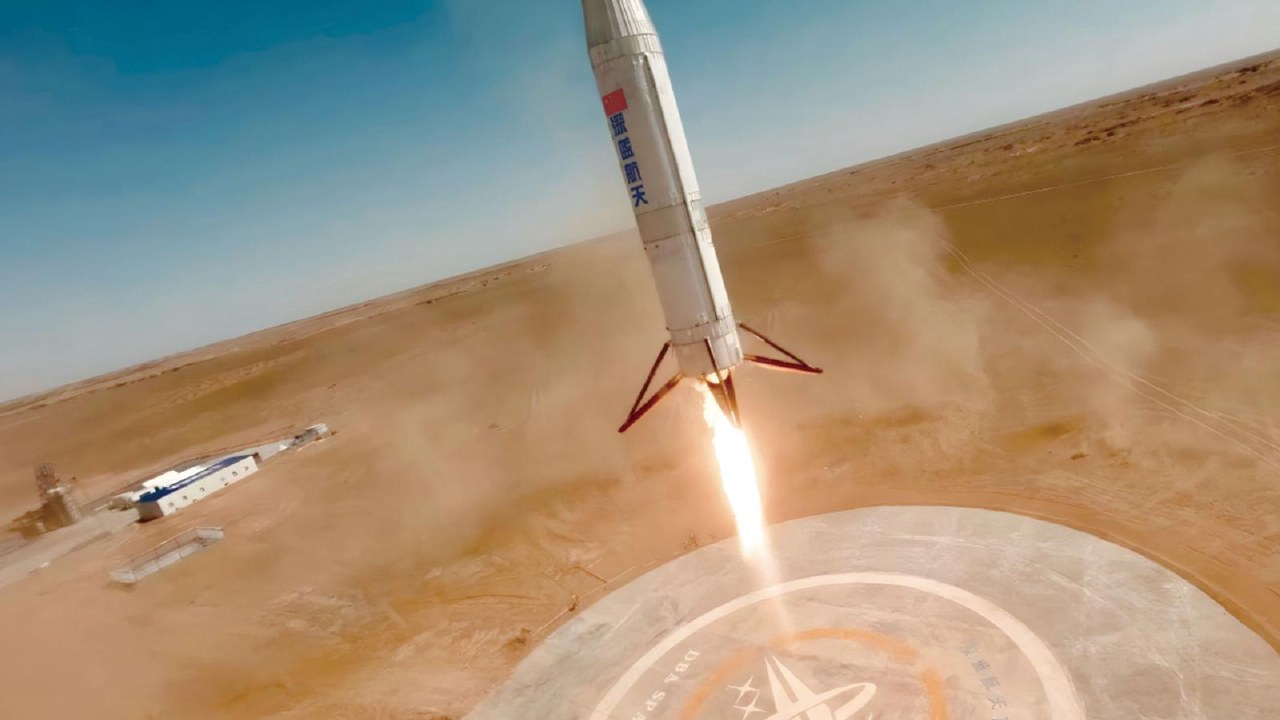
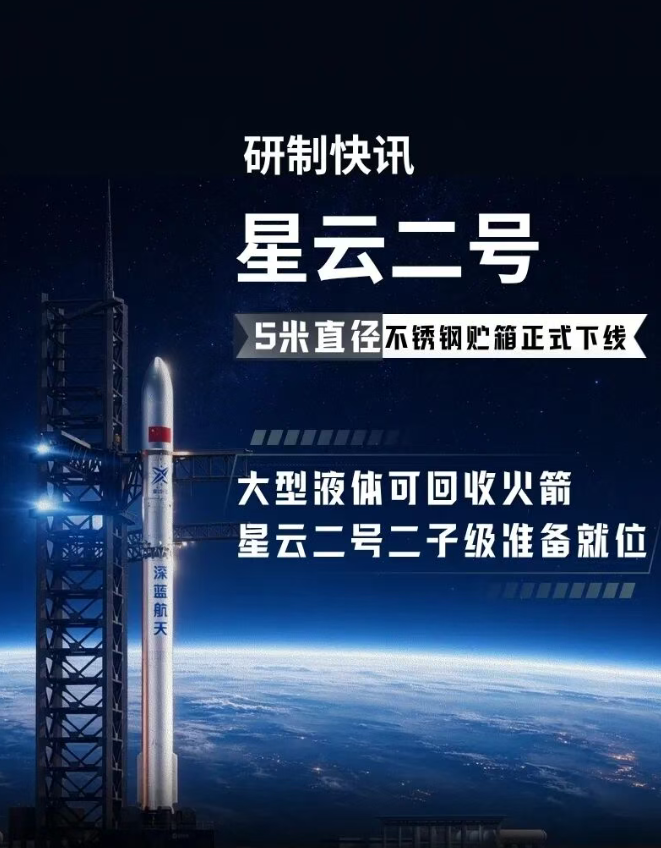
Deep Blue Aerospace has manufactured a 5-meter fuel tank for the Nebula-2 rocket, a reusable vehicle designed to carry 25 tons to orbit using a mechanical stage recovery system.
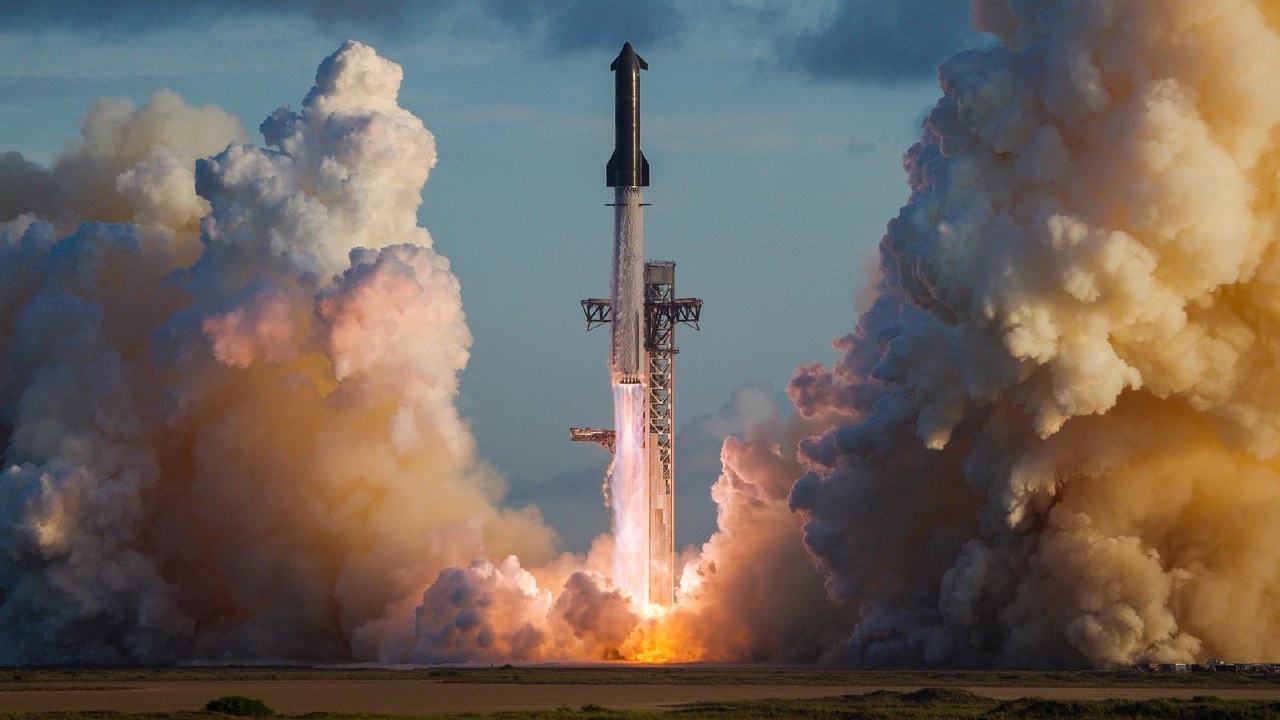
SpaceX has requested regulatory approval to conduct up to 456 Starship launches annually from its Texas facility, marking an 18-fold increase over current limits.
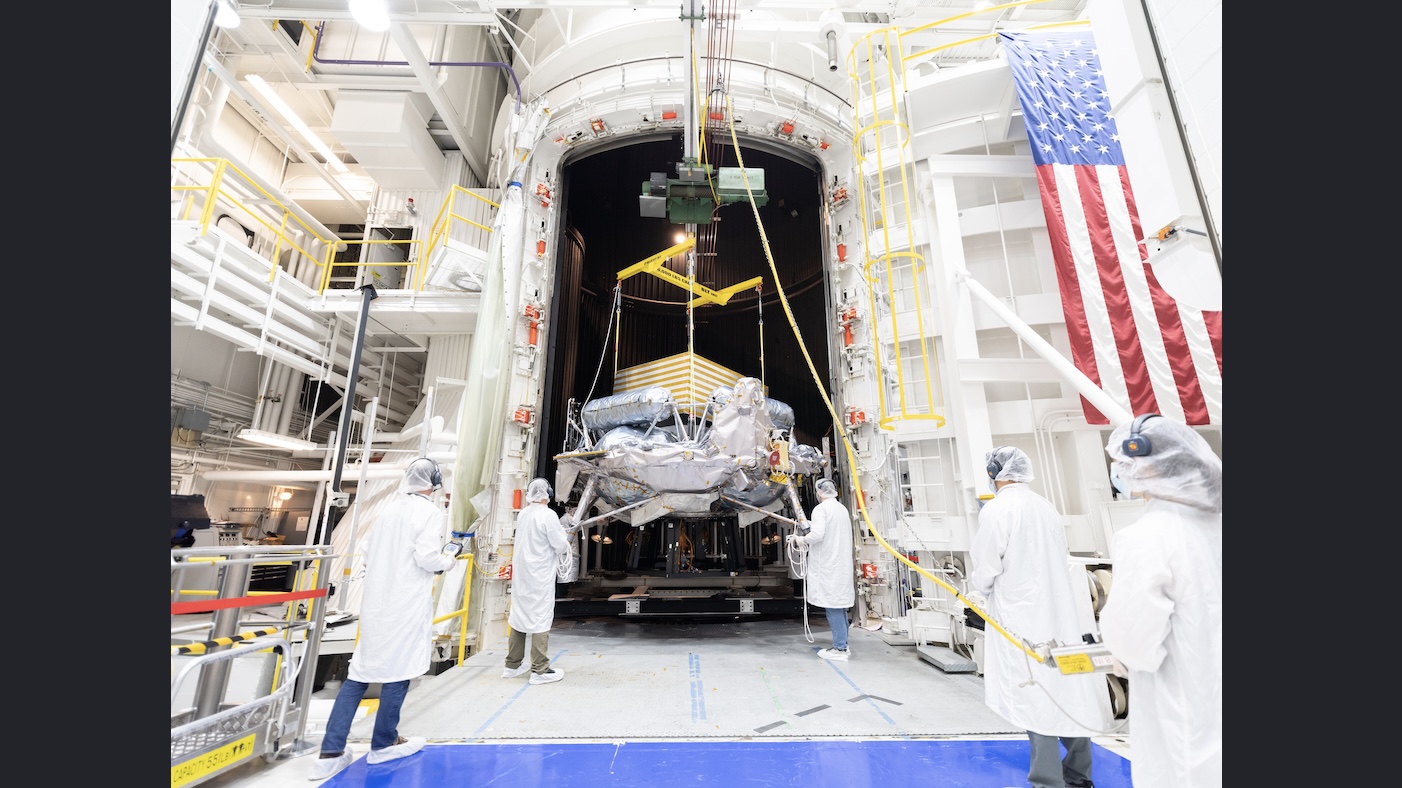
Voyager Technologies' Griffin-1 lunar lander has passed critical environmental testing at NASA's Jet Propulsion Laboratory ahead of its scheduled launch later this year.
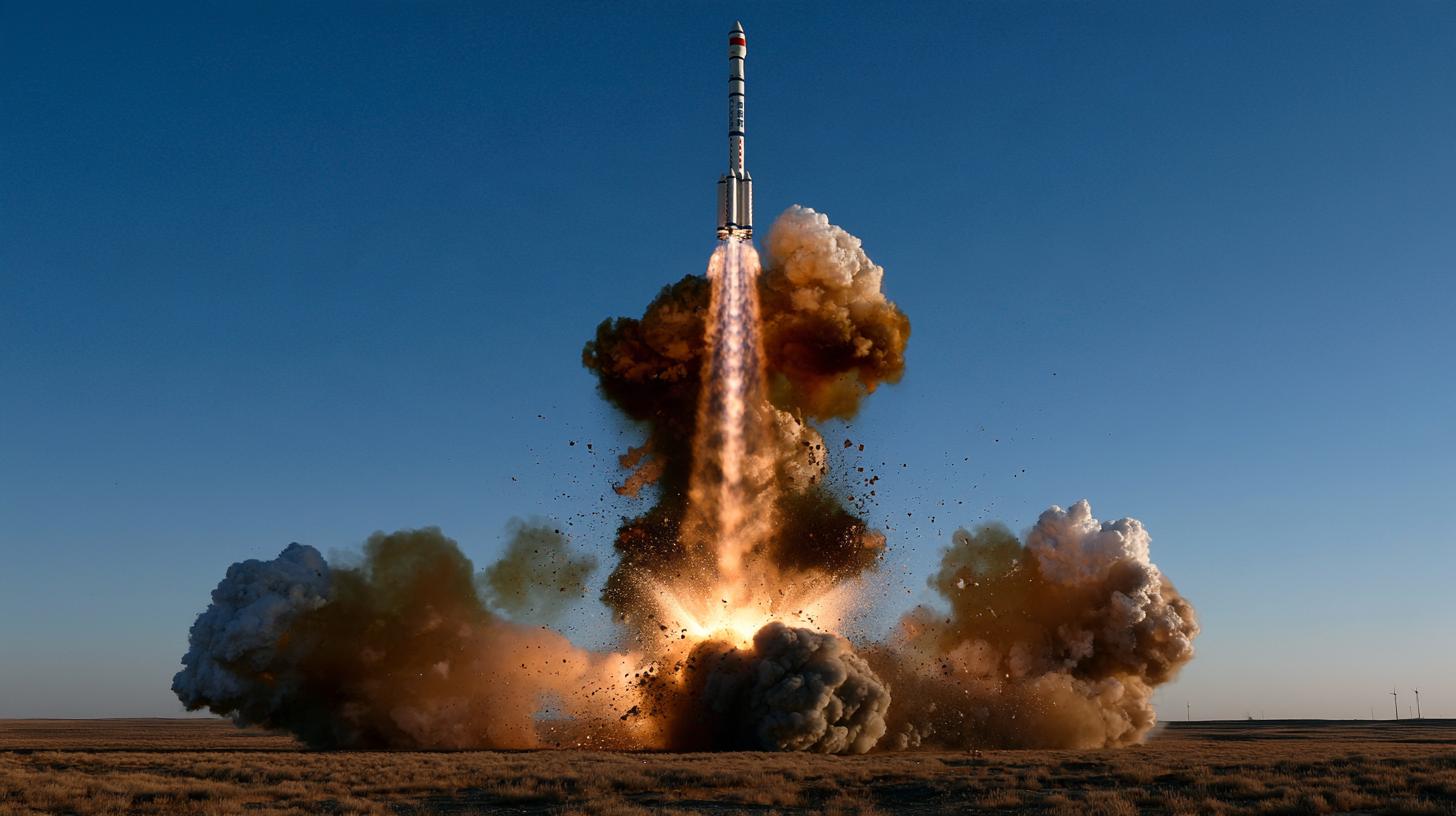
A glowing object spotted over Kazakhstan and Russia on October 12 has been identified as the debris of a Chinese Kuaizhou-11 rocket stage re-entering the atmosphere.

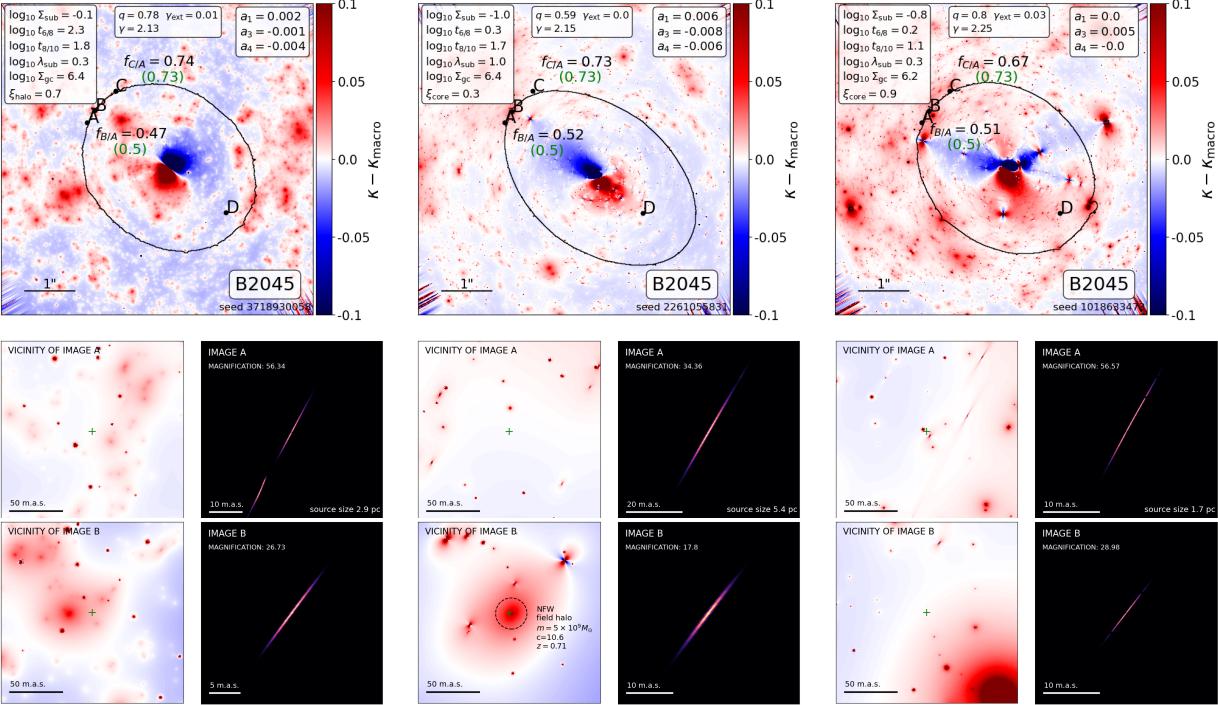
Researchers used the James Webb Space Telescope to test the self-interacting dark matter hypothesis by analyzing gravitational lensing effects on 29 distant quasars.
Russia will invest 53.6 ₽ billion to replace its aging Express satellite fleet by 2030, shifting to domestic production to maintain critical communication infrastructure.

Deep Blue Aerospace has unveiled a 5-meter diameter stainless steel tank for its Nebula-2 rocket, marking a milestone in the development of China's largest private reusable launch vehicle.
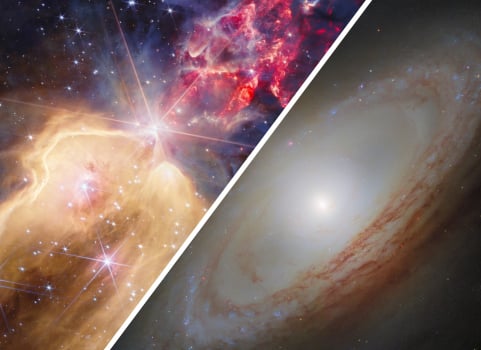
NASA and the European Space Agency have released new images from the James Webb and Hubble telescopes, documenting stellar nurseries, unique galactic structures, and distant gravitational lensing.
German space officials warn that Russian military maneuvers could threaten the Starlink network by forcing satellites to consume fuel for evasive actions.

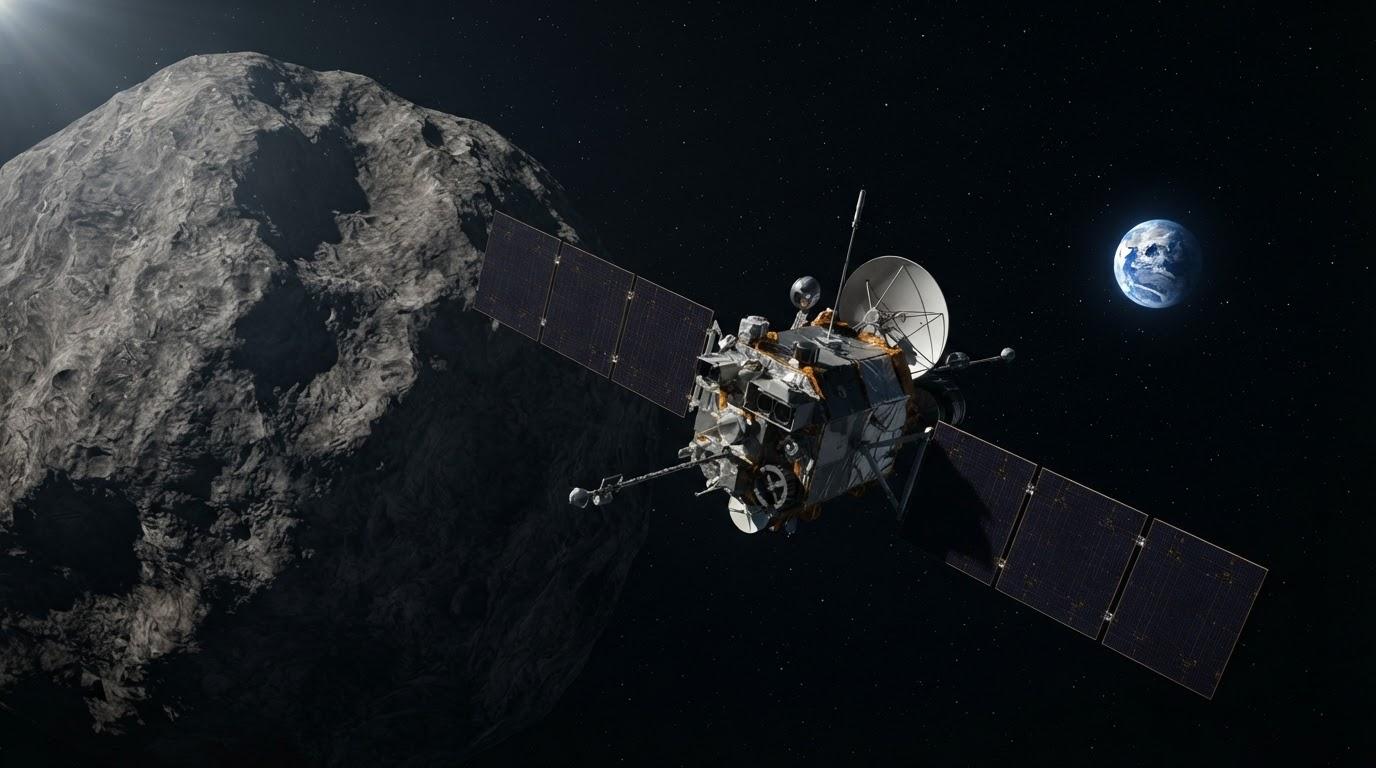
Moscow State University is developing a space mission to test the survival of biological samples on the asteroid Apophis during its close approach to Earth in 2029.
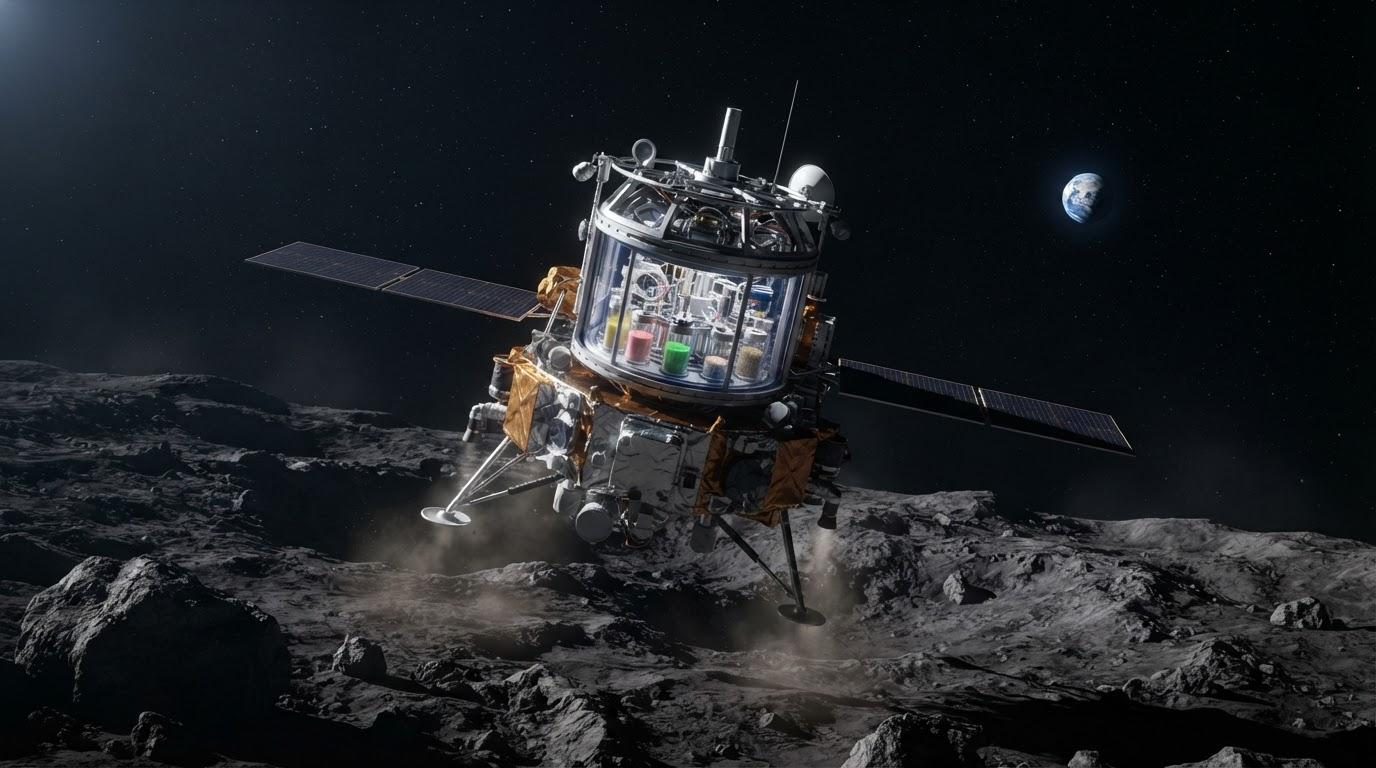
Moscow State University is designing a specialized probe to study the asteroid Apophis during its close approach to Earth in April 2029.
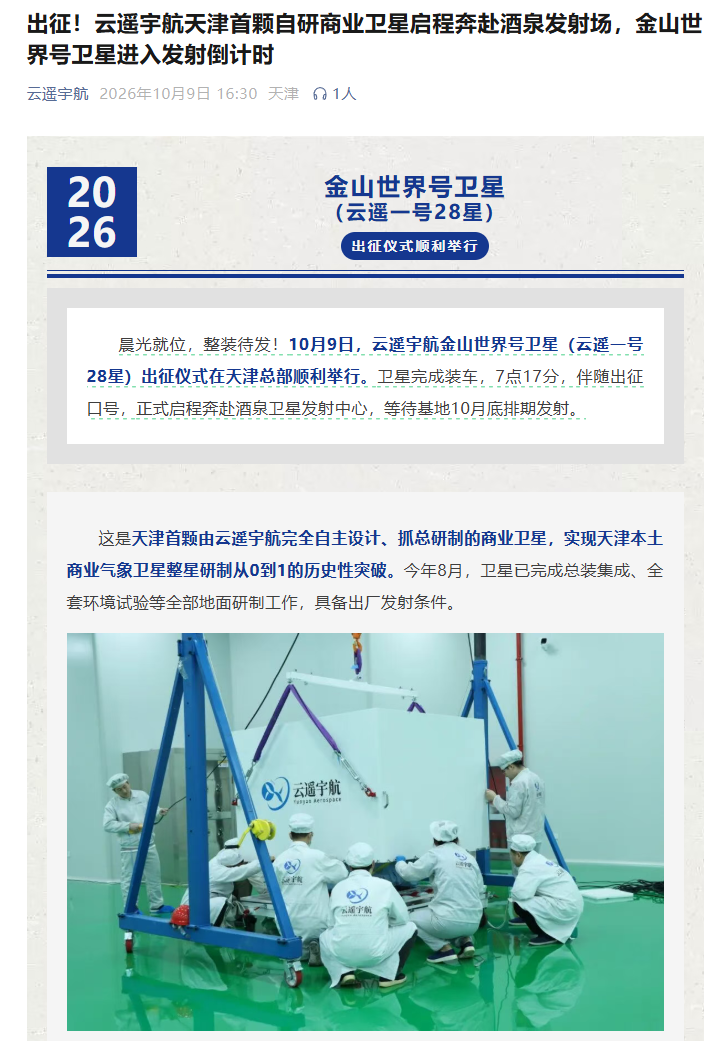
Yunyao Aerospace has dispatched its first self-developed commercial satellite, Yunyao-1 28, to the Jiuquan launch site for a scheduled mission at the end of October.
Researchers have identified that a recurring 1,800-kilometer cloud on Mars forms through homogeneous nucleation, a theoretical physical process previously unobserved in nature.
Researchers used the Hubble and James Webb space telescopes to discover and analyze 27 small trans-Neptunian objects, with the smallest measuring approximately 5 kilometers in diameter.
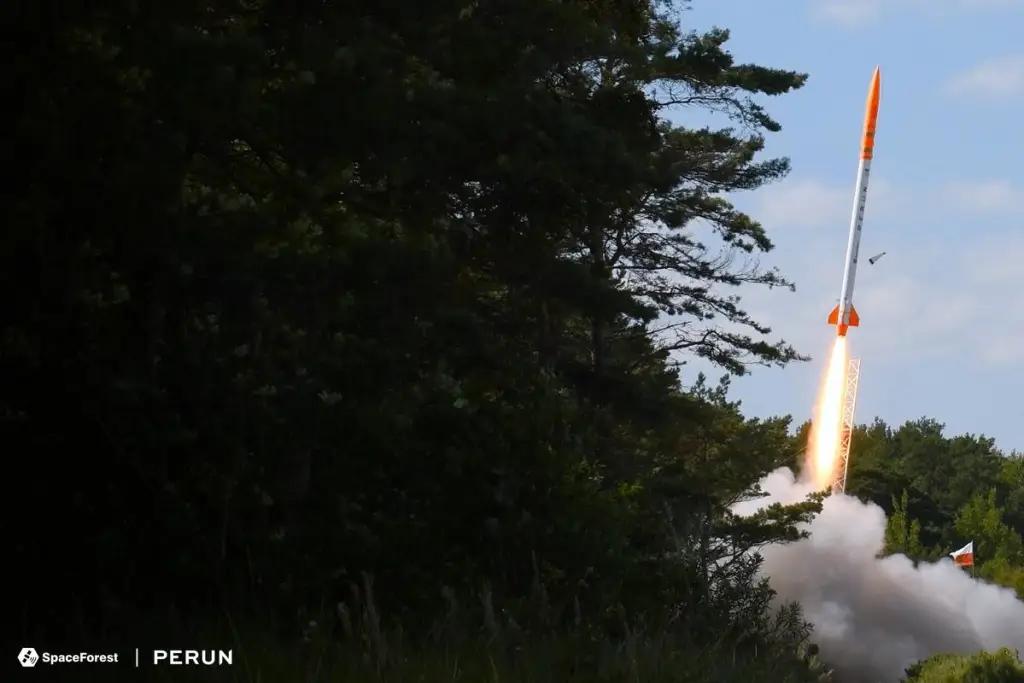
Polish startup SpaceForest has successfully completed the fourth test flight of its Perun suborbital rocket, marking a shift toward full-scale system development.
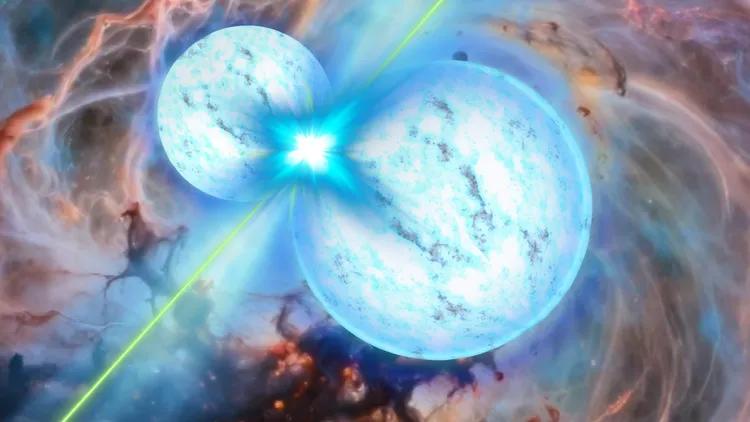
Astronomers analyzed a unique 10-minute X-ray burst from a six-billion-year-old event, suggesting the formation of a magnetar following a neutron star collision.