

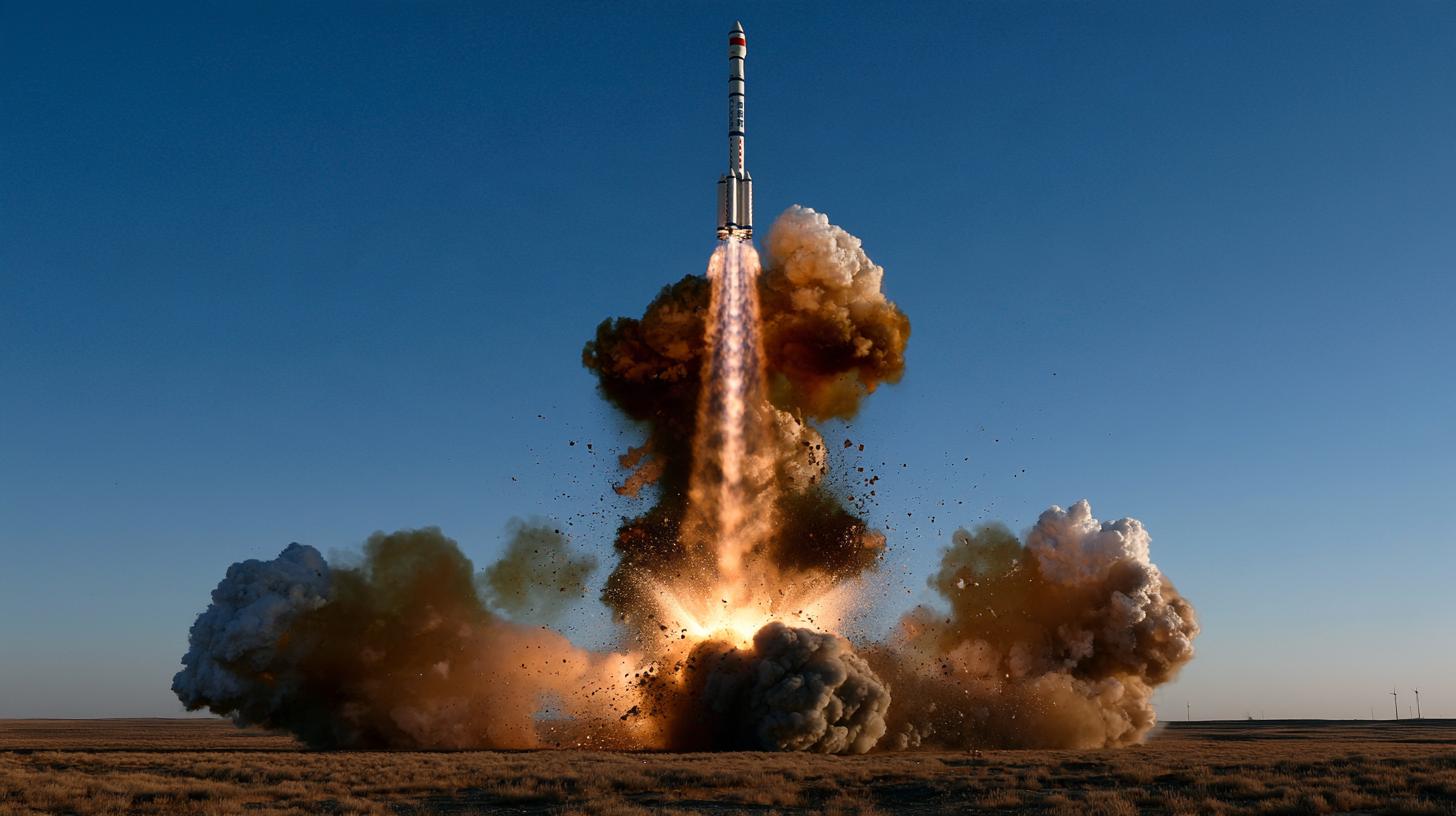
Japan is launching a strategic initiative to boost its annual space launch frequency to 30 missions by 2030. To support this goal, the Ministry of Economy, Trade and Industry plans to expand infrastructure at four key spaceports, enabling simultaneous launch operations.
The expansion targets two JAXA-managed facilities, Uchinoura and Tanegashima, alongside private sites in Hokkaido and Kii, operated by Space Cotan and Space One. Currently, each location is limited to a single launch pad, which restricts the capacity for parallel mission scheduling.
To fund this development, the government has requested ¥76 billion, approximately $480 million, in the upcoming fiscal year budget. Tokyo views the enhancement of domestic launch capabilities as a critical driver for economic growth and future international satellite services.
Between 2015 and 2024, Japan successfully orbited 130 satellites, but only 65 of these were launched from domestic territory. The remainder relied on foreign partners, primarily US launch providers, highlighting the current dependency on external infrastructure compared to the self-reliance of nations like China and Russia.



