Google Enables Private Distribution for AI-Generated Android Apps
Google is enabling users to build native Android apps via AI Studio and distribute them privately through the Play Store's internal testing track, limited to 100 testers.

Google is enabling users to build native Android apps via AI Studio and distribute them privately through the Play Store's internal testing track, limited to 100 testers.

Fintech companies are adopting a minimalist interface design centered on user balance, while a new cross-border messenger app has launched in the Russian market.

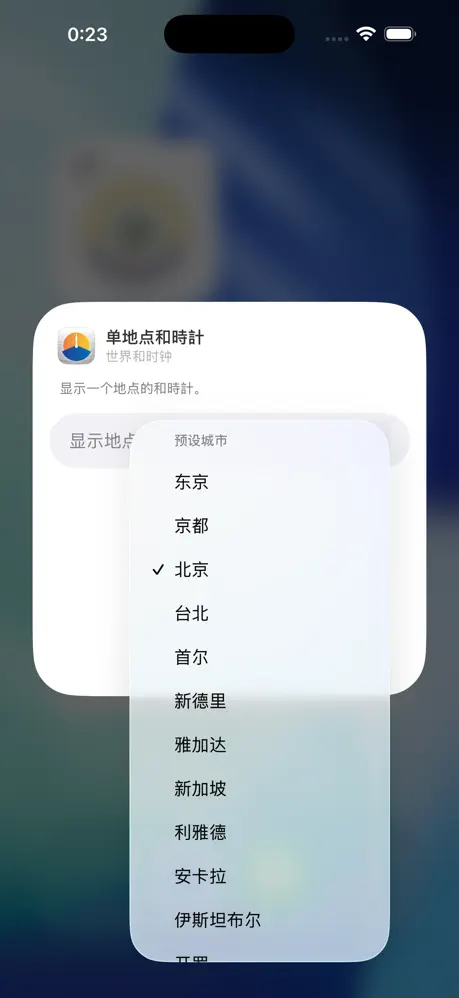
The World and Clock app, inspired by traditional Japanese Edo-period timekeeping, has launched its latest version on iOS and expanded to Android devices.

Meta’s AI assistant Muse has surpassed 6.6 million downloads and reached 1.8 million daily active users since its September 2026 launch.

Google Gboard users report a persistent bug where the Shift key fails to toggle uppercase letters, primarily affecting Pixel and Xiaomi devices.

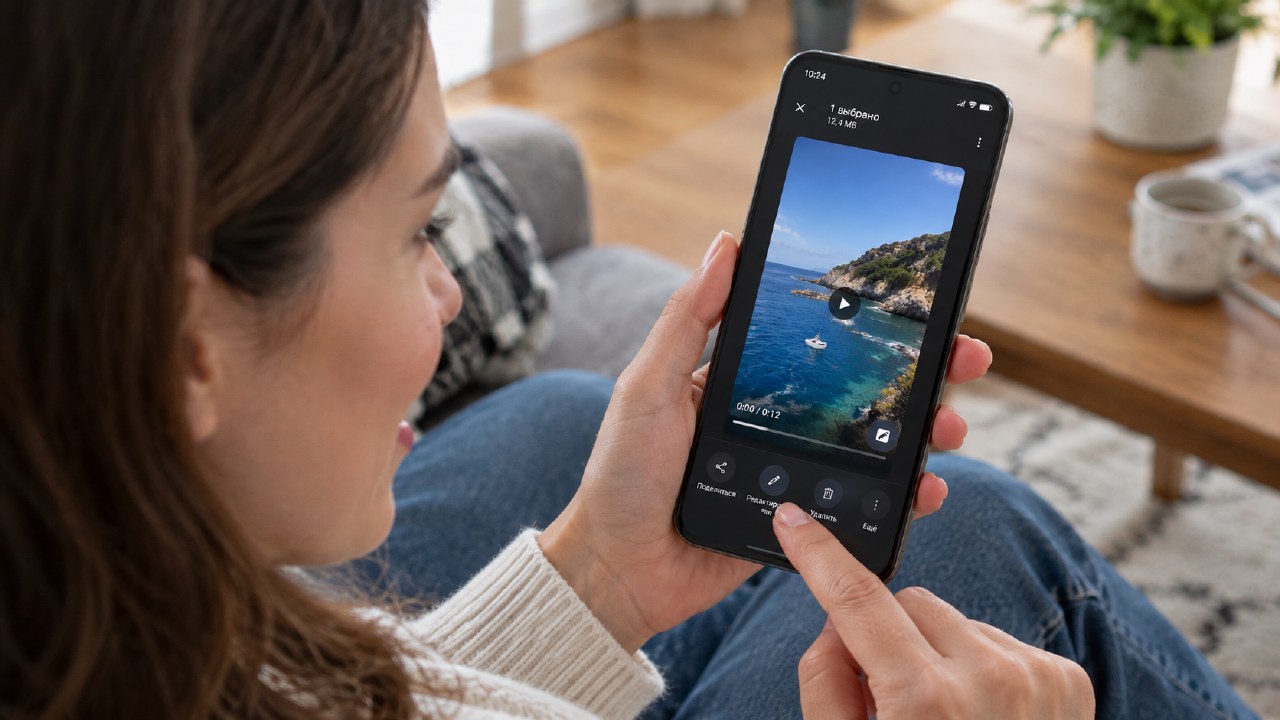
Google Photos has updated its interface with a dedicated quick-edit button for videos, enabling users to trim and modify clips directly from the sharing menu.

AI startups Cal AI and Rork have demonstrated rapid growth and successful exits or funding rounds by addressing specific user pain points through automated development and AI integration.

Google has implemented mandatory registration and a $25 fee for Android developers distributing apps outside the Play Store, citing security as the primary reason for the policy change.

Meta’s AI agent Muse reached 5 million downloads in 22 days, but the company now faces challenges in maintaining daily user engagement.

Yandex and its Alice assistant have reached 13th place in the global ranking of generative AI mobile apps, according to the latest report by Andreessen Horowitz.

RuStore has introduced traffic source analysis in its developer console to help track user acquisition channels and geographic distribution.
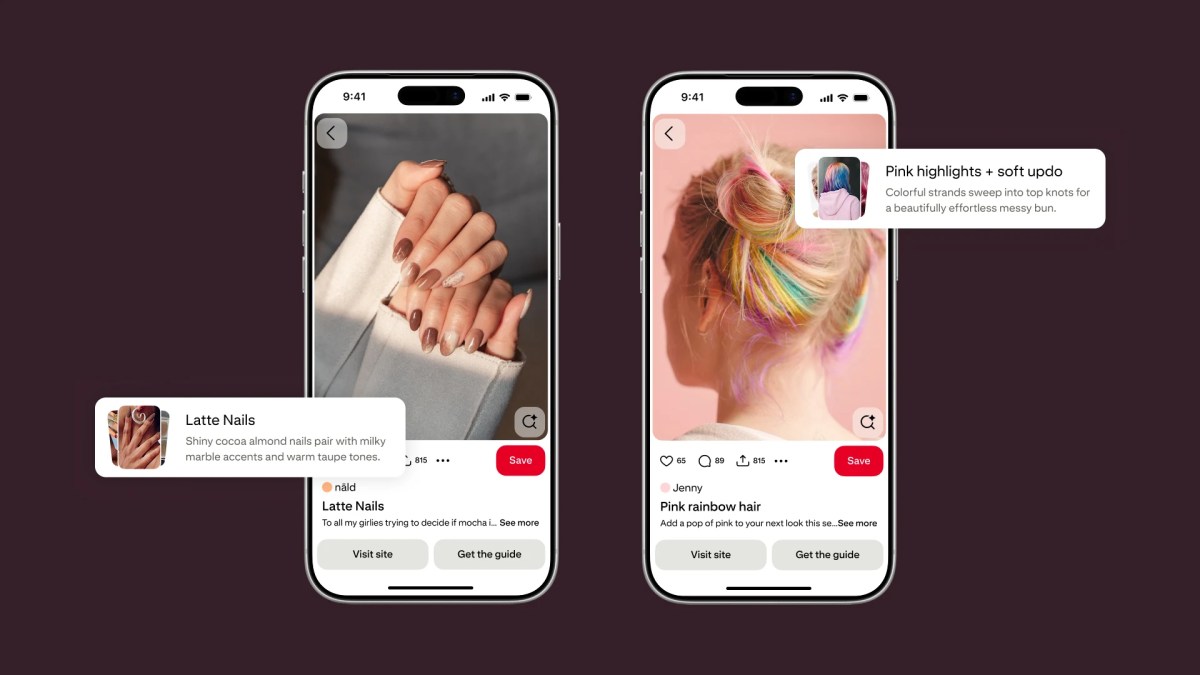
Pinterest has launched an AI-powered feature that converts beauty-related Pins into actionable plans, providing users with professional terminology, time estimates, and cost ranges for salon visits.

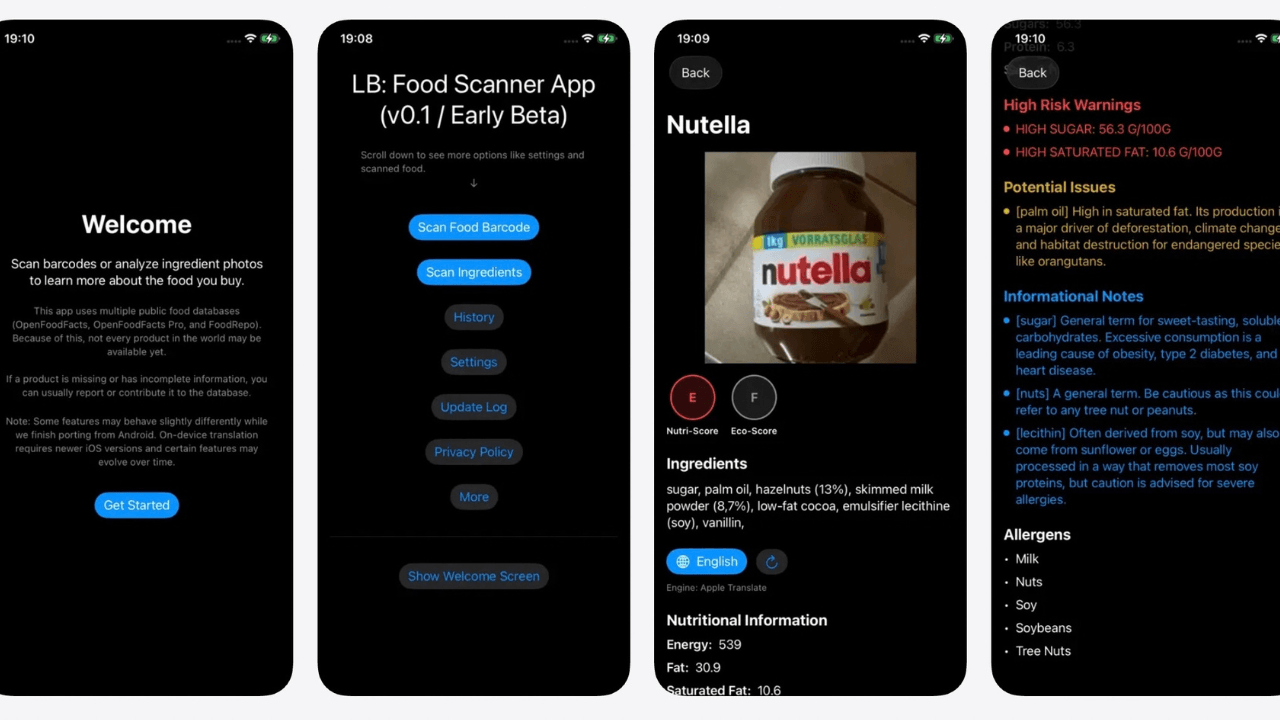
Nineteen-year-old developer Bálint László has released LB: Universal Scanner, a privacy-focused app that identifies allergens by scanning barcodes and ingredient labels.

Meta’s AI agent Muse reached 5 million US downloads in 22 days, significantly outpacing the adoption rates of ChatGPT and Grok.

A joint study by RuStore and Nauka Mail indicates that nearly half of Russians can only go without their smartphones for a few days, with communication being the most critical feature.
Aeroexpress reports over 8,000 installations of its PWA application, enabling offline ticket access for train and bus passengers.
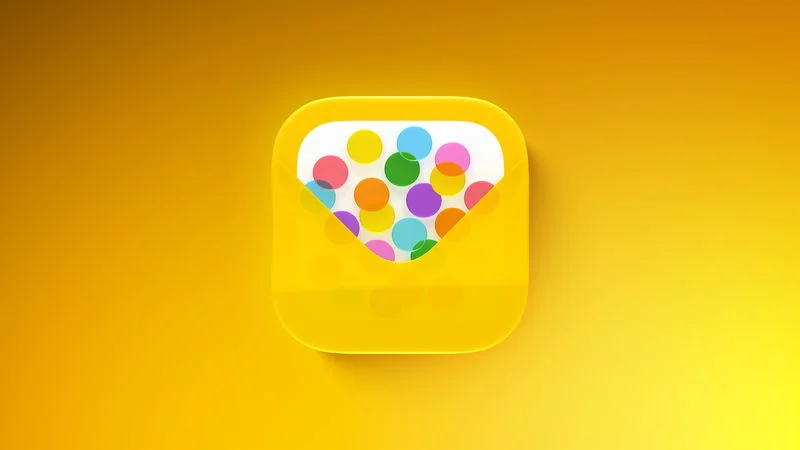
Apple has updated its Invites app to version 1.12.0, enhancing photo sharing capabilities, adding photorealistic background generation, and simplifying the email verification process for guests.

Estonian AI startup bilt.me has raised $700,000 in pre-seed funding to scale its native mobile app development platform.

LexisNexis Risk Solutions and IMS have launched a smartphone-based tracking system to monitor driving behavior and assist insurers with claims assessment.

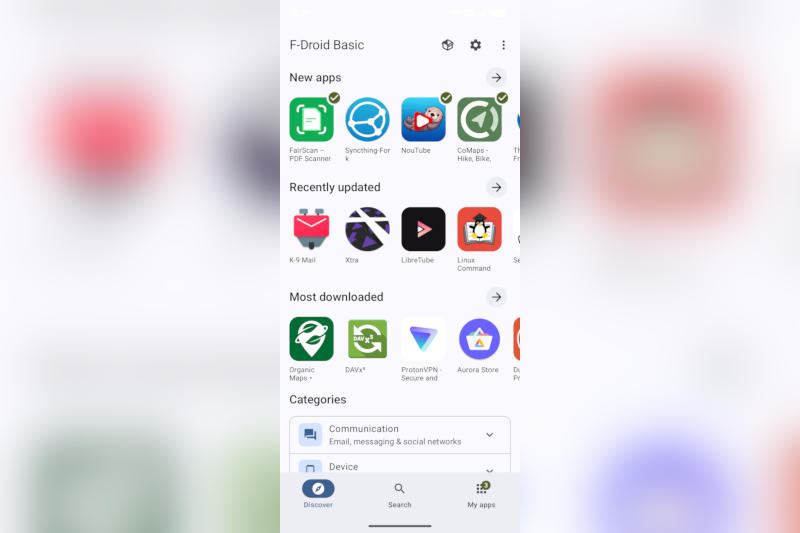
F-Droid is launching its largest update in ten years, featuring a redesigned interface and new installation tools to counter Google's restrictive policies on third-party Android apps.