The Potential and Challenges of eSIM Integration in Handheld Consoles
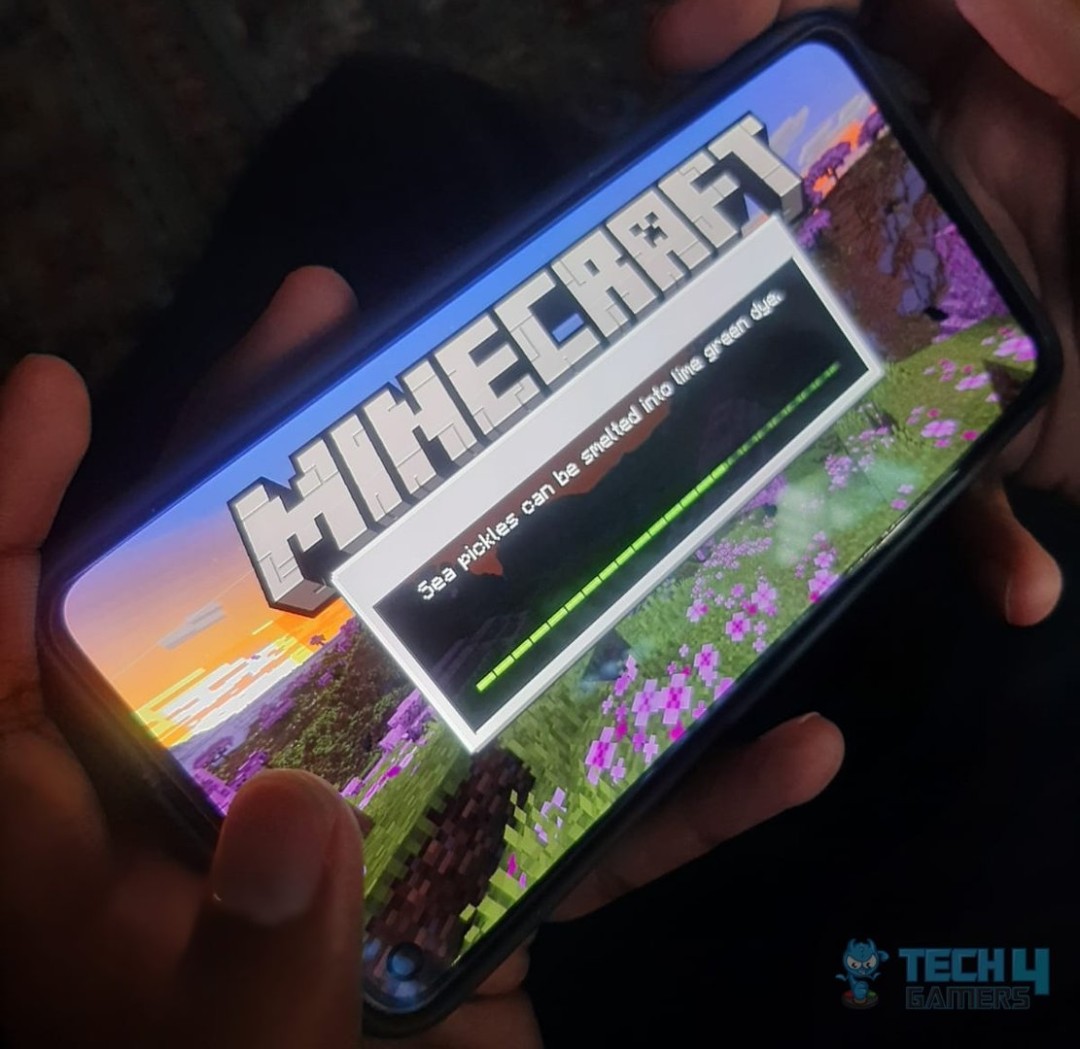
Integrating eSIM technology into handheld gaming consoles could streamline mobile connectivity, though network quality and hardware costs remain significant hurdles.

Integrating eSIM technology into handheld gaming consoles could streamline mobile connectivity, though network quality and hardware costs remain significant hurdles.

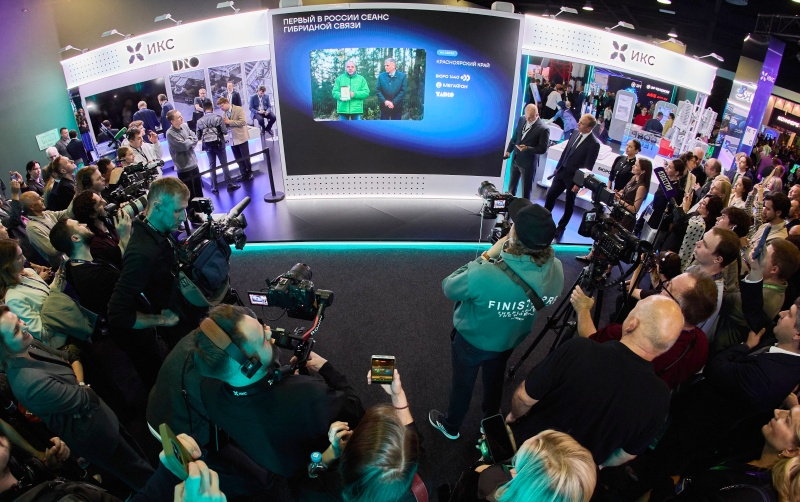
MegaFon, Bureau 1440, and Yadro have demonstrated Russia's first hybrid mobile network, linking terrestrial base stations with low-Earth orbit satellites to provide connectivity in remote areas.

Huawei is expanding its multi-device communication sharing feature to more smartphones, tablets, and PCs, following its debut on the Mate 90 series.

MegaFon and Bureau 1440 have successfully tested hybrid satellite-terrestrial communication, enabling high-speed data transmission in remote areas without ground infrastructure.
Xiaomi has introduced full Apple ecosystem compatibility for its HyperOS 4 system, enabling AirDrop-like file transfers, notification syncing, and cross-device screen mirroring.

Huawei is launching a multi-device communication sharing feature on its Mate 90 series, capable of reducing video call stuttering by 90 percent.

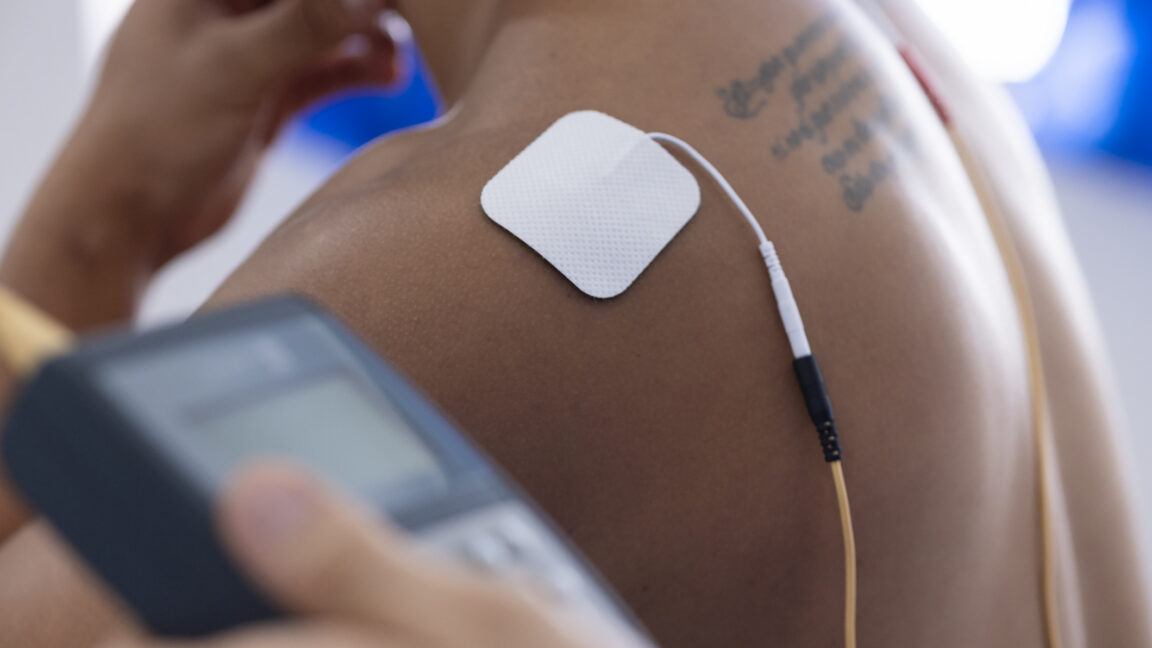
Georgia Tech engineers have developed an ionic-based communication system for medical implants that offers 15 times longer battery life and better tissue penetration than Bluetooth.

Copenhagen-based IoT infrastructure firm Onomondo has raised over €100 million in a round led by Aspirity Partners to scale its global operations.

MTS has launched a new LTE base station in the village of Ust-Ivanovka, increasing mobile internet speeds by 30% and enabling VoLTE support for local residents.
Beeline's multisym solution topped the CNewsMarket ranking of Russian multi-SIM technologies, scoring 455 points for its channel aggregation and management capabilities.
Bureau 1440 has successfully tested its low-orbit satellite internet system in the Arctic, providing remote voting access to residents of a village in the Nenets Autonomous Okrug.

The UK's ARIA agency has invested $94 million into 18 projects focused on high-altitude pseudo-satellites to provide mobile and internet connectivity from the stratosphere.

Silkland and ELECOM have launched the first certified Ultra96 HDMI 2.2 cables, offering 96 Gbps bandwidth for future display hardware.

Korean Air has become the first full-service airline in East Asia to provide free, unrestricted Starlink satellite internet to passengers across all cabin classes.

Silkland has launched the H96 series, the first HDMI Ultra96 certified cables, supporting 96 Gbps bandwidth and resolutions up to 16K with prices starting at $33.

Rostelecom has deployed a radio-relay base station in the remote village of Cheremushki, providing mobile connectivity to 500 residents without the need for fiber-optic cables.

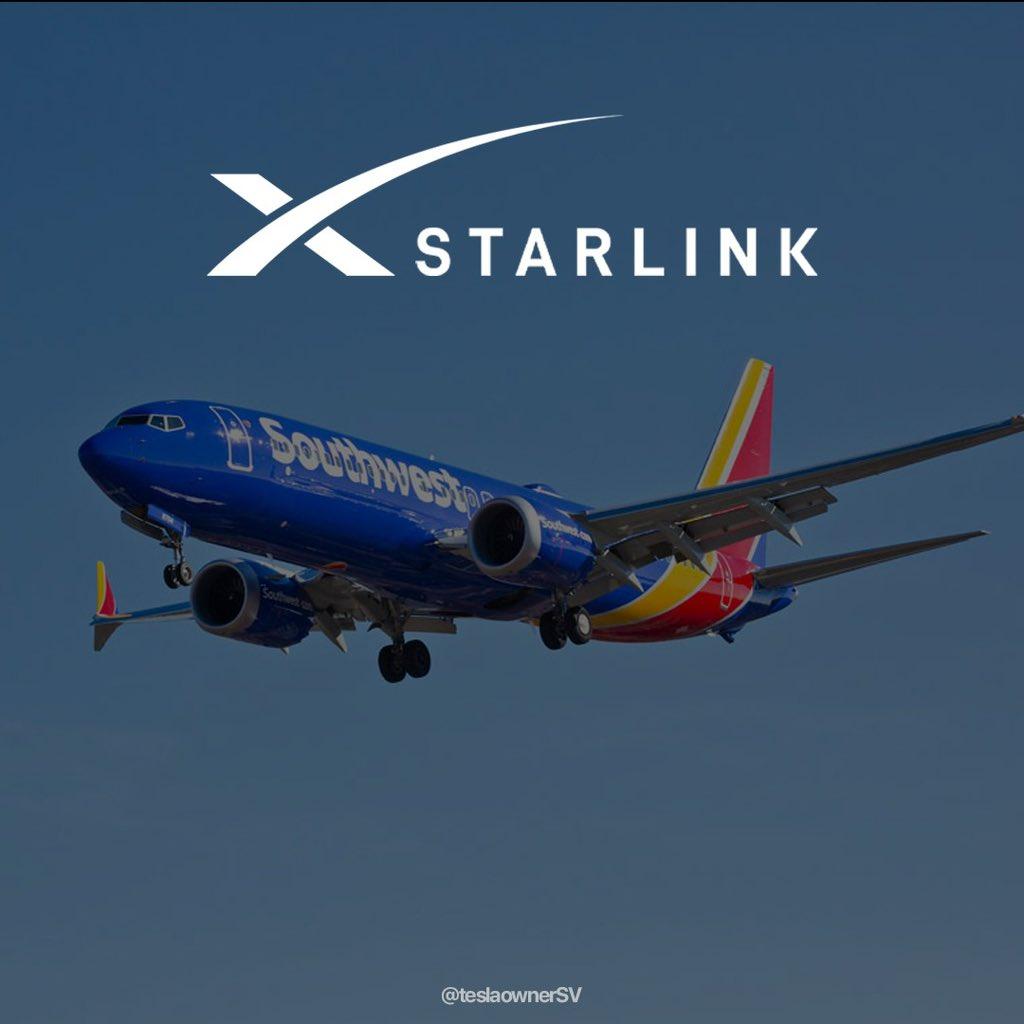
Southwest Airlines is rolling out Starlink satellite internet across its fleet, with plans to equip over 300 aircraft by the end of 2026.