EVEDEX Unveils Tokenomics and Governance Model for EVE
Hybrid exchange EVEDEX has detailed the tokenomics for its EVE token, featuring a 100 million fixed supply, a retroactive airdrop for early users, and a non-transferable staking model.

Hybrid exchange EVEDEX has detailed the tokenomics for its EVE token, featuring a 100 million fixed supply, a retroactive airdrop for early users, and a non-transferable staking model.

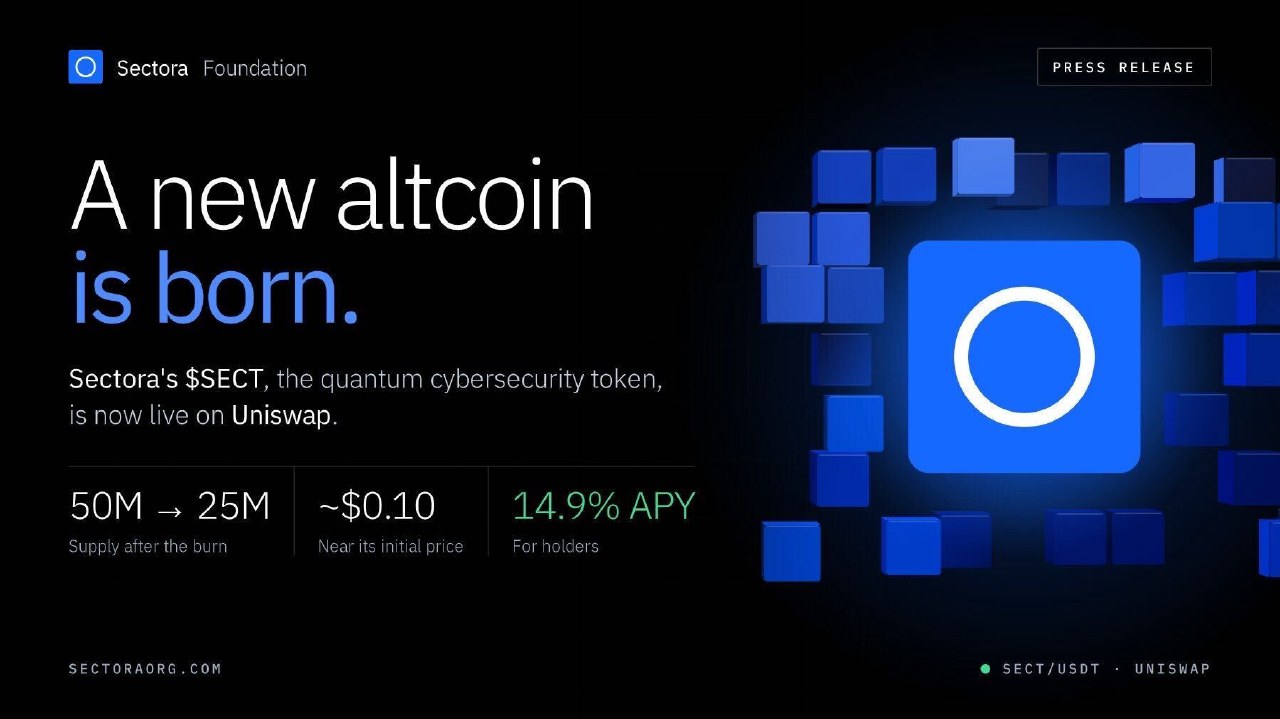
Sectora Foundation has entered the final testing phase for four new products while maintaining the availability of its SECT token on the Uniswap decentralized exchange.

DeFi protocol Alchemix has released a transparency filing detailing its governance, tokenomics, and financial results following the launch of its v3 update.

Filecoin will reduce its annual token issuance by approximately 75% after the six-year vesting period for Protocol Labs and the Filecoin Foundation ends on October 15, 2026.

NEAR Protocol returned to the top 20 crypto assets after an 83% price surge, fueled by the launch of a spot ETF and strong cross-chain trading volume.

Synthetix founder Kain Warwick warns that HYPE token holders lack the legal protections of traditional equity and questions the sustainability of Hyperliquid's fee-sharing model.

Aptos Foundation will lock 210 million APT tokens for indefinite staking to fund operations, moving away from treasury sales as part of a major tokenomics overhaul.

Bitwise and Sovereign executives suggest that NEAR is entering a new phase of value accrual driven by fundamental growth in Intents and proposed reductions in token inflation.

Hyperliquid is launching a new buyback mechanism for its HYPE token, utilizing USDC yield alongside trading fees to reach an estimated annual capacity exceeding $900 million.

NEAR Protocol is considering a proposal to reduce its maximum annual token issuance from 2.5% to 1.6% over two years, potentially keeping 66 million tokens out of circulation.

Kinetiq has replaced its kPoints rewards program with a paid claim event, allowing holders to purchase 50 million KNTQ tokens at $0.26 each.

Venice.ai has reduced its annual VVV token emissions to 2 million as part of a deflationary strategy, following a $65 million Series A round at a $1 billion valuation.

Aave founder Stani Kulechov is considering a transition from token buybacks to a permanent burn mechanism to reduce supply and enhance value for AAVE holders.

Pendle Finance has reduced annual token emissions by 92% and implemented a buyback program that repurchases ten tokens for every one minted, following a major tokenomics overhaul.

The Avalanche Foundation has introduced a new economic framework to sustain network security and value accrual for AVAX as staking rewards from the genesis allocation decline.

Aptos has introduced a 2.1 billion APT hard cap, halved staking rewards, and increased gas fees tenfold to reduce token supply through permanent burns.

The Hashcats NFT project faces a slowdown in minting activity, impacting the buyback mechanism that has already burned 41.3% of the HASH token supply.

ApeX Protocol has corrected its token data, confirming a fixed supply of 500 million APEX tokens with no further unlocks scheduled.

Wormhole Labs has brought the PEAQ token to Solana via the Sunrise gateway, as the peaq network implements a new economic model requiring 3,3 million machines to bond tokens.

The Linux Foundation's Tokenomics Foundation has launched the Big-T Notation framework to help developers manage and predict token costs in AI agent systems.