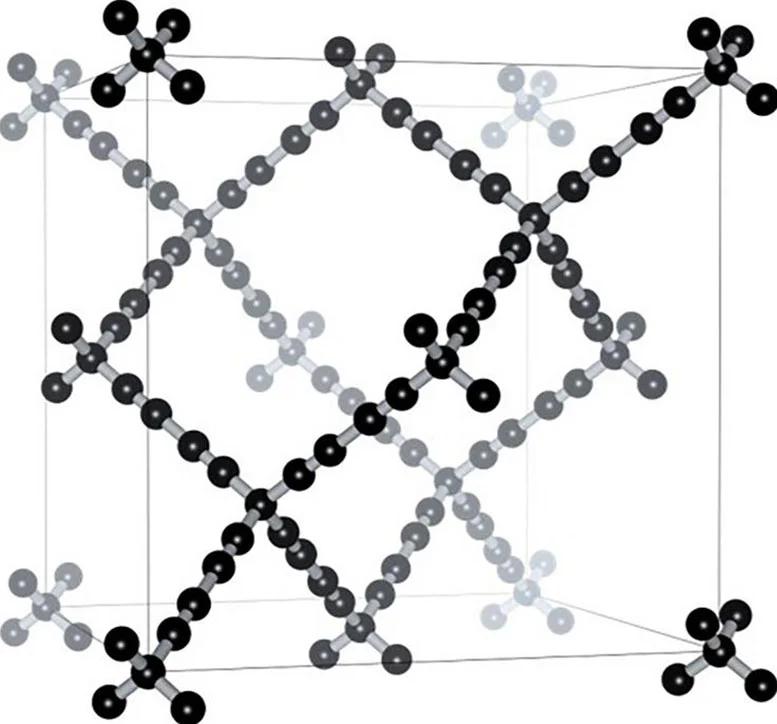
Diamondiyne: A New Carbon Allotrope Synthesized After 35 Years
Scientists at the University of Gothenburg have synthesized Diamondiyne, a new carbon allotrope that has remained a theoretical concept for 35 years.

Scientists at the University of Gothenburg have synthesized Diamondiyne, a new carbon allotrope that has remained a theoretical concept for 35 years.

Matter Machine has raised £4 million in a pre-Series A round, with former Oxford Nanopore CEO Gordon Sanghera joining the AI-focused materials discovery startup.

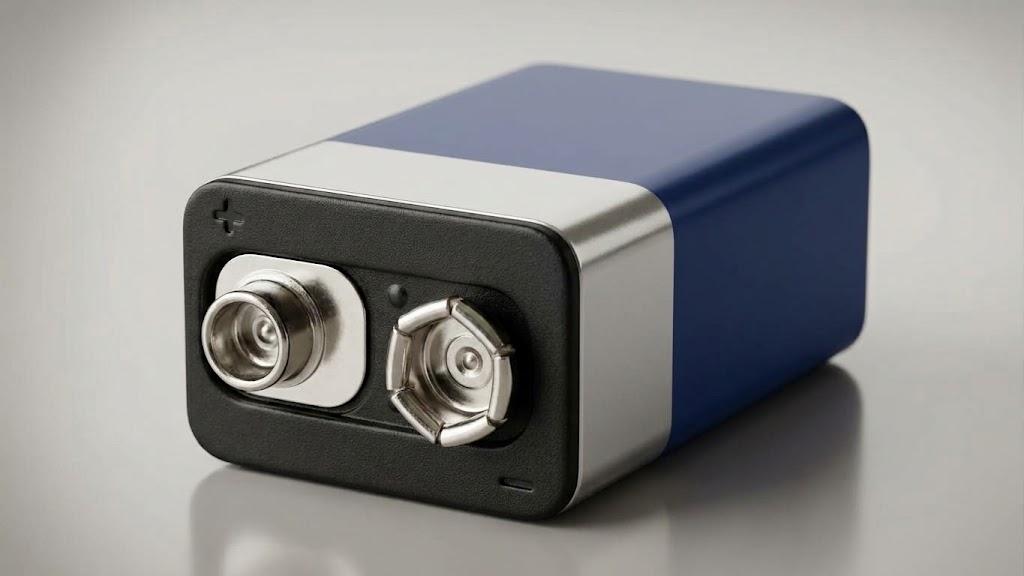
Researchers have increased battery power density by 80% by adding wireless metal electrodes to the electrolyte, improving charge transfer and reducing internal resistance.

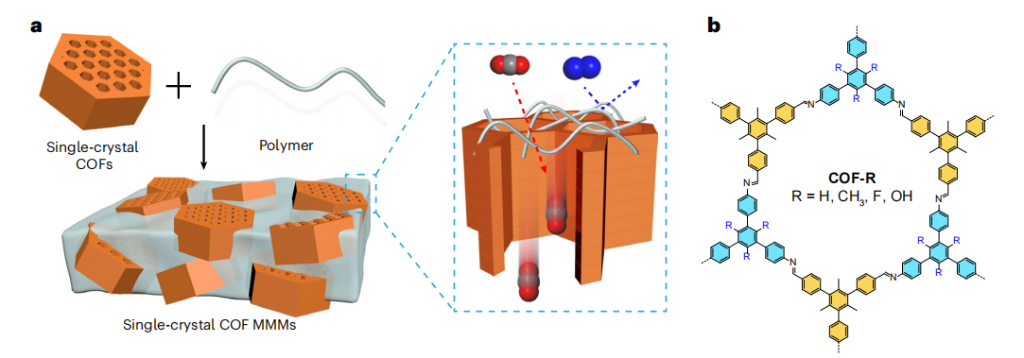
Tianjin University researchers developed a high-performance carbon capture membrane with a 75.5% COF filler content, reducing capture costs to $38 per ton.

More than 90 Claude Opus 5.5 agents identified two potential spintronic memory materials in three days, including a compound synthesized back in 1999.

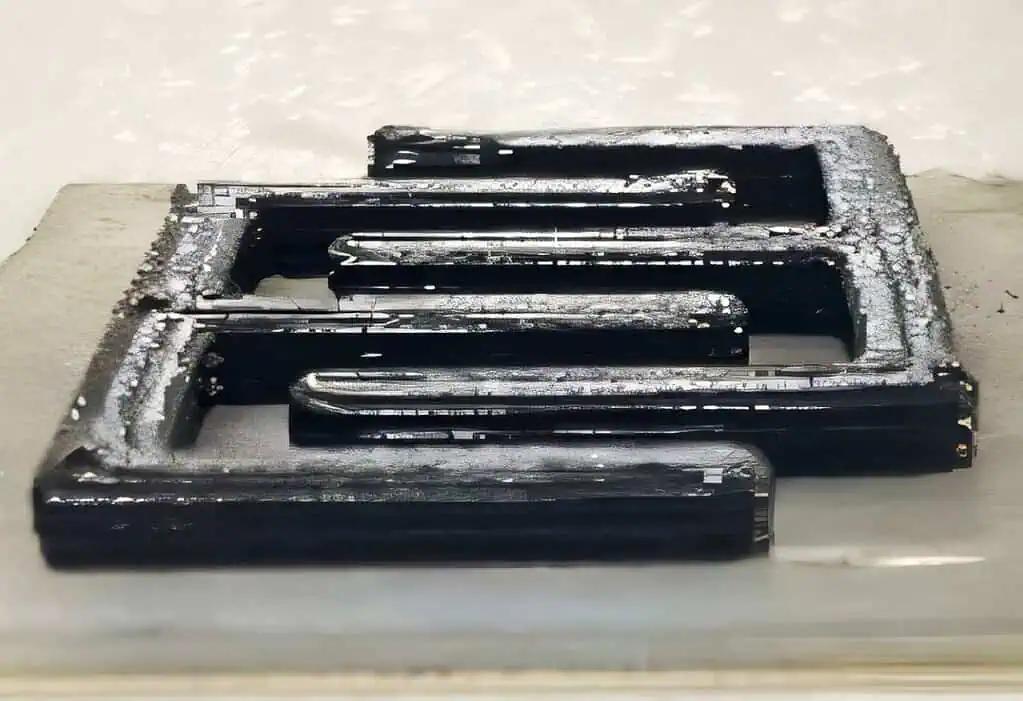
Chinese engineers have developed a 3D-printed concrete slab that integrates a supercapacitor, capable of storing energy while maintaining structural load-bearing capacity.

Researchers in Hong Kong have developed a 3D-printable bio-material using yeast and gelatin to facilitate construction on Mars and reduce reliance on Earth-based supplies.

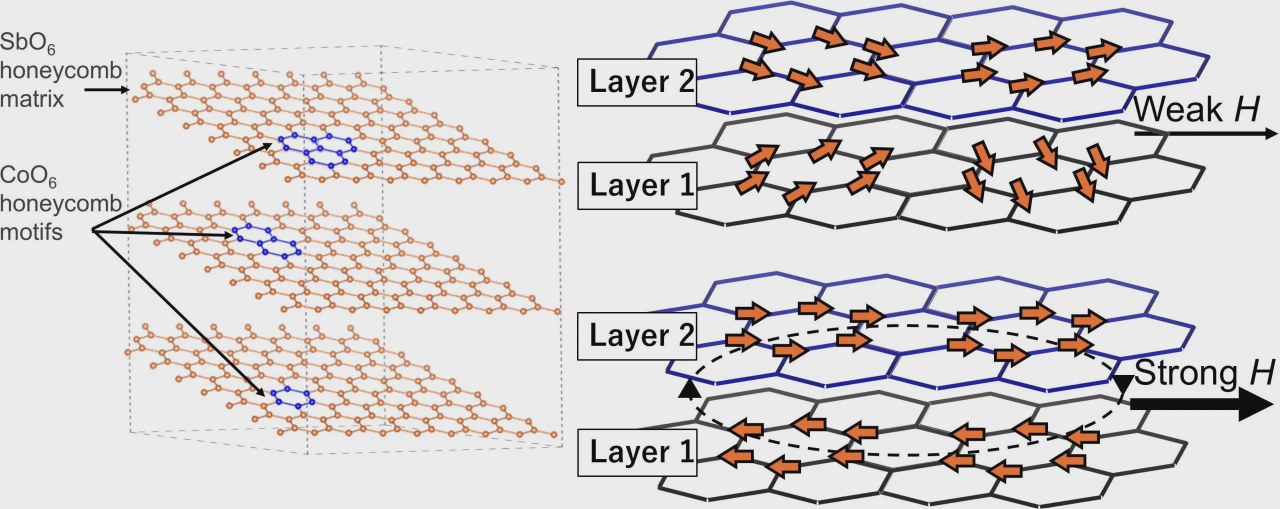
Osaka University researchers created a cobalt-based honeycomb magnetic structure, offering a cost-effective alternative to rare-earth materials for quantum research.

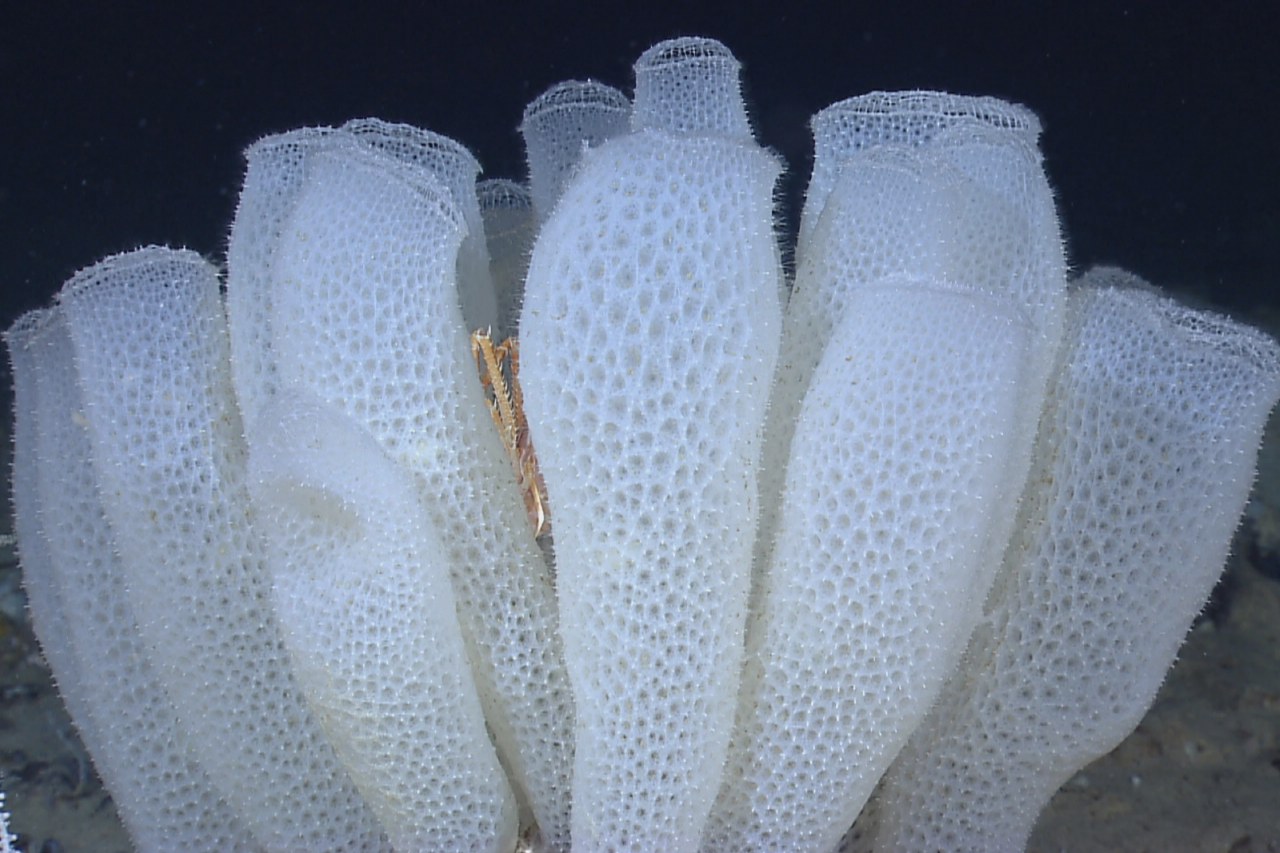
Researchers have developed a new metamaterial design method inspired by deep-sea glass sponges, achieving a 140% increase in critical buckling load while improving fluid performance.

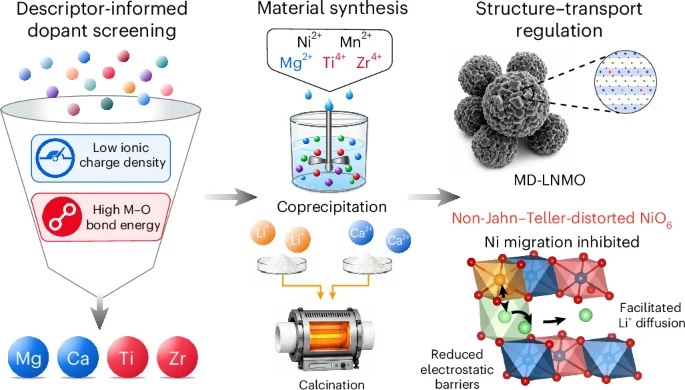
Researchers have developed a new design strategy for lithium-ion battery cathodes using trace elements to boost charging speed and structural durability.

Researchers from MIPT and Sichuan University have introduced SWNN, a method that reconstructs 3D models of porous materials from a single 2D image using neural networks and the Wasserstein distance.
Researchers from Tomsk and Sevastopol have created a two-stage recycling method that turns old solar panels into silicon carbide for power electronics.
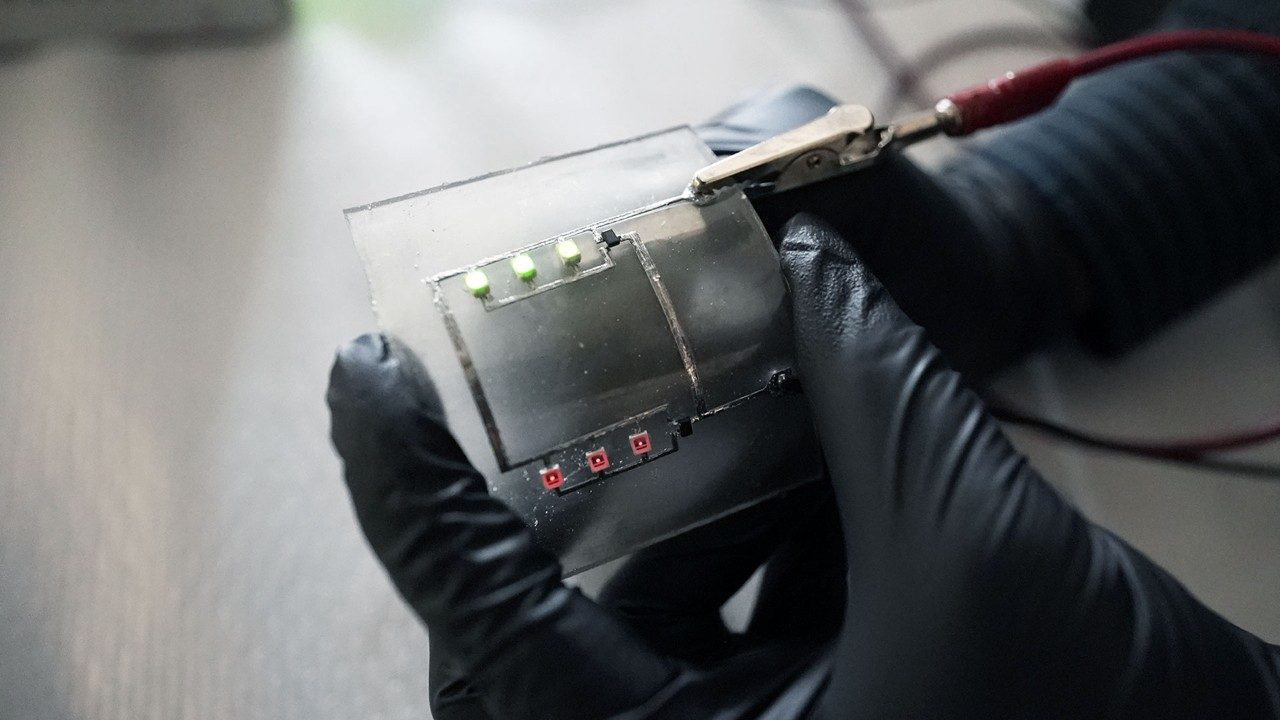
Virginia Tech researchers have created a 3D-printable liquid metal composite that boosts thermal conductivity by 40 times and enables self-healing electrical circuits.

Researchers at North Carolina State University have created a battery-free soft micro-robot that uses infrared light to perform continuous jumps.

Rosatom is leveraging AI to accelerate material development for nuclear reactors and carbon fiber production, aiming to launch an automated synthesis complex in 2026.

Researchers at the University of Nebraska-Lincoln have confirmed that hafnium oxide acts as a stable antiferroelectric material at 0.6 nanometers and temperatures up to 850 degrees Celsius.

Researchers at Vanderbilt and Maryland universities have developed a lithium-sulfur battery chemistry that achieves an estimated energy density of 477 Wh/kg by utilizing a three-electron reaction.

NASA researchers have utilized X-ray microtomography and AI to observe the internal degradation of spacecraft heat shields at 900 degrees Celsius in real time.

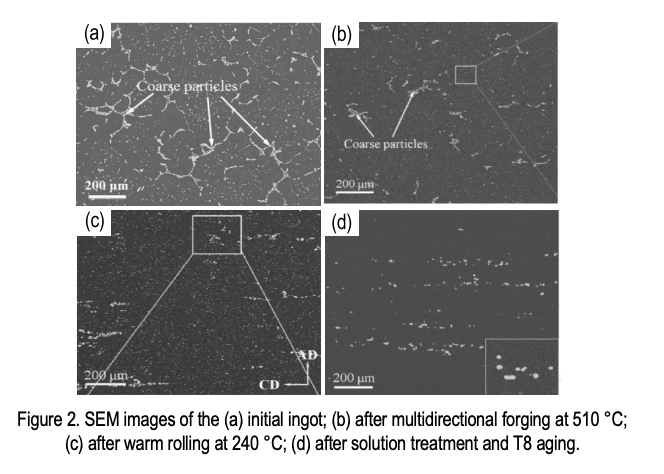
NASA has released new manufacturing guidelines for aluminum alloy 2219, emphasizing the necessity of homogenization and multidirectional deformation to ensure structural integrity in aerospace applications.

Researchers at Tomsk Polytechnic University have introduced a mechanical surface treatment method that increases the luminescence efficiency of ceramic materials by up to 4%.