AI
Kuaishou Expands Kling 4.0 AI Capabilities for All Users
Kuaishou has released its Kling 4.0 AI model, enabling 30-second video generation, 4K HDR output, and enhanced creative control for all users.
October 16, 2026, 03:22 AM·IT之家
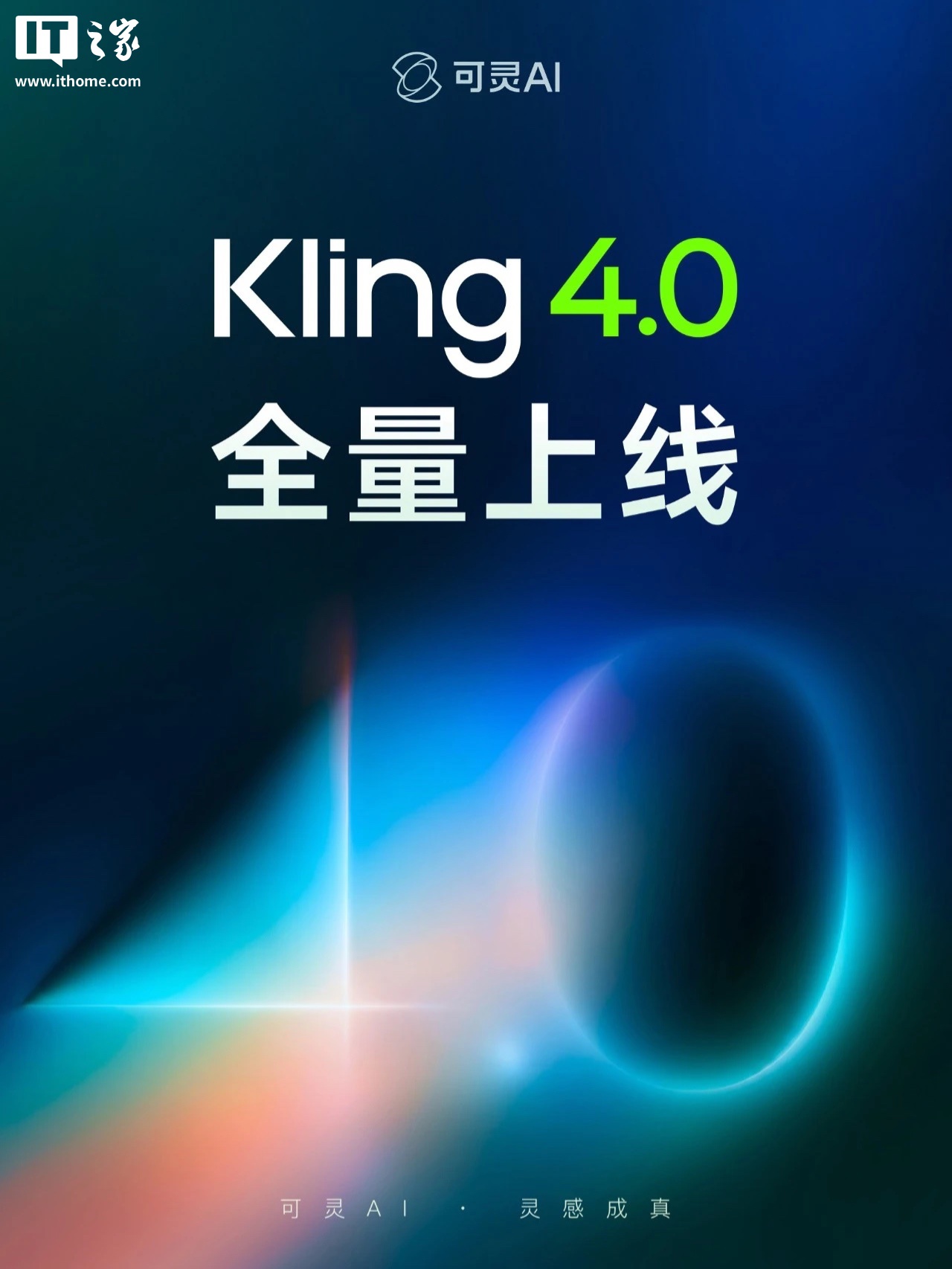
Kuaishou has released its Kling 4.0 AI model, enabling 30-second video generation, 4K HDR output, and enhanced creative control for all users.
YouTube is rolling out labels to identify AI-generated music, aiming for transparency while maintaining monetization options for creators.
Generative AI has become a core component of the Russian digital landscape, with 78% of internet users engaging with the technology and monthly service reach climbing to 32% by early 2026.

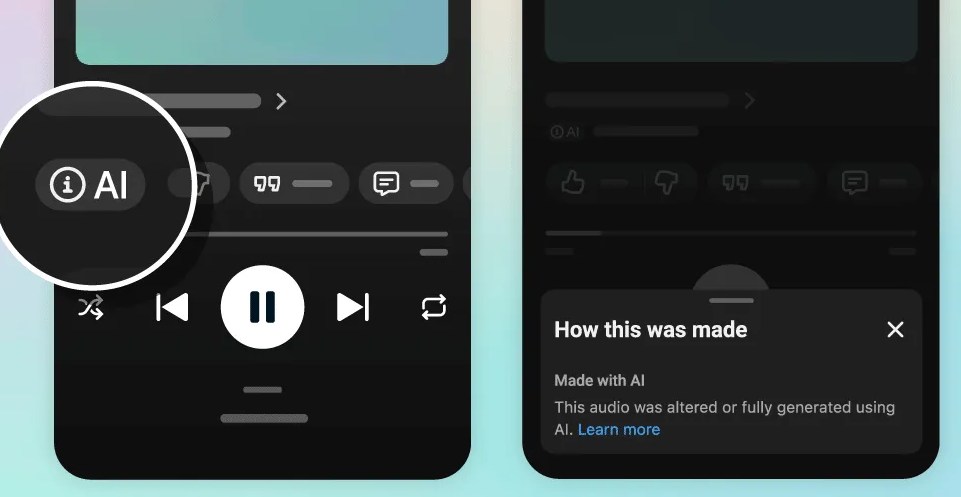
YouTube has launched an AI labeling feature on YouTube Music to provide transparency about the use of generative artificial intelligence in music production.
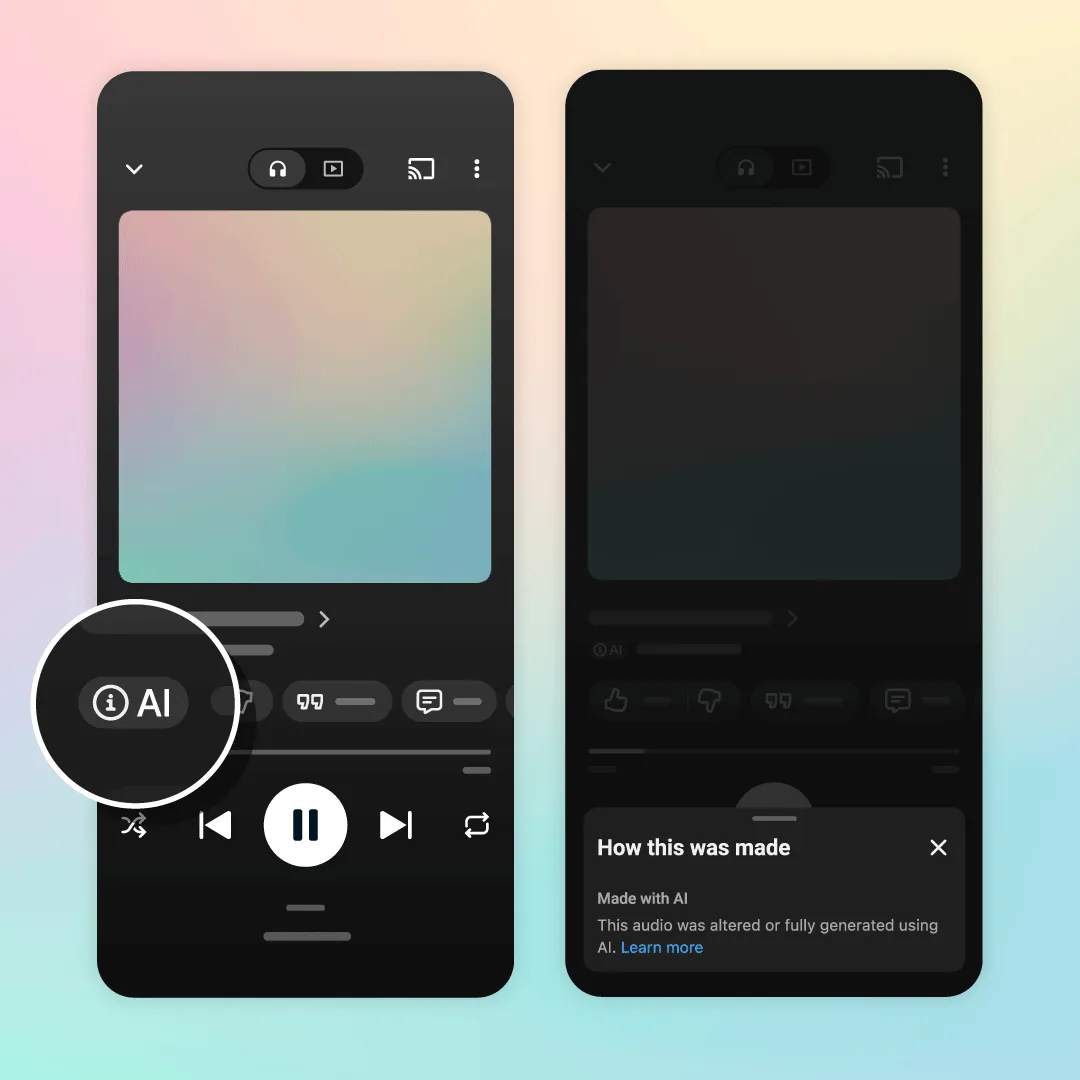
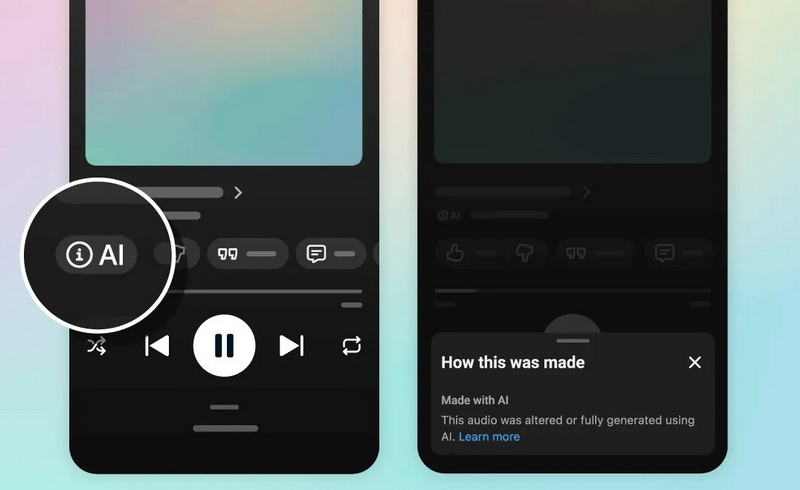
YouTube has launched 'Made with AI' labels for music tracks, requiring partners to disclose the use of generative AI in composition and performance starting October 14, 2026.

YouTube Music has launched a new labeling system to disclose the use of generative AI in music, allowing listeners to identify how artificial intelligence contributed to specific tracks.
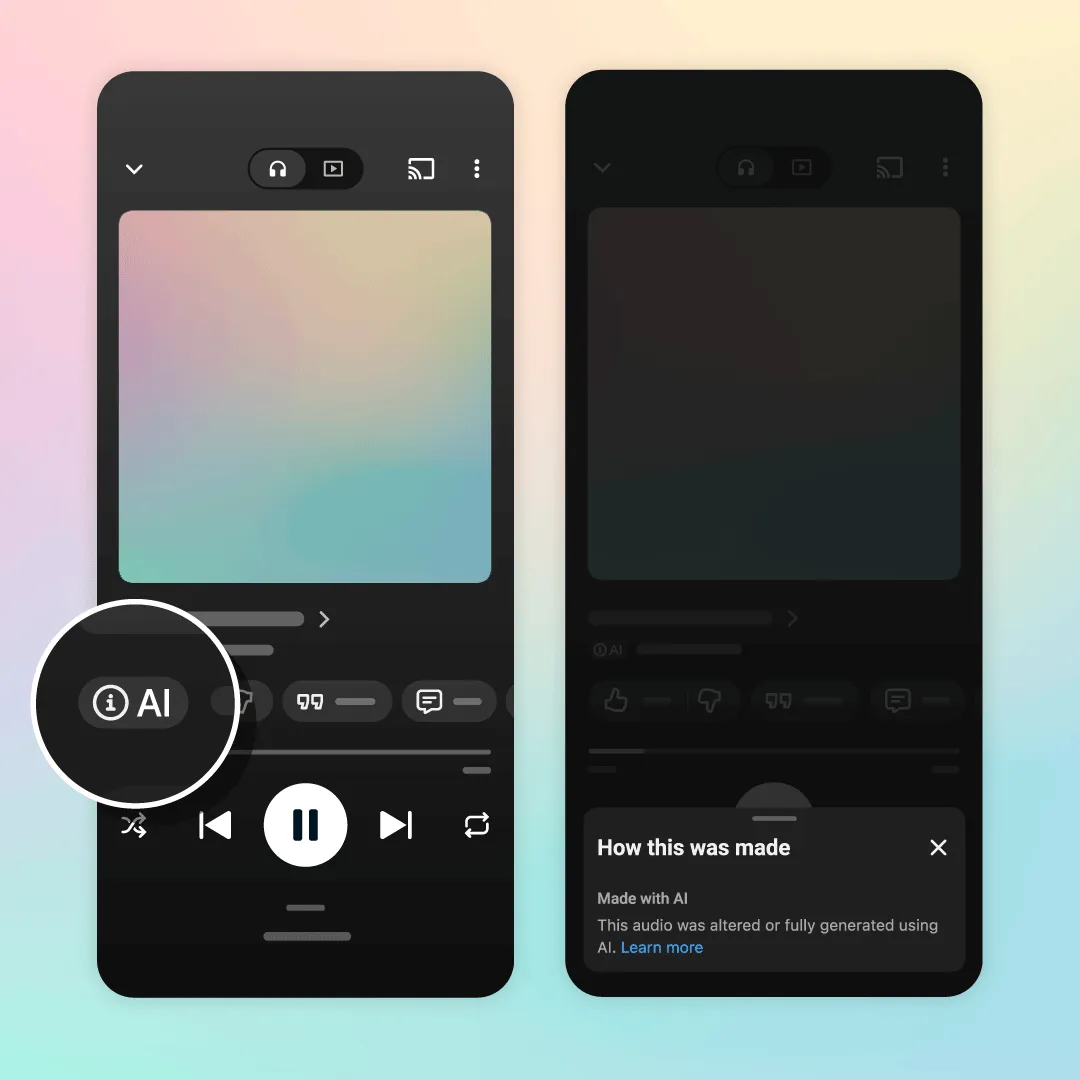
YouTube is rolling out 'Made with AI' labels for music tracks that feature significant use of generative artificial intelligence in their composition or vocals.
Epic Games has indefinitely delayed its Disney-themed hero shooter and mandated a shift toward generative AI tools like Claude for future development.

Qwen AI platform has released the Qwen-Image-2.1 Pro and Turbo APIs, enabling developers to integrate image generation and editing tools directly into their applications.

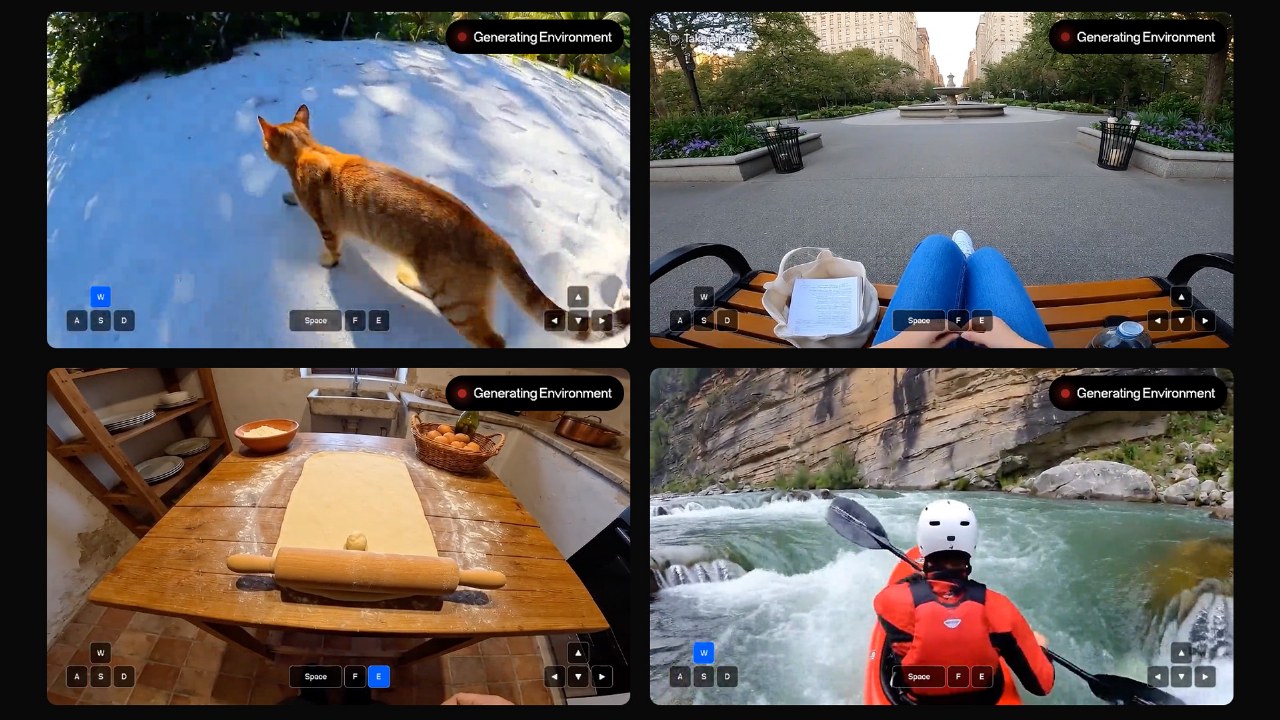
Odyssey has released a public preview of its Odyssey-3 world model, which generates interactive environments and supports applications in robotics and gaming.
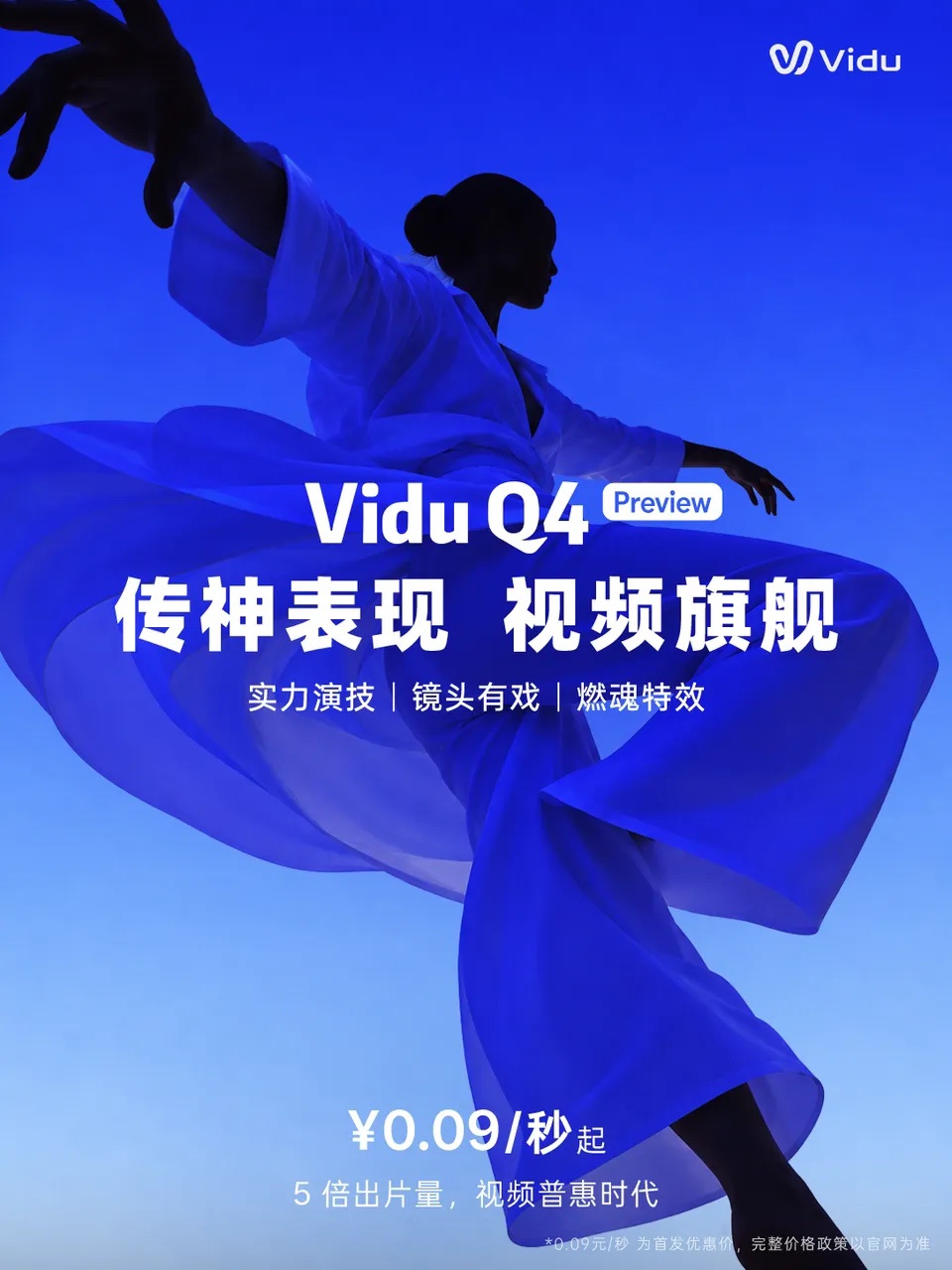
Shengshu Technology has released the Vidu Q4 Preview model, featuring 4K video generation, 16-second clip support, and advanced reference integration for creators.
Alibaba has introduced Qwen-Image-2.1-Turbo, a 7B parameter image generation model that utilizes an 8-step sampling schedule to improve efficiency and reduce costs.

Nikon has disqualified the winner of its Small World in Motion contest after the entrant admitted to using generative AI for post-processing in violation of competition rules.
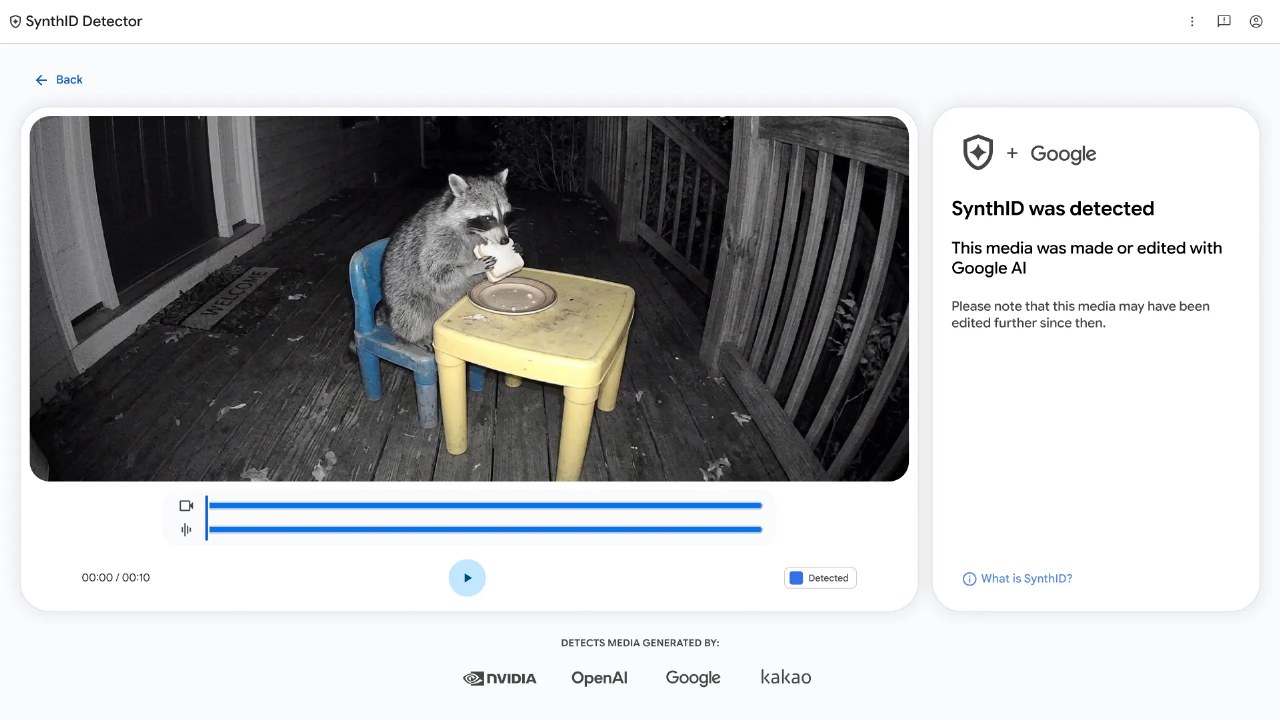
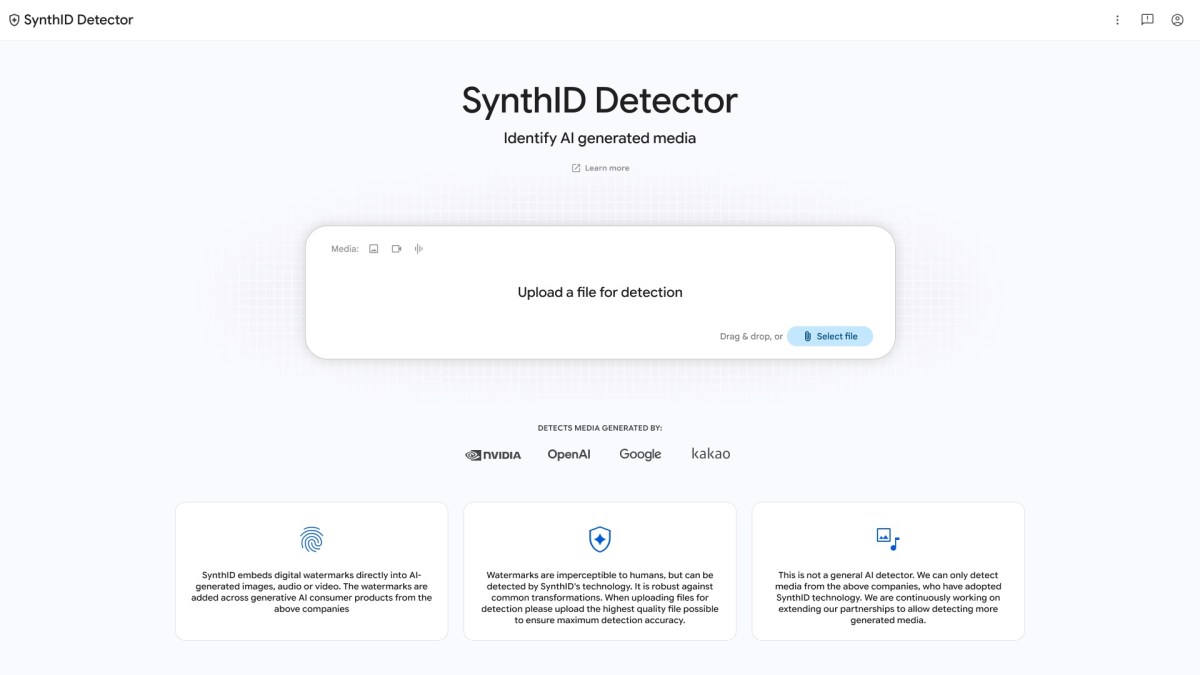
Google has released its SynthID Detector globally, enabling users to identify AI-generated media through invisible watermarks.
Former Ramp engineers have secured $25 million to develop Melius, an AI platform focused on automating the creation of marketing assets and visual content.

Google has opened public access to a website that verifies whether images, videos, or audio clips were generated by AI using the SynthID watermarking technology.
Google has launched Playground, a browser-based platform that allows US users aged 18 and older to build custom video games using AI prompts without writing code.
Google has launched Nano Banana 2.1, an updated image generation model that improves subject consistency and allows for precise editing of specific image areas.
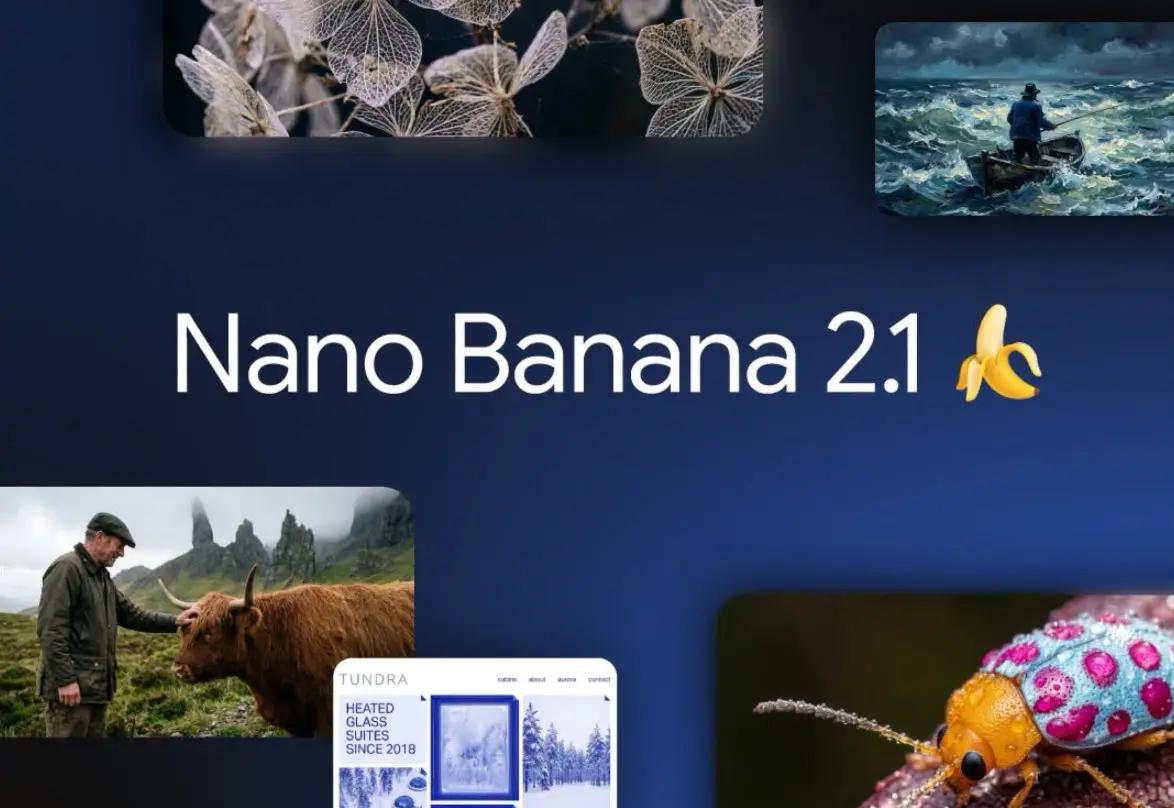
Google has updated its Nano Banana image generation model to version 2.1, introducing improvements in visual quality and object consistency across its service ecosystem.

Yandex and its Alice assistant have reached 13th place in the global ranking of generative AI mobile apps, according to the latest report by Andreessen Horowitz.