

Hardware
Tupolev and MAI Redesign Tu-214 for Two-Person Crew
The Moscow Aviation Institute and Tupolev are developing a two-person crew configuration for the Tu-214 aircraft by removing the flight engineer role.
October 13, 2026, 06:38 AM·iXBT.com
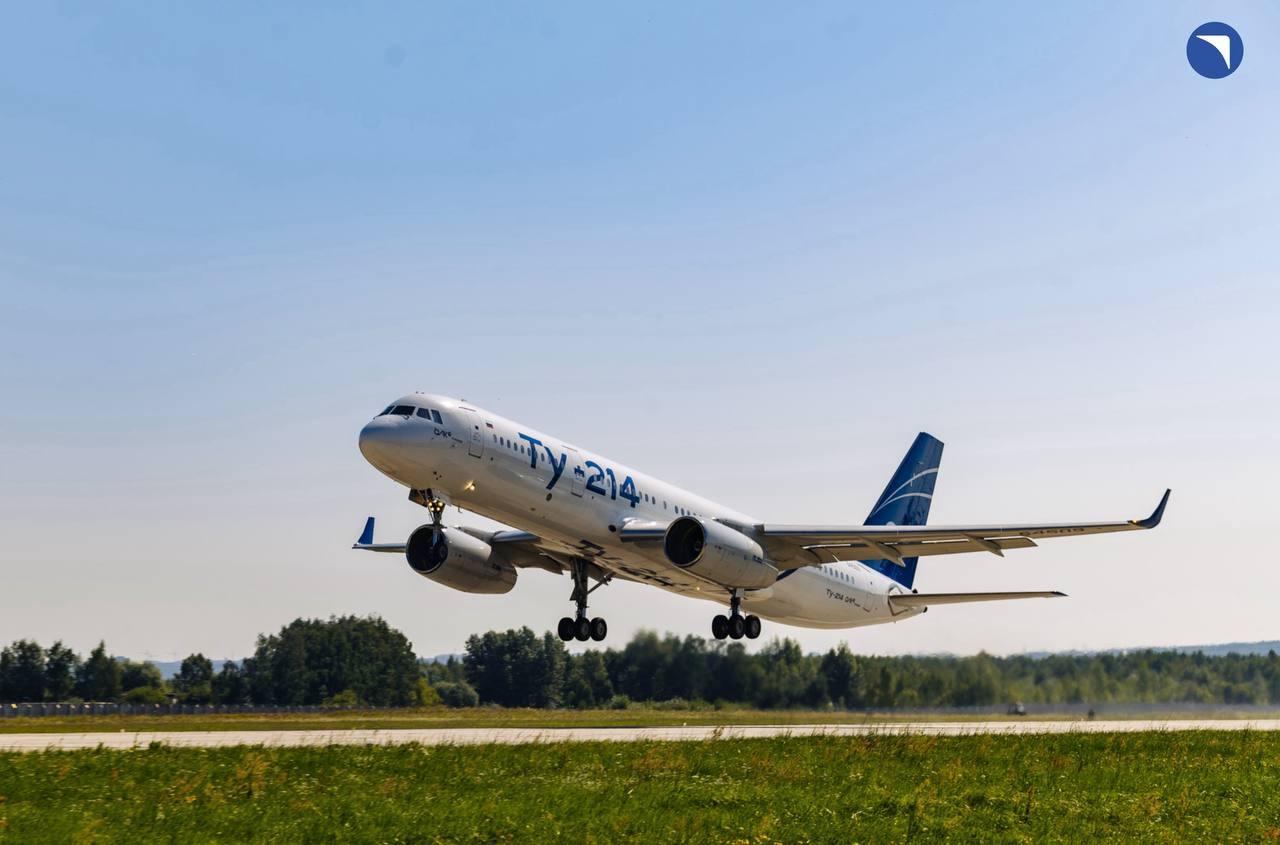
The Moscow Aviation Institute and Tupolev are developing a two-person crew configuration for the Tu-214 aircraft by removing the flight engineer role.
Post-war Swiss aircraft manufacturer EFW attempted to build the N-20 Aiguillon, an ambitious jet fighter project that was ultimately canceled due to engine development failures and high costs.

Public acceptance of urban air mobility depends on balancing passenger convenience with the concerns of residents living under flight paths, as safety and noise remain primary barriers.
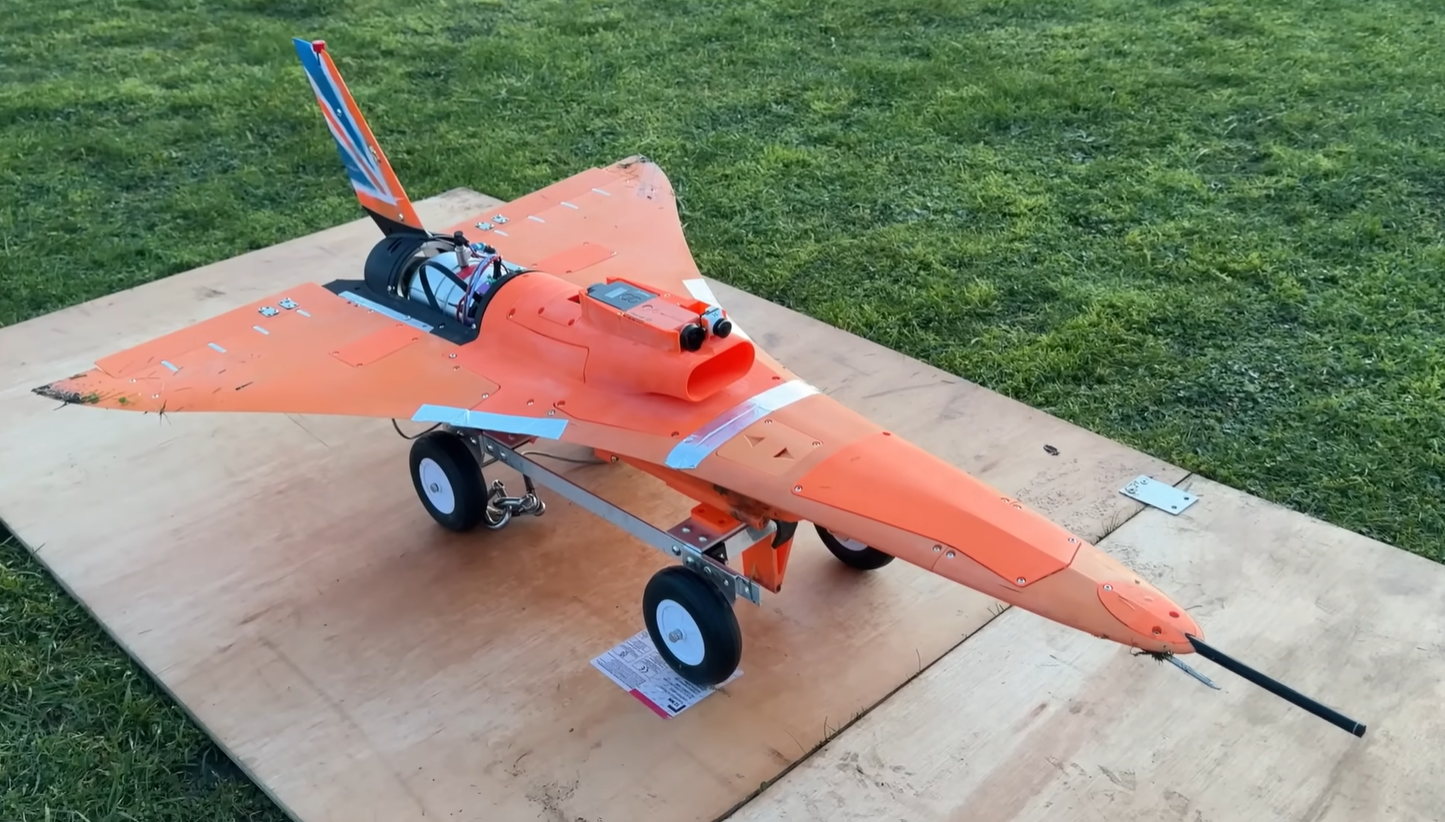
British engineers from the Mach Initiative are preparing a 3D-printed radio-controlled jet, the Kingchaser, to attempt a world speed record of 988 km/h.
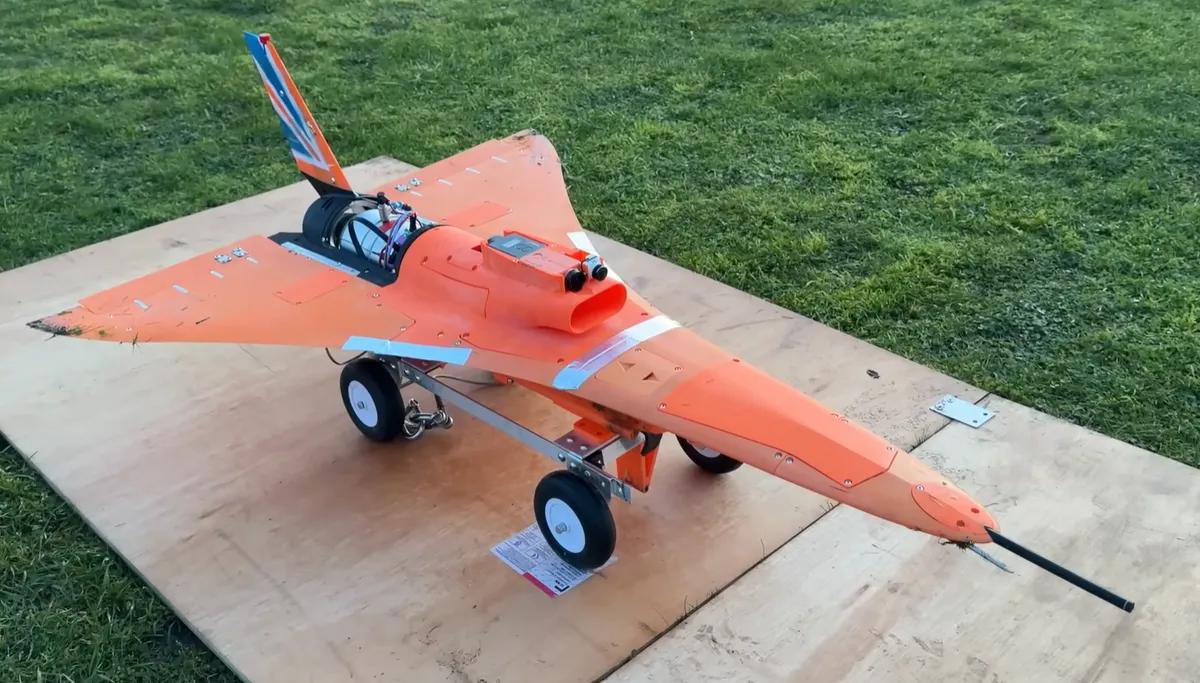
The Mach Initiative is testing a 3D-printed jet-powered aircraft, the Kingchaser, aiming to reach Mach 0.8 and break the speed record for model aircraft.
A look at the mechanics of Pitot tubes, the sensors responsible for measuring aircraft airspeed, and why their readings often differ from true flight speed.

American Airlines will equip its fleet of over 1,030 aircraft with SpaceX Starlink internet, aiming for speeds of up to 1 Gbit/s starting in 2027.
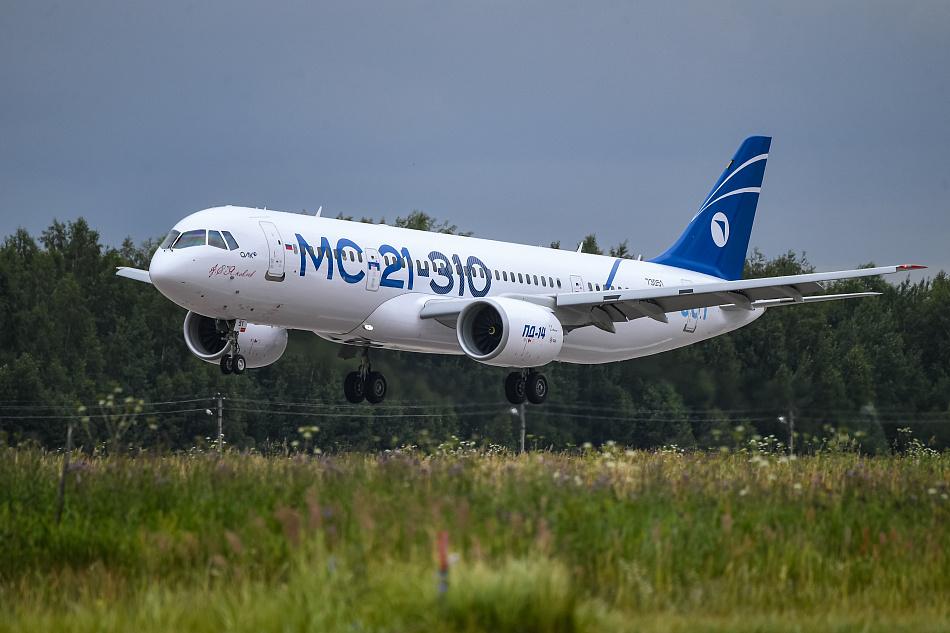
Russian aviation authorities have updated the certification status for the SJ-100 and MC-21 aircraft, with the former reaching 79% completion and the latter at 38%.
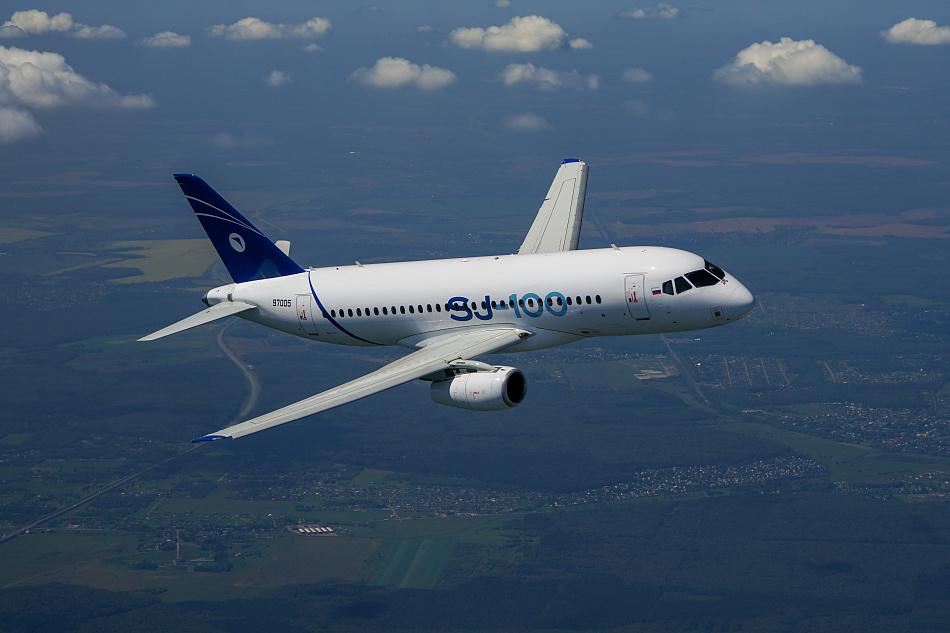
Ten new Russian-made components for the Superjet-100 aircraft have received safety certification as part of the ongoing import substitution project.
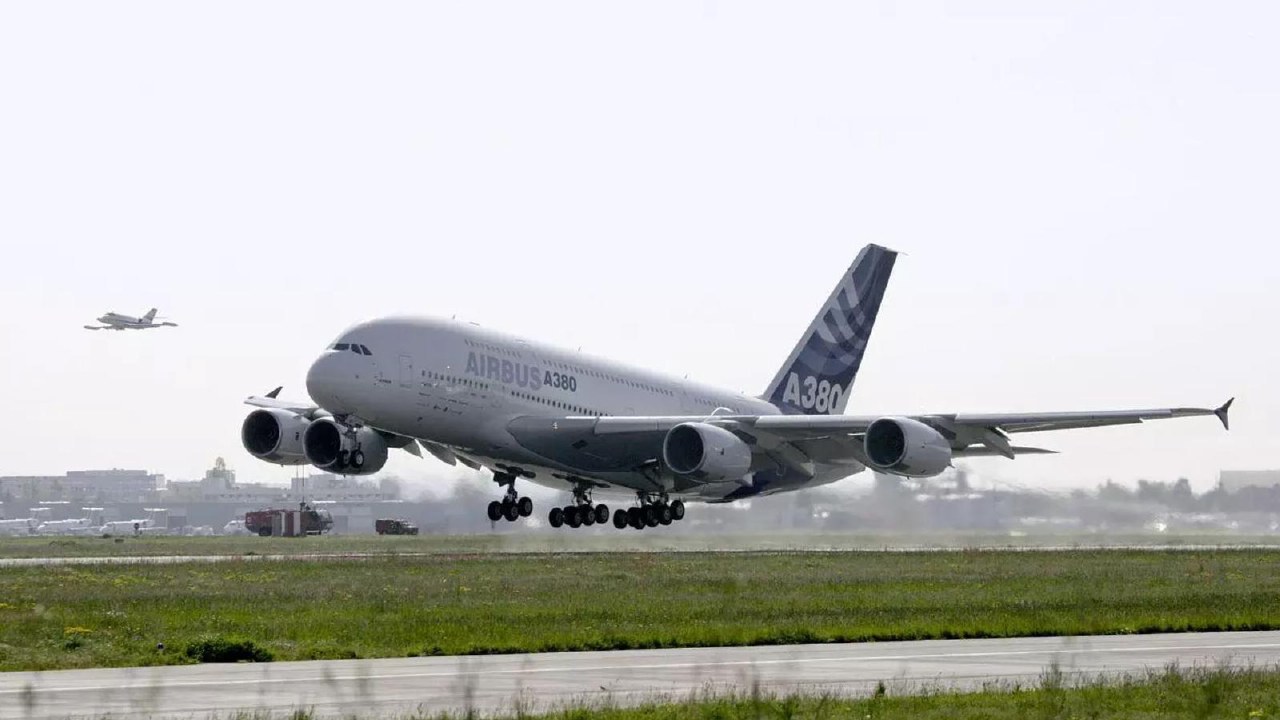
British Airways has completed a major cabin overhaul for its Airbus A380 fleet, featuring a business class that spans the entire upper deck with 106 seats.
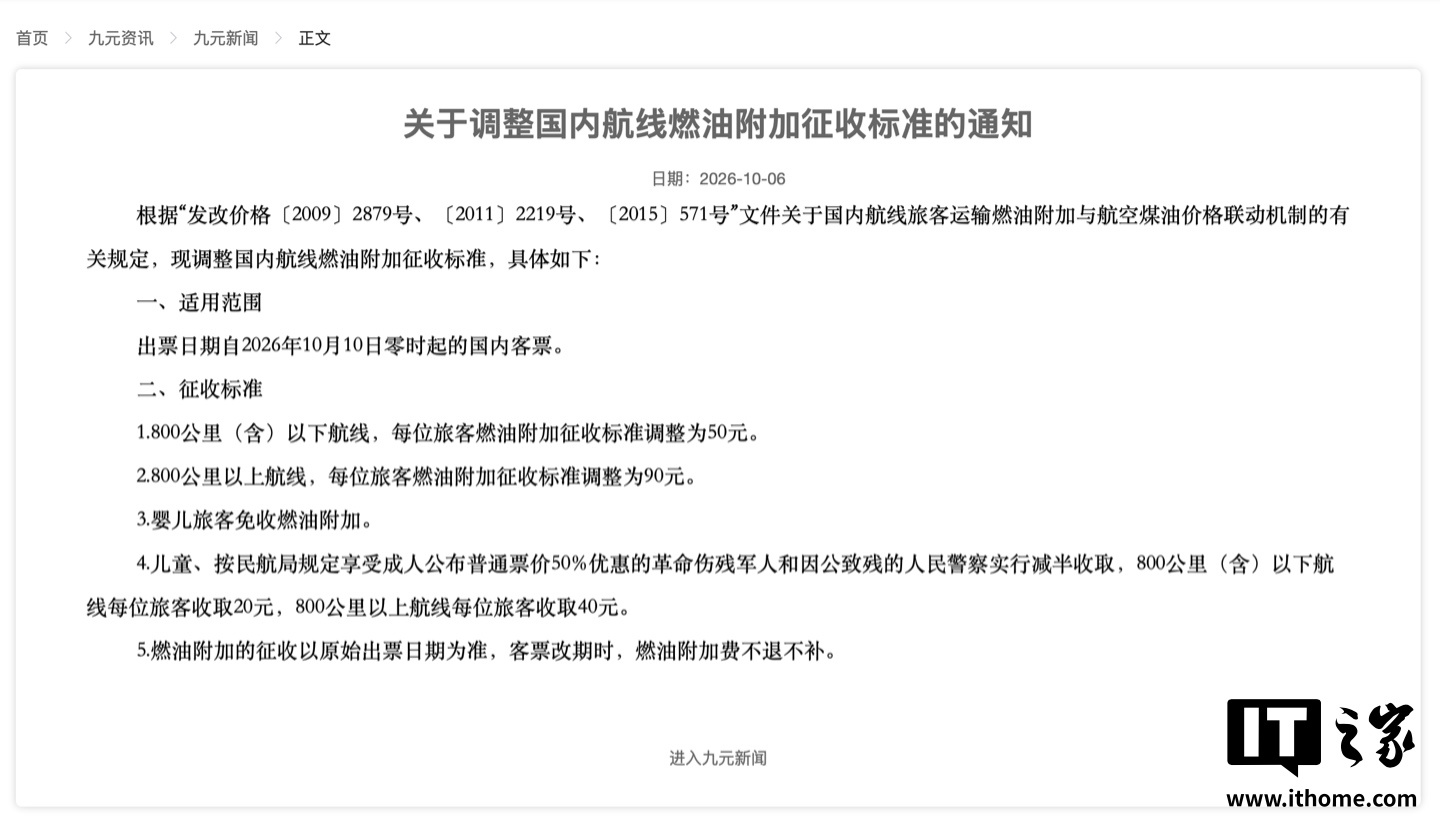
Domestic flight fuel surcharges in China will rise from October 10, with increases of ¥10 to ¥20 depending on flight distance.
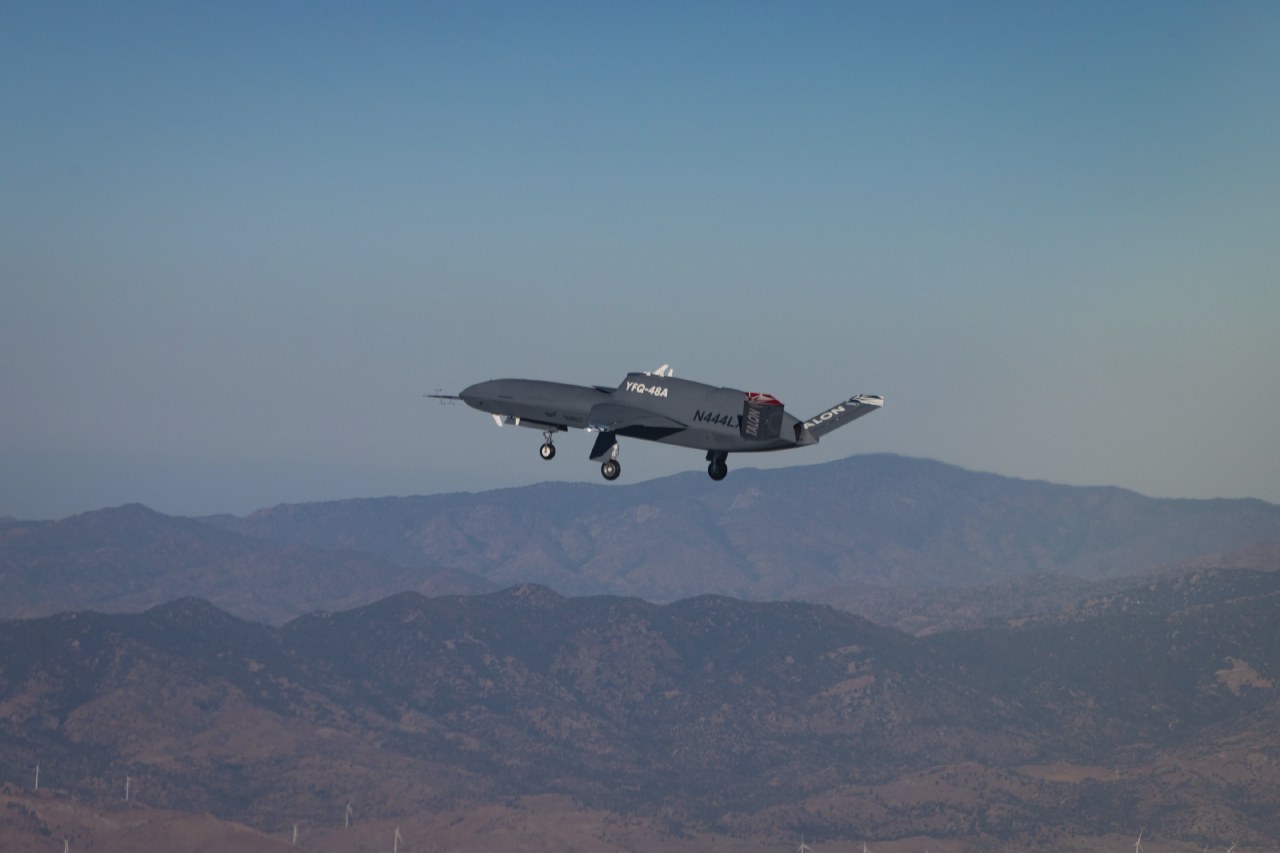
Northrop Grumman has completed the first flight of its YFQ-48A Blue Talon autonomous drone, a low-cost, modular loyal wingman designed for rapid production and high-risk combat missions.
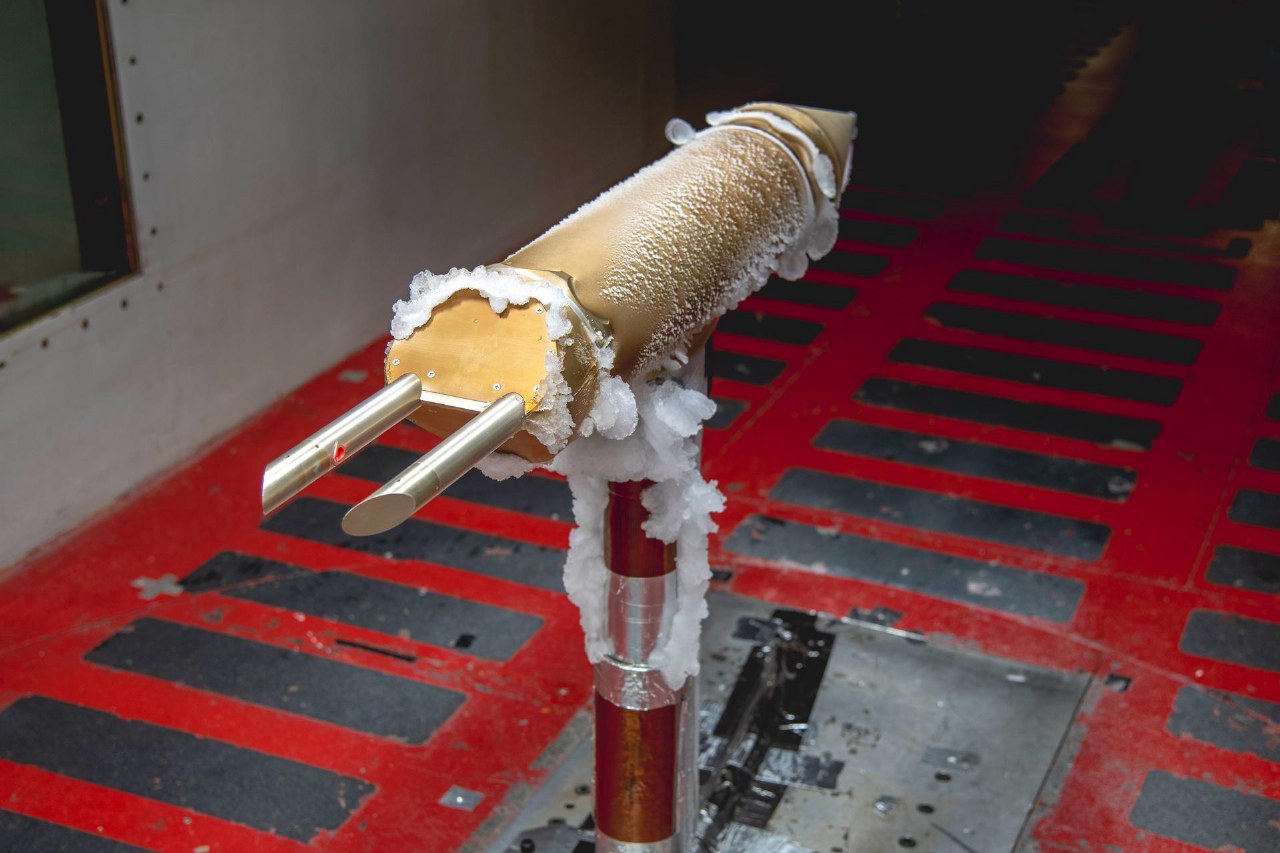
NASA is upgrading its testing facilities at the Glenn Research Center to study the impact of supercooled large water droplets on aviation safety.
Aeroflot has implemented a new domestic production management platform, Ops Dynamics, to replace foreign software and automate flight operations.
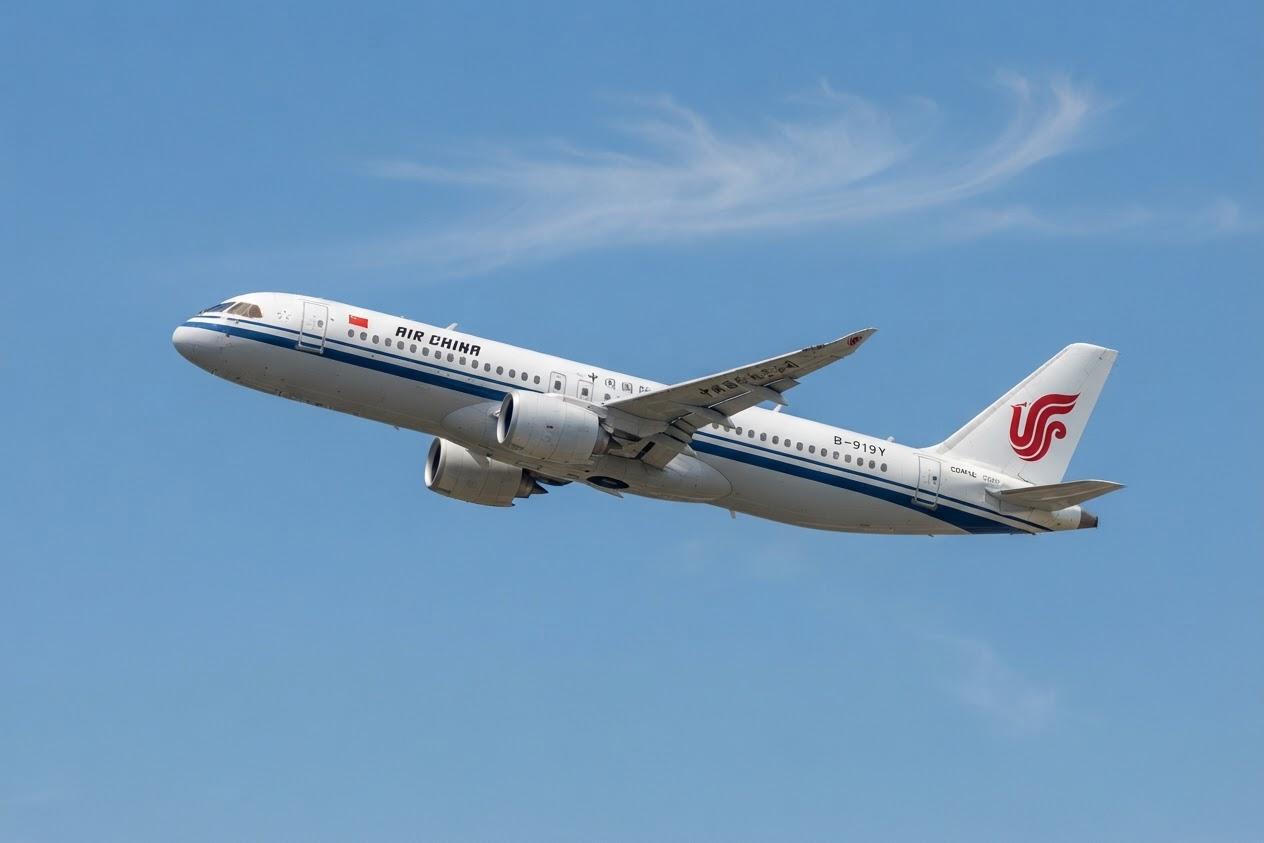
The US has slowed export license approvals for aviation parts, threatening the production of China's COMAC C919 aircraft amid ongoing trade tensions.
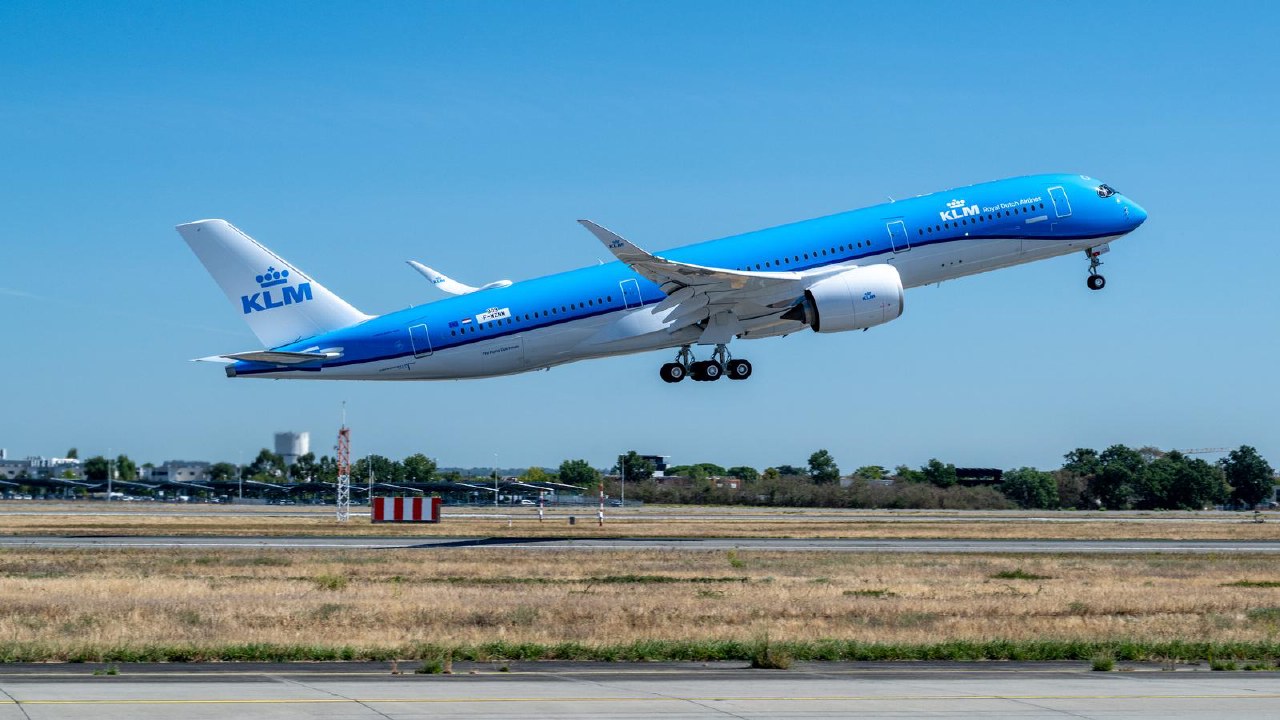
KLM has taken delivery of its first Airbus A350-900, marking a shift in its long-haul fleet strategy as part of a €7 billion renewal program.
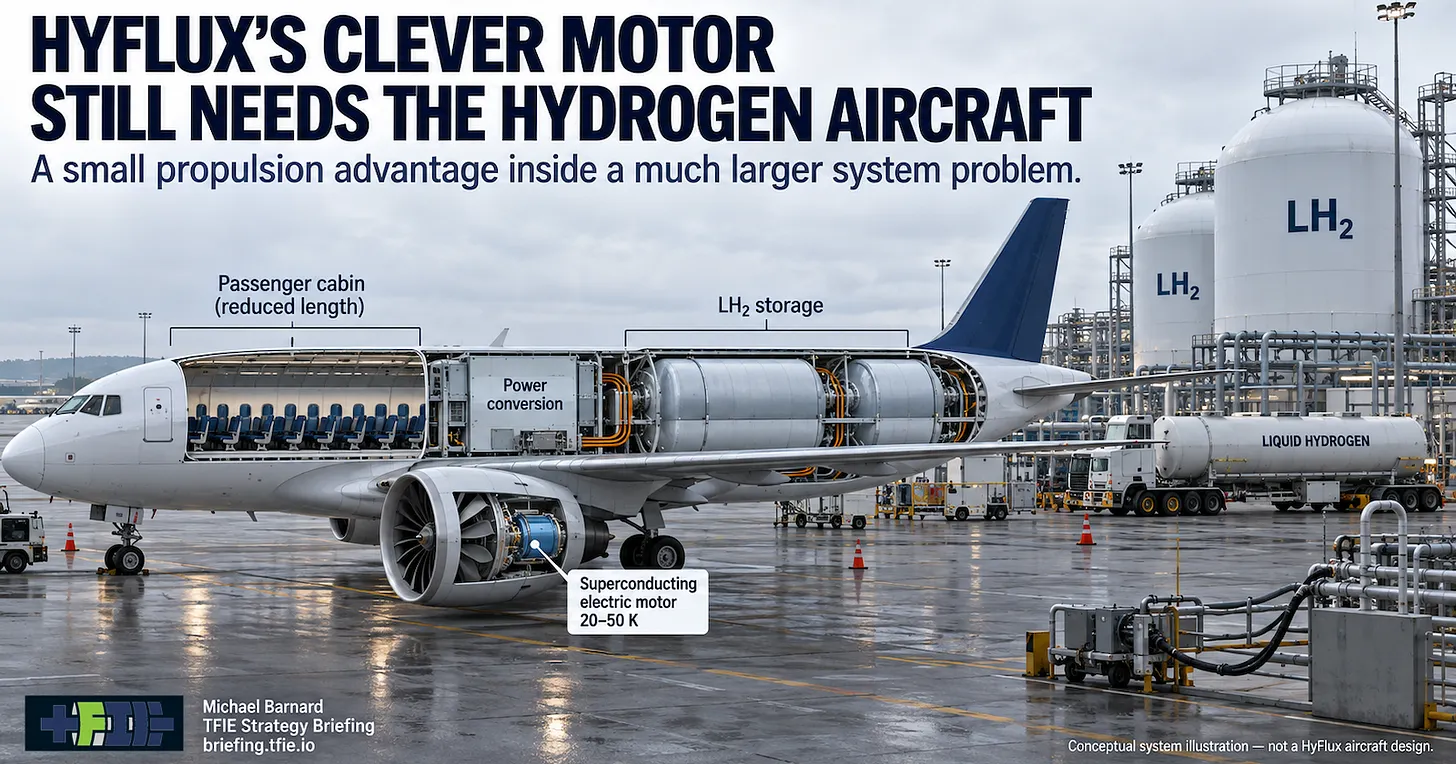
UK-based HyFlux is developing a superconducting electric motor for hydrogen aviation, targeting a specific power of over 20 kW/kg by utilizing liquid hydrogen for cryogenic cooling.
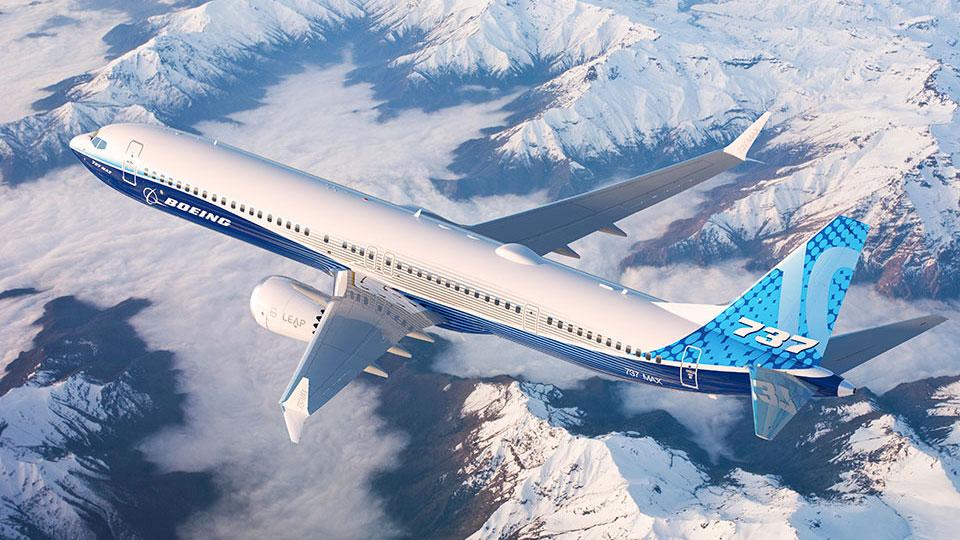
The FAA has cleared a software issue on the Boeing 737 MAX, paving the way for the certification of the MAX 10 model by the end of October.
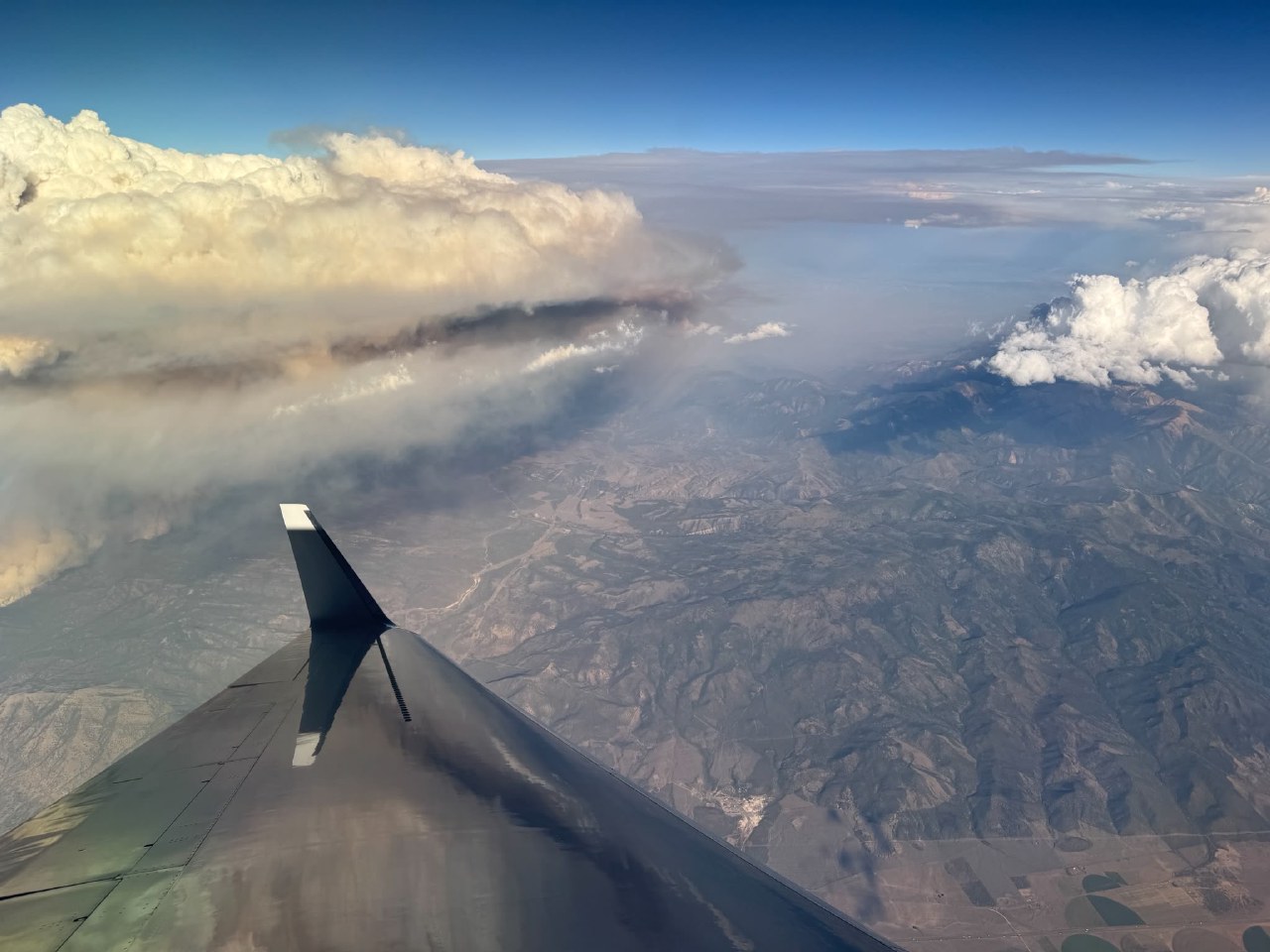
NASA has concluded the INSPYRE campaign, a six-week mission using aircraft and ground sensors to study how wildfire-generated clouds impact the atmosphere and climate.
Geoscan has launched a remote educational platform for unmanned aerial systems specialists, offering professional certification and software training.