

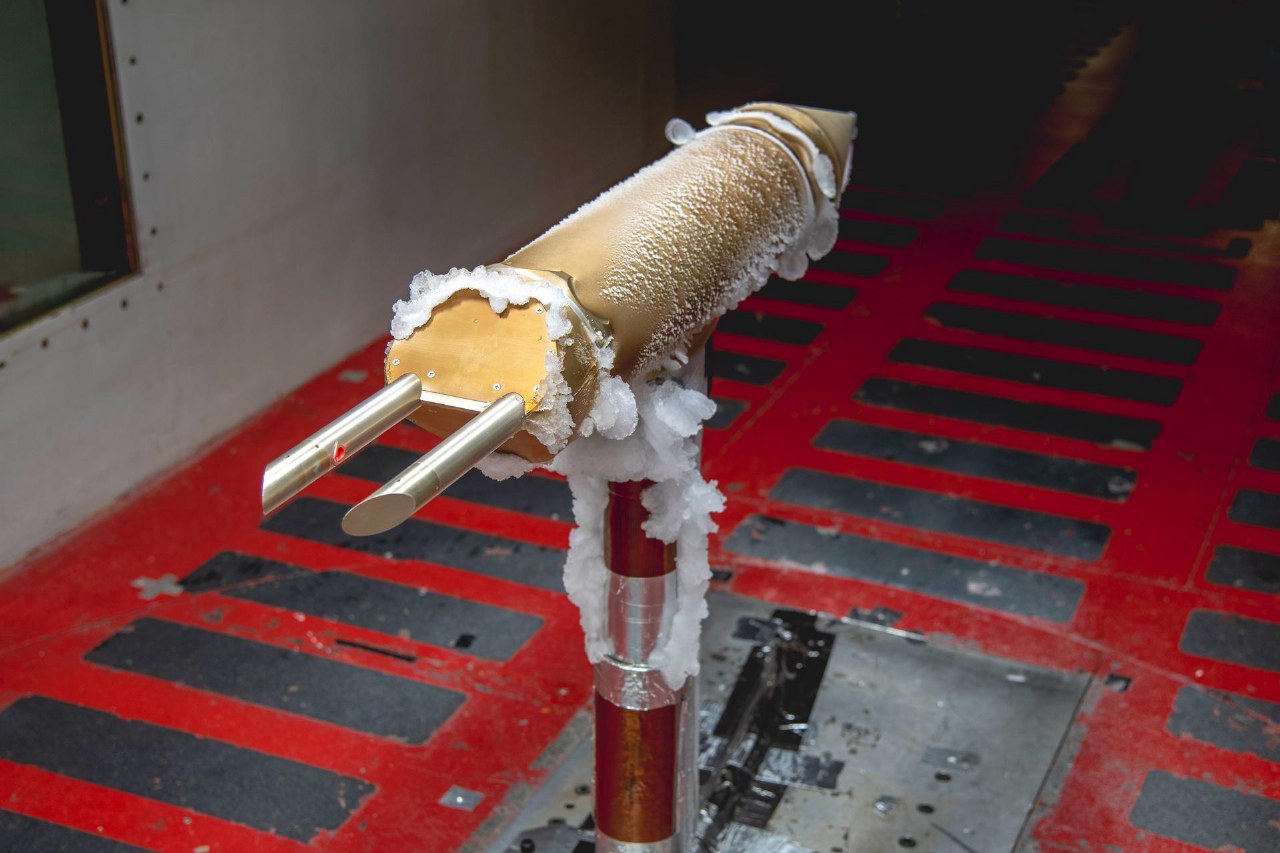
NASA is conducting research at the Glenn Research Center in Cleveland to address the aviation hazard of supercooled large droplet icing. This phenomenon occurs when aircraft encounter liquid water droplets in clouds that remain unfrozen despite temperatures below 32 degrees Fahrenheit. These droplets can reach diameters of up to 2,000 microns, potentially impacting areas of an aircraft not covered by standard ice protection systems.
The research campaign utilizes the Icing Research Tunnel to improve industry understanding of these conditions. NASA is currently upgrading its equipment to better generate and measure experimental clouds. Researchers are testing new probes capable of identifying and analyzing droplets larger than 45 microns in real time. These measurements are combined with data from probes tracking smaller droplets to create a full size spectrum.
The project aims to refine engineering tools used by the aviation industry for aircraft design, as existing models may not fully account for the physics of large supercooled drops. This testing effort is a key milestone for the Subsonic Flight Demonstrator project under NASA's Research and Technology Mission Directorate. The team plans to share the final data analysis with the aerospace community.


