

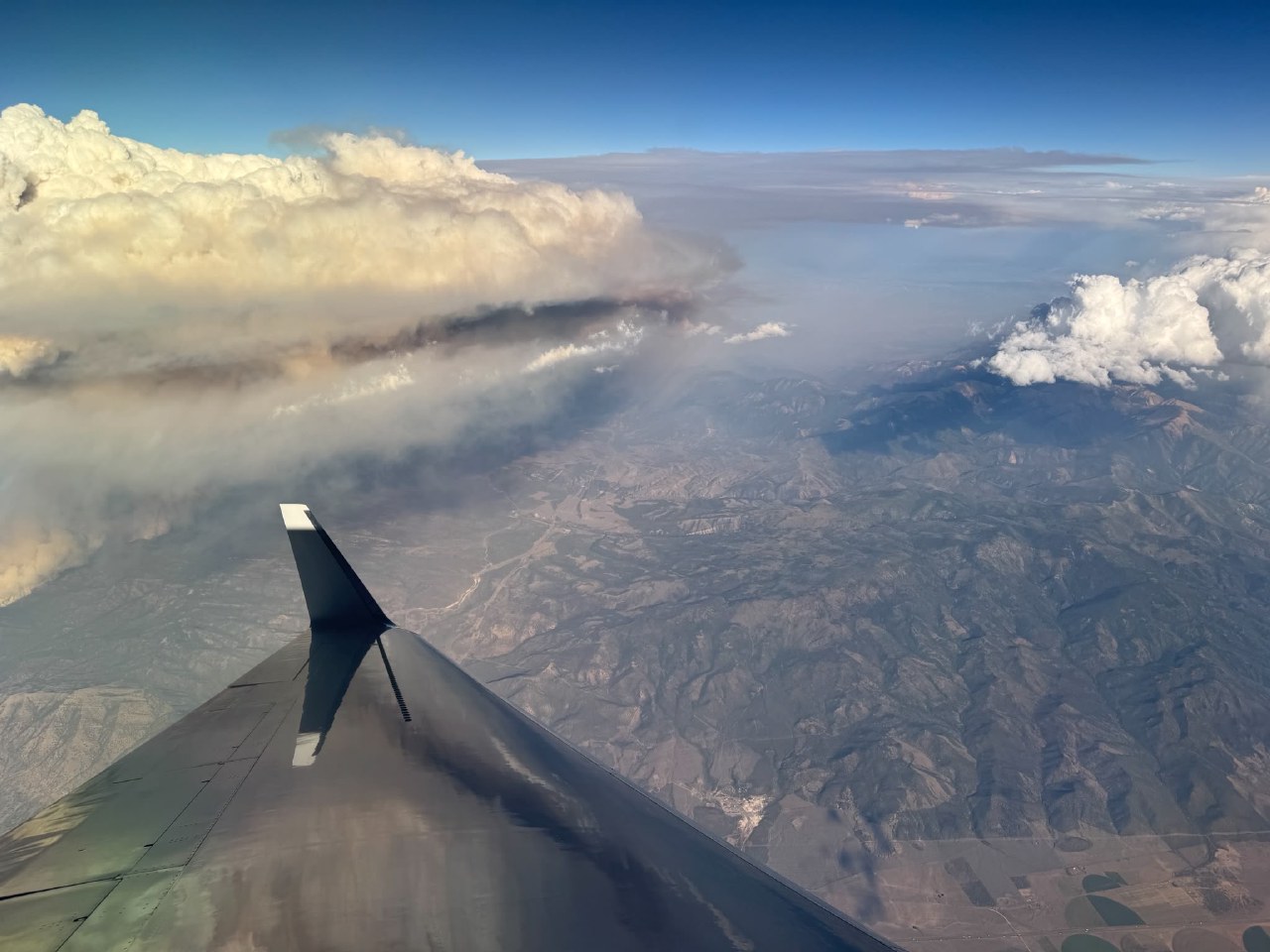
NASA researchers recently completed the INSPYRE campaign, a six-week summer project focused on studying pyrocumulonimbus (pyroCb) clouds. These weather phenomena, generated by intense wildfires, can funnel smoke 10 to 15 kilometers into the atmosphere, reaching altitudes comparable to commercial flight paths and the stratosphere.
The mission utilized a Gulfstream jet for atmospheric sampling, collecting data on smoke particles, gases, and ice crystals. Simultaneously, a high-altitude ER-2 aircraft equipped with 14 instruments tracked fire intensity and updraft speeds, while ground crews deployed sensors to monitor the events from below.
On August 26, the team successfully intercepted a pyroCb event triggered by the Wildhorse grass fire in eastern Idaho. The Gulfstream spent three hours conducting measurements within the cloud plume and the resulting smoke trail, providing data roughly one hour after the initial eruption.
The collected observations aim to improve Earth system models, which currently often lack specific data on pyroCb smoke injections. Researchers intend to use these findings to develop predictive alerts for firefighters, similar to severe thunderstorm warnings, to help manage personnel safety during fire-generated weather events.



