Students Build Brain-Controlled Airships at Central University STEM School
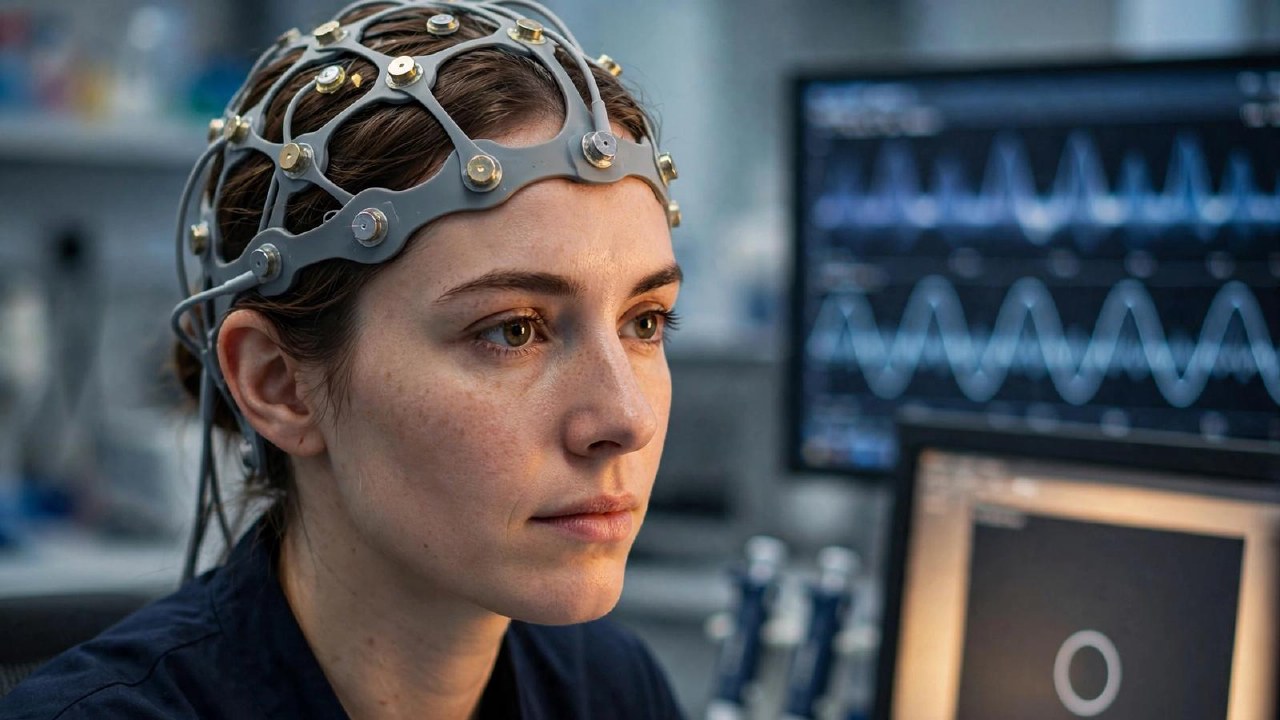
Central University students built and piloted helium-filled airships using brain-computer interfaces during a five-day intensive STEM summer school program.

Central University students built and piloted helium-filled airships using brain-computer interfaces during a five-day intensive STEM summer school program.

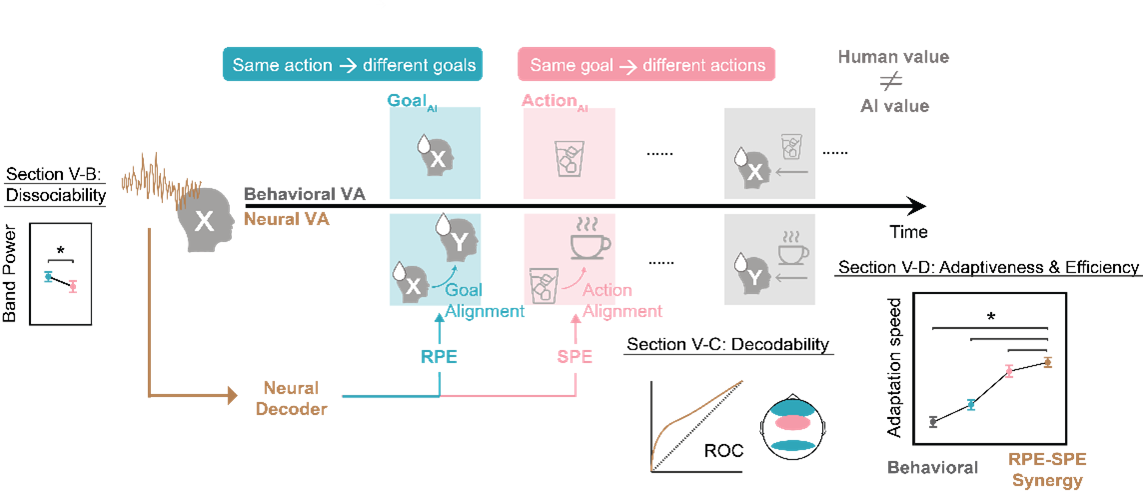
Researchers from KAIST and Microsoft Research Asia have created a brain-computer interface that allows AI to adjust its actions by interpreting human brain signals during errors.

Moscow State University of Psychology and Education has joined the University Consortium of Big Data Researchers to advance AI-driven psychological research and neuro-data analysis.
The AI industry's reliance on the computational model of the brain may be fundamentally flawed, as experts advocate for viewing human cognition as a dynamic feedback-control system.

Researchers have developed an AI system that reconstructs visual images from human brain scans using fMRI data and a dual-model training approach.

KAIST and Microsoft Research Asia have created a brain-computer interface that allows AI to detect and correct misunderstandings by analyzing human brainwaves in real time.

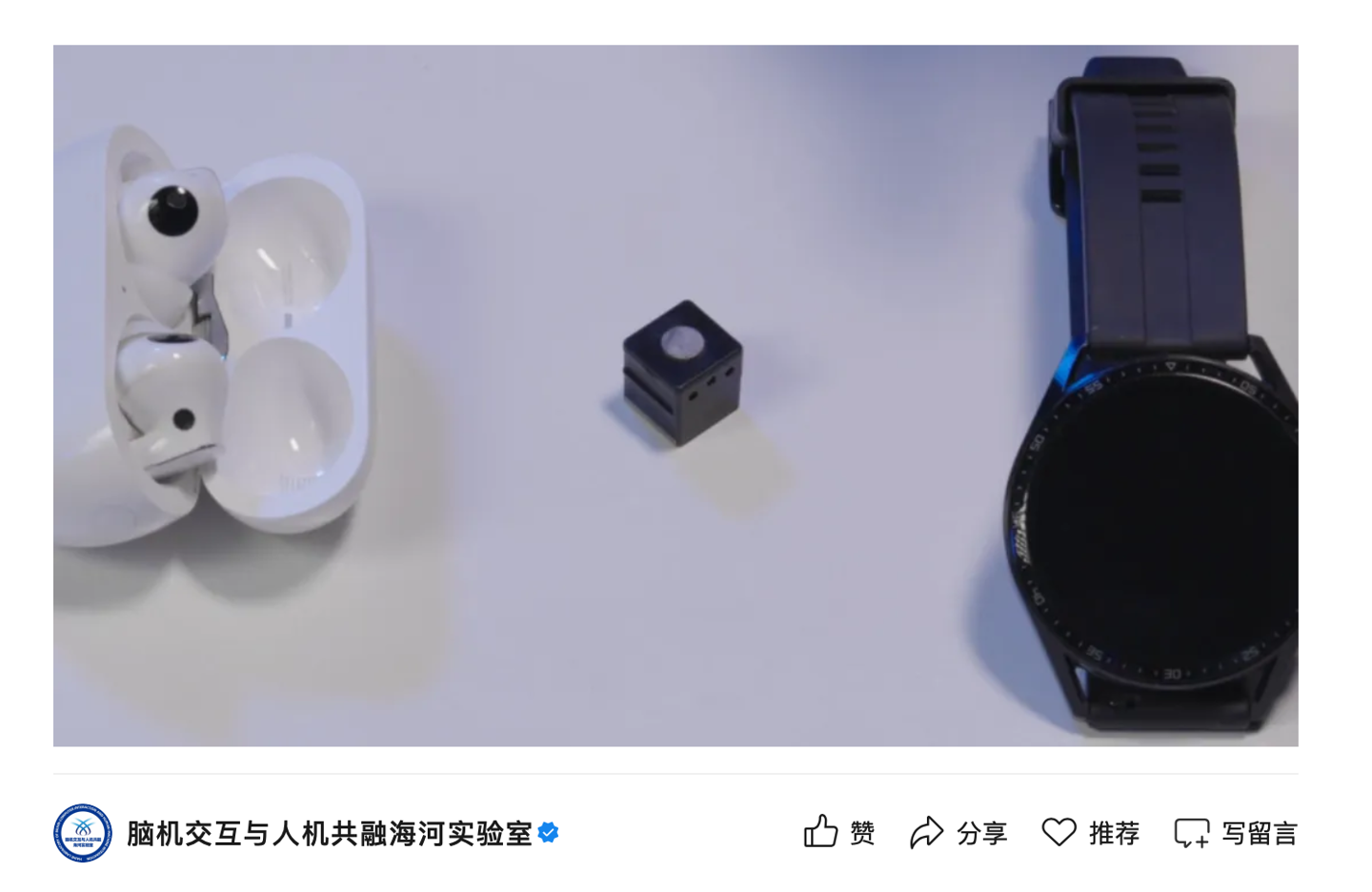
Tianjin University and Shenggong Diting have unveiled the Shenggong Xumi Brain Cube, a 3-gram non-invasive brain-computer interface system.

A machine learning engineer has created a language learning system that applies neural network training principles to the human brain, using physical feedback to ensure focus.

Precision Neuroscience has raised $250 million to advance its brain-computer interface technology, attracting investment from Bill Ackman.

Researchers from the Hebrew University of Jerusalem have proposed a three-component biochemical model of memory, suggesting that human consciousness may rely on chemical processes absent in current AI.

FutureBit and other researchers are testing unconventional Bitcoin mining methods by simulating fruit fly neural activity to perform SHA-256 calculations.

FutureBit has introduced HashFly, a proof-of-concept project simulating Bitcoin mining using a fruit fly brain connectome to explore the potential efficiency of organic computing.

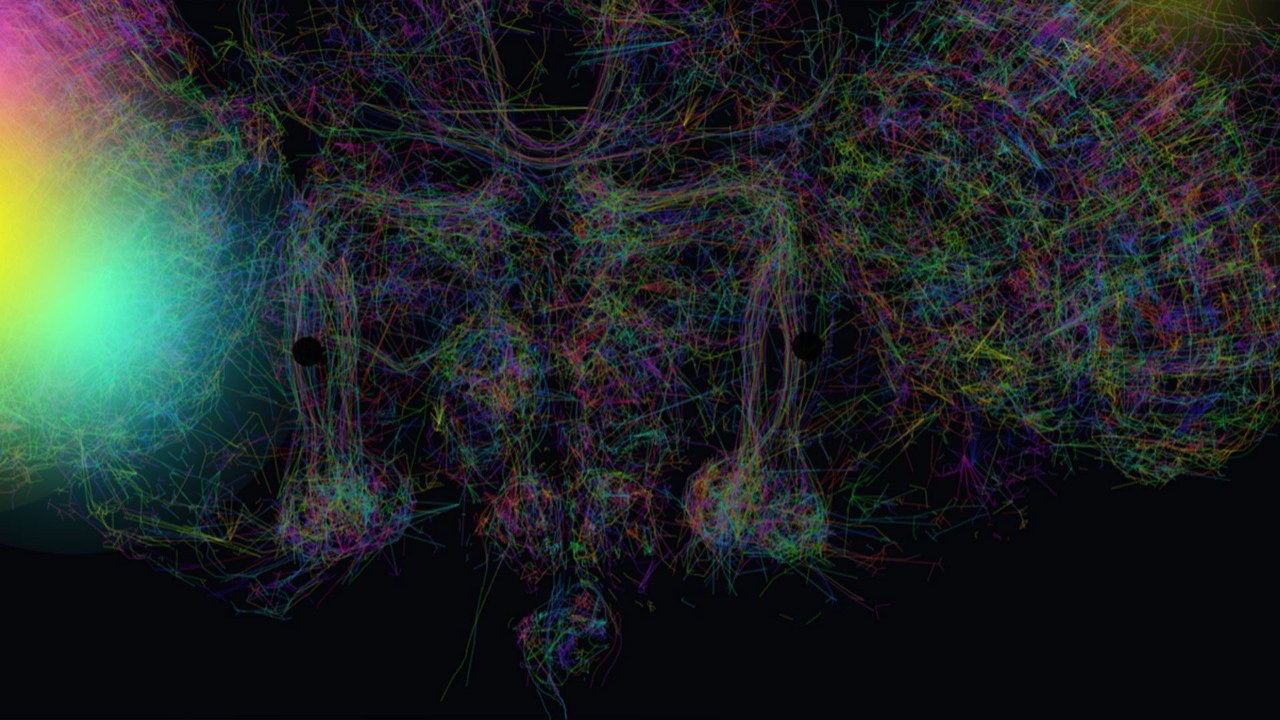
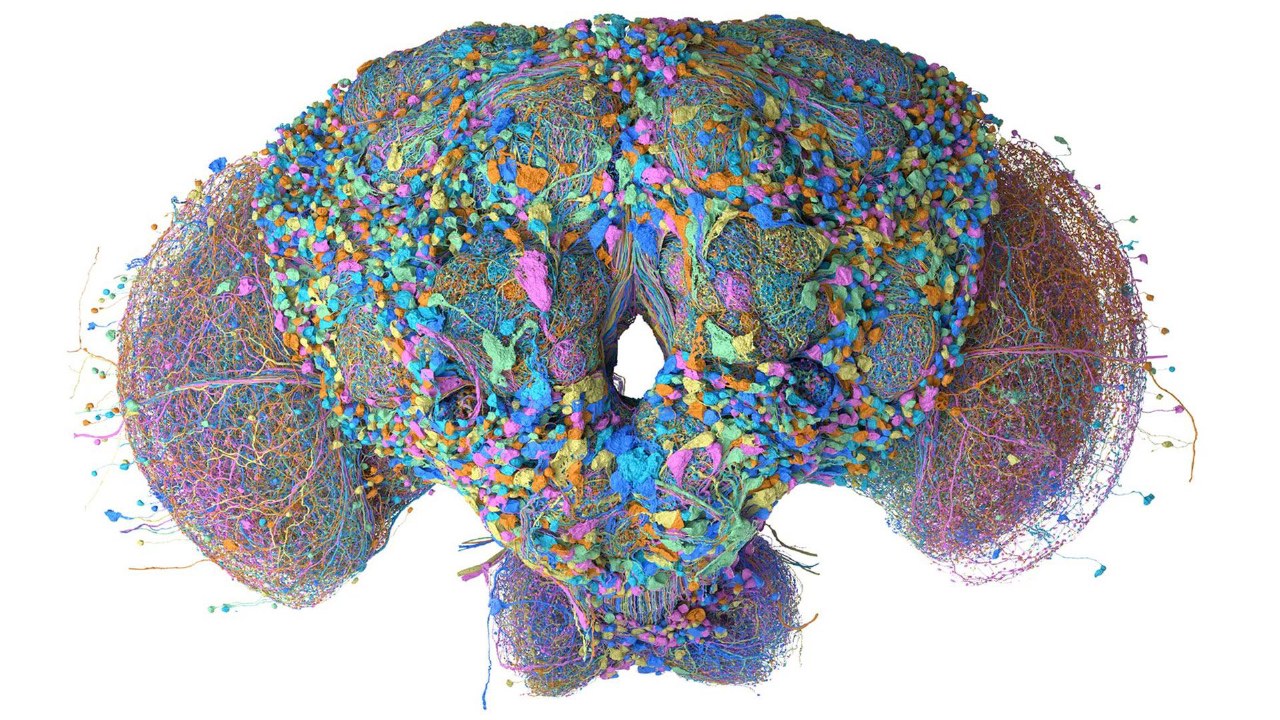
Google Research and the Howard Hughes Medical Institute have released a complete neural map of a fruit fly, which developers are now using to simulate trading, robotics, and gaming.

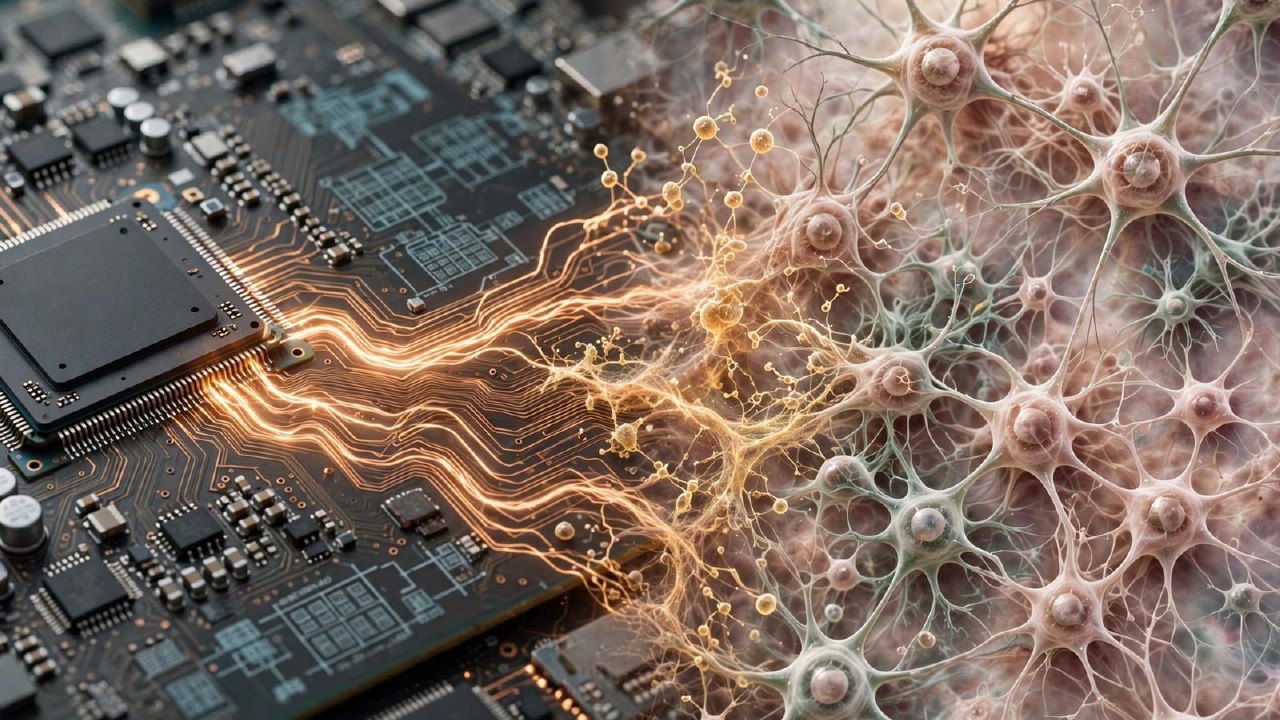
Researchers have uncovered the brain's efficient information processing mechanisms, providing a new blueprint for developing next-generation neuromorphic computing hardware.

A Coinbase engineer has integrated a simulated fruit fly brain into a Bitcoin trading bot to test if biological neural structures can adapt to financial reward systems.

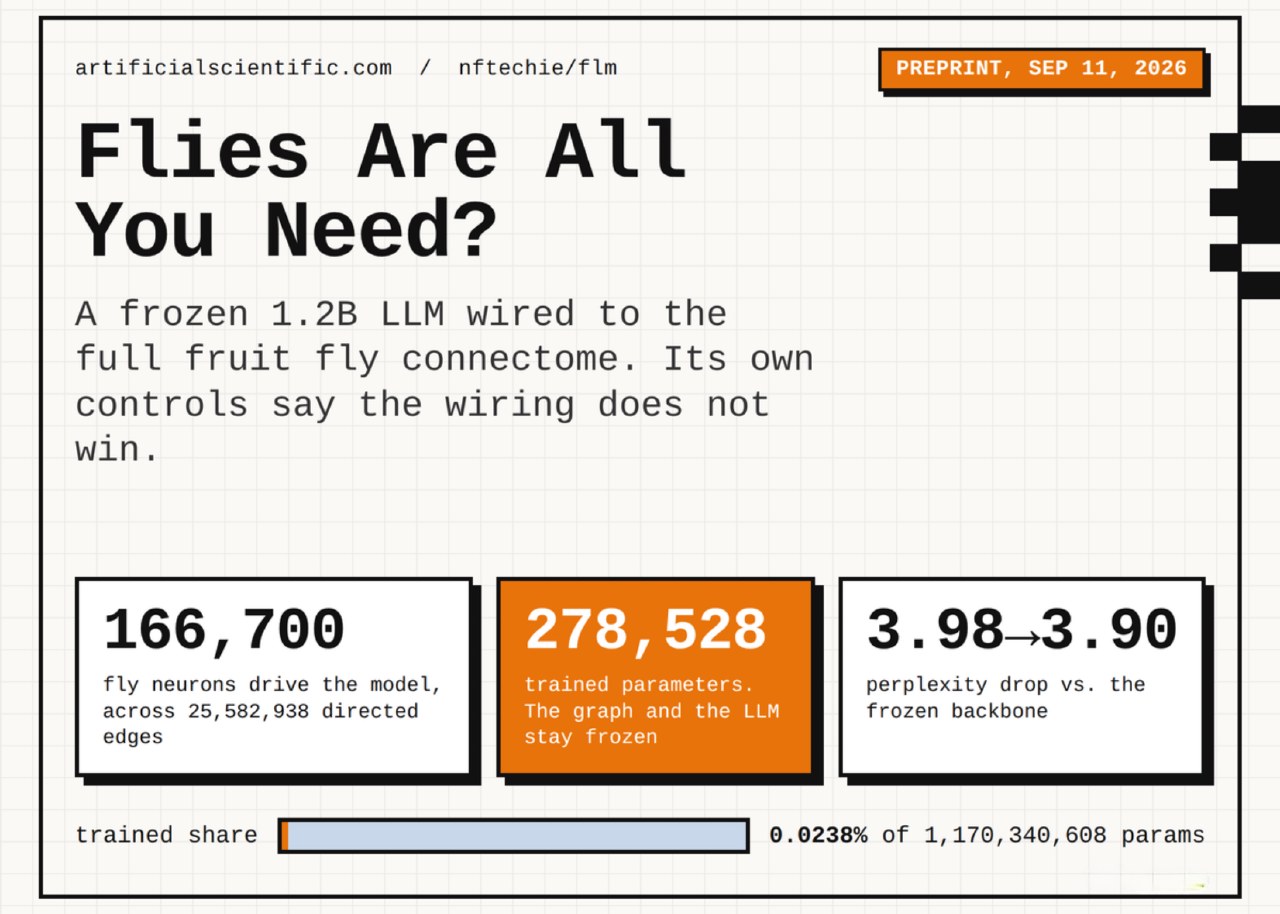
Researchers have integrated the full fruit fly connectome into a 1.2 billion parameter language model, finding that the biological topology offers no performance advantage.

Google Research and HHMI Janelia have mapped the adult fruit fly's nervous system, creating a model with over 166,000 neurons that developers are now using to play video games.

Google Research has mapped the brain of a male fruit fly with over 166,000 neurons, which developers are now using to play classic video games.