

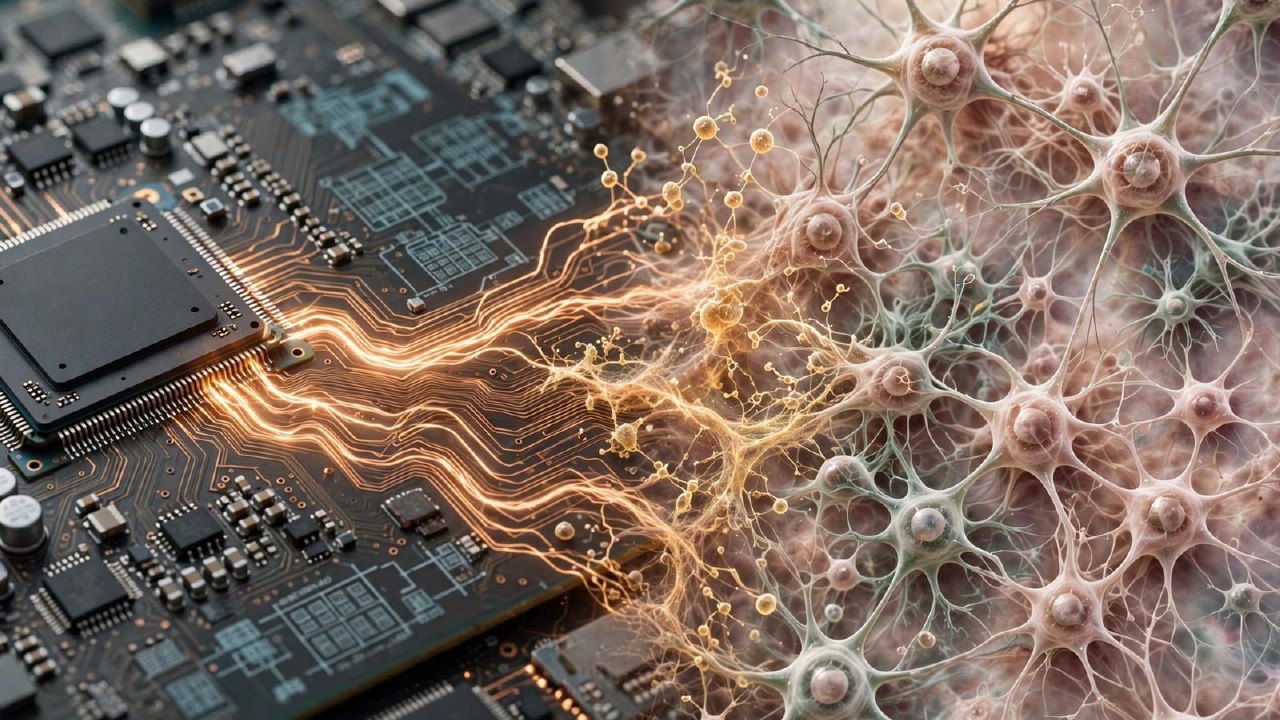
Researchers from the Hebrew University of Jerusalem have introduced a three-component biochemical model of memory. This framework suggests that memory formation relies on the collaboration between neurons, astrocytes, and the extracellular matrix, alongside chemical substances such as neurotransmitters, gliotransmitters, and metal ions.
The model highlights the role of astrocytes in interacting with neurons and the matrix to encode and retrieve memories. Chemical signals within this system are thought to link stored information with emotional and physiological states, allowing memories to encompass physical reactions and feelings rather than just raw data.
The authors contrast this biological mechanism with current artificial intelligence models. While AI can process information and identify patterns, it lacks these biochemical processes. The study suggests that increasing computational complexity alone may not lead to consciousness if it is fundamentally tied to biological tissue.
The research does not provide an experimental test to detect consciousness in AI or define its boundaries. Instead, it proposes a conceptual framework for studying the link between memory, emotions, and cognition, arguing that future comparisons between humans and AI must account for the physical mechanisms that give information meaning.



