

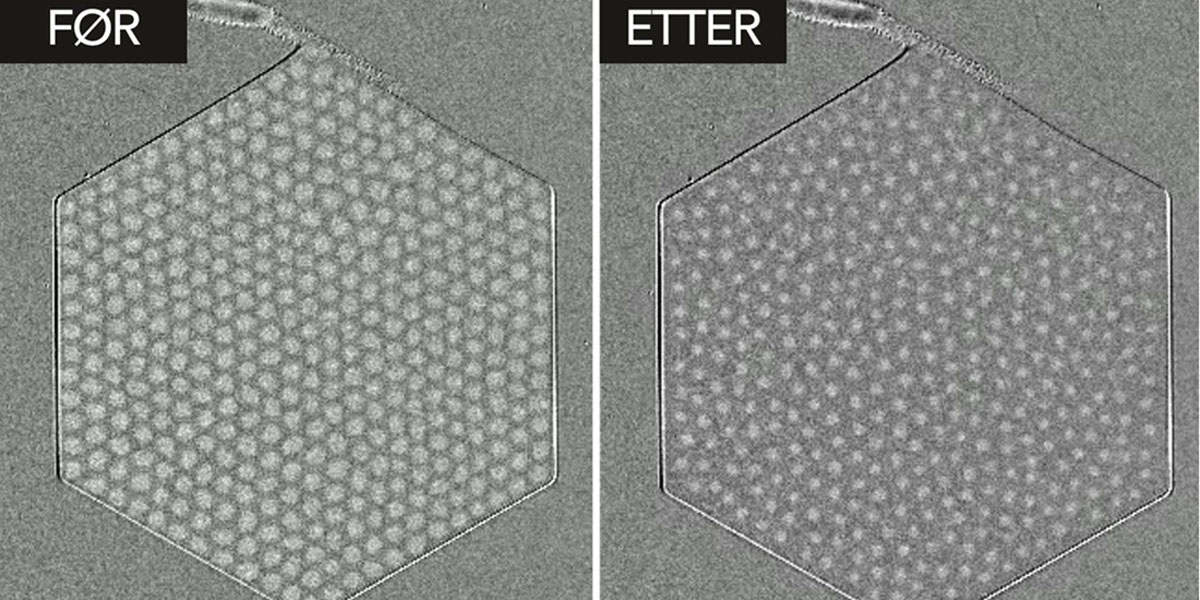
An international research team has identified the mechanisms behind efficient information processing and memory retrieval in the human brain. The study focuses on how neural networks achieve high performance with minimal power consumption, offering a theoretical framework for future neuromorphic computing architectures.
Traditional Von Neumann architectures suffer from energy loss due to data transfer between separate computing and storage units. In contrast, the human brain utilizes dynamic signal transmission and parallel processing. Researchers used high-resolution neuroimaging and nonlinear dynamic modeling to analyze synaptic plasticity and neuronal responses.
The findings reveal that the brain employs temporal synchronization and sparse coding within neuronal clusters to compress and retrieve information. This allows the brain to perform complex cognitive tasks by activating only a small fraction of neurons, even in noisy environments.
Based on these biological principles, the team developed a new neuromorphic algorithm and hardware circuit. Experimental results show that this model, which mimics sparse activation and temporal conduction, achieves energy efficiency several orders of magnitude higher than traditional neural networks.
The new architecture also demonstrates increased robustness when processing unknown data. This research aims to bridge the gap between neuroscience and hardware engineering, potentially influencing the development of edge computing, autonomous robotics, and low-power AI hardware.

