

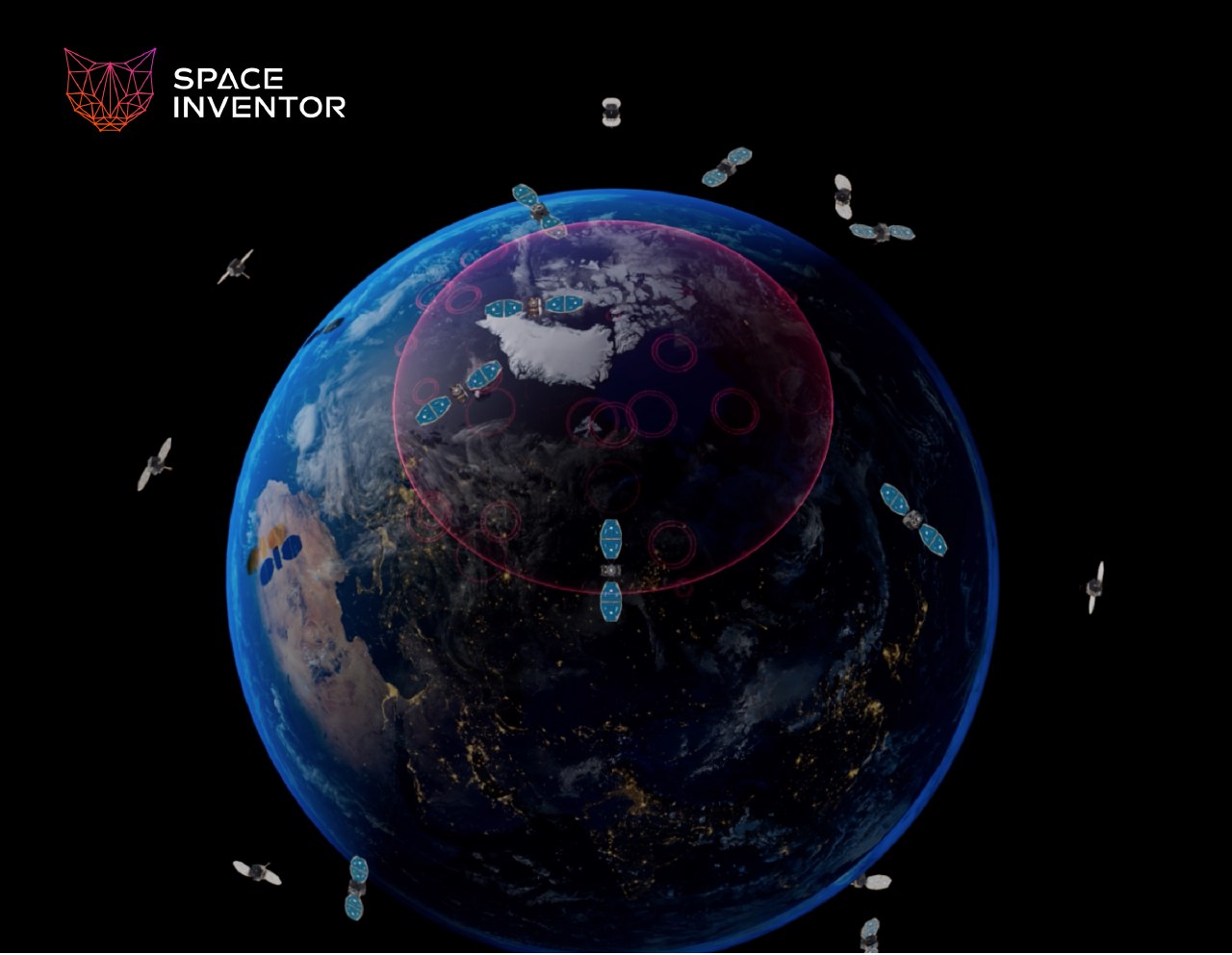
Danish manufacturer Space Inventor is utilizing a modular approach for its BIG CAT satellite bus series to accommodate evolving payload requirements. Unlike traditional fixed designs, the platform allows for module swapping to adjust power, pointing, or communication capabilities without requiring a full spacecraft redesign.
The company produces nearly all components in-house at its Aalborg facility, excluding propulsion. This vertical integration allows Space Inventor to implement design changes, such as modifying a PCB, in approximately one week, compared to six weeks for external suppliers.
Space Inventor maintains an inventory of components to enable next-day shipping, mitigating supply chain risks. This flexibility supports the development of mini-constellations, which typically consist of a few to a few dozen satellites, allowing operators to iterate designs based on previous mission data.
For the defense sector, the company offers turnkey systems like the Apex Predator series, which includes the BC Lynx and BC Leopard models. These systems utilize a tip-and-cue model where the Lynx detects radio-frequency emissions and the Leopard captures optical or thermal imagery for surveillance.



