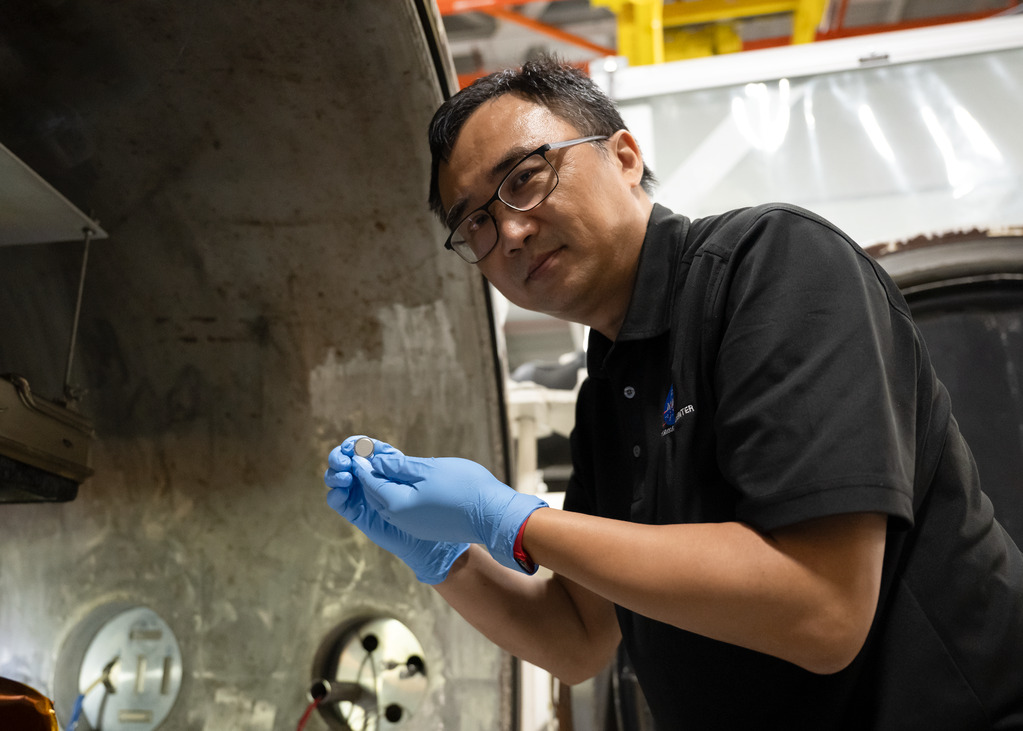
NASA is developing the Solid Power for Extreme Environment Adaptability and Resilience in Space (SPEARS) project to create batteries capable of operating in the lunar environment. These batteries utilize solid ceramic or polymer-based electrolytes instead of traditional liquids, which are prone to freezing or evaporating in space conditions.
Recent thermal vacuum testing at NASA Langley Research Center demonstrated that prototype cells function at temperatures ranging from 176 F (80 C) down to minus 112 F (minus 80 C). The batteries also survived exposure to extreme temperature swings between 212 F (100 C) and minus 274 F (minus 170 C) without sustaining damage.
The project aims to reduce the reliance on heavy thermal management systems in spacecraft and lunar habitats by allowing batteries to be warmed only when needed. Applications include powering emergency kits, rovers, and scientific instruments during the Artemis campaign.
Launched in 2026 with funding from the Advanced Research and Technology division, the project is currently in its technology development phase. NASA Ames Research Center is contributing by developing flight hardware, such as test boards and electronics, to prepare the batteries for spaceflight.