

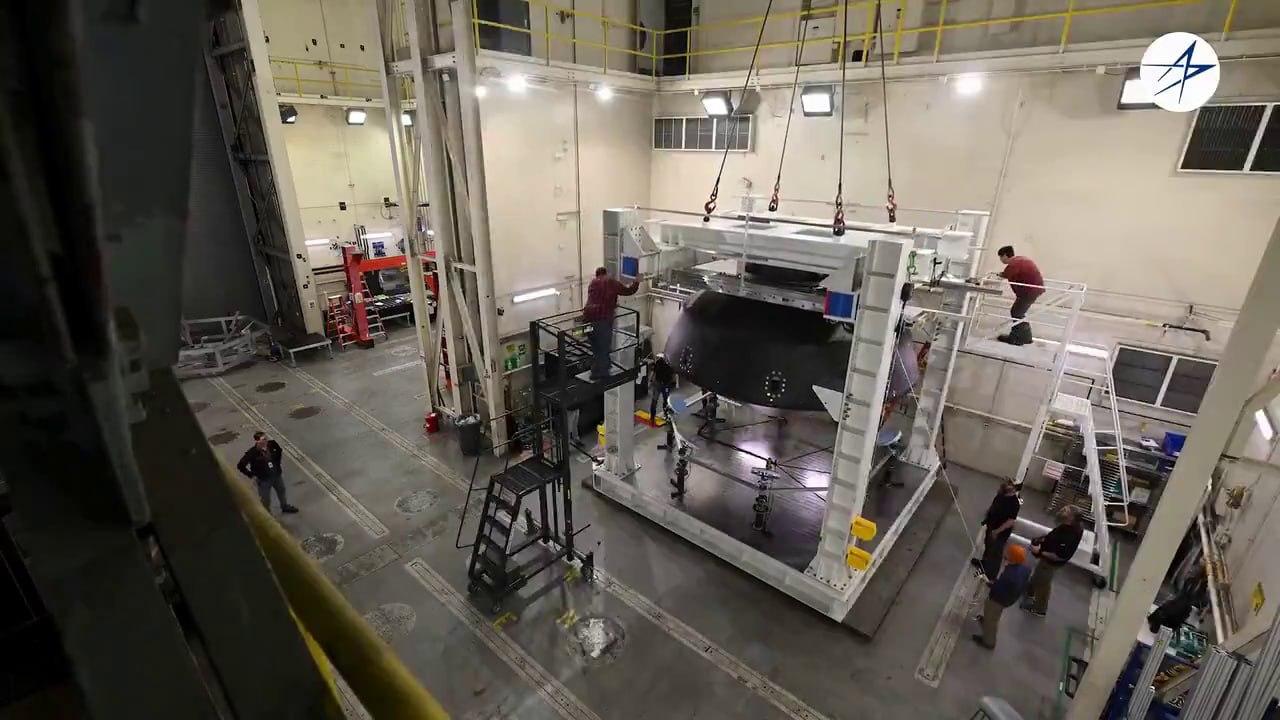
NASA is currently assembling the Dragonfly octocopter ahead of its planned schedule. Lockheed Martin recently completed testing for the aerodynamic shell designed to shield the craft during its entry into Titan's dense atmosphere and subsequent landing.
The mission has selected the landing site known as Ahmakik Undae, a vast dune field spanning over 800 km located south of the Selk crater. The name was chosen by the mission team and approved by the International Astronomical Union to reflect the region's unique geological features.
Researchers believe the impact that created the Selk crater may have melted the moon's icy crust, potentially forming a temporary lake of liquid water. This environment could have facilitated interactions between water and complex organic compounds, which are key to assessing Titan's habitability.
Dragonfly will traverse various surface locations to analyze the chemical composition and environmental conditions of the moon. The primary goal of the mission is to determine if the environment on Titan supports pre-biological processes, although the existence of life remains unconfirmed.



