

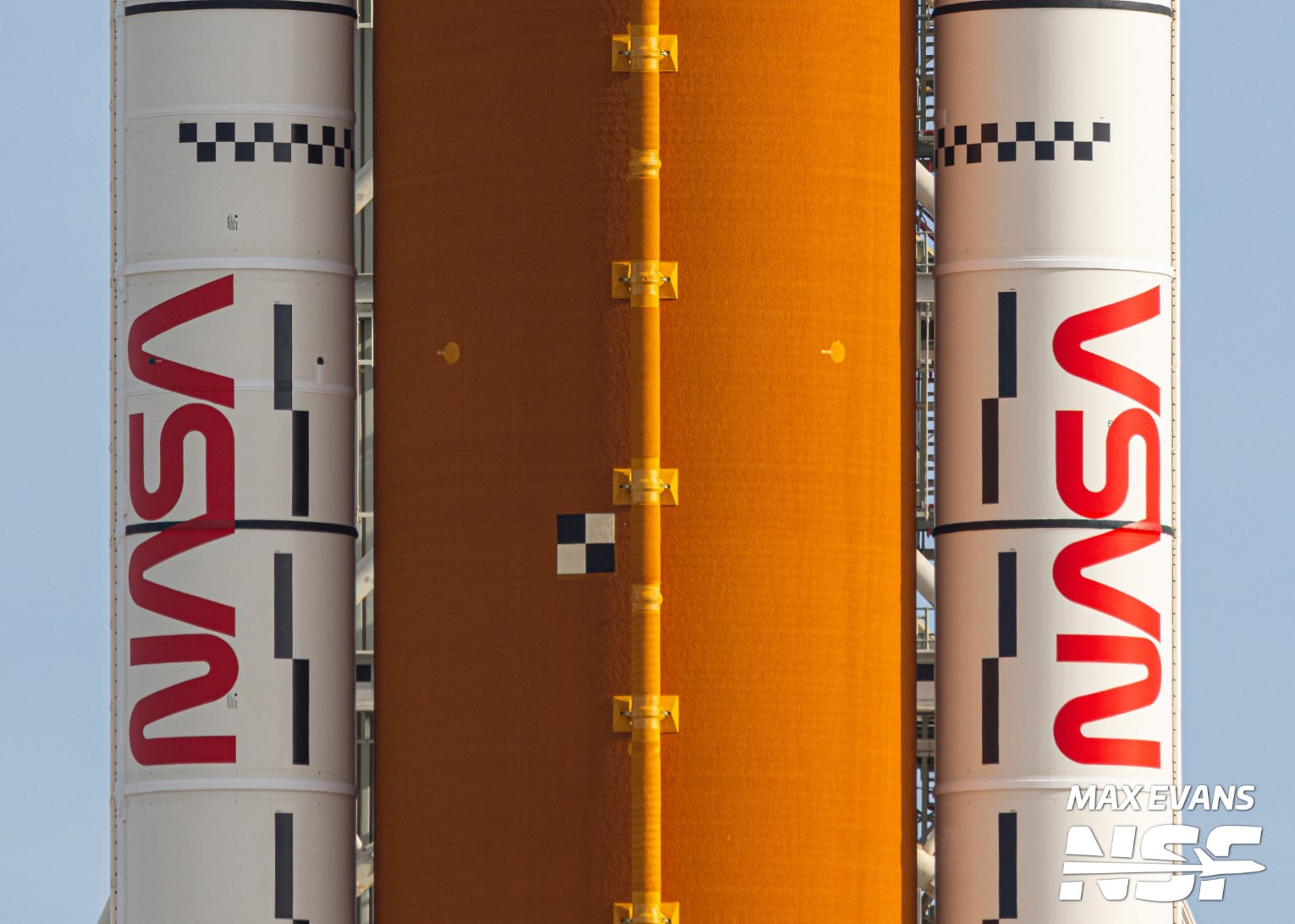
NASA has completed the stacking of the five-segment solid rocket boosters for the Artemis III mission at Kennedy Space Center. The boosters, manufactured by Northrop Grumman, were finished on September 30 in the Vehicle Assembly Building. Simultaneously, teams have installed all four RS-25 engines onto the Core Stage in High Bay 2.
The next phase involves assembling the short stack by mating the Core Stage to the boosters. This configuration will be transported to Launch Pad 39B for a tanking test in the coming months. The procedure will allow the launch team to practice propellant loading and provide the Artemis III crew with their first full launch-day rehearsal.
The crew, including Randy Bresnik, Frank Rubio, Andre Douglas, and Luca Parmitano, will perform emergency exit drills at the pad. The mission, targeted for no earlier than June 2027, will remain in low Earth orbit to demonstrate docking operations with commercial lunar modules from SpaceX and Blue Origin.
Ground teams are currently refurbishing the flame deflector at Pad 39B following the Artemis II launch. Meanwhile, the European Service Module solar arrays, which generate 11 kilowatts of power, have undergone inspection. The primary structure of the Artemis III spacer is complete, with shipping to Kennedy scheduled for early next year.
Engineers are converting structural test articles for the Orion Stage Adapter and Launch Vehicle Stage Adapter into flight units. This strategy preserves production flight articles for the Artemis IV mission. Ongoing tasks include painting, corrosion removal, and the application of thermal protection spray foam to ensure the hardware is ready for integration.



