NASA Tests Solid-State Batteries for Lunar and Terrestrial Use
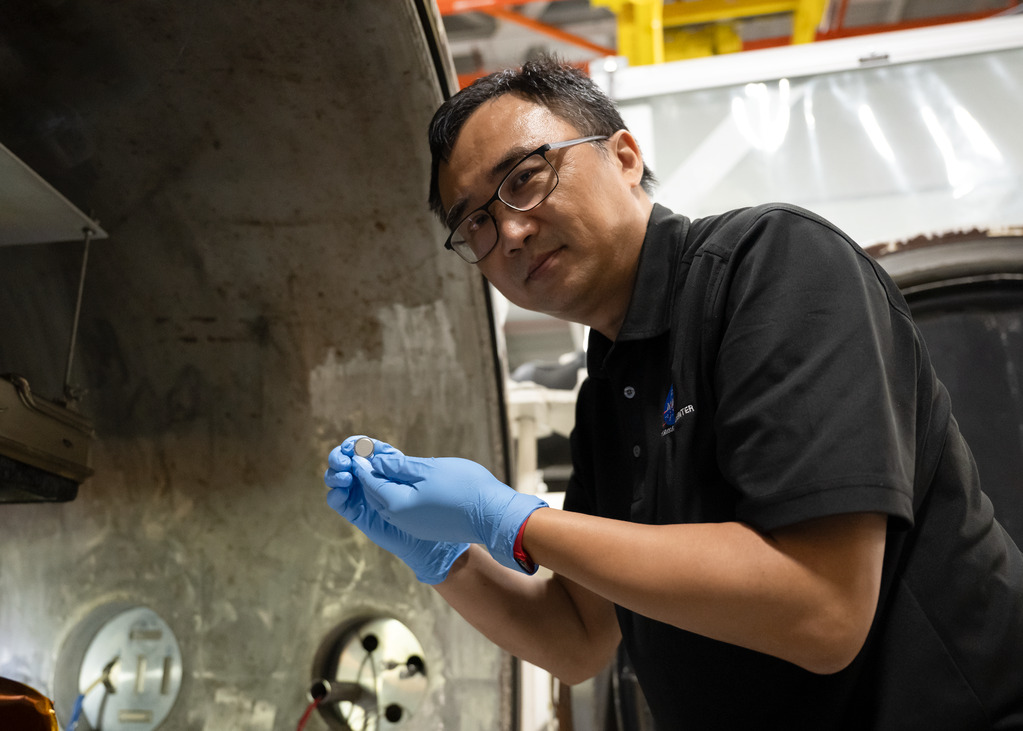
NASA has successfully tested solid-state batteries designed for extreme lunar conditions, with potential future applications for electric vehicles on Earth.

NASA has successfully tested solid-state batteries designed for extreme lunar conditions, with potential future applications for electric vehicles on Earth.

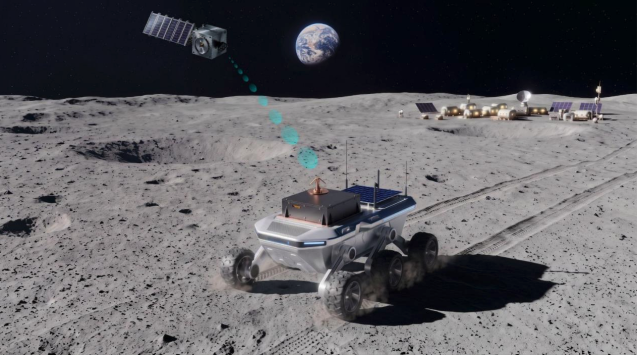
JAXA has awarded two contracts to ArkEdge Space to develop navigation technologies for the Moon, including hardware for the Artemis program's pressurized rover.

NASA is developing solid-state batteries under the SPEARS project to withstand the extreme temperature fluctuations of lunar exploration missions.

NASA is developing solid-state batteries under the SPEARS project to power lunar operations, aiming to replace liquid electrolytes with solid materials for extreme temperature resilience.

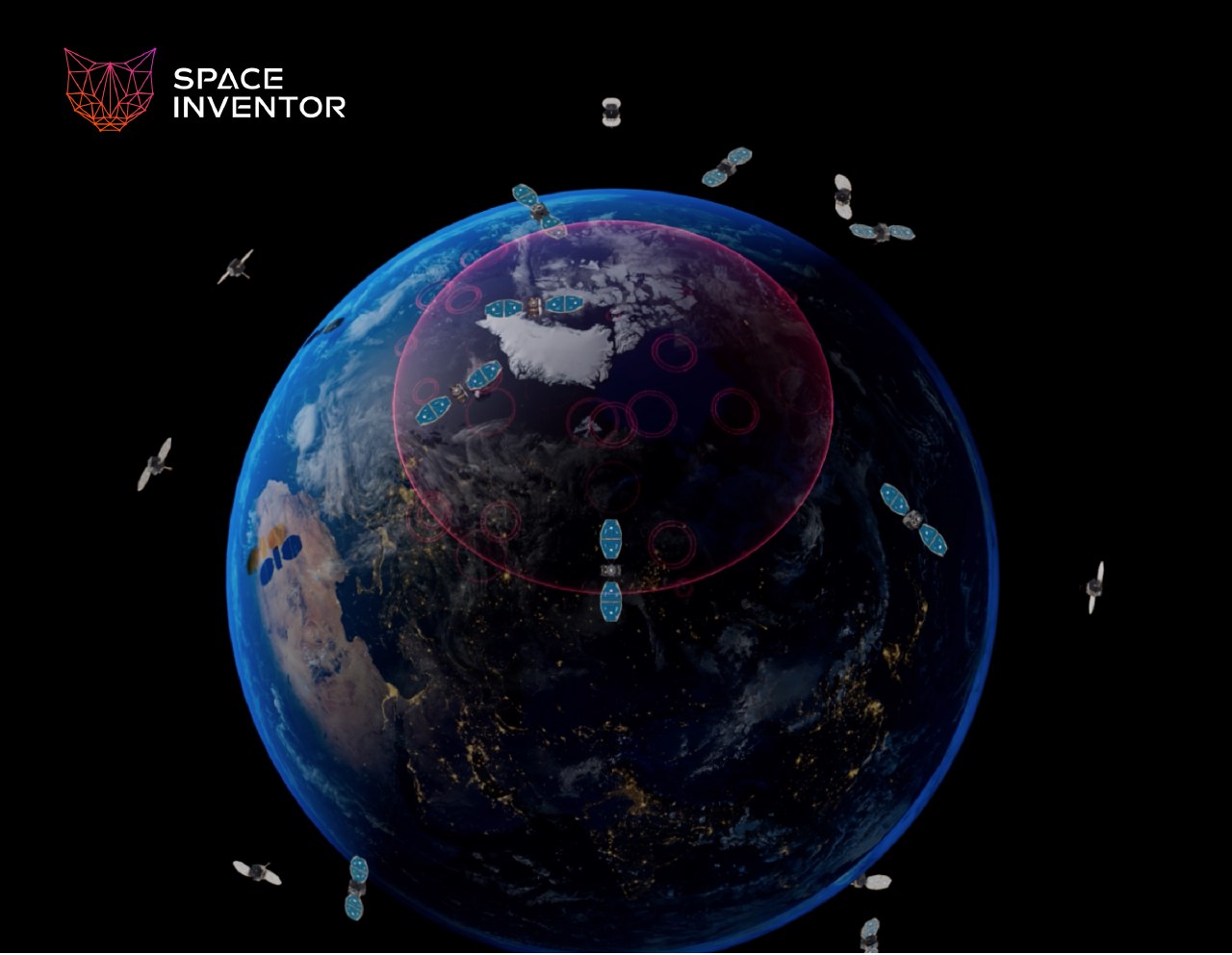
Space Inventor is deploying a modular satellite bus strategy that allows for rapid design iteration and in-house component manufacturing to support evolving mini-constellation requirements.

Satlyt has raised $8 million in seed funding to develop software that enables AI processing directly on satellites, aiming to turn spacecraft into managed computing services.

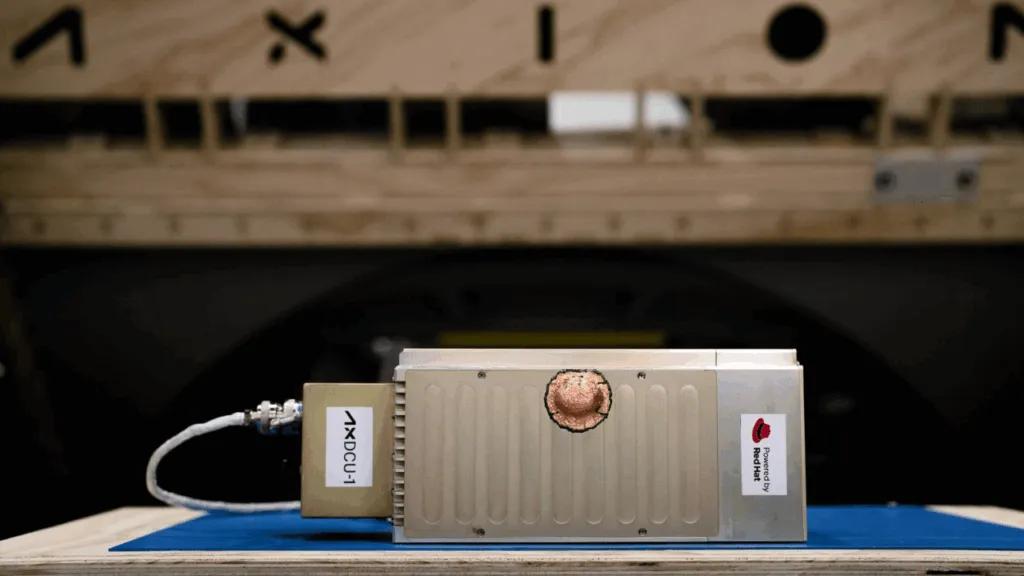
Axiom Space has successfully tested its orbital computing infrastructure, enabling data processing directly in space via the Kepler Communications satellite network.

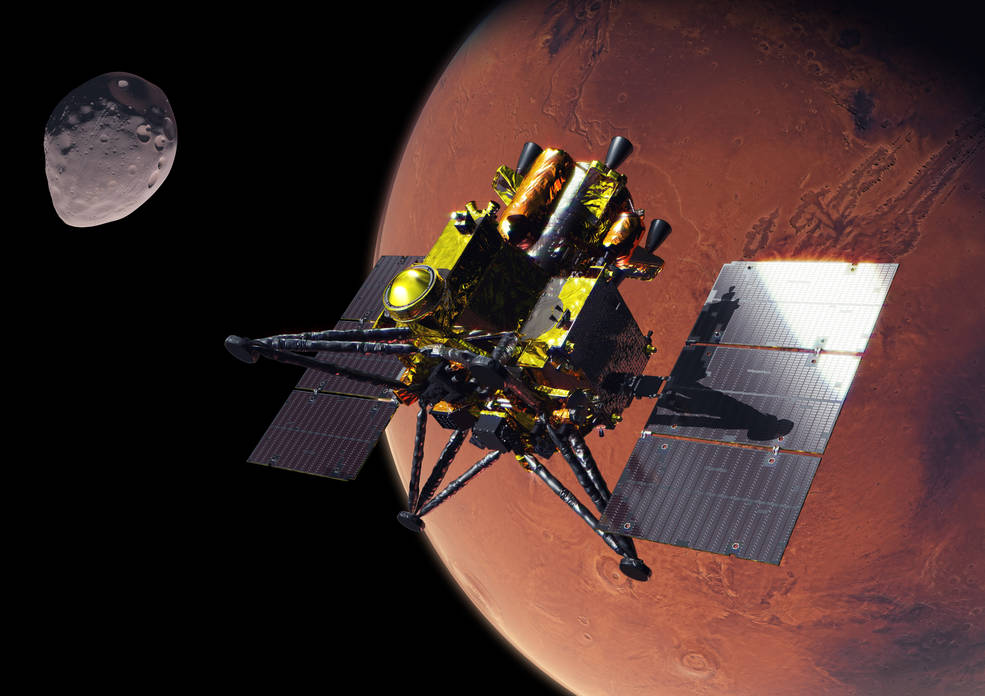
NASA is preparing to detail its technical and scientific contributions to the upcoming JAXA-led Martian Moons eXploration mission, which launches in October.

NASA has launched the SSPICY mission to test autonomous inspection technologies for orbital debris using the Starfish Space Otter spacecraft.

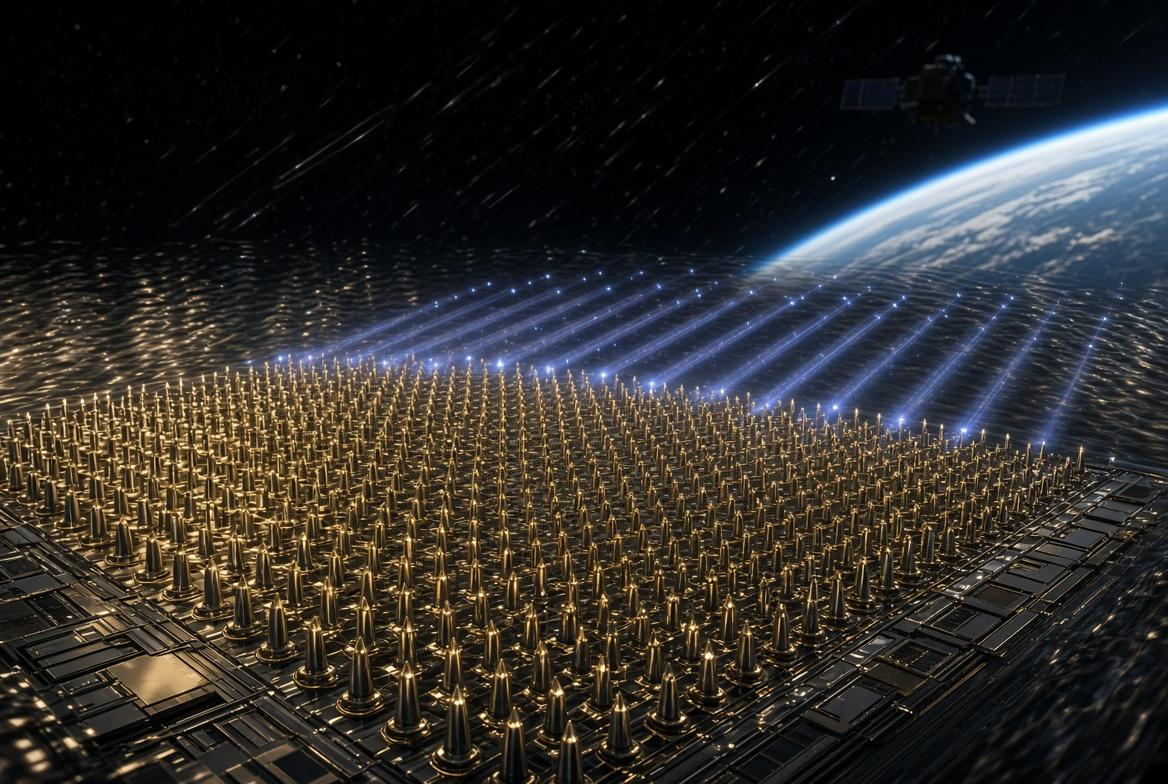
Researchers at the ISP SB RAS have developed radiation-hardened flash memory for space-based data centers and orbital supercomputers.
Estonian startup Golbriak Space has raised €4 million to scale the production of its laser communication terminals for satellite and aircraft networks.

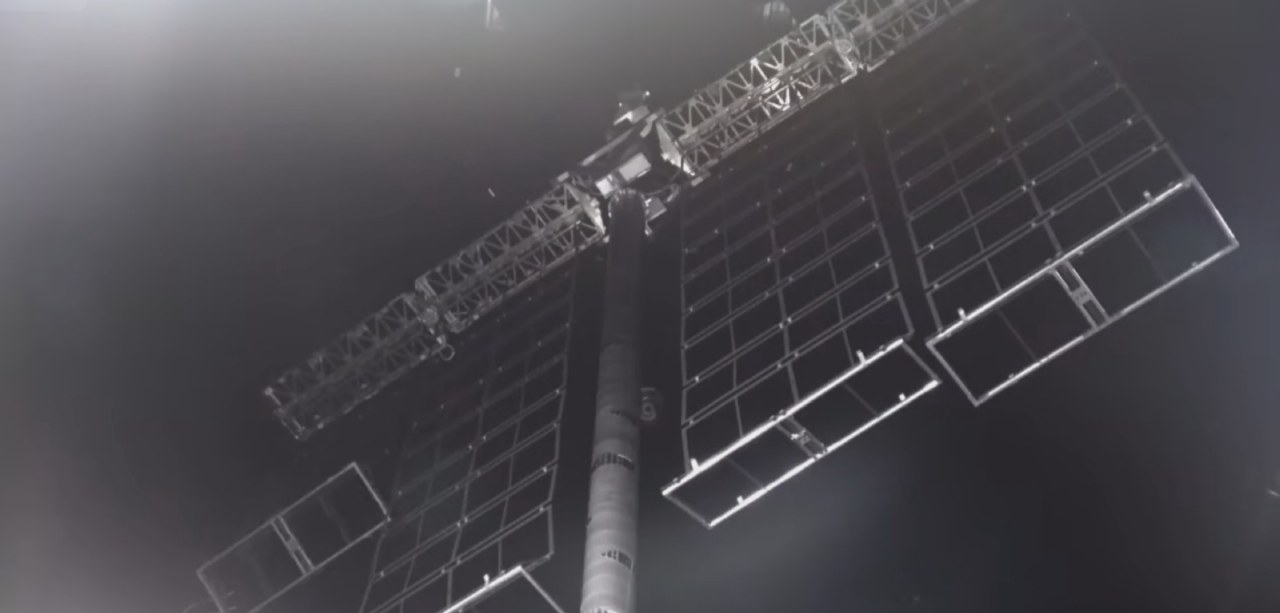
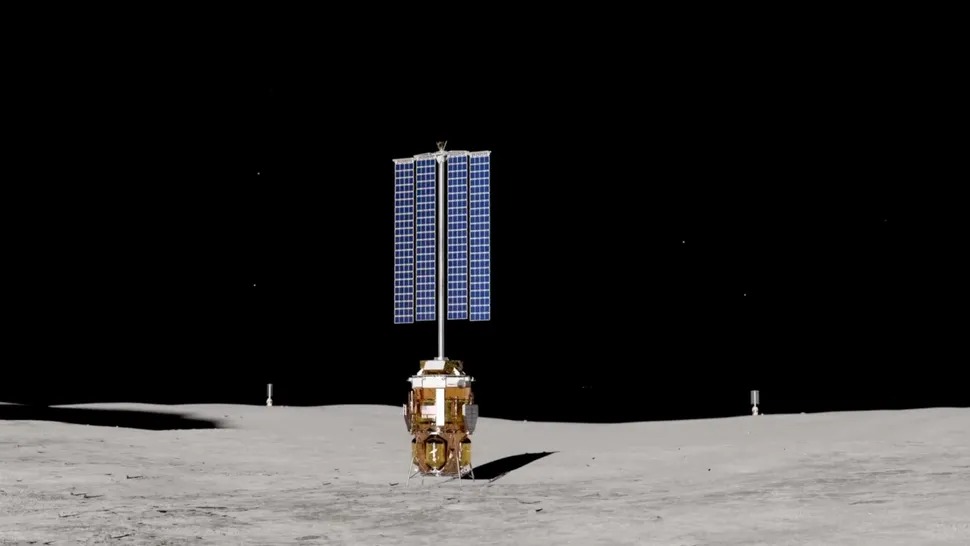
Blue Origin has introduced the Power Tower, a 20-meter vertical solar array designed to provide continuous power to lunar south pole bases.

China has achieved a breakthrough in satellite communications by enabling low-latency video calls between the North and South Poles using its domestic GW Constellation system.

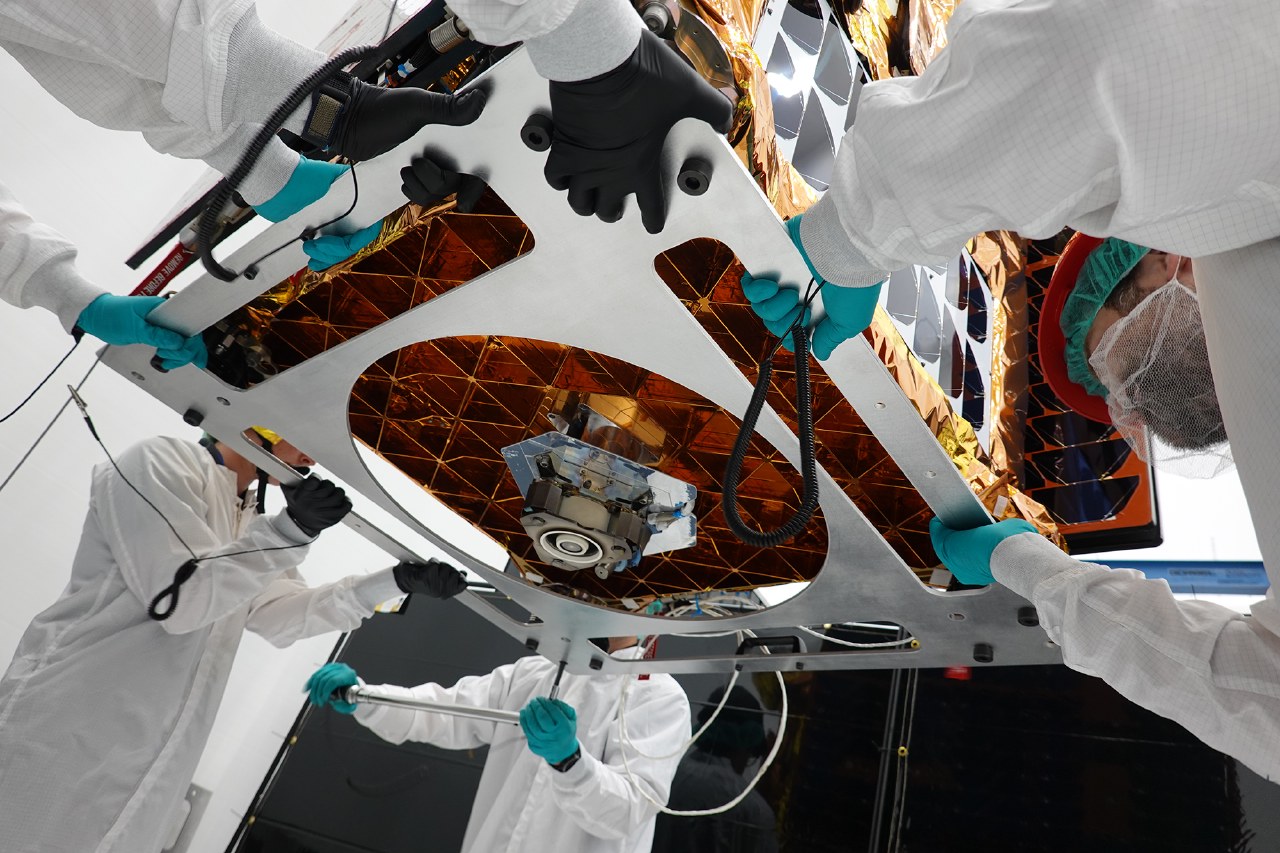
Brooklyn-based aerospace startup Beyond Reach Labs has raised $10 million in seed funding to scale the production of its deployable solar arrays for orbital infrastructure.

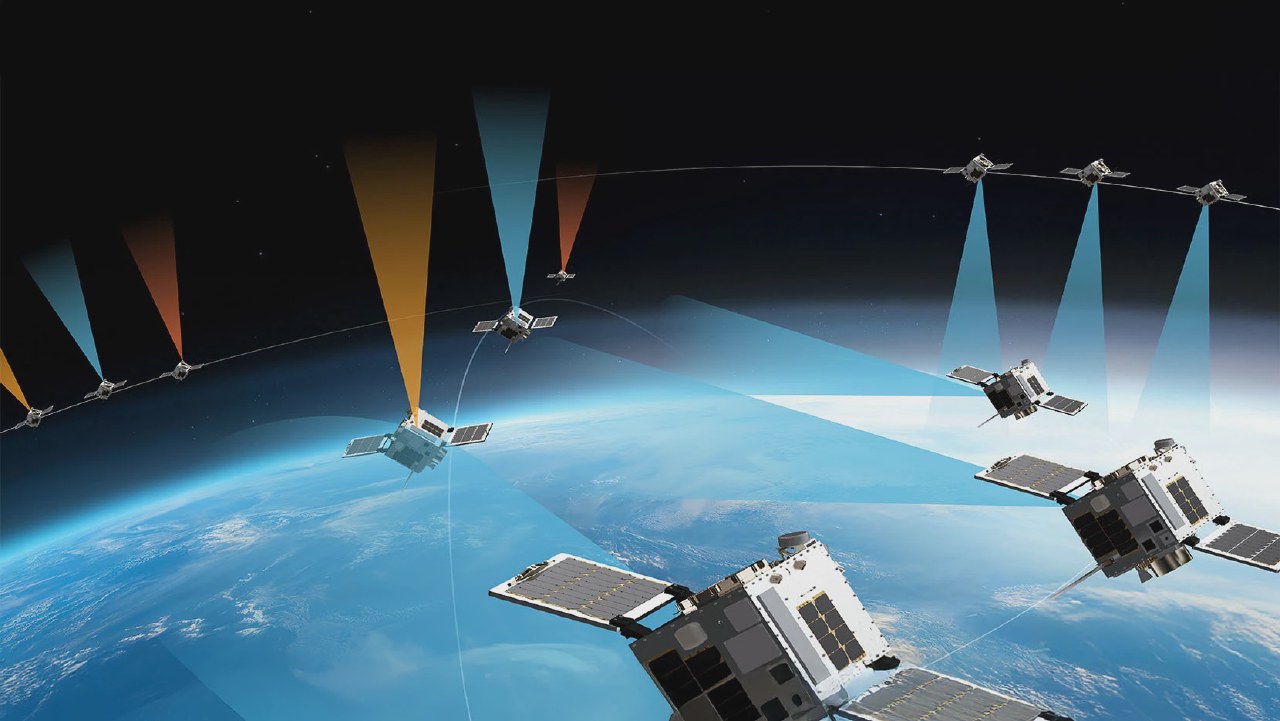
HawkEye 360 has demonstrated that its commercial RF-sensing satellites can monitor orbital targets, following a $1.2 million contract from the Air Force Research Laboratory.

Nebex and Thrusters Unlimited have partnered to structure $700 million in funding for Mexico’s sovereign space initiatives.

Novosibirsk State Technical University has developed radiation-hardened vacuum transistors designed for use in space and defense electronics.

Blue Origin has introduced a 20-meter solar power tower designed to supply over 10 kilowatts of electricity to future lunar bases at the Moon's south pole.

Canada has launched a specialized center to develop radioactive power sources for deep space missions, aiming to build a domestic supply chain by 2030.

A software developer explores the intersection of personal passion projects and professional experience, highlighting recent satellite tracking tools and space-themed game development.