

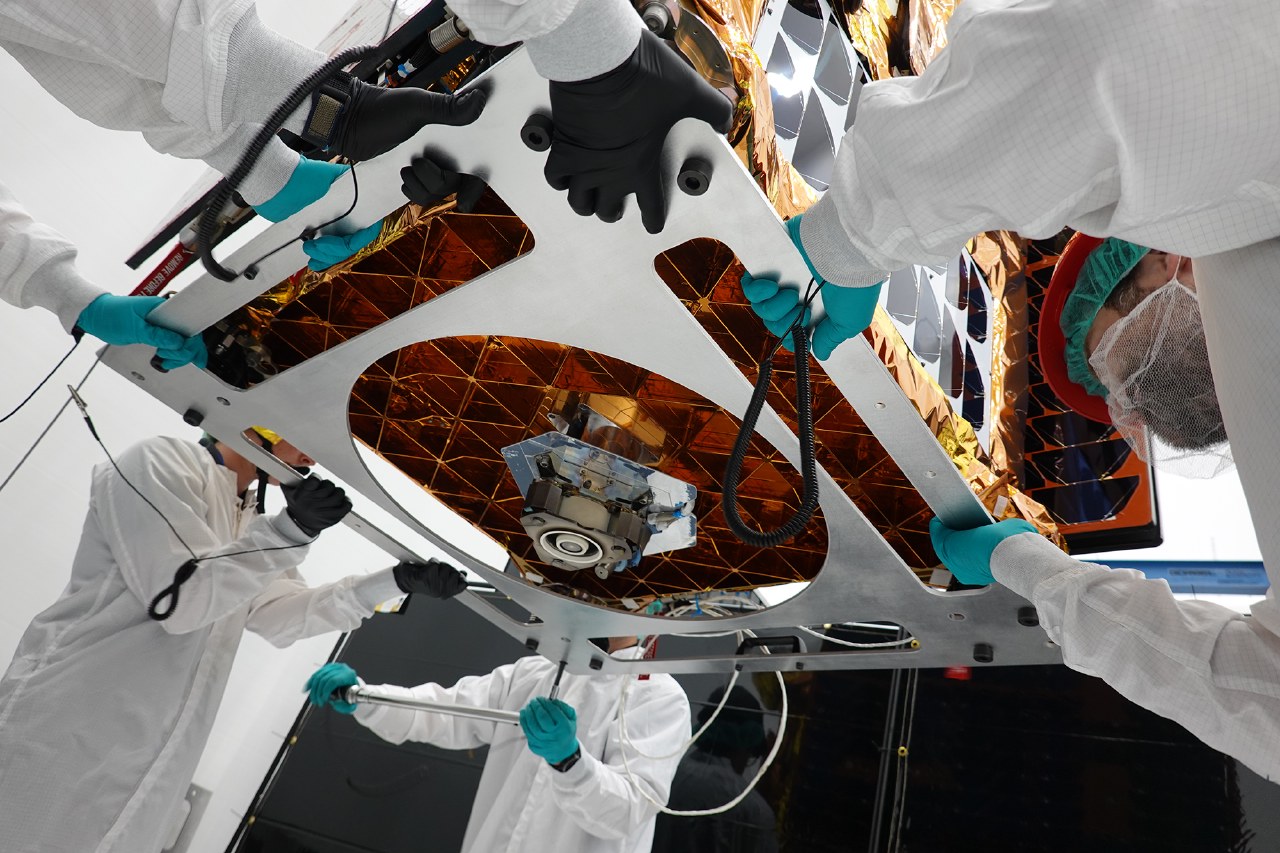
The SSPICY mission, supported by NASA, aims to demonstrate technologies for in-space inspection of defunct satellites and rocket bodies. The Otter spacecraft, developed by Starfish Space, launched on October 1 from Vandenberg Space Force Base in California to conduct these tests in low Earth orbit.
Starting in early 2027, the Otter will autonomously navigate within hundreds of yards of up to four non-operational U.S. space objects. The spacecraft utilizes computer vision, sensors, and autonomous guidance software to assess the spin rate, orientation, and surface condition of each target without physical contact or docking.
The mission serves as an integrated test for an electric propulsion system and an articulating robotic boom designed for precise maneuvering between orbits. These technologies are intended to support future orbital servicing, repairs, and the removal of space debris by guiding objects into the Earth's atmosphere.
NASA’s Small Spacecraft and Distributed Systems program manages and funds the demonstration. Additionally, the agency’s Small Business Innovation Research and Small Business Technology Transfer programs provided funding to Starfish Space to support the early development of the spacecraft's core capabilities.



