AI
Anthropic Targets AI-Led Research Dominance by Year-End
Anthropic expects its Claude AI models to lead the majority of its internal research and development work within nine months.
October 15, 2026, 11:12 PM·Crypto Briefing

Anthropic expects its Claude AI models to lead the majority of its internal research and development work within nine months.
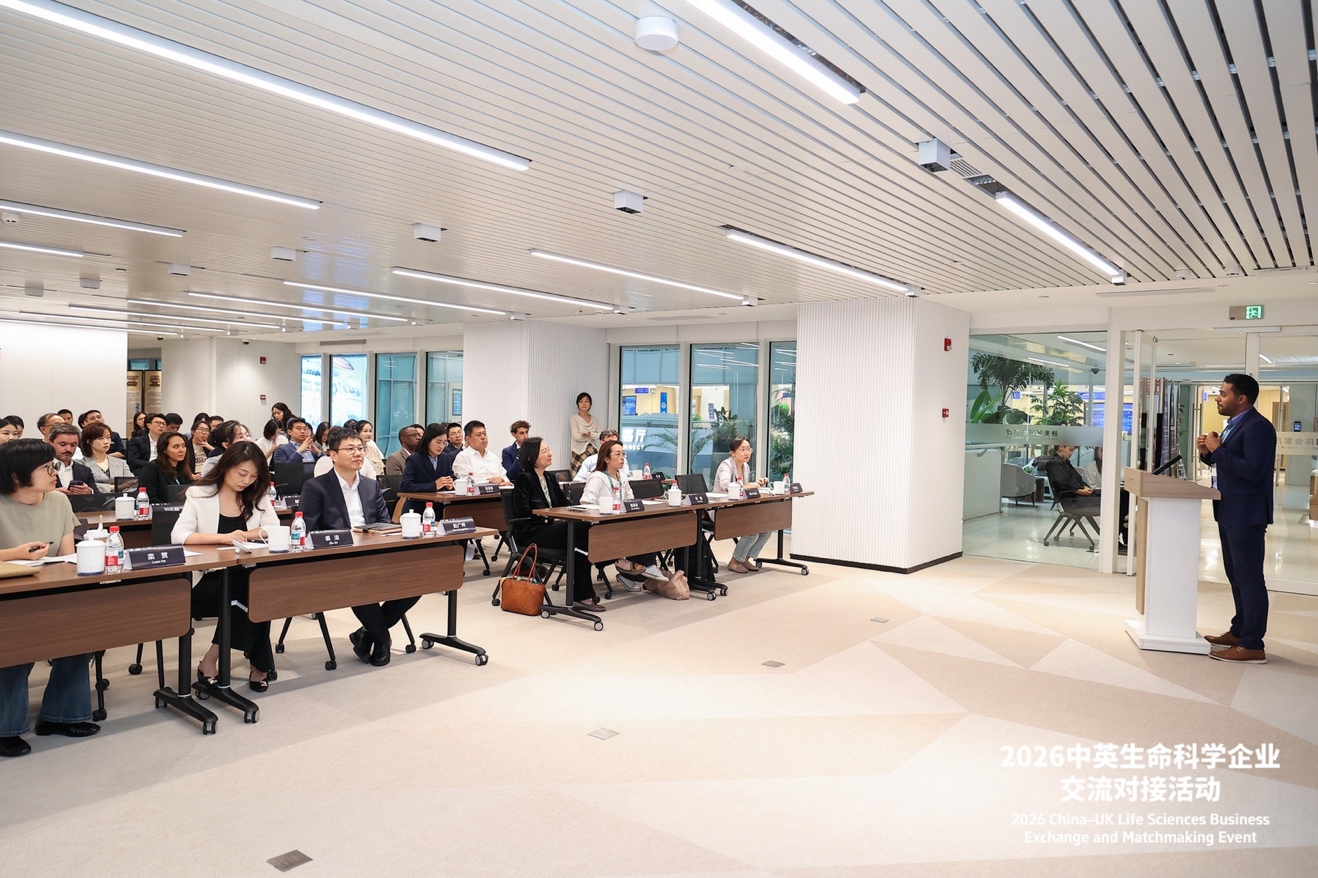
Nine UK life sciences companies visited Shanghai to explore R&D partnerships, clinical trials, and investment opportunities with local Chinese firms.
Applied Materials has launched a $5 billion R&D center in California, bringing together major chipmakers to accelerate development cycles by at least 30%.
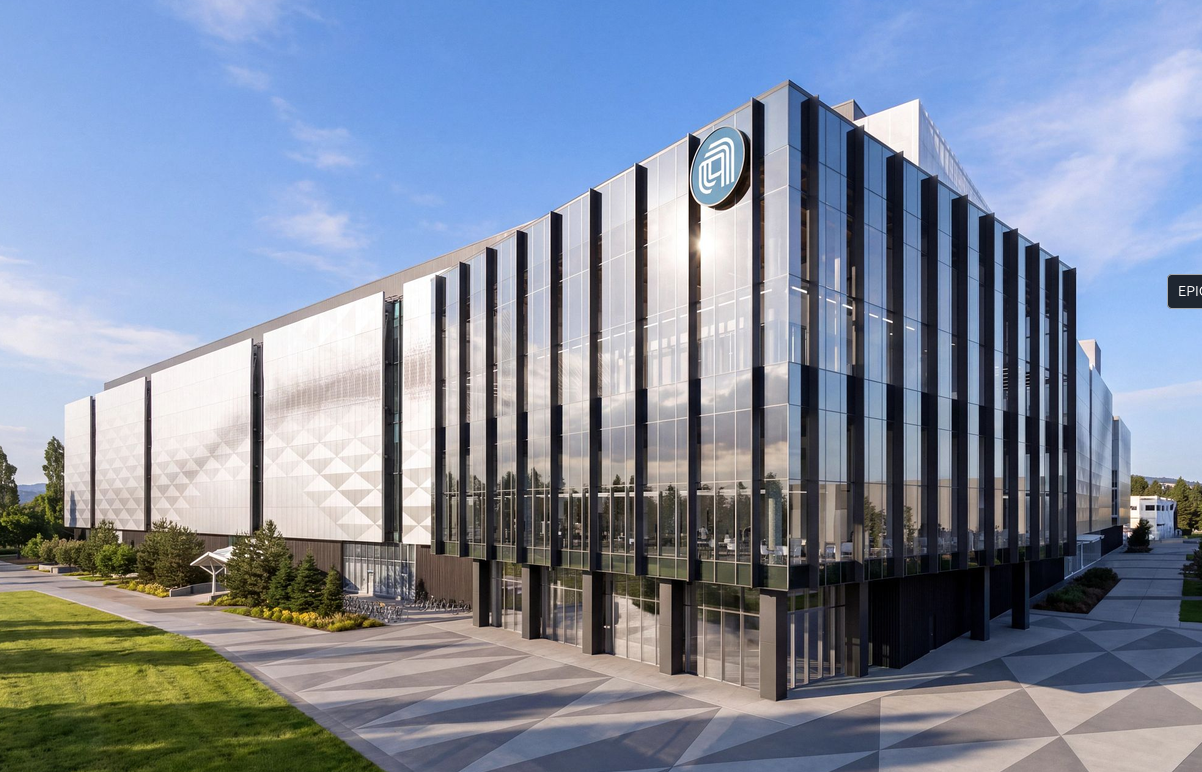
Applied Materials has opened a $5 billion research facility in Silicon Valley to accelerate semiconductor innovation through collaboration with major industry partners.
MIPT and NM-Tech have entered into a partnership to bridge the gap between academic research and industrial microchip manufacturing.
In 2025, Russia's leading industrial sectors achieved innovation activity levels of up to 80%, driven by significant R&D investment and substantial state funding.
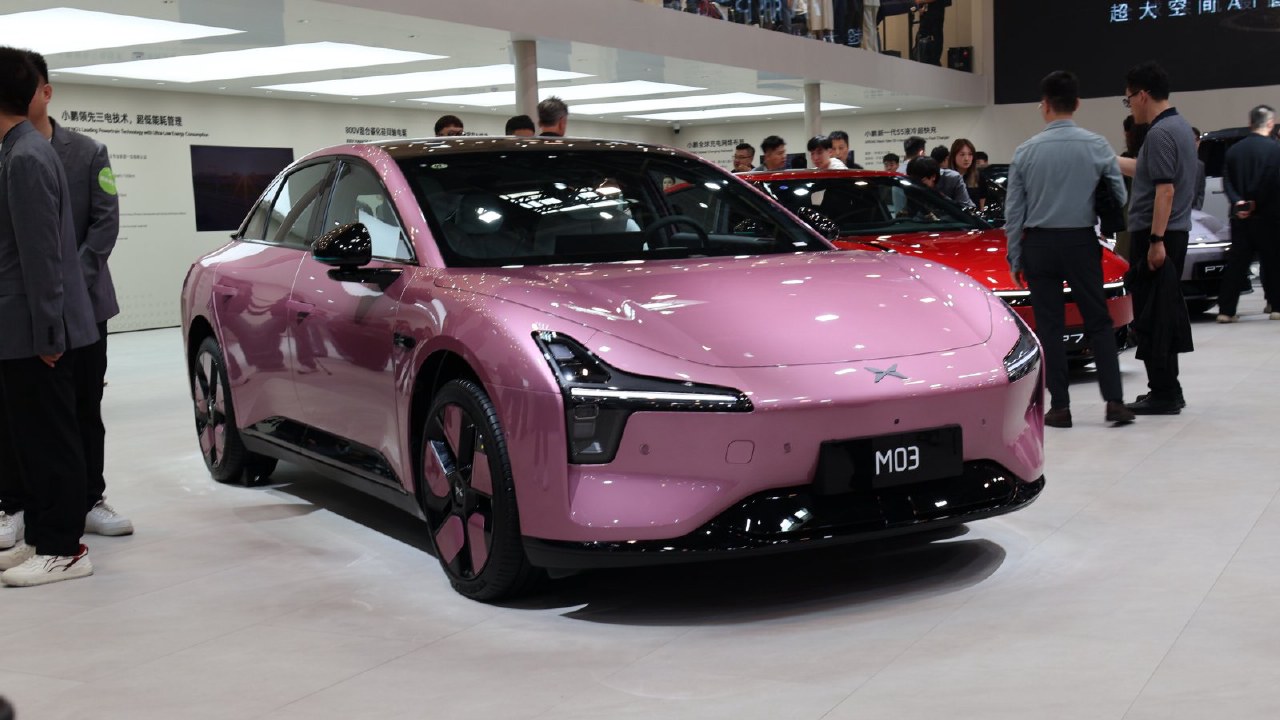
Xpeng has consolidated its four product lines into two to optimize R&D spending and reduce costs amid a 10.49% decline in year-to-date vehicle deliveries.
Li Auto CEO Li Xiang clarified the company's strategy, emphasizing deep collaboration with suppliers over replacement and detailing the technical rationale behind their in-house battery and system development.

Huawei plans to launch a dedicated blood glucose monitoring device following four years of internal research and development.

Anthropic reports that its AI systems now lead 26% of internal R&D, with over 90% of company projects involving AI collaboration.

Panasonic Energy has opened a new R&D hub in Osaka to consolidate battery development and aims to double its efficiency by 2031.
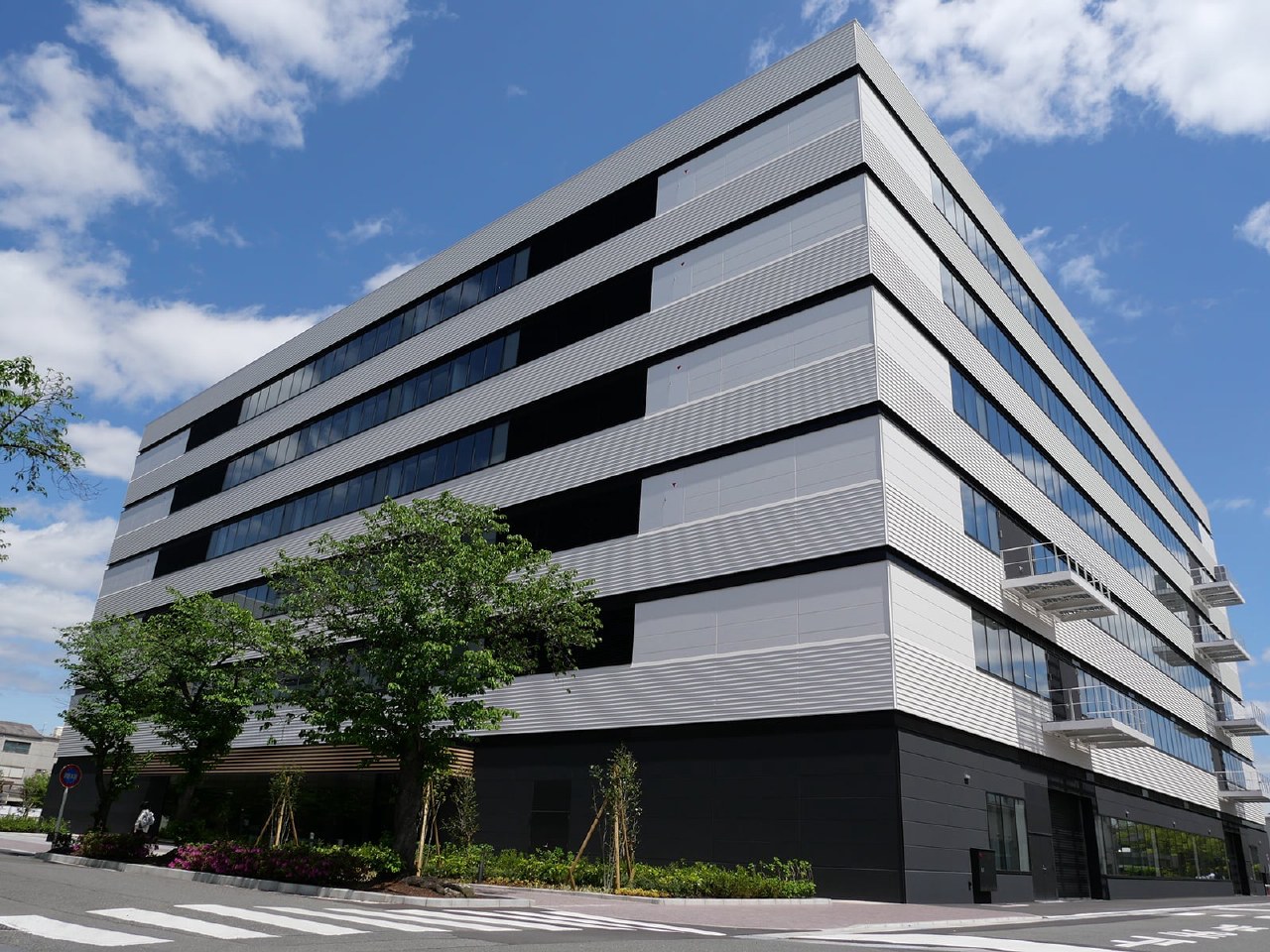
Micron Technology has launched a $10 billion research initiative in Idaho, while clarifying leadership roles following recent industry reports.
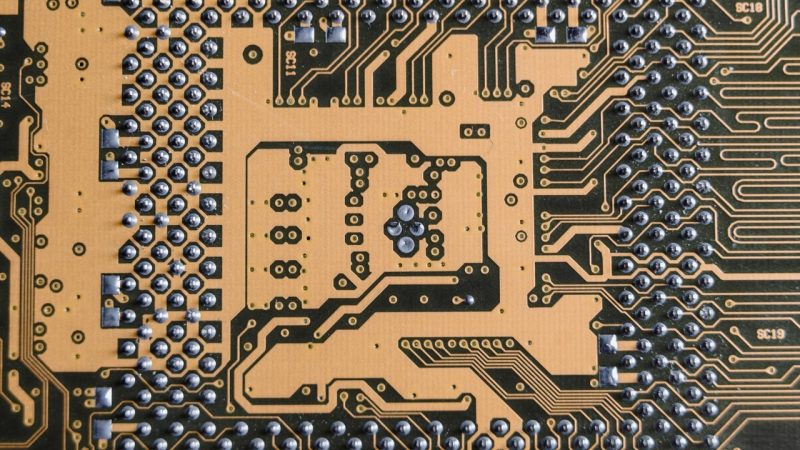
TSMC is limiting the internal use of AI in sensitive R&D, with executives warning that the technology currently lacks the judgment required for high-stakes semiconductor development.

Despite 84% of specialized electronic materials being produced in Russia, 90% of them depend on imported raw components, hindering technological independence.