Richard Bronson Launches Commissary Club to Support Ex-Convicts
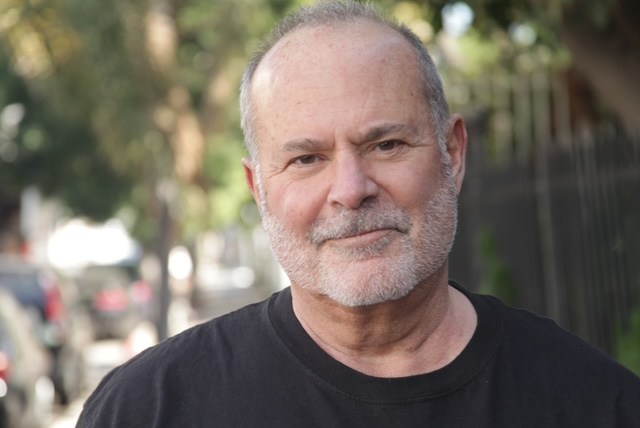
Former Stratton Oakmont partner Richard Bronson has launched Commissary Club, an AI-powered platform helping individuals with criminal records find employment and housing.

Former Stratton Oakmont partner Richard Bronson has launched Commissary Club, an AI-powered platform helping individuals with criminal records find employment and housing.

A recent Honor study indicates that while interest in manual labor is rising, most people view it as a side job rather than a primary career due to concerns over health and physical demands.
A joint study by Avito Rabota and Rosmolodezh.Profi shows that 35% of young Russians choose their career path only after entering the labor market.
McKinsey forecasts a net job gain in the US by 2035, though 11 million workers may need to switch careers due to AI-driven labor market shifts.

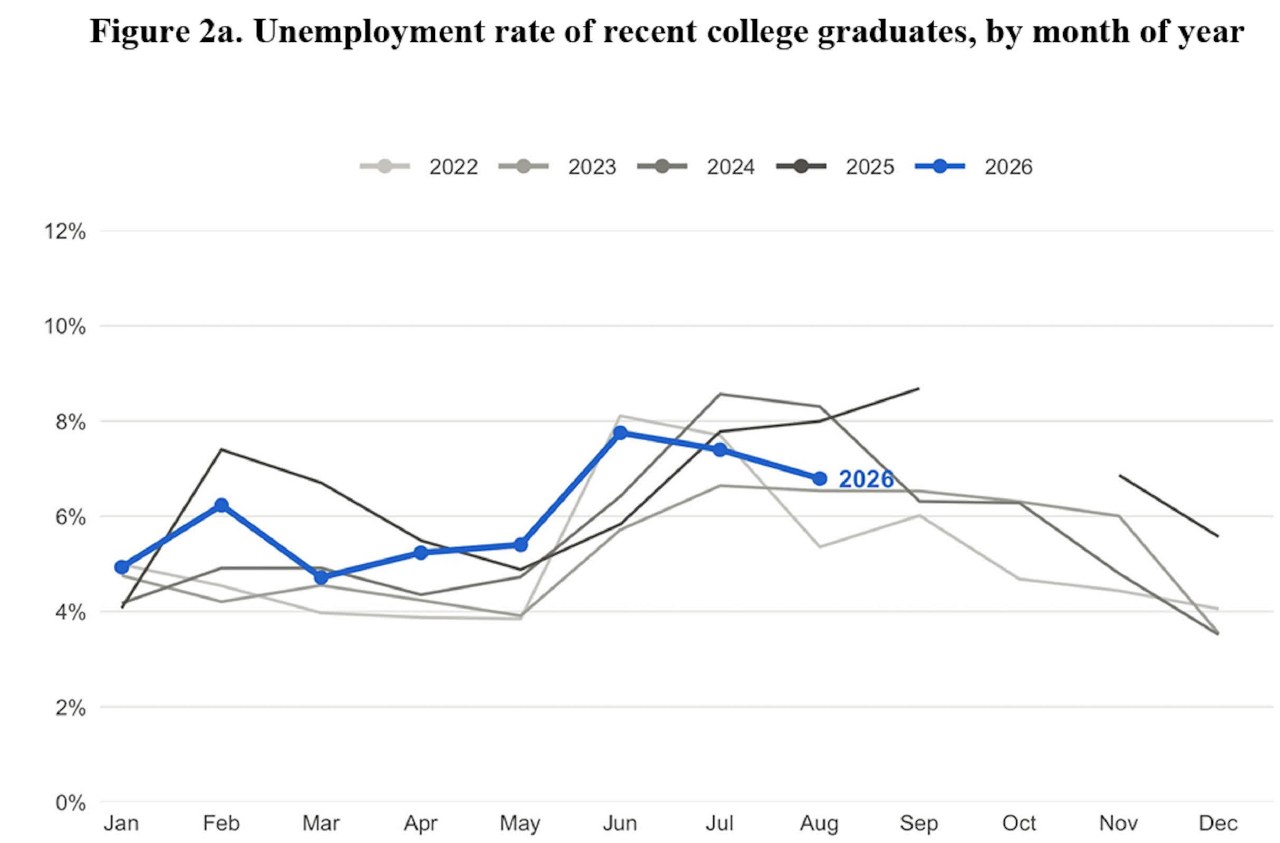
A UCLA study shows that the unemployment rate for recent graduates in summer 2026 remained stable at 7.3%, showing no significant impact from AI adoption in the labor market.

A study by the CESifo Institute shows that the unemployment rate for recent US college graduates remains within normal ranges as of summer 2026, despite concerns over AI adoption.

Recent data indicates that the 2026 summer unemployment rate for new college graduates remains consistent with historical trends, showing no immediate signs of widespread AI-driven displacement.

A joint study by Avito Podrabotka and PEK reveals a significant rise in job opportunities and shift pay for pensioners and workers over 45 in Russia during 2026.
A survey of 1,500 Russian employees reveals that marketing and advertising professionals are the most concerned about AI-driven job displacement.

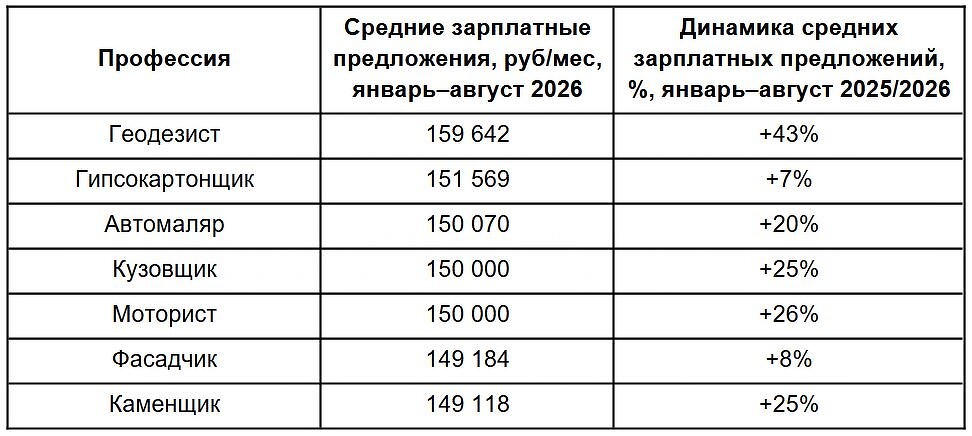
Surveyors have emerged as the highest-paid blue-collar workers in Russia, with average monthly salary offers reaching 159 642 ₽ in the first eight months of 2026.

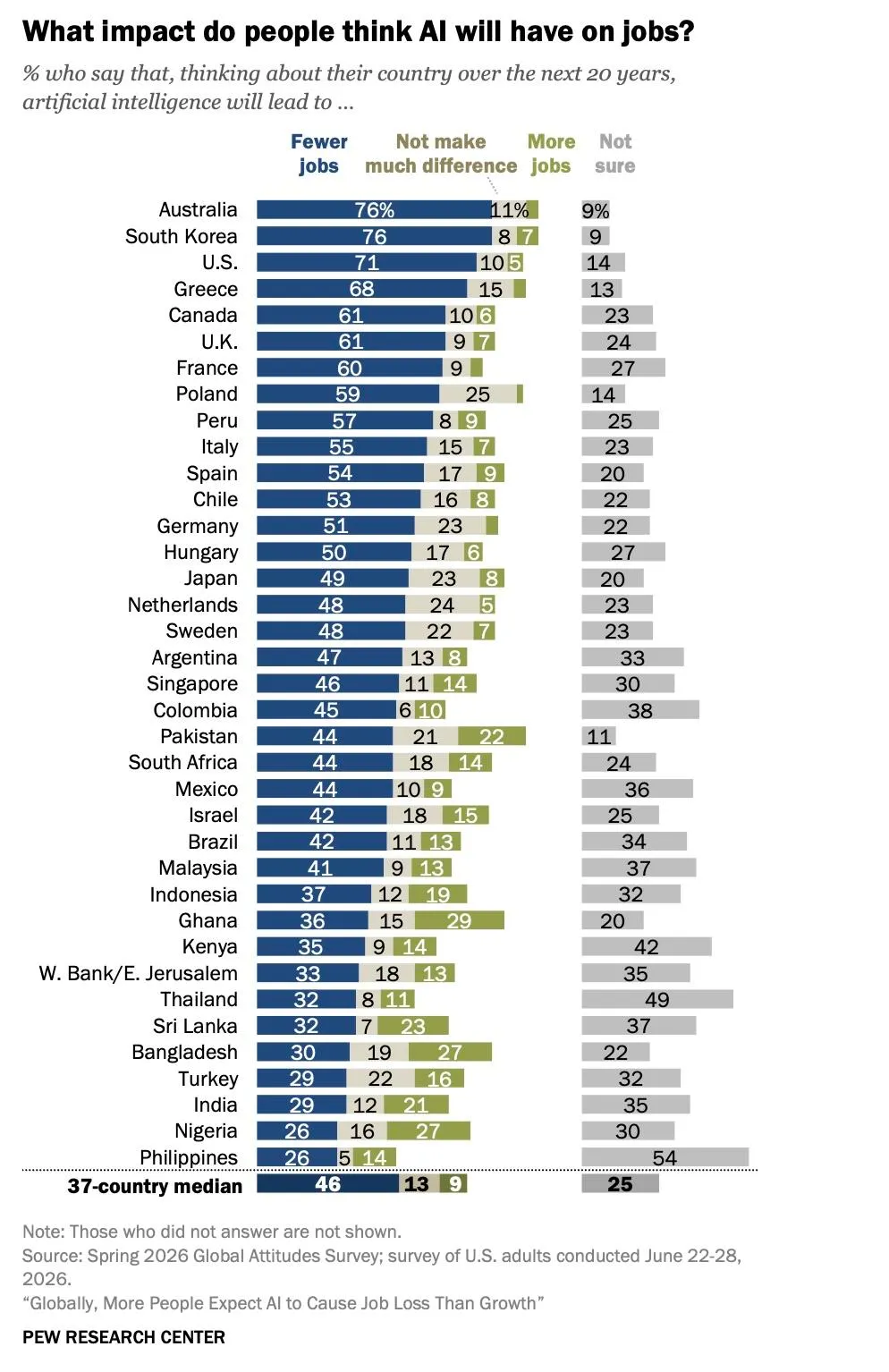
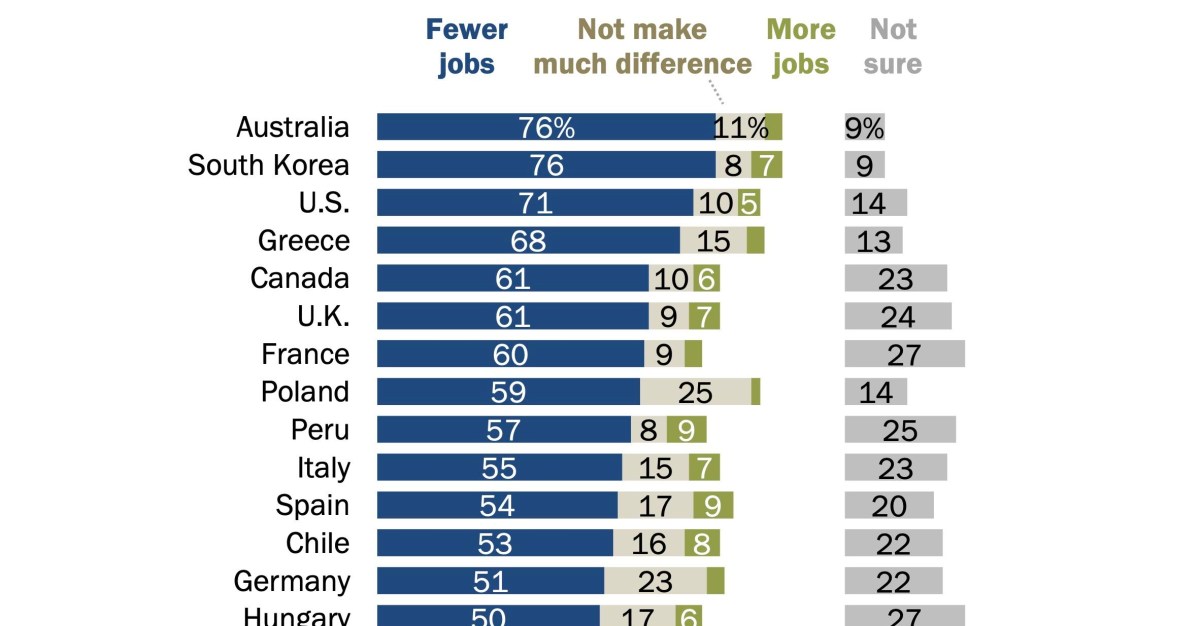
A 37-country survey by the Pew Research Center reveals that most people believe AI will decrease job availability over the next two decades, with anxiety peaking in developed nations.

A new global survey by Pew Research indicates that a majority of people across 37 countries fear that artificial intelligence will lead to job losses over the next two decades.

Bloomberg Economics estimates that 380 million jobs worldwide are at risk of disruption from AI, with advanced economies facing significantly higher exposure than emerging markets.

The UK government is piloting an AI training program in Preston to help NEET youth secure apprenticeships and bridge the national skills gap.

A study by VK Education and Tvoy Khod reveals that over 60% of Russian university students combine studies with work, with 29% employed by large corporations.

China has officially recognized 121 new professions since 2019, including 11 new roles in AI and green energy sectors.