Retail Giants Shift Costs and Control via Automation
Walmart and Amazon are reshaping retail economics by shifting operational costs to suppliers and gaining greater control over consumer discovery through robotics and AI.

Walmart and Amazon are reshaping retail economics by shifting operational costs to suppliers and gaining greater control over consumer discovery through robotics and AI.

A joint study by YooMoney and SberHealth shows that 18% of Russians now consult AI for medical advice, while the pharmacy market shifts toward integrated digital ecosystems.
Major e-commerce platforms JD.com and Taobao launch 11.11 promotional events on October 15 at 20:00, featuring prize pools and red envelope giveaways.

Kohl’s is deploying its AI shopping assistant for the upcoming holiday season after reporting improved conversion metrics and a 2.8% rise in digital sales during the second quarter.

Shopify is opening its catalog of over one billion items to a wider range of AI agents, allowing users to automate purchases through the Shop platform.

China's market regulator has proposed a draft amendment to the Food Safety Law, introducing AI-driven surveillance, stricter corporate accountability, and new rules for online food sales.
Seven Chinese government departments have launched a new initiative to regulate e-commerce, targeting unfair competition practices like automated price matching and fake reviews.

Wildberries has launched a digital procurement platform for state educational institutions, allowing direct purchases of goods with a transaction limit of 5 ₽ million.

OpenAI is testing color-coded product labels in ChatGPT to provide structured, AI-generated shopping recommendations directly within chat responses.

Ozon sellers have generated 9.5 million orders through VKontakte's 'shops' feature, which allows influencers to earn commissions by showcasing products in their content.
Lamoda has launched a new 'Customer Profile' analytics tool for sellers, enabling detailed audience segmentation and automated insights to help brands scale their marketplace sales.
TikTok is rolling out AI-powered Shopping Assistant and Buy Direct tools to integrate commerce directly into the user experience and boost retail market share.

TikTok has launched an AI-powered shopping assistant and a one-click checkout feature, Buy Direct, as part of its new Agentic Commerce initiative in the US.

Meta's Muse AI agent has reached 5 million downloads, enabling users to automate shopping and payments while introducing a new transaction-based revenue model for the company.

Detsky Mir marketplace has launched a free storage program for seasonal goods, allowing sellers to stock up for the holiday season without extra costs until the end of 2026.
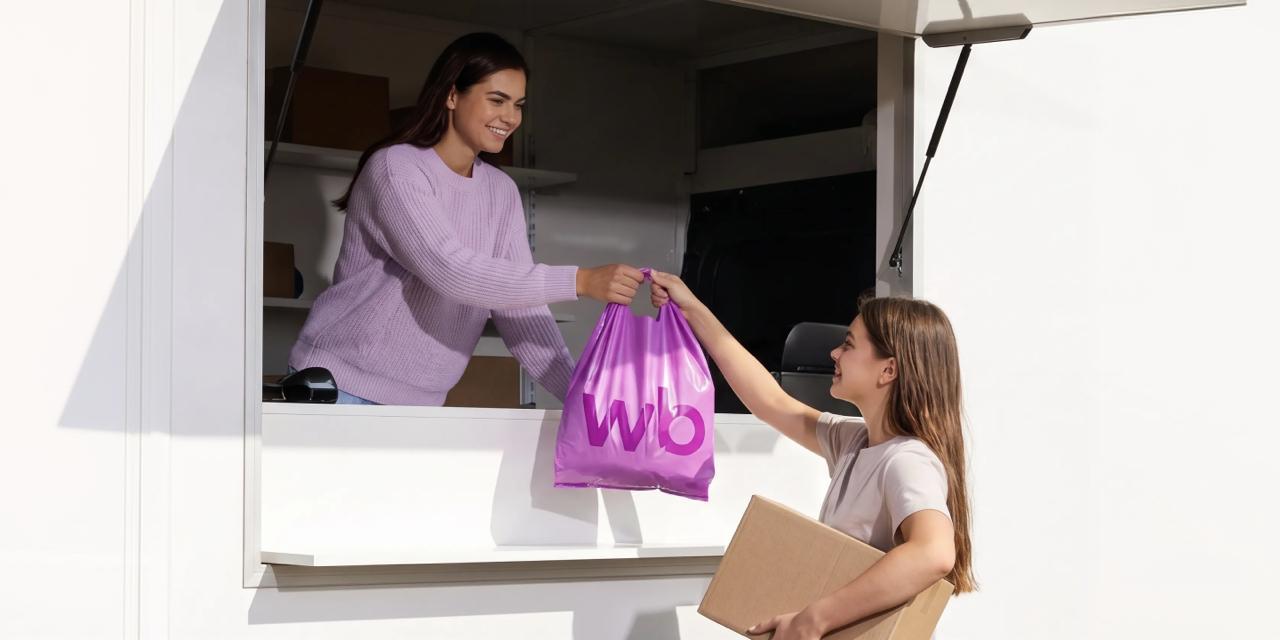
Wildberries has introduced mobile pickup points in the Tver region to serve 12 remote settlements on a fixed weekly schedule.

Russian social network Looky has launched new e-commerce integration tools for brands, following the implementation of new national regulations for digital platforms.
E-commerce search is evolving from simple image matching to multimodal models that aggregate product photos, text descriptions, and user behavior for higher accuracy.

A new study shows that 65% of Russian consumers purchase Chinese goods primarily to fill gaps in the domestic market, while prioritizing local sellers for better service and delivery.
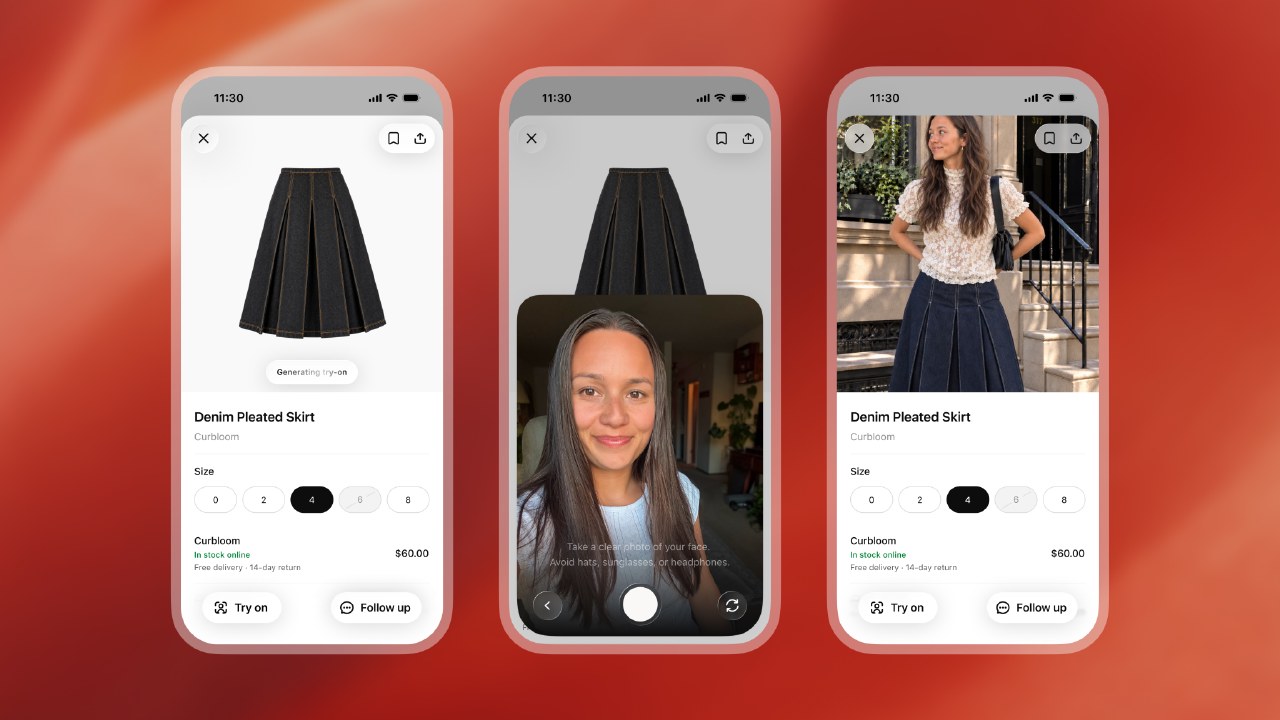
OpenAI has integrated virtual try-on and collection features into ChatGPT, powered by the new Images 2.5 model to compete in the fashion discovery market.