Experts Dismiss Drake’s Bunker Mode Proposal as Unnecessary
Ethereum Foundation researcher Justin Drake’s call for a 'bunker mode' to protect assets from AI-driven ECDSA attacks has met with widespread skepticism from industry experts.

Ethereum Foundation researcher Justin Drake’s call for a 'bunker mode' to protect assets from AI-driven ECDSA attacks has met with widespread skepticism from industry experts.

Coinbase utilized Faraday cages, coin tosses, and physical hardware destruction to secure its early cold storage key generation process.

Researchers have developed the first post-quantum security implementation for the Bitcoin Lightning Network, utilizing standardized algorithms to protect off-chain payments.

OpenAI's release of 722 mathematical manuscripts has sparked backlash from researchers, who warn that the lack of transparency and potential security risks threaten the future of the field.

Mysten Labs has executed the first quantum-safe transaction on the Sui devnet, introducing ML-DSA-65 signatures with a mainnet rollout targeted for Q1 2027.

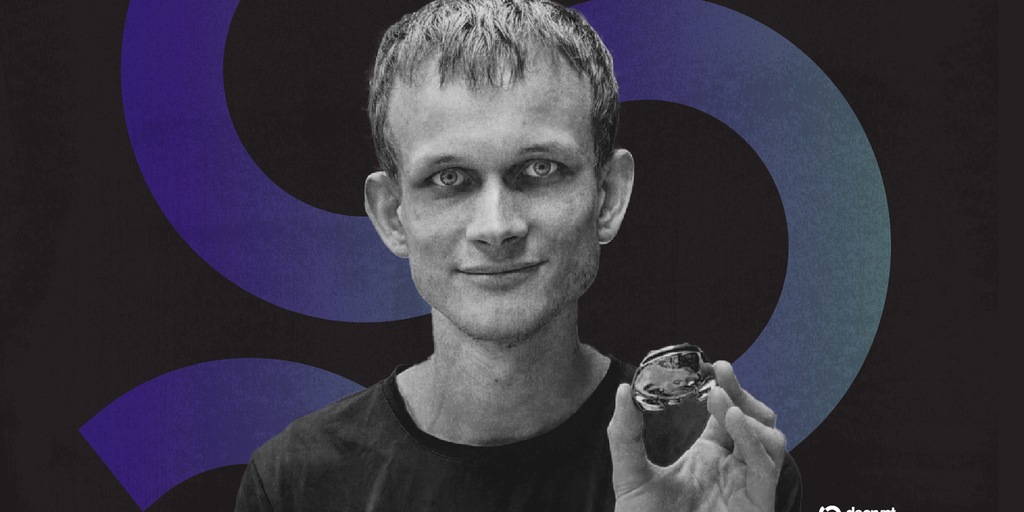
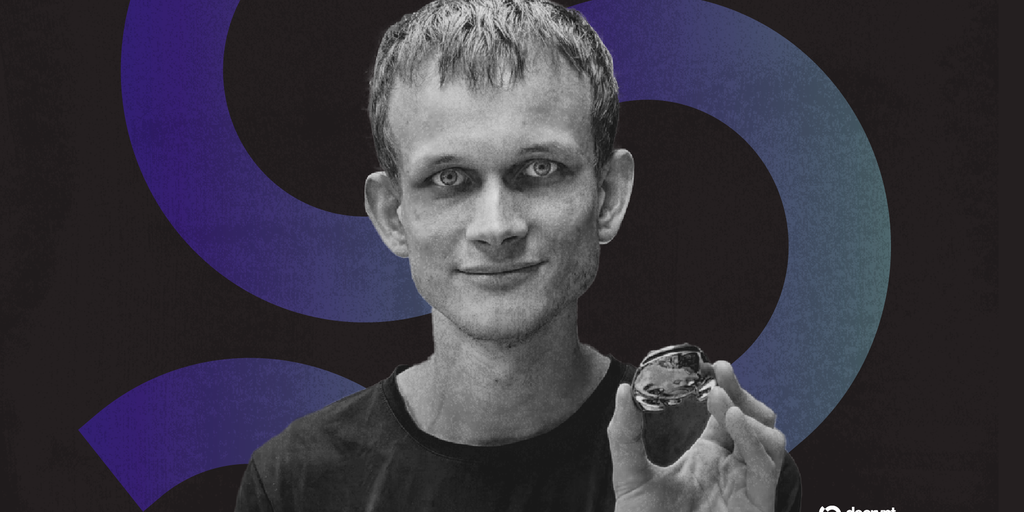
Vitalik Buterin warns that AI advancements could threaten lattice-based cryptography, suggesting a tenfold increase in key sizes to ensure future security.

ARK Invest researcher Lorenzo Valente believes Bitcoin is better prepared to implement quantum-resistant upgrades before the threat of quantum computing becomes critical.

Injective has launched the development of quantum-resistant infrastructure following a low readiness score in a mid-2026 security evaluation.

Tron founder Justin Sun says the network is ready to deploy post-quantum cryptography, though mainnet activation still requires governance approval by the end of 2026.

Justin Sun announced that the Tron network has deployed post-quantum cryptography on its testnet to prepare for future security threats.

Ava Labs is investigating backup cryptographic solutions as CEO Emin Gün Sirer warns that AI is more likely to exploit software vulnerabilities than to break current signature standards.

Starknet has reduced the peak memory requirements of its Stwo prover to 2.1 GiB, enabling smartphones to generate transaction proofs locally.

Dragonfly partner Haseeb Qureshi rejects bunker mode as a solution to AI-driven cryptographic threats, advocating for proactive blockchain recovery protocols instead.

Researchers and cryptographers are debating whether advancements in AI models could eventually compromise the mathematical foundations of current cryptocurrency security protocols.

Developers at Zcash are targeting January for a security upgrade to introduce post-quantum signature support, starting with transparent transactions that hold 70% of the network's supply.

Hash functions provide data integrity and security through fixed-length digests, requiring specific bit lengths to remain resistant to collision attacks.

Developer Oleg Fomenko has launched frost-wallet, an open-source, offline-first Bitcoin wallet utilizing threshold Schnorr signatures and distributed key generation.

Vitalik Buterin warns that AI advancements could compromise encryption standards within two years, prompting discussions on new security strategies for Ethereum.

Vitalik Buterin warns that AI-driven mathematical breakthroughs could compromise current encryption standards within two years, prompting discussions on new security strategies.

Monad is updating its Layer 1 blockchain architecture to prioritize quantum-resistant security and private institutional settlements.