MIT Researchers Observe Rare Long-Term Stellar Accretion
MIT researchers have discovered a binary system where a low-mass star slowly consumes material from a brown dwarf companion in a process that may last for billions of years.

MIT researchers have discovered a binary system where a low-mass star slowly consumes material from a brown dwarf companion in a process that may last for billions of years.

New observational data from the DESI and DES projects suggest that dark energy may evolve over time, challenging the standard Lambda-CDM cosmological model.

Researchers have discovered that a massive, recurring cloud on Mars forms through a rare physical process never before observed in any planetary atmosphere.

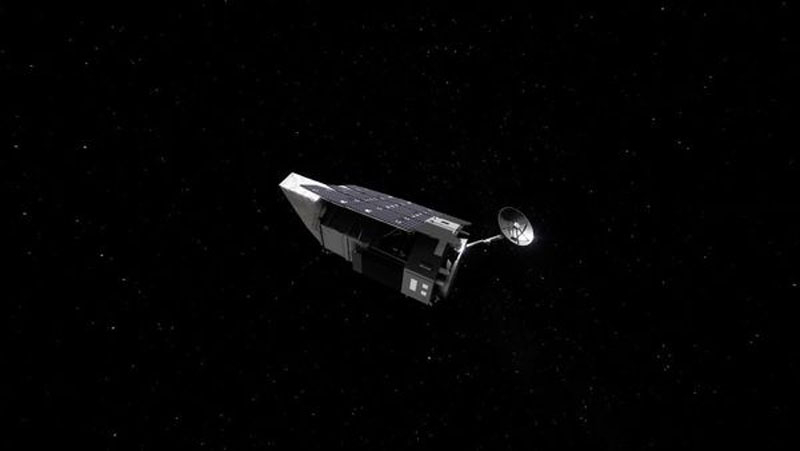
NASA has calibrated the Roman Space Telescope to a precision that improves image quality by 30% over initial design requirements.

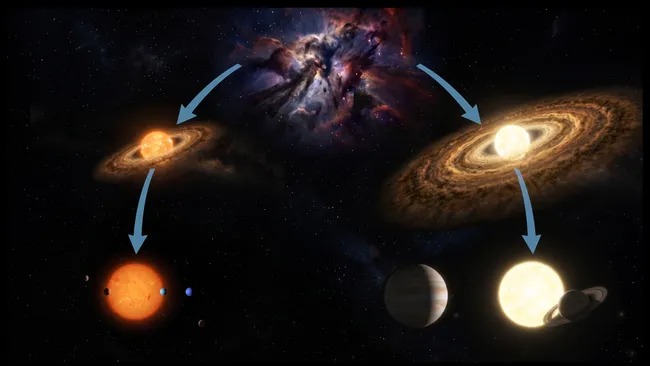
Researchers have identified two distinct types of planetary systems in the Milky Way, with the host star's properties determining their evolutionary fate and stability.

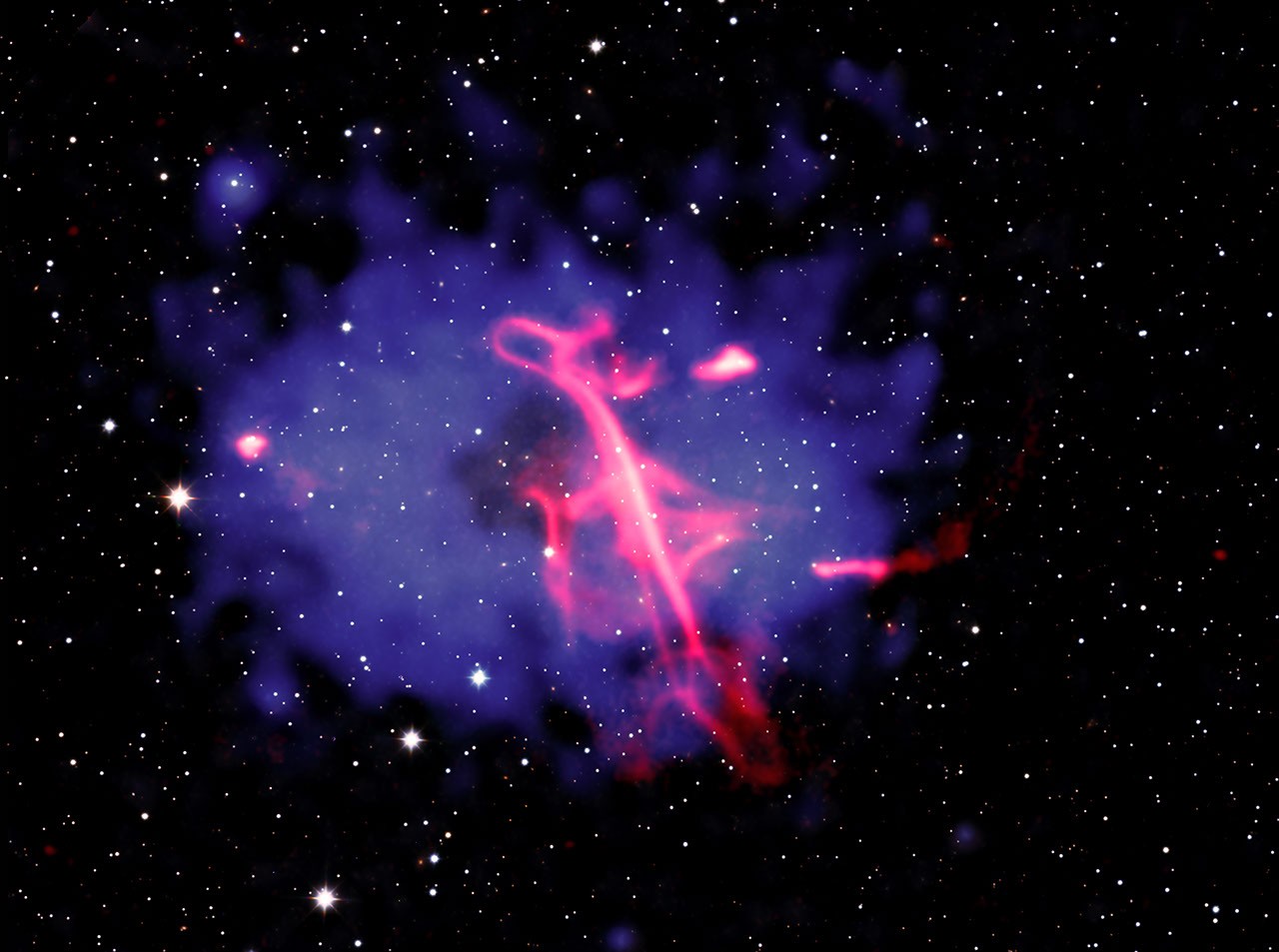
Researchers have determined that the Treble Clef radio wave structure was formed by a supermassive black hole outburst followed by a collision between two galaxy clusters.

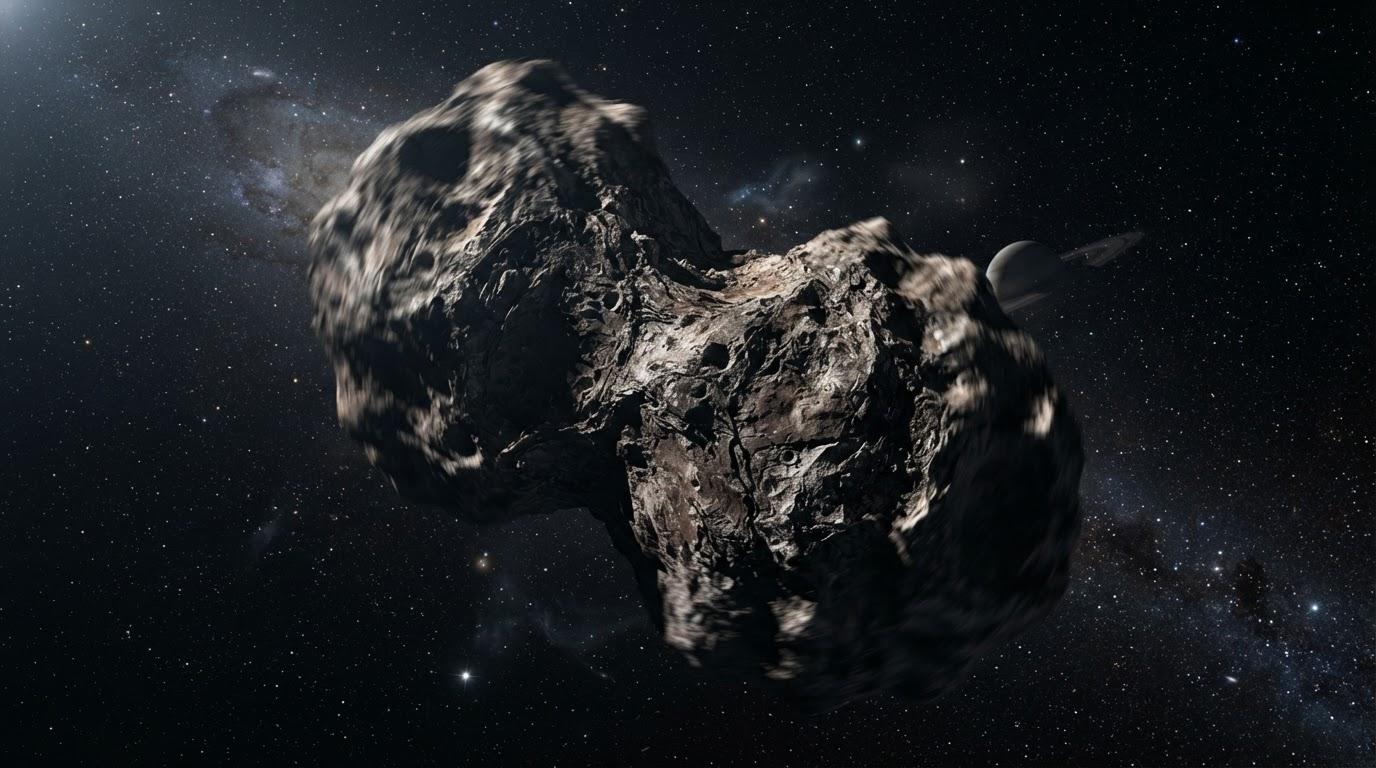
Researchers identified two large asteroids rotating at speeds that challenge current models of internal structural integrity.

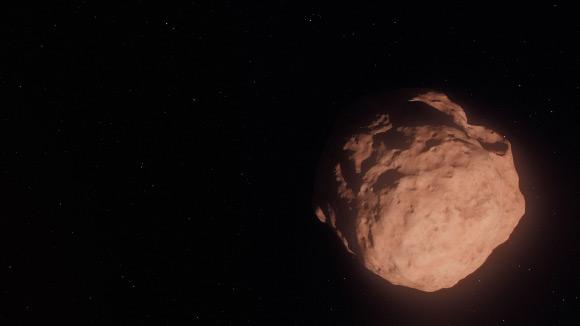
Researchers have identified asteroid 491384, a 2.53-kilometer-wide object with a 4.18-minute rotation period, challenging existing models of asteroid internal structure.
A glowing object spotted over Kazakhstan and Russia on October 12 has been identified as the debris of a Chinese Kuaizhou-11 rocket stage re-entering the atmosphere.

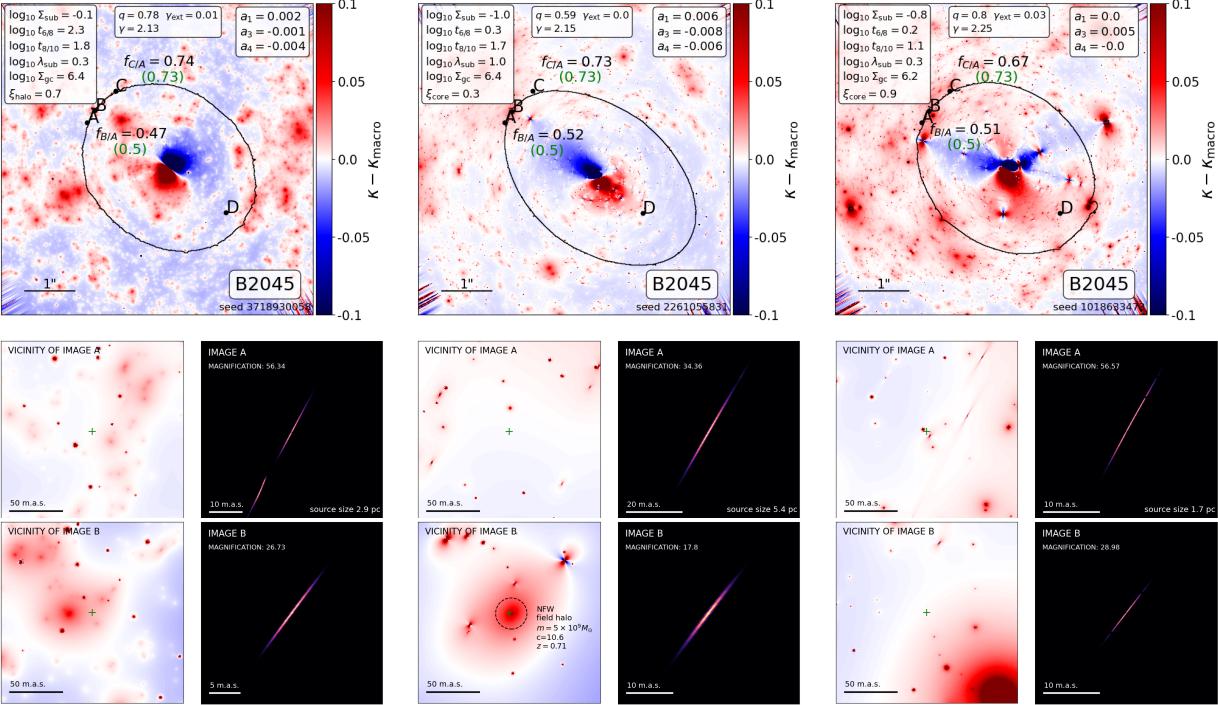
Researchers used the James Webb Space Telescope to test the self-interacting dark matter hypothesis by analyzing gravitational lensing effects on 29 distant quasars.

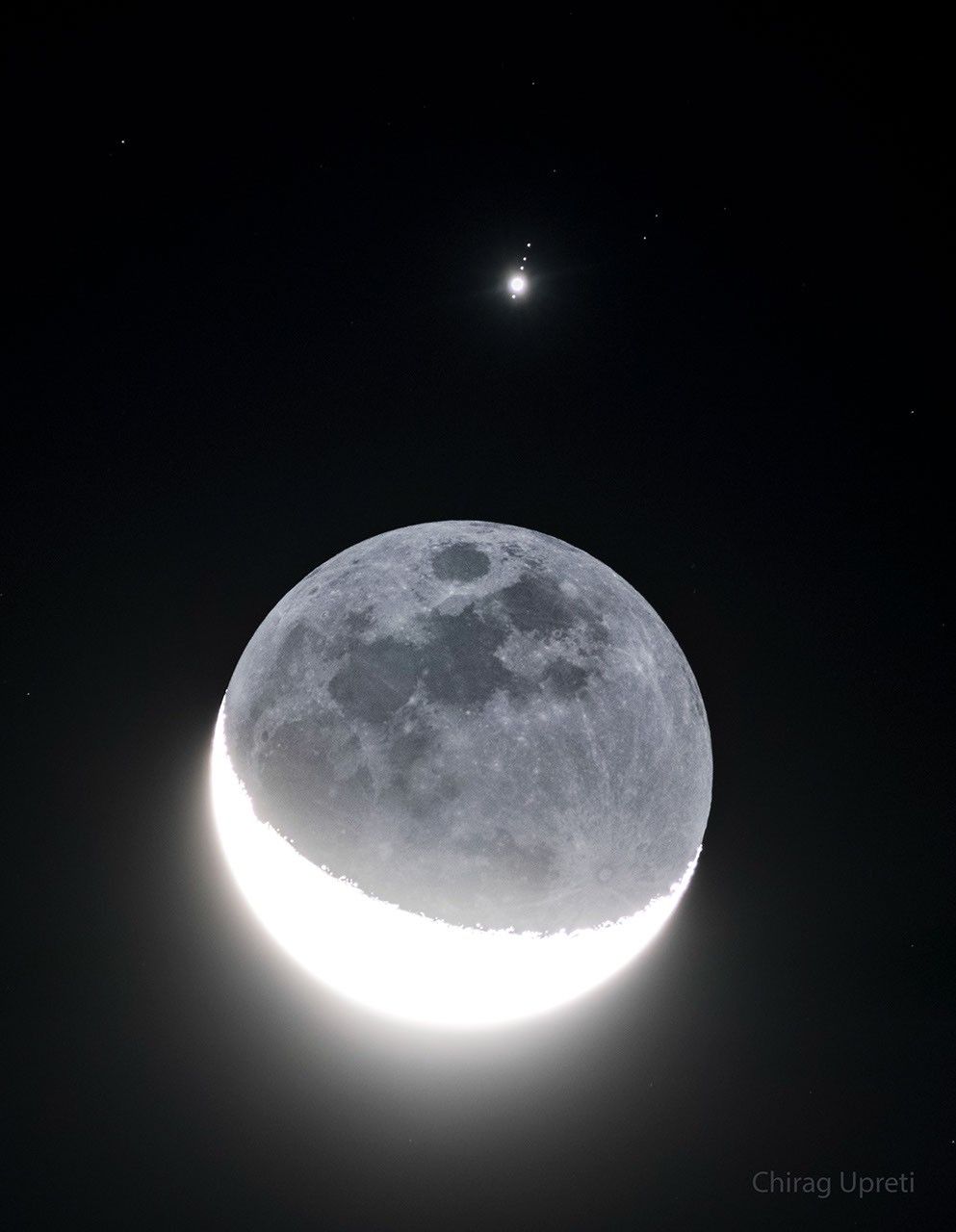
A new composite image from NASA captures a rare alignment of Earth's Moon with Jupiter and its four largest satellites.

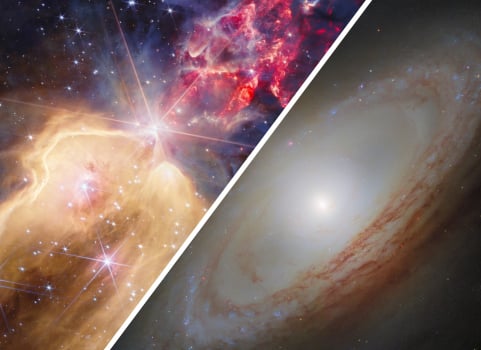
NASA and the European Space Agency have released new images from the James Webb and Hubble telescopes, documenting stellar nurseries, unique galactic structures, and distant gravitational lensing.

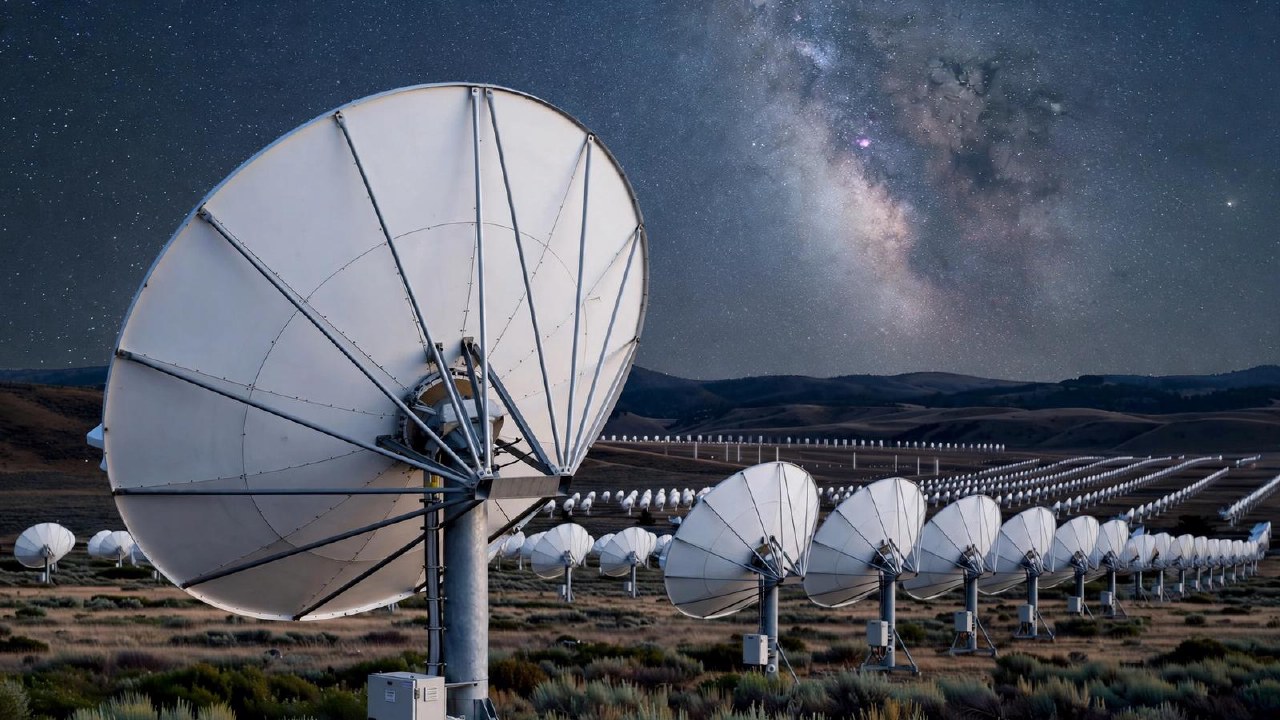
The SETI program has initiated a systematic search for extraterrestrial signals using the Allen Telescope Array, identifying 25 candidate spectrograms during the initial survey phase.

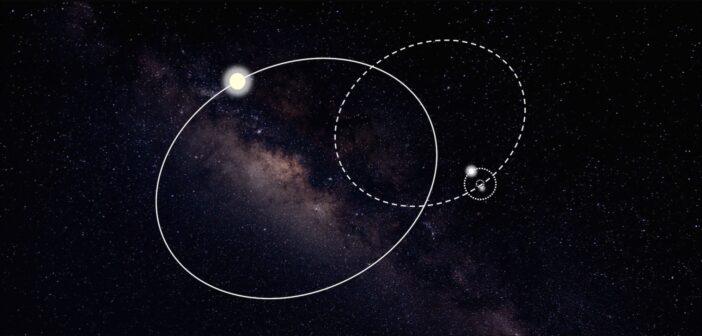
Astronomers have discovered the millisecond pulsar PSR J0435+3233 within a rare triple star system, noting its unusually rapid rate of deceleration.

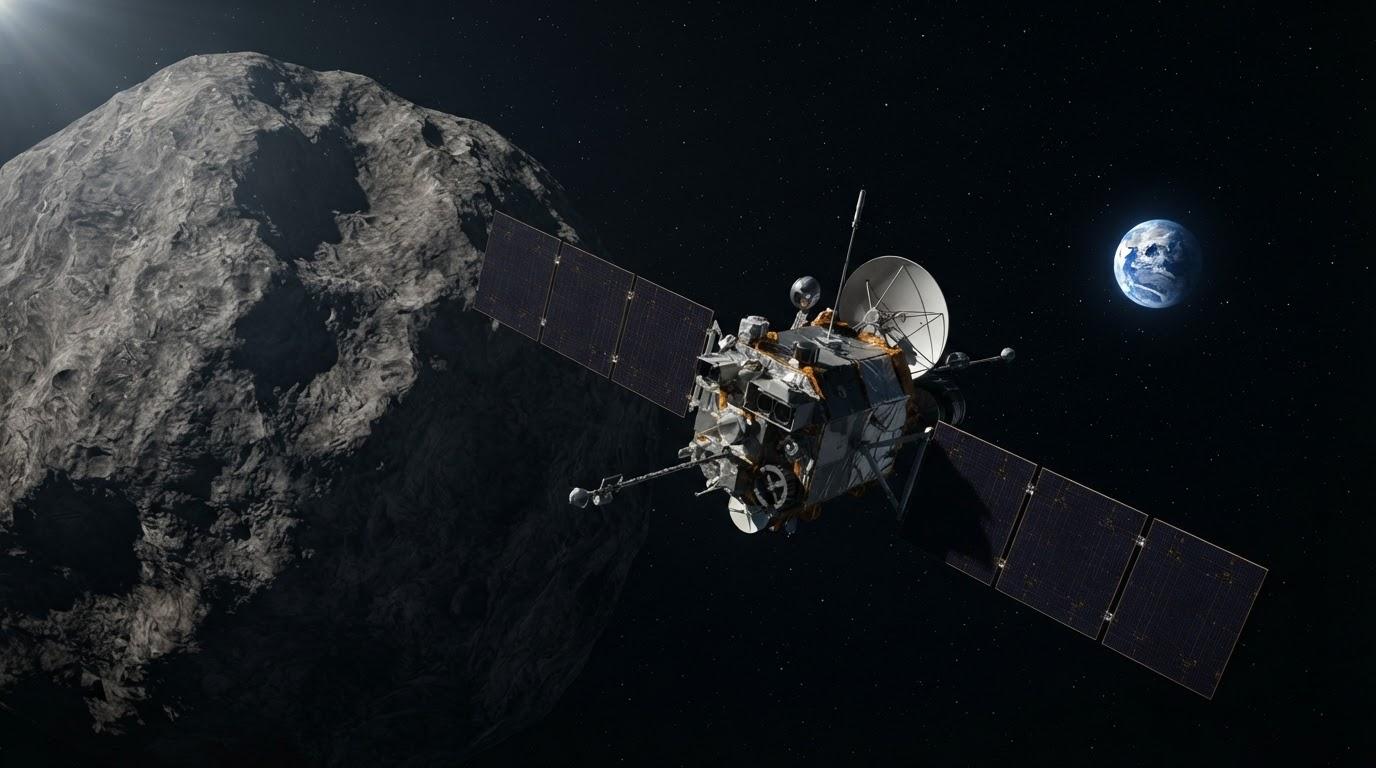
Moscow State University is designing a specialized probe to study the asteroid Apophis during its close approach to Earth in April 2029.

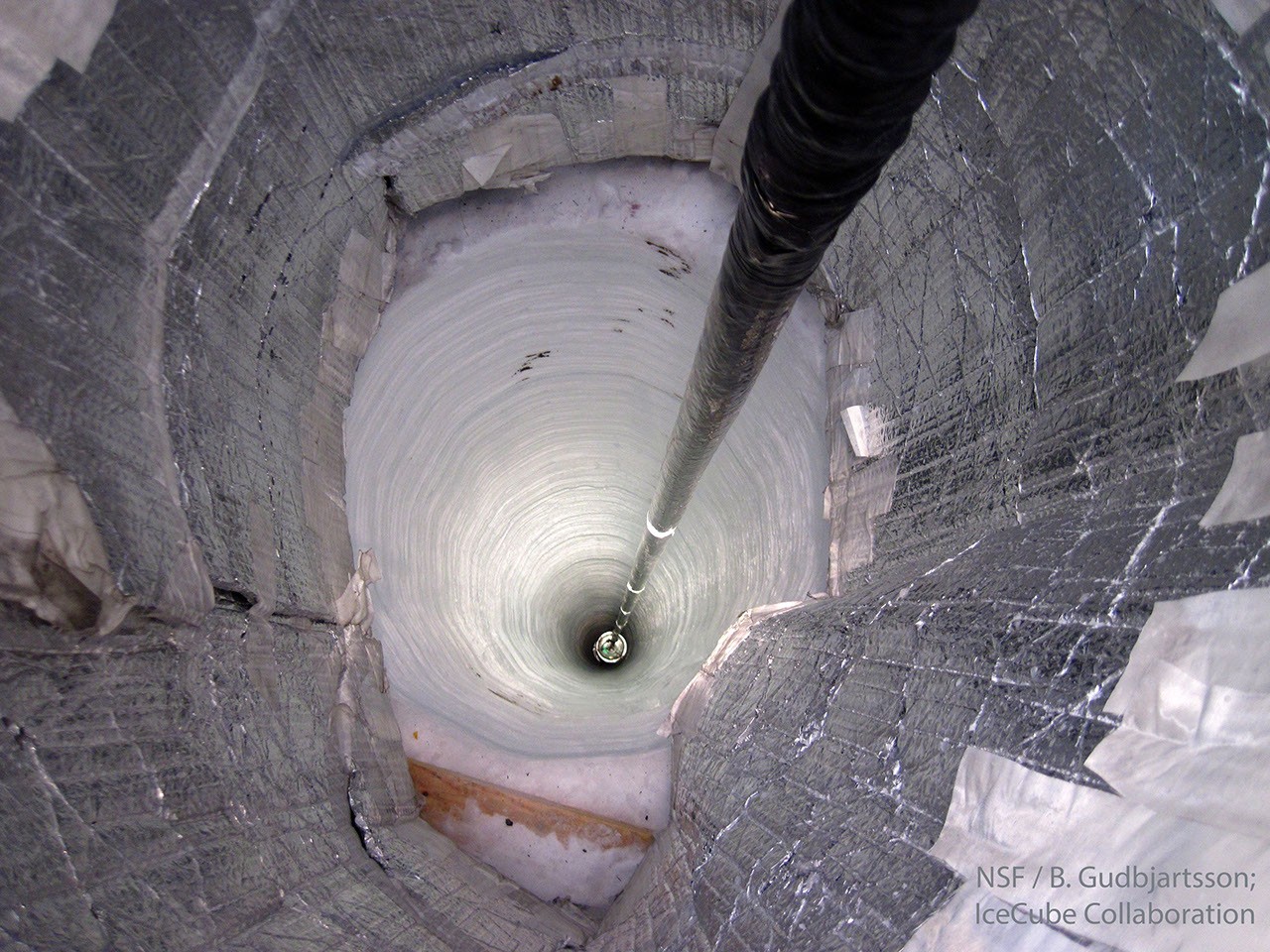
The IceCube Neutrino Observatory near the South Pole has become the world's largest neutrino detector, with a founding leader recently receiving the Nobel Prize in Physics.

Researchers used the Hubble and James Webb space telescopes to discover and analyze 27 small trans-Neptunian objects, with the smallest measuring approximately 5 kilometers in diameter.

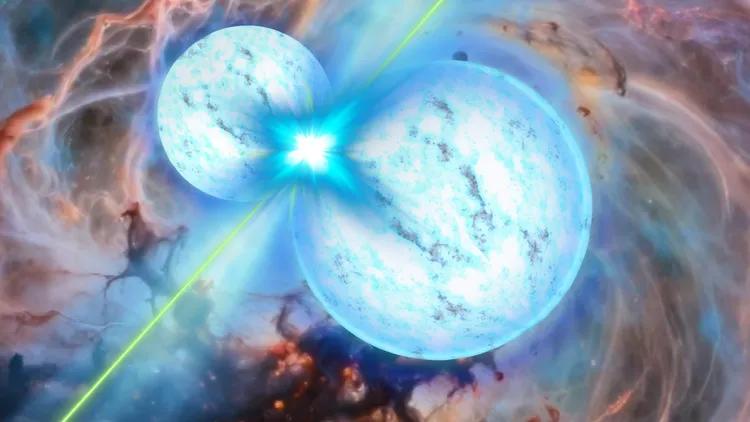
Astronomers analyzed a unique 10-minute X-ray burst from a six-billion-year-old event, suggesting the formation of a magnetar following a neutron star collision.

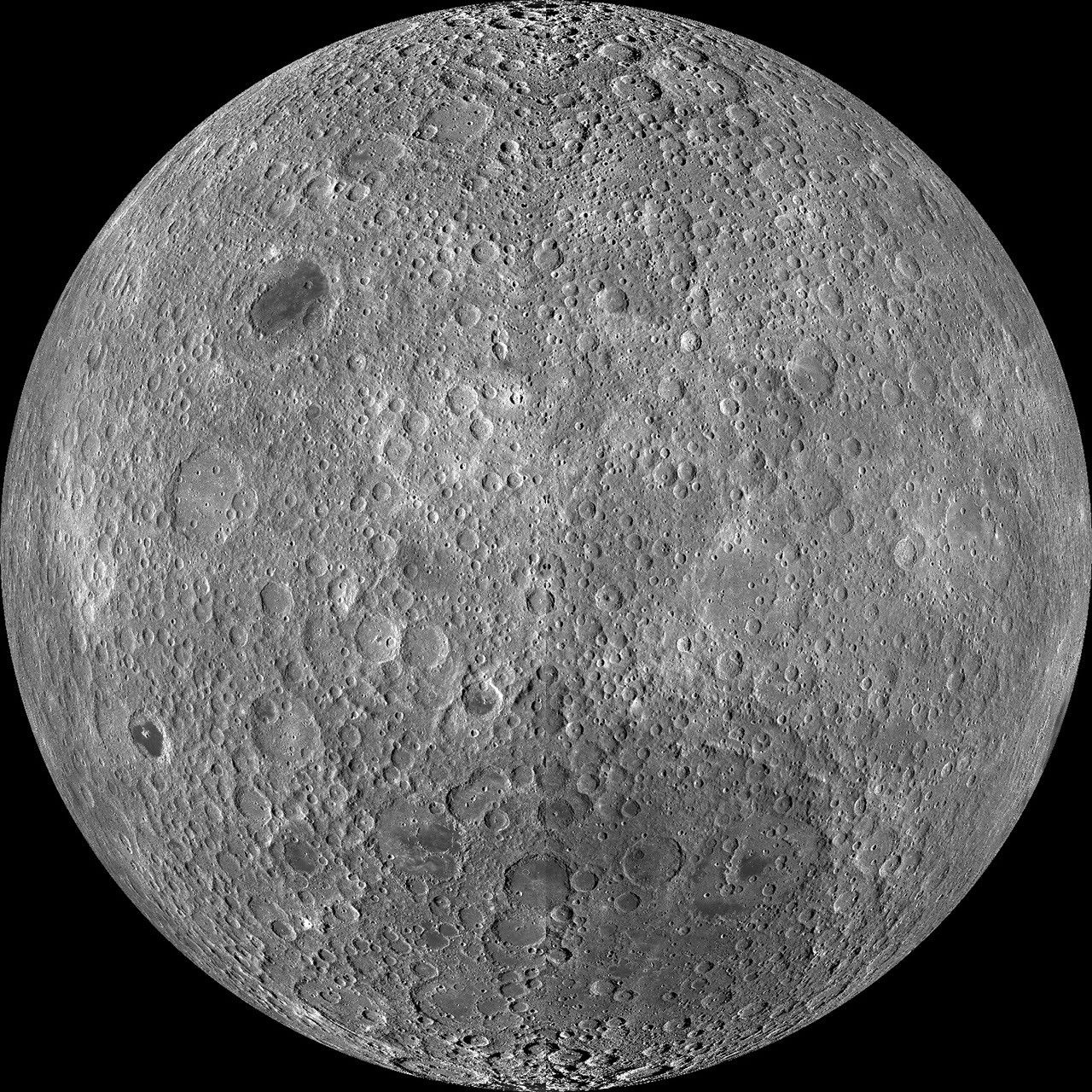
NASA has compiled a high-resolution mosaic of the Moon's farside using over 15,000 images captured by the Lunar Reconnaissance Orbiter between 2009 and 2011.

Stephen Hawking's 1974 research introduced the concept of black hole evaporation, suggesting that these objects emit thermal radiation and can end in explosive bursts.