

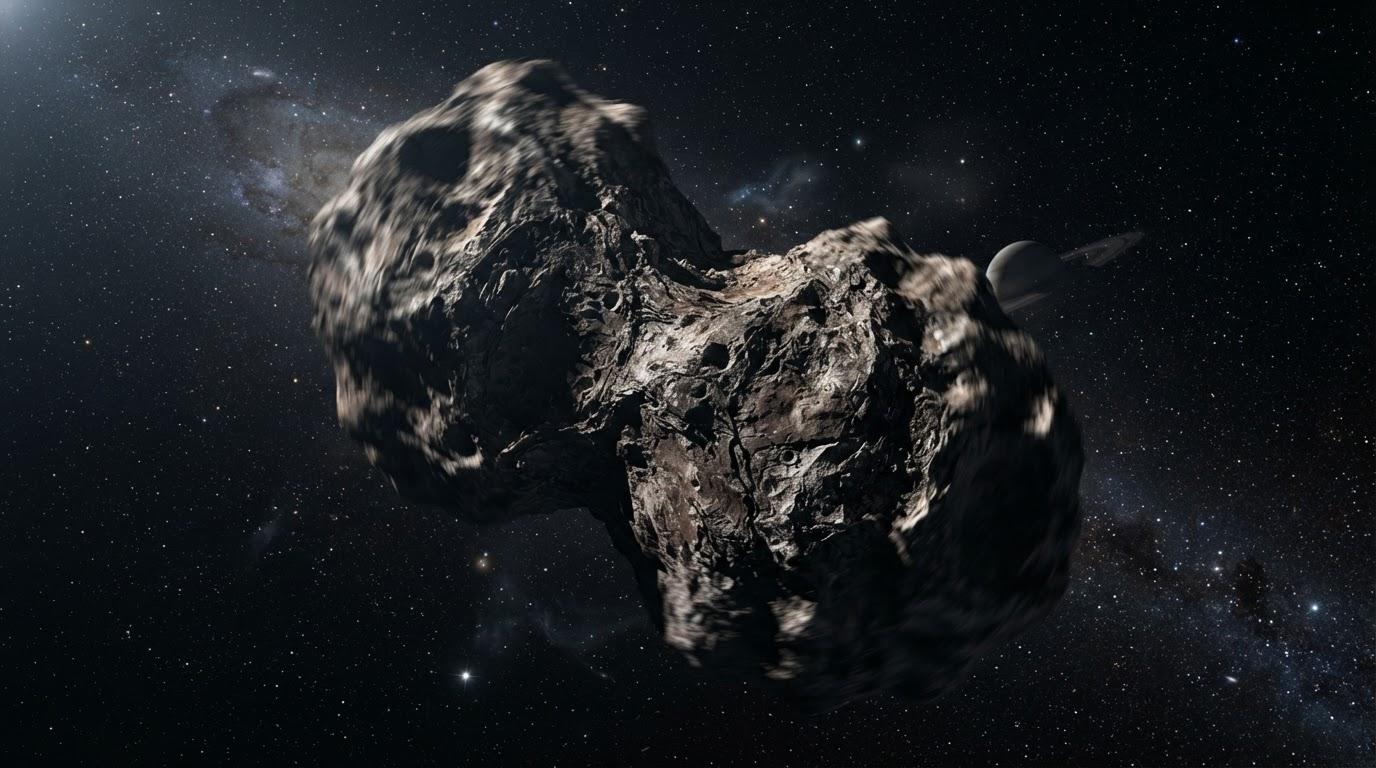
Astronomers identified an asteroid, designated 491384, with a diameter of approximately 2.53 kilometers. Observations from the Vera C. Rubin Observatory indicate the object completes a full rotation in just 4.18 minutes. If confirmed, this would make it the largest known asteroid exceeding 2 kilometers in diameter to rotate at such a high velocity.
The research team, led by Dmitry Vavilov from the University of Washington, developed a new software suite to analyze asteroid rotation periods. The system tracks brightness fluctuations and uses Fourier series analysis to assess data reliability. The study, published on arXiv on October 6, is currently awaiting peer review.
The team applied this method to 9,417 asteroids from the observatory's DP2 dataset, identifying 66 candidates that exceed the traditional rotation limit of 2.2 hours for objects over 150 meters. Among these is object 566130, which is over 2 kilometers wide and rotates in approximately five minutes.
These findings suggest that some large asteroids may possess higher internal structural integrity than previously assumed, as they do not disintegrate under centrifugal forces. Researchers plan to refine the software to process larger datasets and improve the detection of observational anomalies and potential measurement errors.



