Google Introduces Playground for Browser Game Development
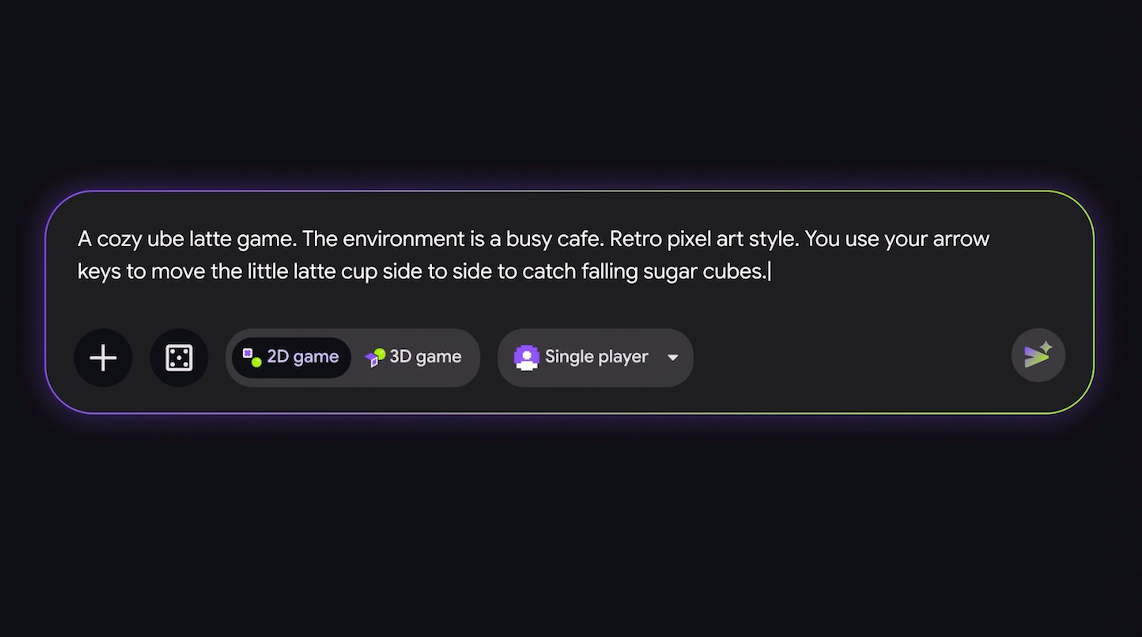
Google has introduced Playground, an experimental browser-based platform that enables users to create and modify games using text prompts without the need for programming.

Google has introduced Playground, an experimental browser-based platform that enables users to create and modify games using text prompts without the need for programming.

Google has introduced Playground, an AI-powered platform that enables users to build video games through text descriptions without needing programming experience.

Google and Unity are partnering to launch AI-driven game development tools, including the Playground platform and the upcoming Unity Spark, for users without coding experience.

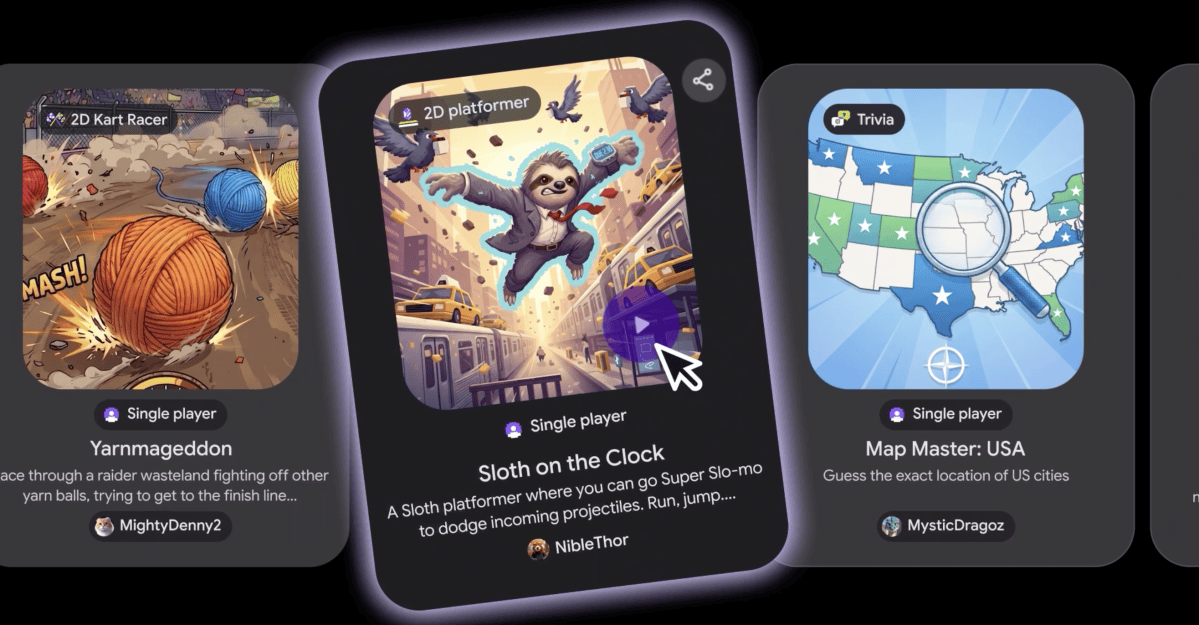
Google has introduced Playground, an experimental web platform that allows users to create and share custom video games using text prompts instead of traditional coding.

Google Labs has launched Playground, an AI-powered platform that enables users to generate browser games through natural language prompts without requiring programming or design expertise.

Google has introduced Playground, an AI-powered browser platform for creating games via text prompts, while partnering with Unity to launch the professional-grade Unity Spark tool.

Google has launched an experimental browser platform, Playground, which enables users to build games through text prompts using Gemini and other AI models.

Google has introduced Playground, a browser-based AI platform for game development, alongside a new collaborative engine, Unity Spark.

A developer migrated an AI-driven evolutionary simulator from a React-Python web stack to Unity to improve performance and leverage built-in physics engines.

Unity Technologies released official plugins for Claude Code and OpenAI Codex to provide AI agents with verified, up-to-date coding skills.

A developer is building a third-person game using only AI tools, testing a workflow that integrates Unity, MeshyAI, and custom C# scripts to automate level design.