AI
Creating Educational Tests with Kampus AI
Kampus AI offers a framework for generating and refining self-assessment tests to improve learning outcomes through structured question design and error analysis.
October 14, 2026, 10:58 AM·Хабр

Kampus AI offers a framework for generating and refining self-assessment tests to improve learning outcomes through structured question design and error analysis.
JAC Motors has released test results for the Maextro V800 brake pedal, confirming it meets industry standards while experts debate the methodology of non-standard stress testing.
FAW Group has pledged to tighten its vehicle testing and safety protocols following a new regulatory draft from Chinese authorities aimed at improving automotive innovation standards.
AI-driven code generation creates an 'oracle bias' where the speed of production outpaces the ability to verify quality, leading to persistent security vulnerabilities and low trust.

A comparative study of Camel and AKOM batteries reveals that adaptive charging significantly reduces water loss and overcharging compared to standard power supply methods.

A developer built an automated testing framework for an AI mentor, only to discover that automated metrics often provide a false sense of security and fail to capture pedagogical quality.

Chinese regulators have introduced a draft policy requiring automakers to conduct mandatory safety investigations and meet strict testing standards for new vehicle designs.
Experts propose using a digital twin framework to manage complex network infrastructure changes by combining physical labs, emulation, and simulation tools.

Network engineers are adopting digital twin technology to validate infrastructure changes through a combination of physical labs, emulation, and mathematical simulation.

Experts suggest using a digital twin framework to manage complex network changes by combining physical labs, emulation, and simulation to ensure stability before and after deployment.

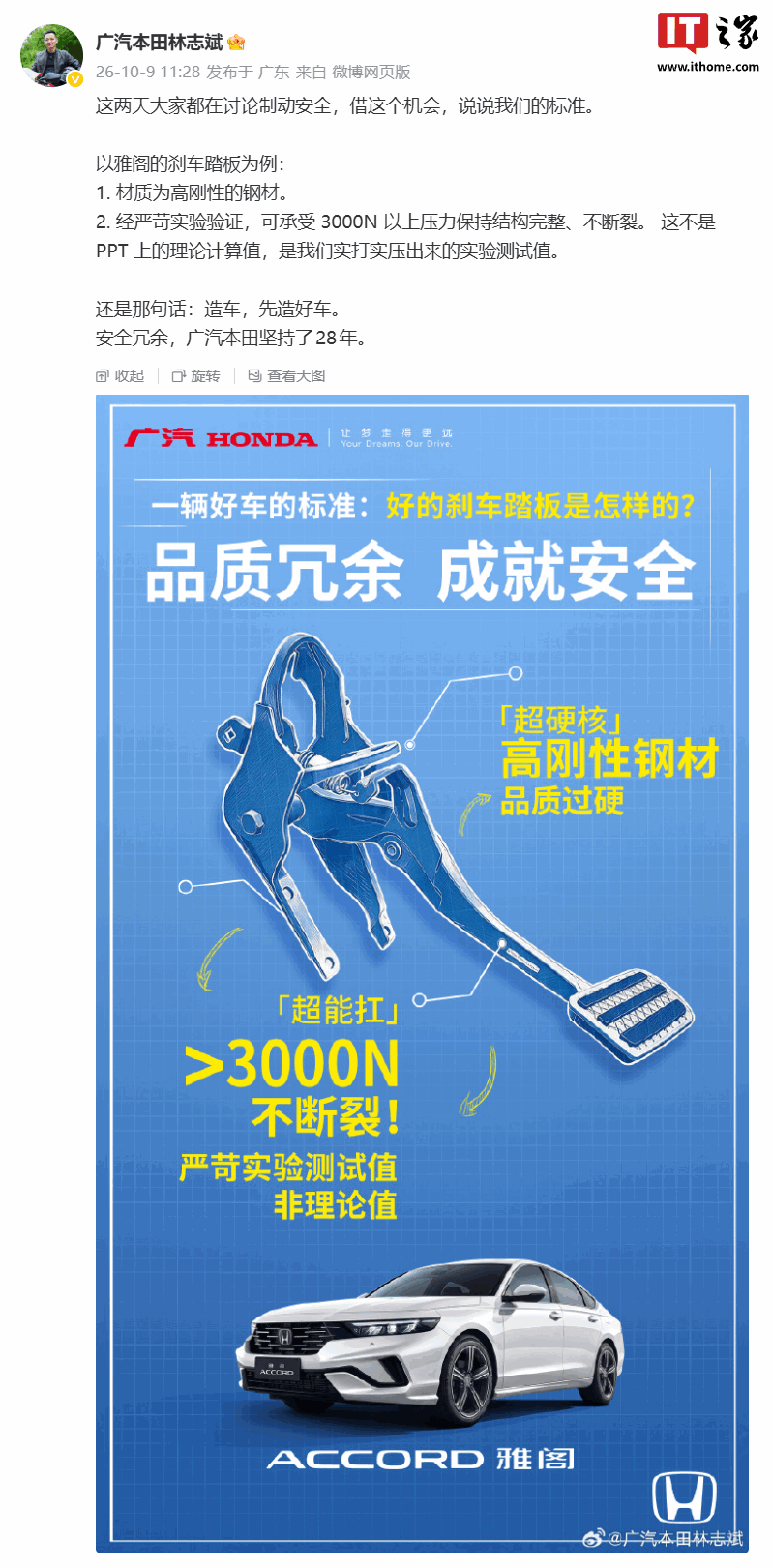
GAC Honda has confirmed that the brake pedal of the Accord model can withstand pressures of over 3000N, following recent industry discussions regarding vehicle braking safety.
Independent automotive testing in China faces scrutiny after a series of brake pedal failures during emergency tests of the Maextro V800 luxury MPV.
Dongchedi defended its testing procedures for the Maextro V800 after brake pedal brackets failed during emergency braking trials, citing a technical error in reported force data.
K2 Cyber Security has evaluated the performance of Kaspersky NGFW version 1.3, highlighting its capabilities in handling high traffic loads and its integration within the vendor's security ecosystem.
Load testing in 1C environments requires a transition from basic scenario execution to full-cycle infrastructure analysis and strategic planning.

While AI-driven unit testing can save hundreds of man-hours, research indicates significant risks, including the solidification of bugs and poor coverage of edge cases.

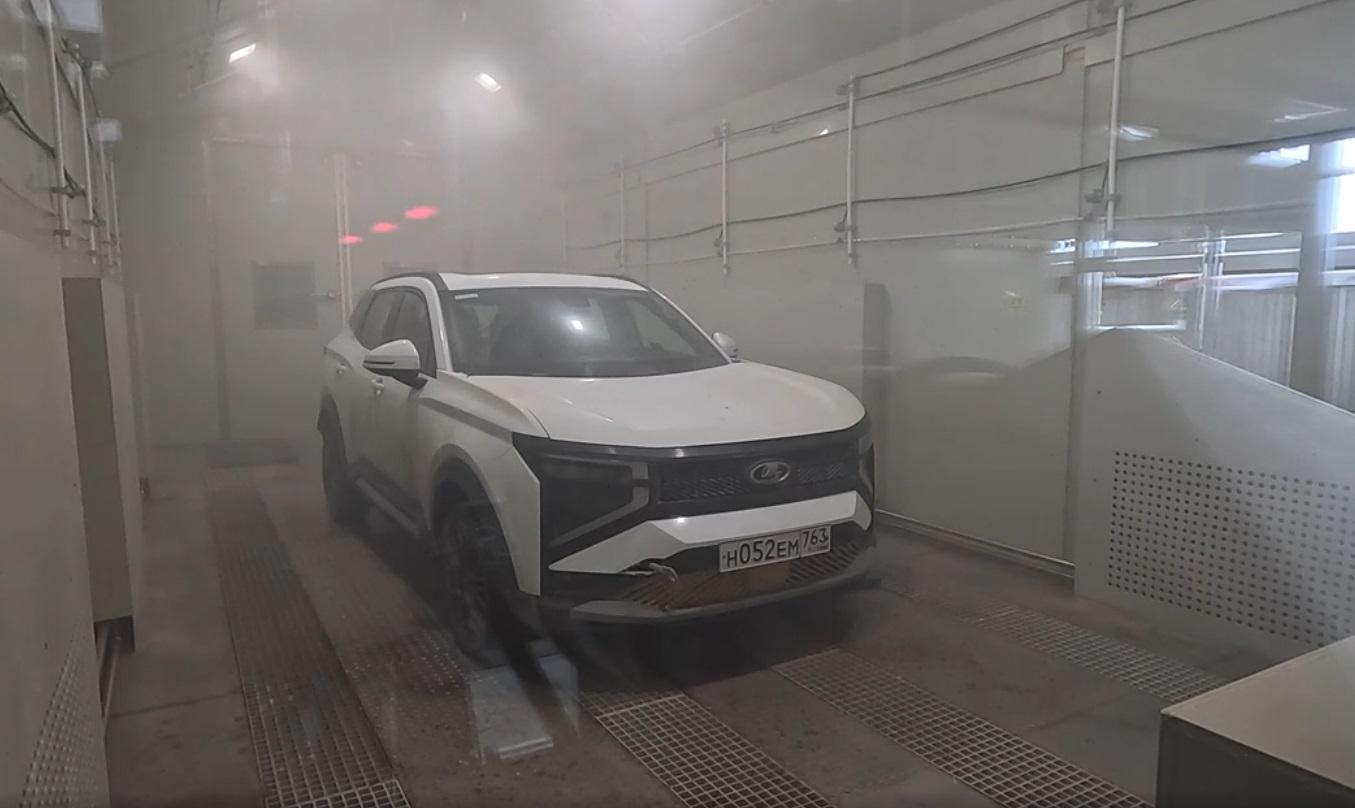
AvtoVAZ has completed durability testing for the Lada Azimut crossover, focusing on the resilience of its new Russian-made paint and bodywork against harsh environmental factors.
Researchers have developed a methodology to detect errors in AI agents that perform function calling by identifying failures to adhere to unstated applicability conditions.

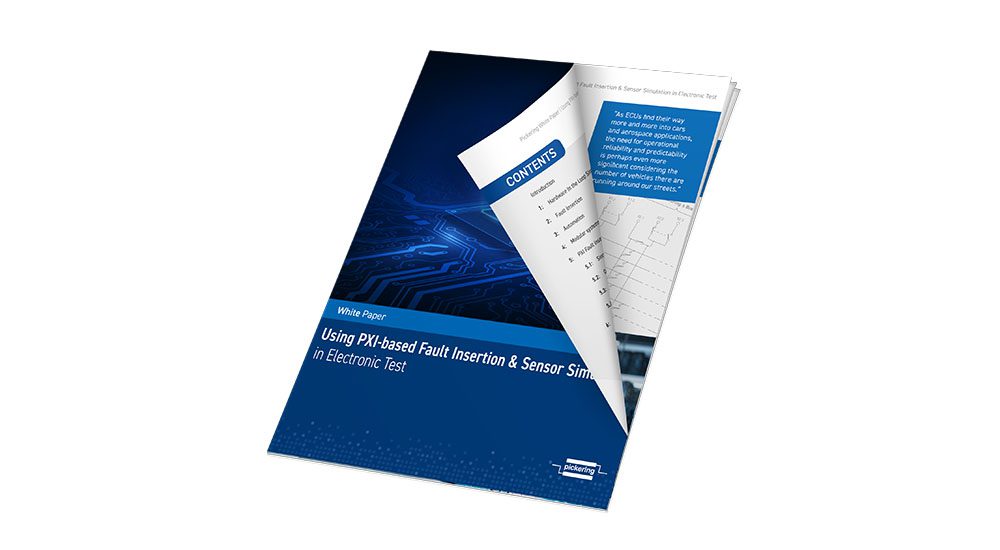
Engineers are shifting from manual patch panels to PXI-based modular systems for ECU testing, enabling automated fault insertion and scalable validation for electric vehicle components.
An experiment by Dan Lu reveals that AI-generated tests often fail to detect bugs due to improper input selection and reliance on flawed validation mechanisms.