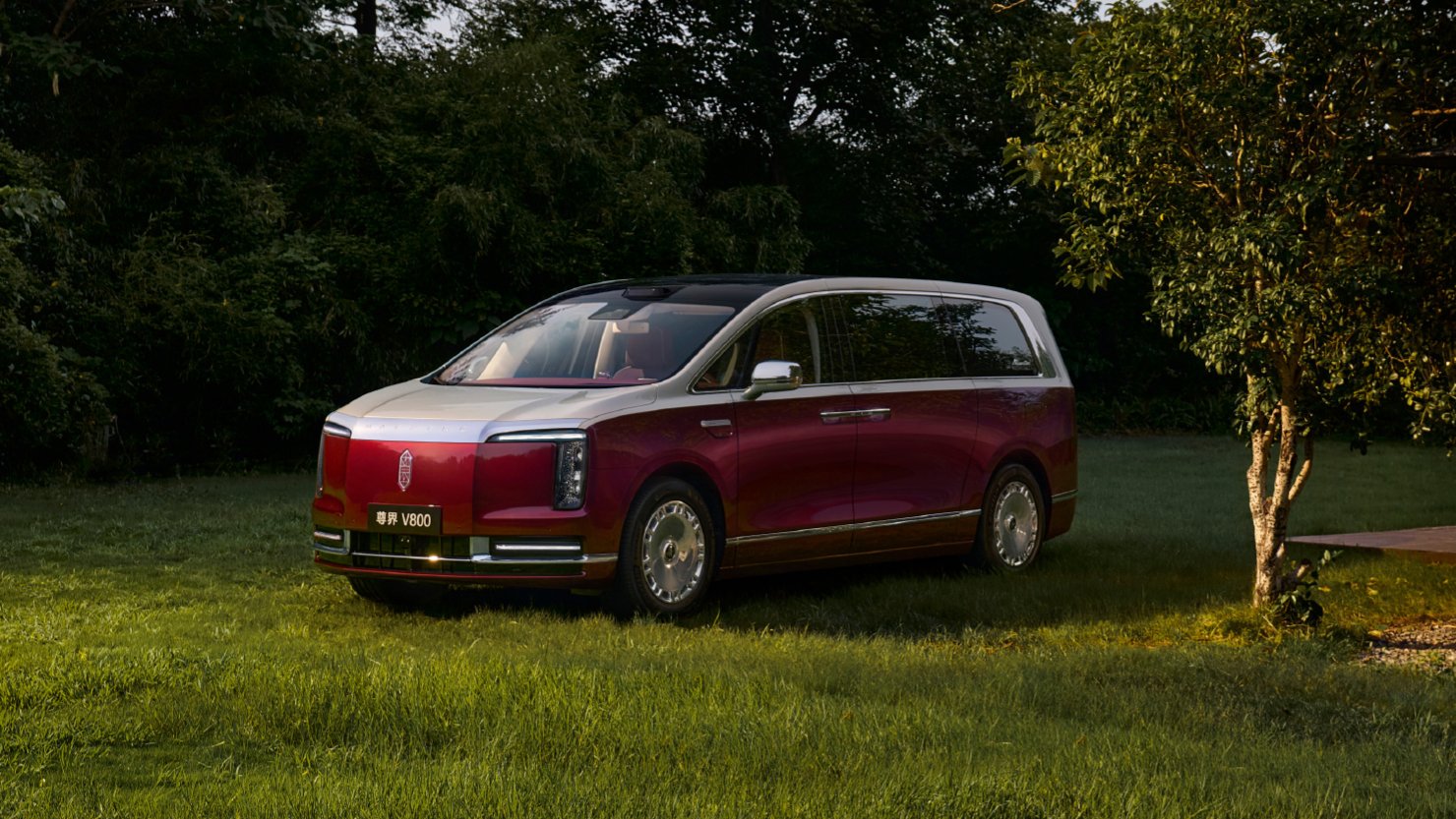
The automotive platform Dongchedi recently conducted emergency braking tests on the Maextro V800, a luxury MPV developed by Huawei and JAC. During the tests, the brake pedal broke on three separate vehicles when subjected to a force of 4000N, which is equivalent to approximately 408 kilograms of pressure.
The incident sparked a public debate regarding testing methodologies and vehicle safety standards. While critics question whether applying 4000N of force reflects real-world driving conditions, others argue that a brake pedal should not fail regardless of the force applied. The manufacturer has yet to provide a final investigation report.
This event highlights the growing role of independent third-party testing in China, a sector that is evolving alongside traditional government inspections. Dongchedi claims to utilize a 'commercial-testing separation' system, where testing teams operate independently from commercial departments to ensure objective data collection.
The industry is currently navigating a transition period as regulators like the Cyberspace Administration of China and the State Administration for Market Regulation issued the 'Regulations on Online Evaluation Activities' in 2026. These rules establish guidelines for sample selection, testing standards, and conflict of interest disclosures.
Independent testing serves as a market-based mechanism to complement official government oversight. By purchasing vehicles anonymously and maintaining transparent data, third-party organizations aim to provide consumers with verifiable safety information, despite ongoing challenges in establishing long-term public trust.