White House Crypto Council Director Resigns
Patrick Witt, the executive director of the White House Crypto Council, is stepping down to move to the private sector, leaving the advisory group without its final remaining staffer.

Patrick Witt, the executive director of the White House Crypto Council, is stepping down to move to the private sector, leaving the advisory group without its final remaining staffer.

The US Office of the Comptroller of the Currency reports that major national banks are easing long-standing restrictions on digital asset businesses following a review of industry practices.

Patrick Witt has stepped down as executive director of the White House Crypto Council, marking the third senior digital asset official to leave the administration in 2026.

The White House Crypto Council has lost its final staffer, Patrick Witt, leaving the administration without a dedicated team to manage digital asset policy.

The SEC has amended its quorum rules to allow rulemaking by a single commissioner, as both the SEC and CFTC face significant leadership vacancies amid ongoing crypto oversight efforts.

Michigan Senate candidate Abdul El-Sayed has proposed a freeze on advanced AI development and data center construction as part of his new policy platform.

Former US Commerce Secretary Gina Raimondo argues that global cooperation is necessary to manage AI risks, as her organization RAISE US raises $500 million for workforce retraining.

The Trump administration plans to manage AI risks through existing liability laws rather than new federal regulations, following a non-binding accord with major tech companies.

The CFTC has proposed a new regulatory framework for leveraged crypto trading, relying on existing authority rather than new legislation, while facing potential legal hurdles.

The Trump administration's new AI policy framework prioritizes voluntary industry standards and limited developer liability, sparking a legislative conflict over who bears responsibility for AI-driven harm.

China's Ministry of Education has initiated a nationwide AI literacy training program for teachers, aiming for full integration of AI in education by 2030.

Amazon joins Microsoft in abandoning non-disclosure agreements for data center negotiations to address growing community opposition to AI infrastructure.
The Chinese State Council has released a directive detailing 19 reform tasks to foster new productive forces, focusing on AI integration, intelligent hardware, and strategic emerging industries.
China and the EU have reached an understanding on hybrid vehicle trade and committed to further cooperation on supply chain stability following their recent high-level talks in Beijing.
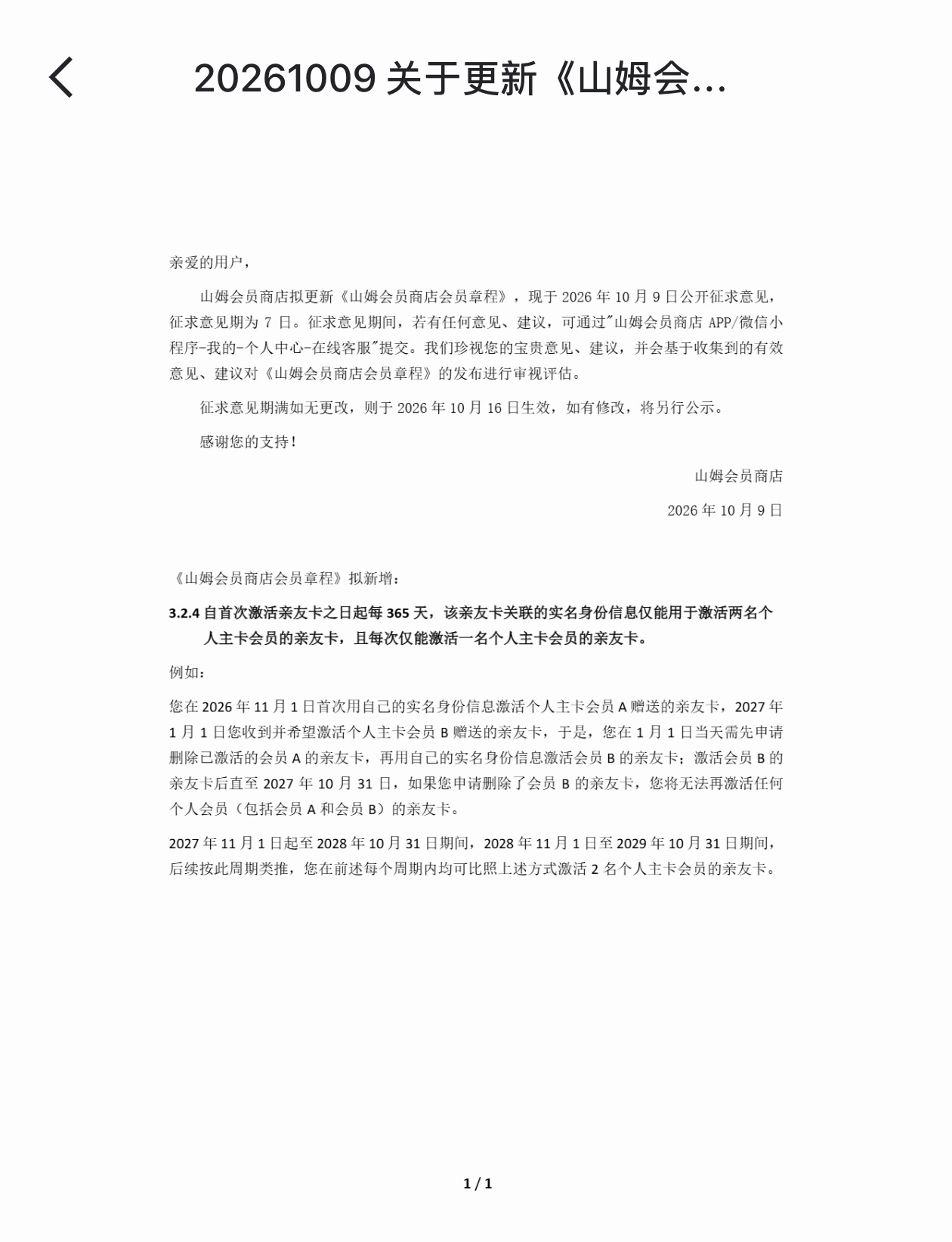
Sam's Club is introducing new restrictions on secondary membership card activations to prevent unauthorized resale, with the policy set to take effect in October 2026.

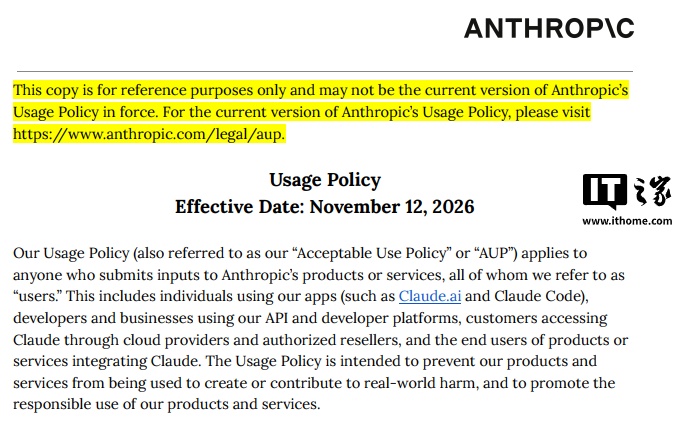
Anthropic has updated its Claude usage policy, introducing bans on model abuse, weapons development software, and unauthorized surveillance, effective November 12, 2026.

Anthropic has updated its usage policy to explicitly ban election interference, weapons software development, and prolonged verbal abuse of its AI models.

European Parliament members are urging the European Commission to include crypto asset risks in its upcoming anti-corruption strategy to better combat illicit financial activities.

President Donald Trump will award the nation's highest science and technology honors to six tech leaders, including Elon Musk and Jensen Huang, during a White House summit this Thursday.

Former White House AI policy adviser Sriram Krishnan is launching a new venture fund focused on the intersection of artificial intelligence and government regulation.