Space
NASA Captures Jupiter and Its Moons in Rare Alignment
A new composite image from NASA captures a rare alignment of Earth's Moon with Jupiter and its four largest satellites.
October 12, 2026, 07:05 AM·NASA
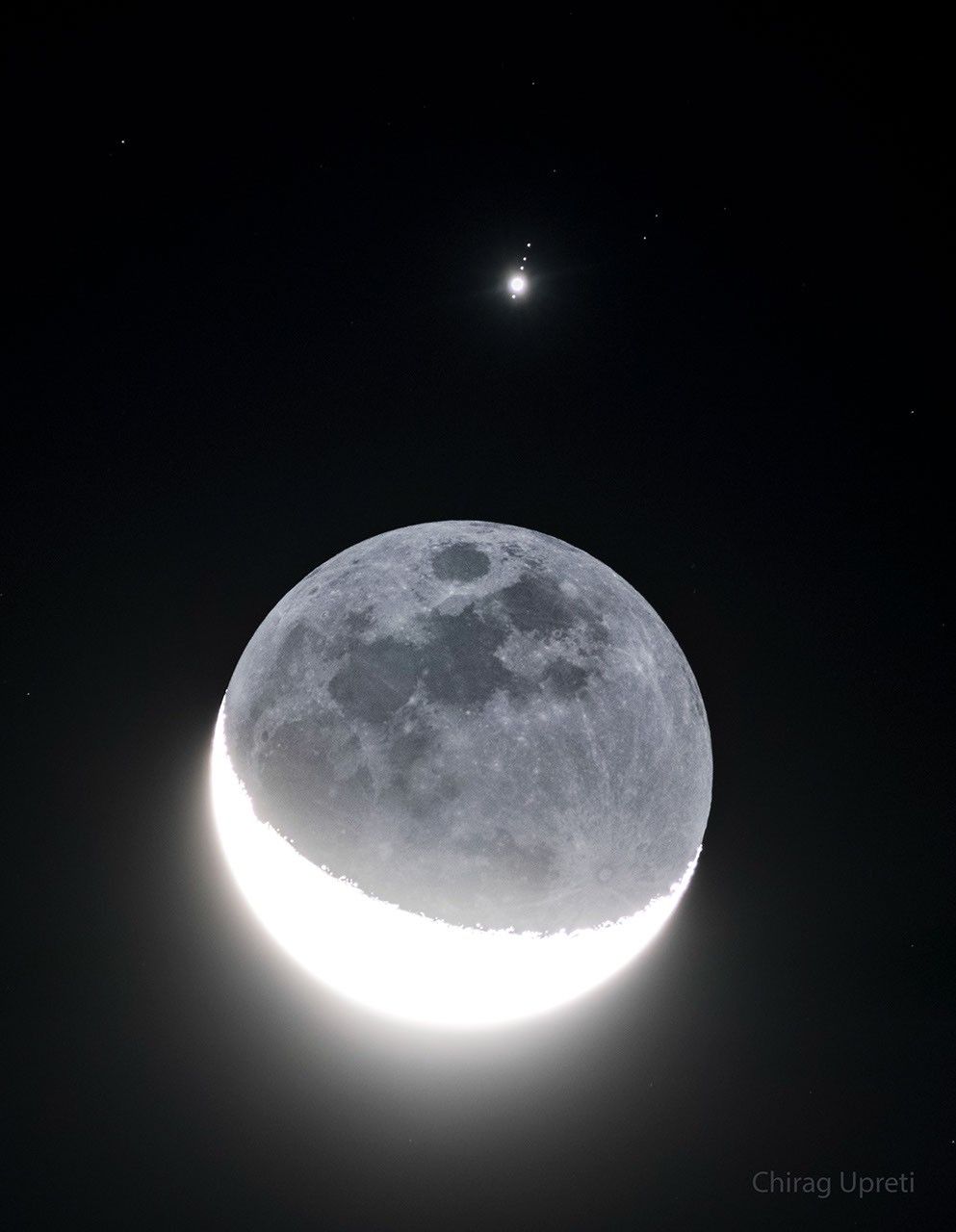
A new composite image from NASA captures a rare alignment of Earth's Moon with Jupiter and its four largest satellites.
NASA has selected the GIMLI mission to explore the Marius Hills Pit on the Moon to determine if its subsurface lava tubes can support a future lunar base.

NASA has released 800 GB of data from the Artemis II mission, including crew observations of five meteoroid impacts on the Moon and detailed imagery of the lunar surface.

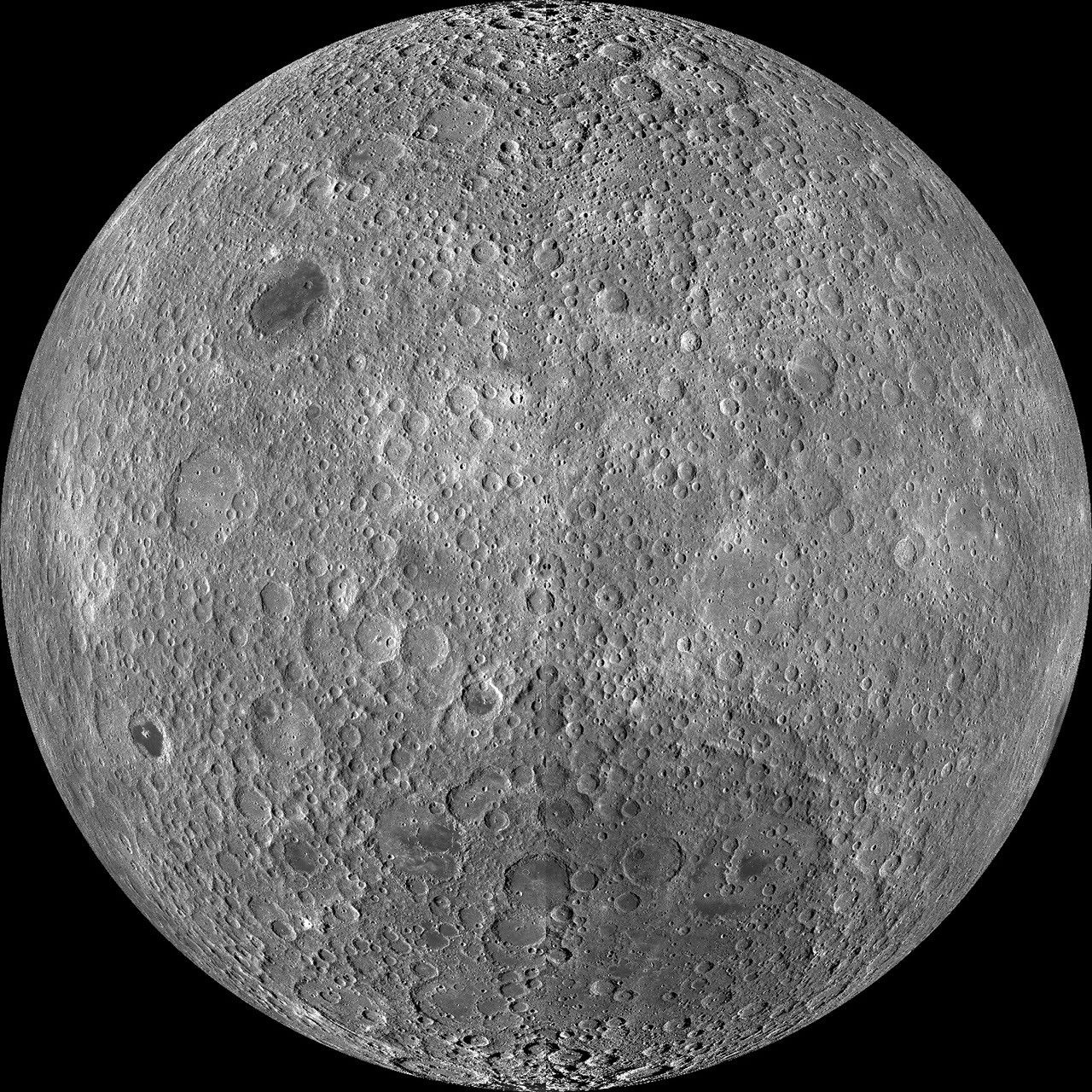
NASA has compiled a high-resolution mosaic of the Moon's farside using over 15,000 images captured by the Lunar Reconnaissance Orbiter between 2009 and 2011.
NASA is seeking technical solutions to mitigate the risk of dangerous electrostatic discharges on spacesuits during lunar surface operations at the South Pole.
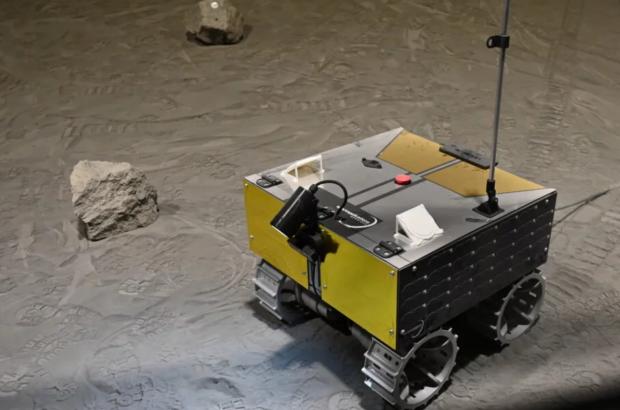
The Belgian-made LUVMI-M rover will launch to the lunar south pole in early 2029 aboard a Blue Origin MK1 lander to conduct scientific research and test autonomous technologies.
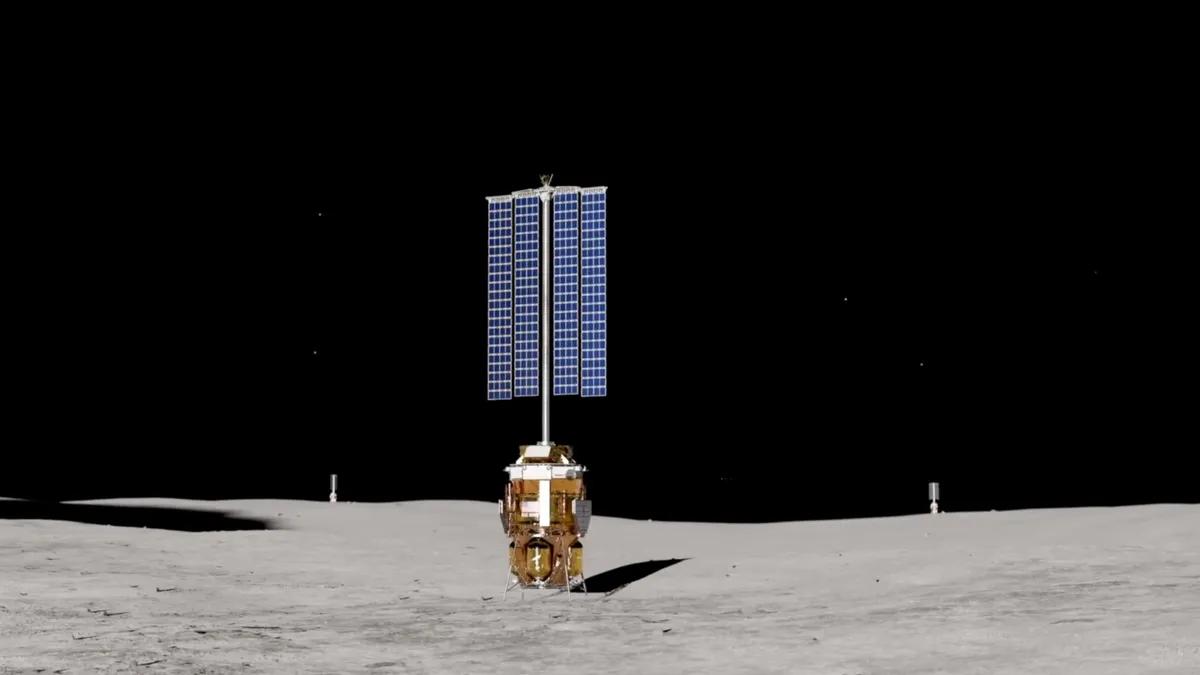
Blue Origin has introduced Power Tower, a 20-meter foldable solar array designed to provide over 10 kW of power for lunar bases at the Moon's south pole.
French researchers have modeled how lunar and solar tidal forces can trigger slow earthquakes through a resonance effect on geological faults.

Elon Musk proposes using the Starship spacecraft to deploy massive space telescopes and build lunar observatories to advance astronomical research.
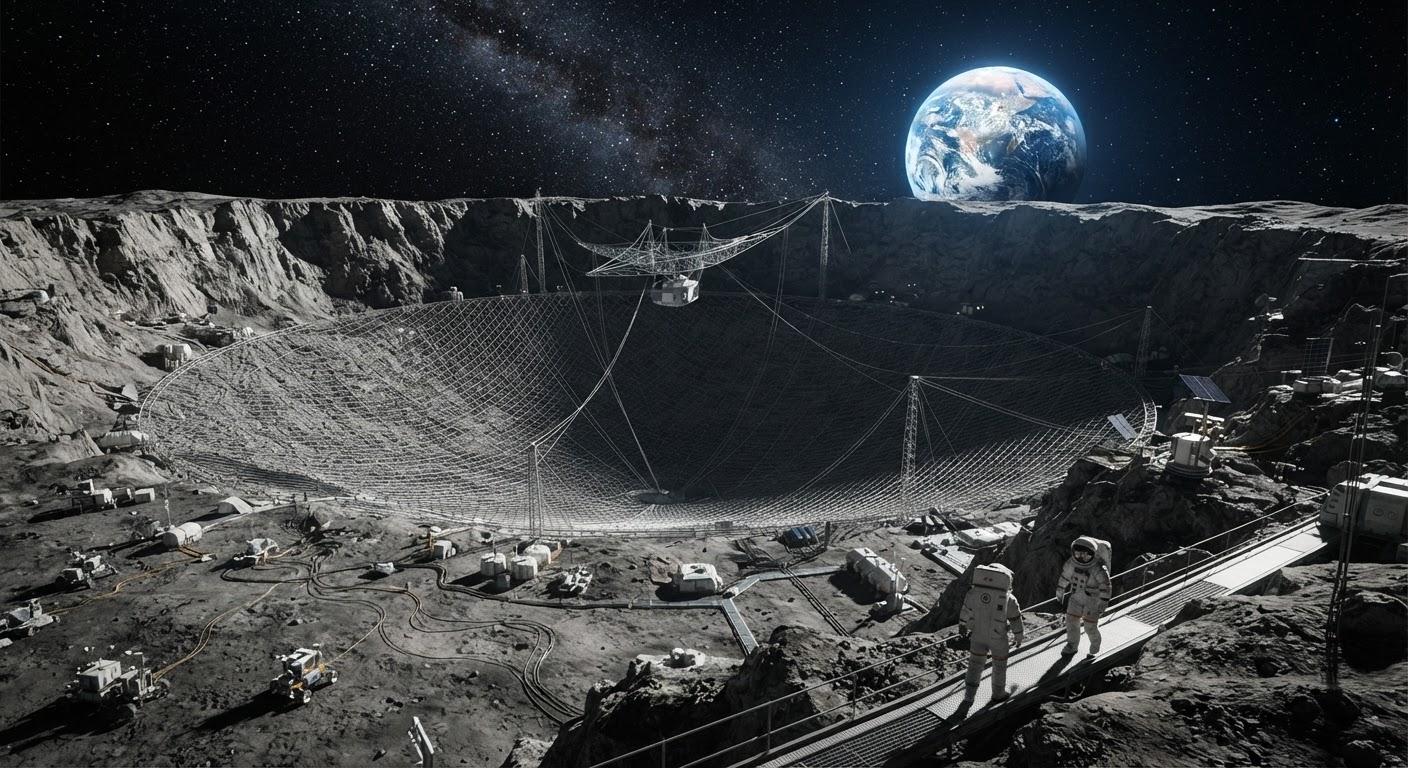
SpaceX plans to use the Starship rocket to deploy massive telescopes on the Moon and in orbit to advance astrophysical research.
NASA has selected three new scientific instrument suites to explore lunar resources and identify potential shelters for future human missions.
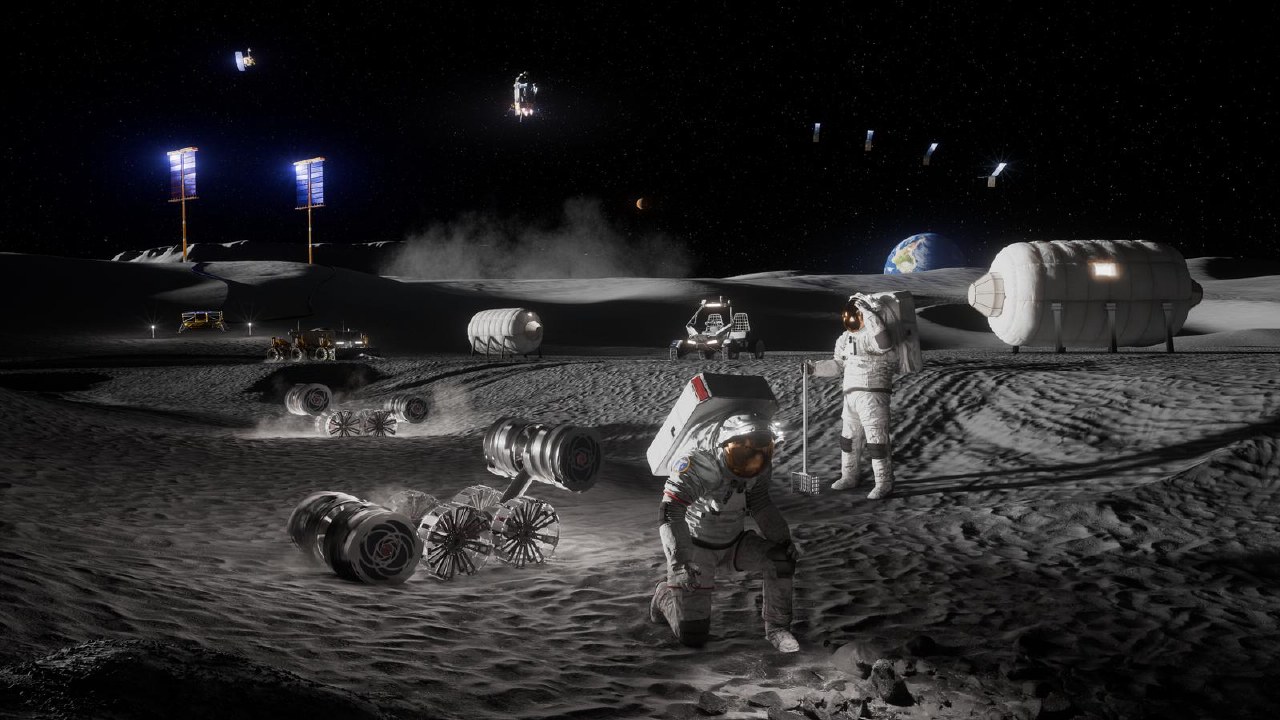
NASA has selected three new scientific payloads to support the development of a lunar base near the Moon's South Pole.
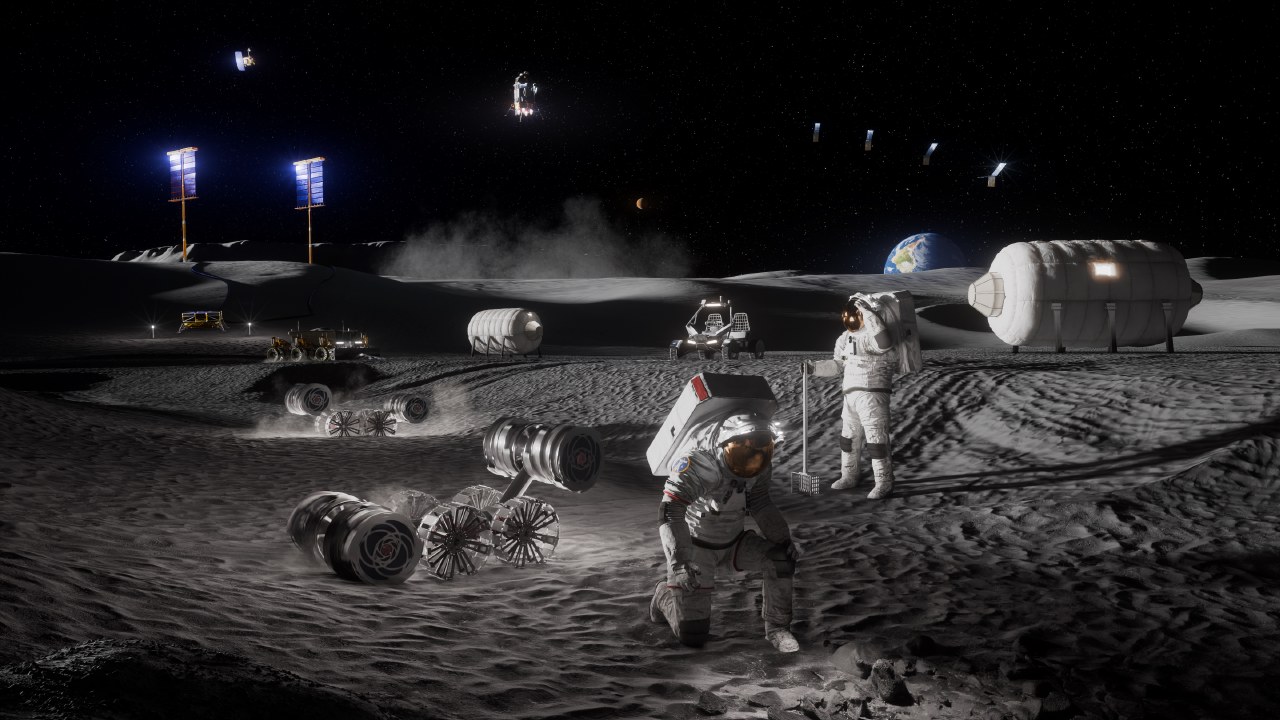
Researchers have discovered a 4.2 billion-year-old volcanic complex on the Moon's far side, providing evidence of an ancient magnetic field generated by a molten iron core.
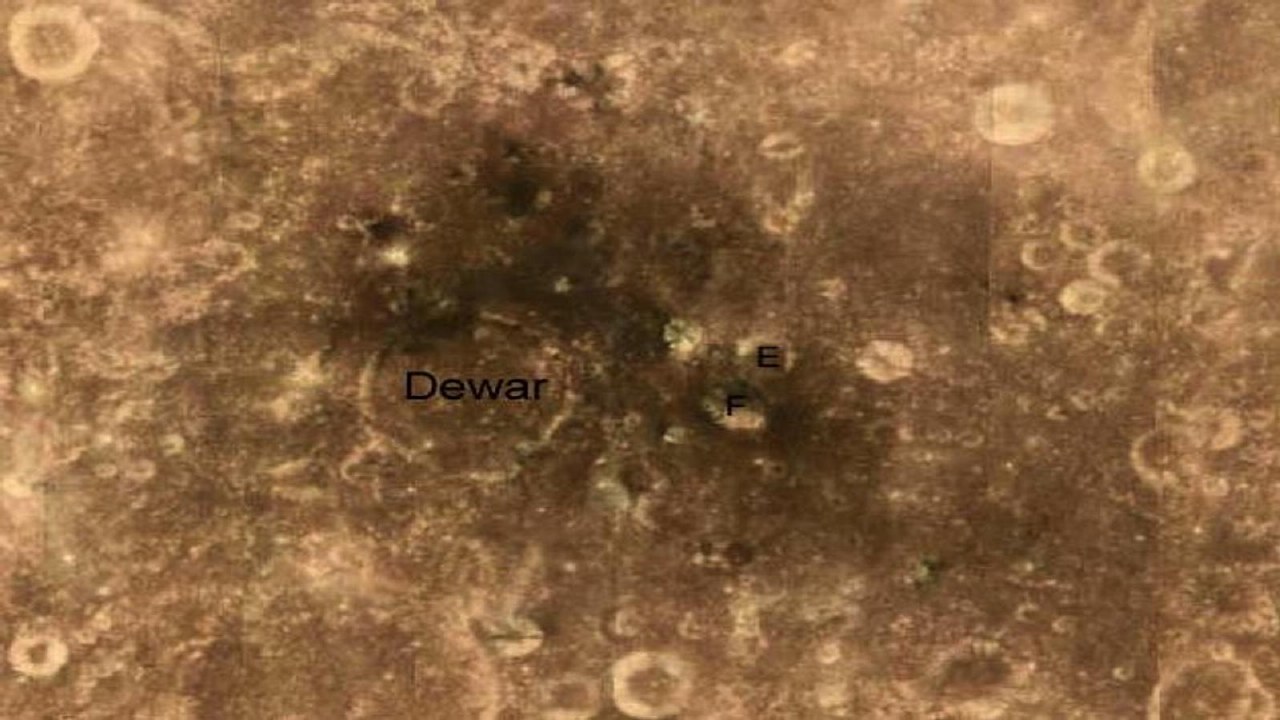
NASA's Artemis III mission is delayed by 90 days, pushing the launch to summer 2027 and threatening the agency's 2028 lunar landing schedule.
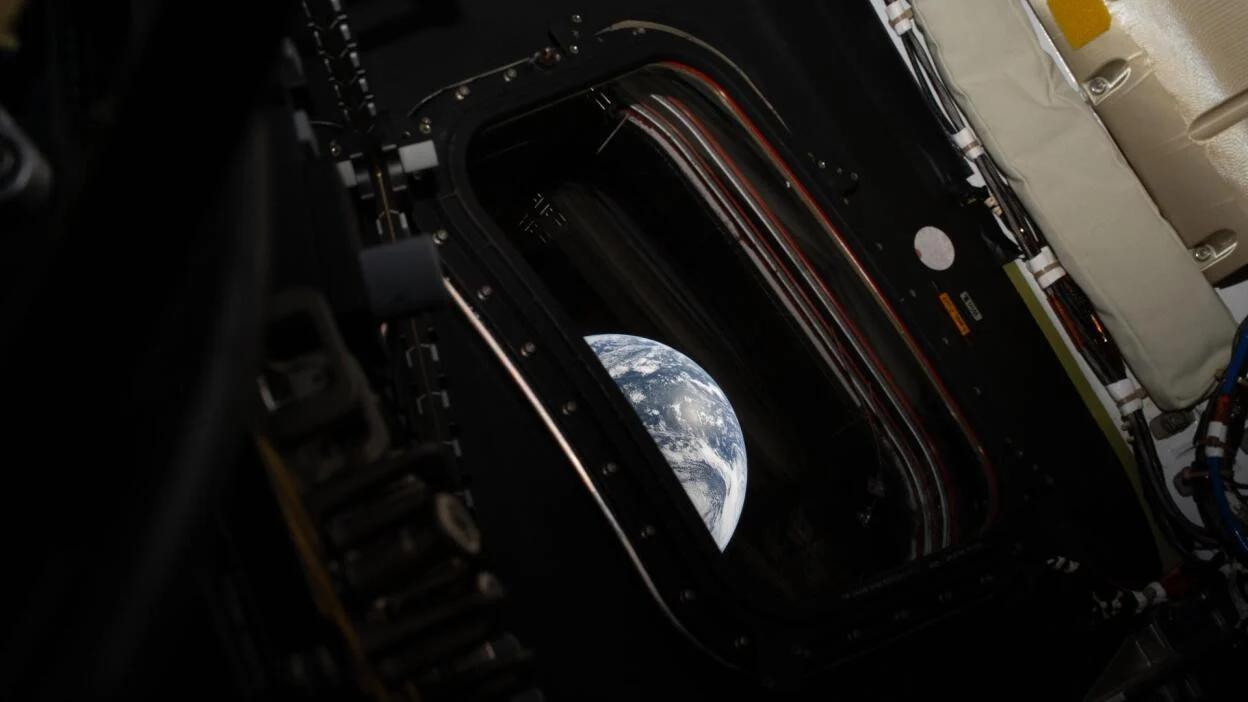
Italy has committed over $5 billion to NASA’s lunar program, securing two spots for its astronauts on future missions to the Moon’s surface.
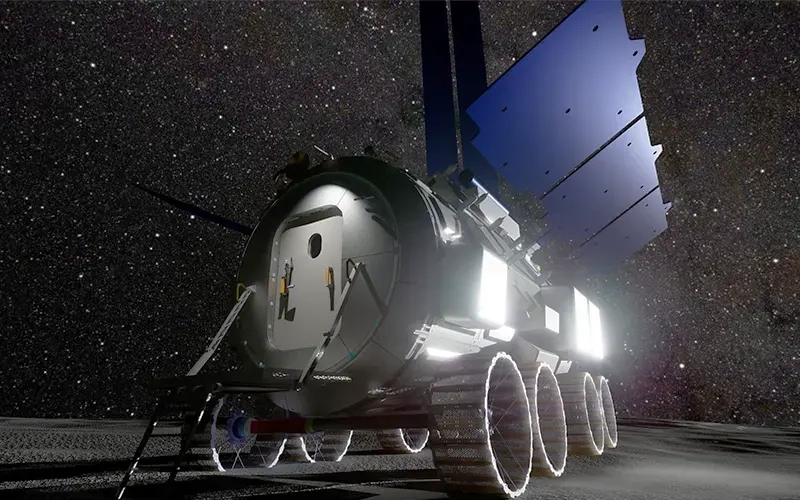
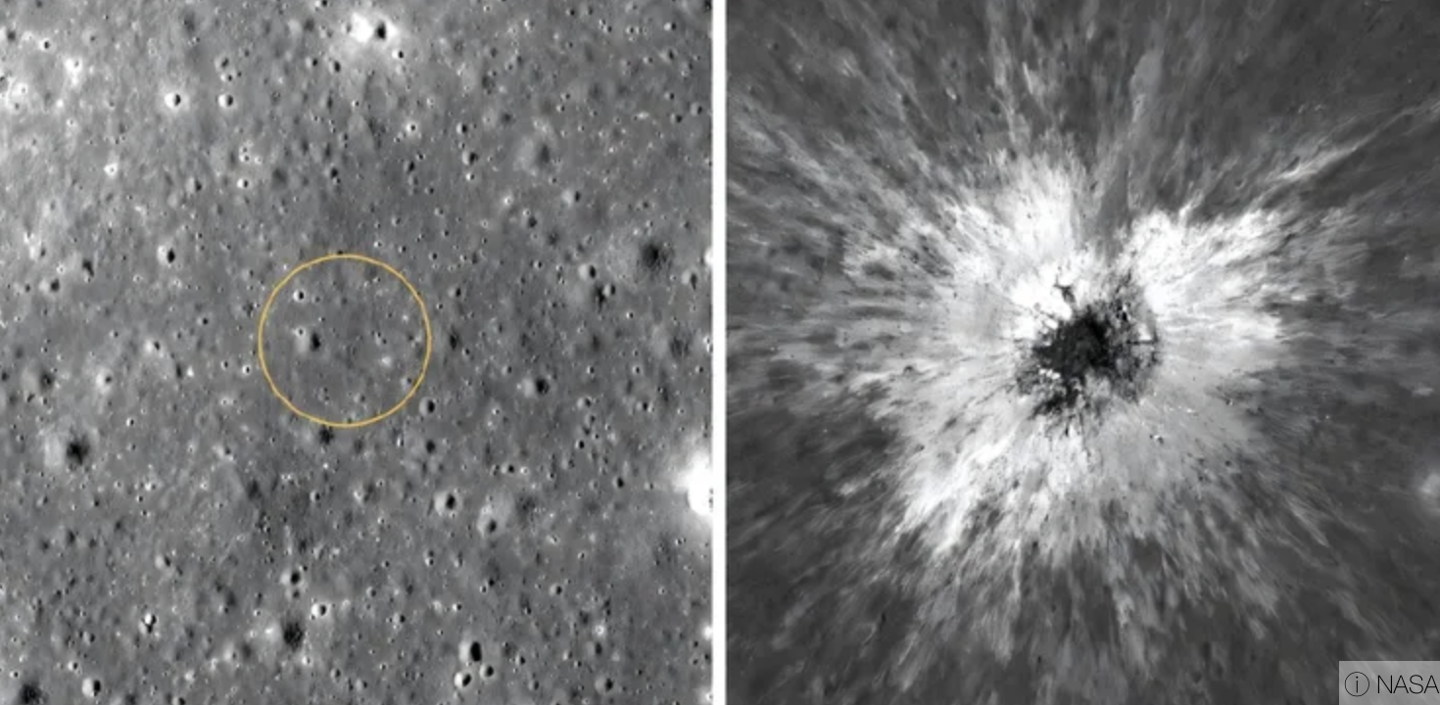
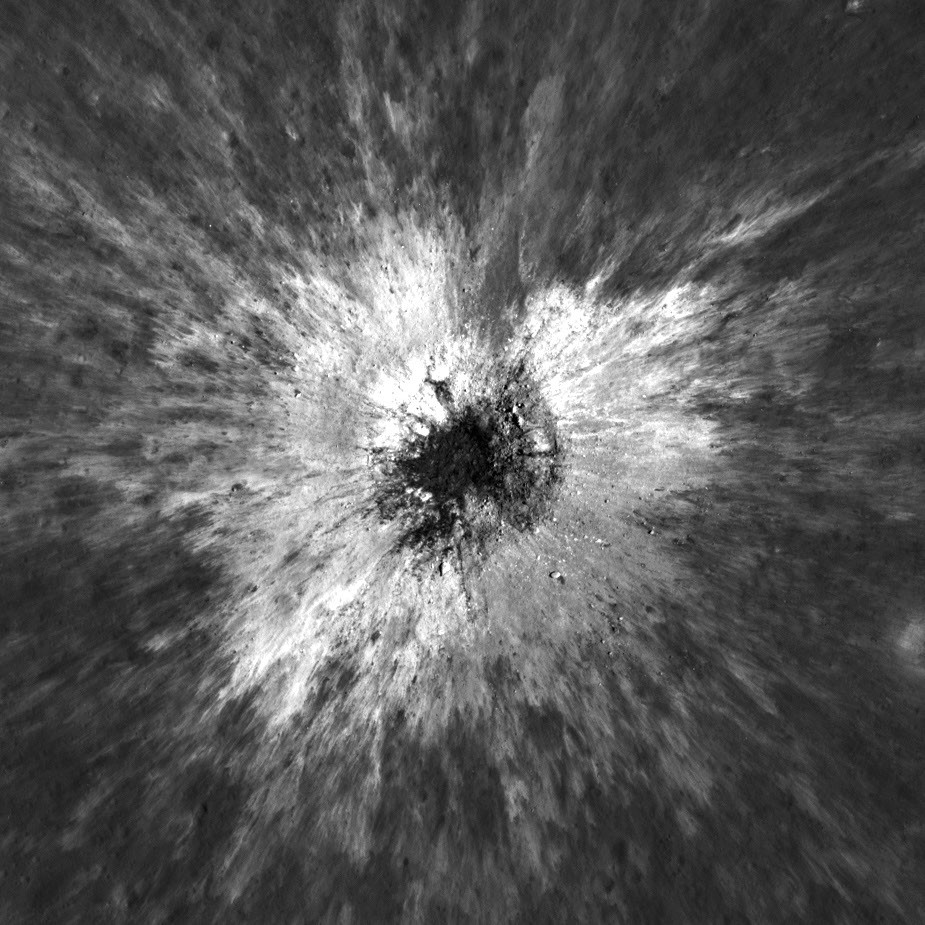
NASA researchers have documented the formation of a new lunar crater, McGetchin, caused by a 10-20 meter space object impact between April and May 2024.
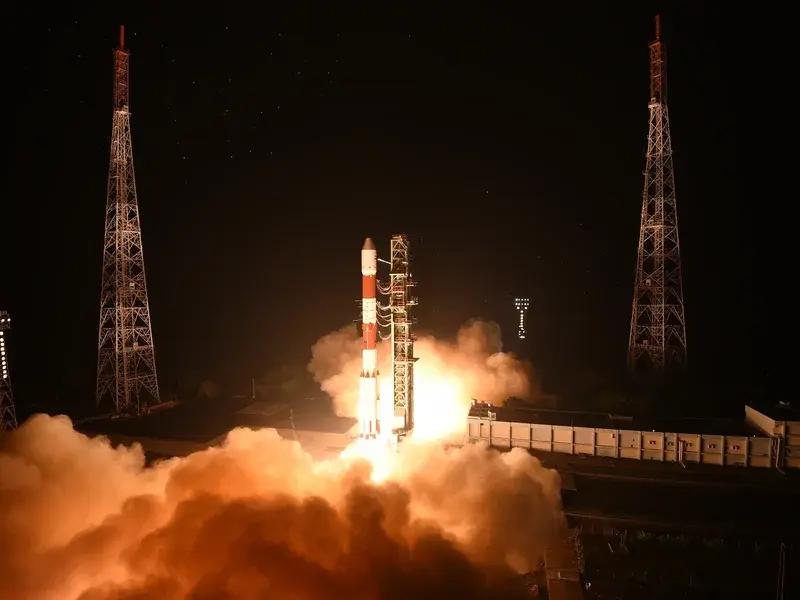
NASA has invited India to participate in its lunar base project, while New Delhi continues to develop its own national space infrastructure and seeks international partners for upcoming missions.
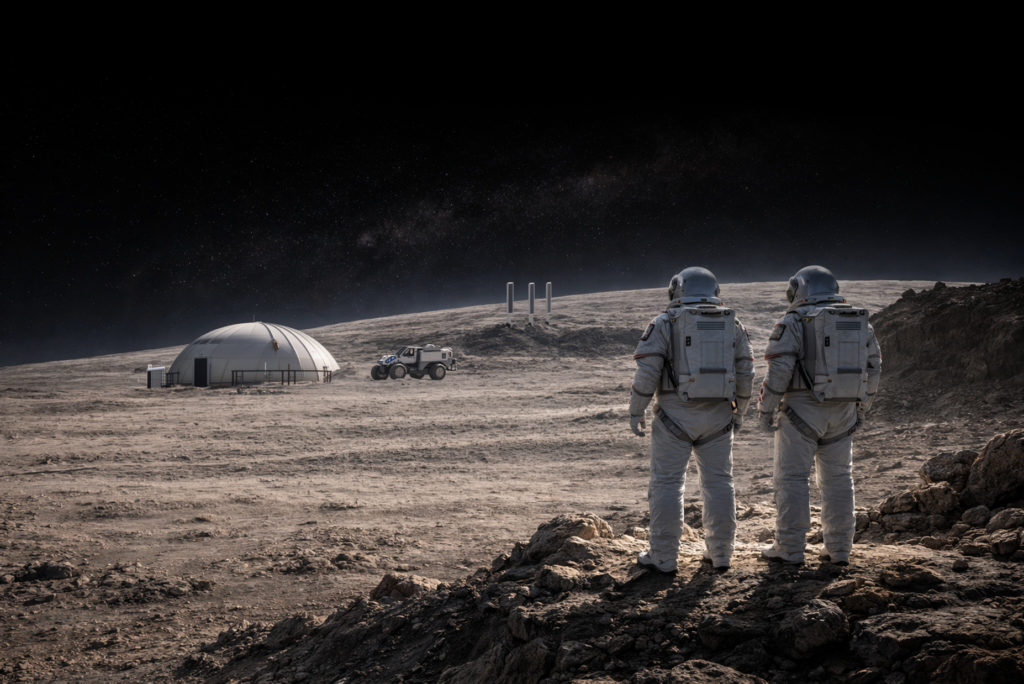
Deloitte projects the lunar economy could reach a cumulative value of up to $566 billion by 2050, driven by infrastructure development and new commercial markets.
NASA’s Lunar Reconnaissance Orbiter has discovered the largest newly formed crater in the solar system, providing new data on lunar surface impacts and thermal anomalies.
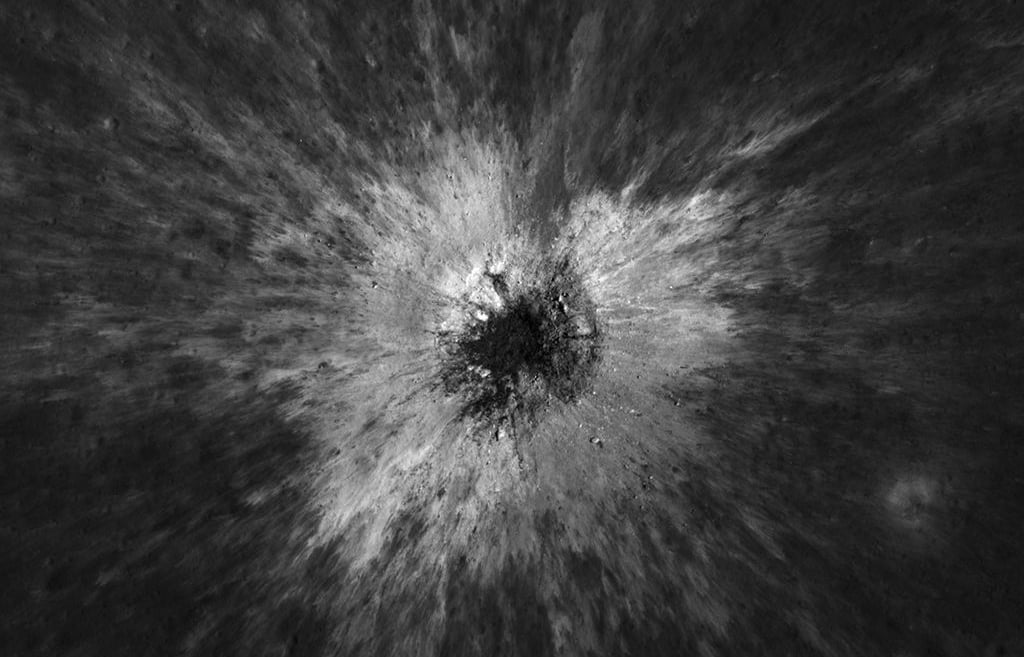
NASA has identified a new 222-meter-wide lunar crater formed in 2024, marking the largest recent impact event in the solar system.