Sibur-Khimprom Upgrades Flare Facility Control System
Sibur-Khimprom has replaced a 22-year-old American process control system with a Russian solution from Tecon-Engineering without interrupting continuous production.
NeodraDynamics Robotics has unveiled Neo1, a 4-meter tall humanoid robot capable of lifting 500 kg, designed for heavy industrial operations and high-precision tasks.

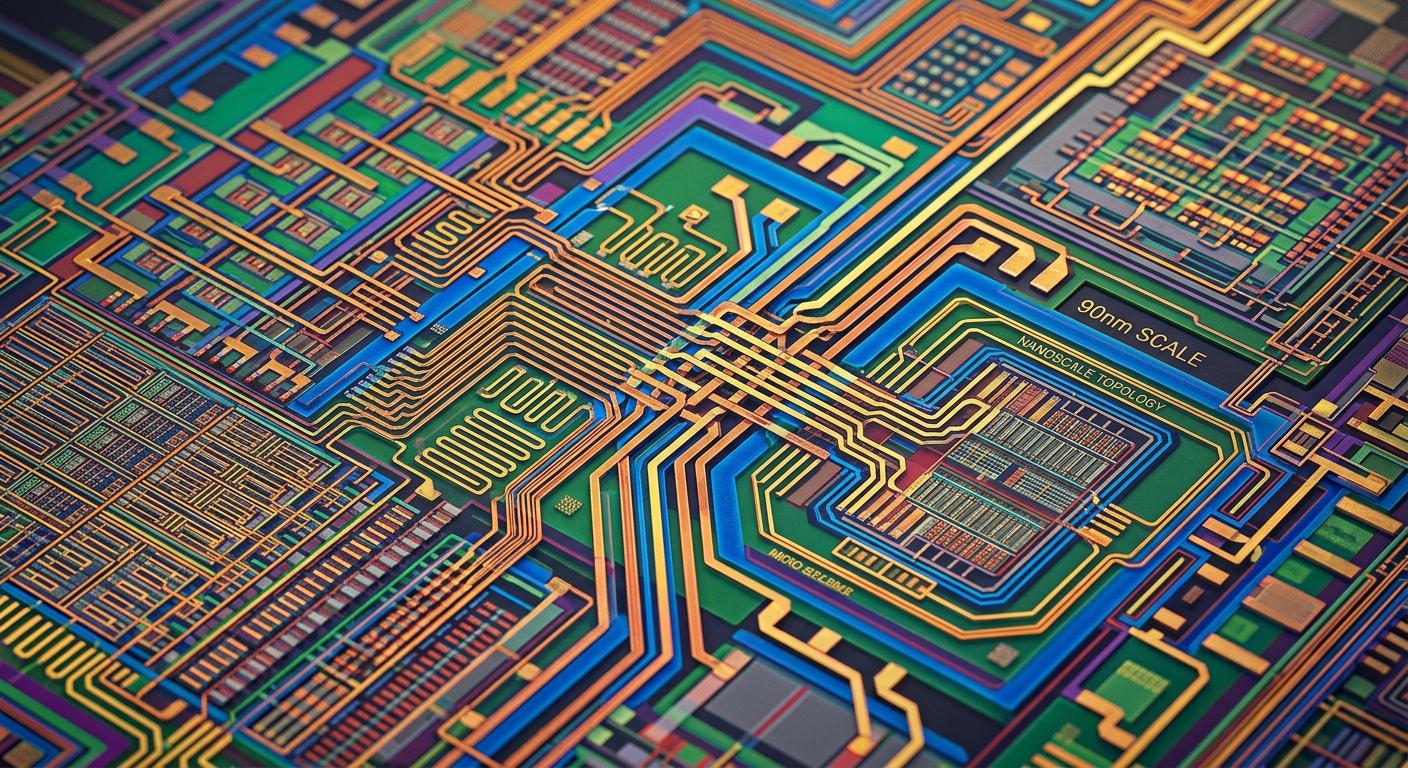
Russian microelectronics material production is projected to hit 1.7 ₽ billion in 2026, a 17-fold increase since 2024, as the government invests billions to reduce import reliance.

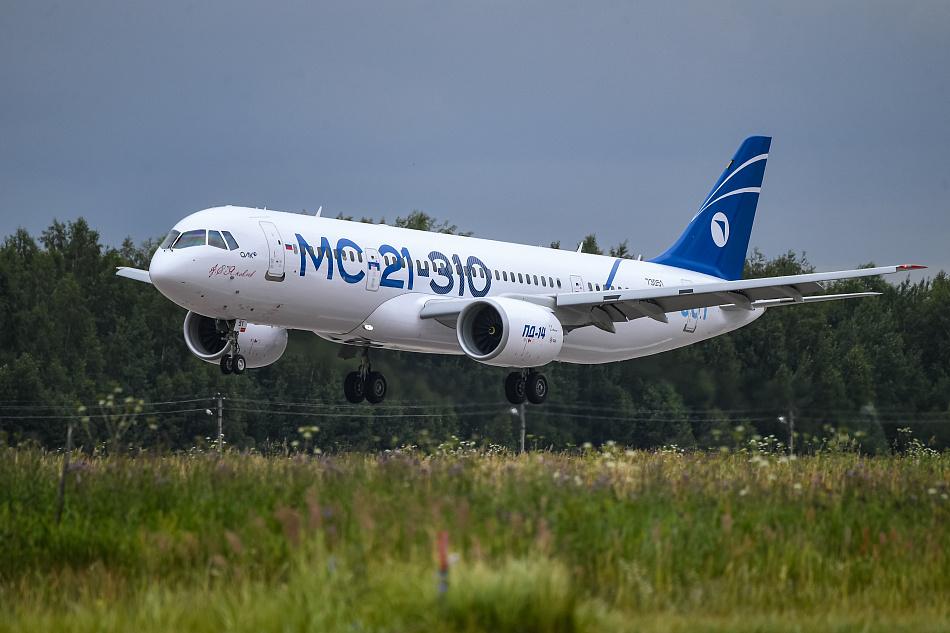
Russian aviation authorities have updated the certification status for the SJ-100 and MC-21 aircraft, with the former reaching 79% completion and the latter at 38%.

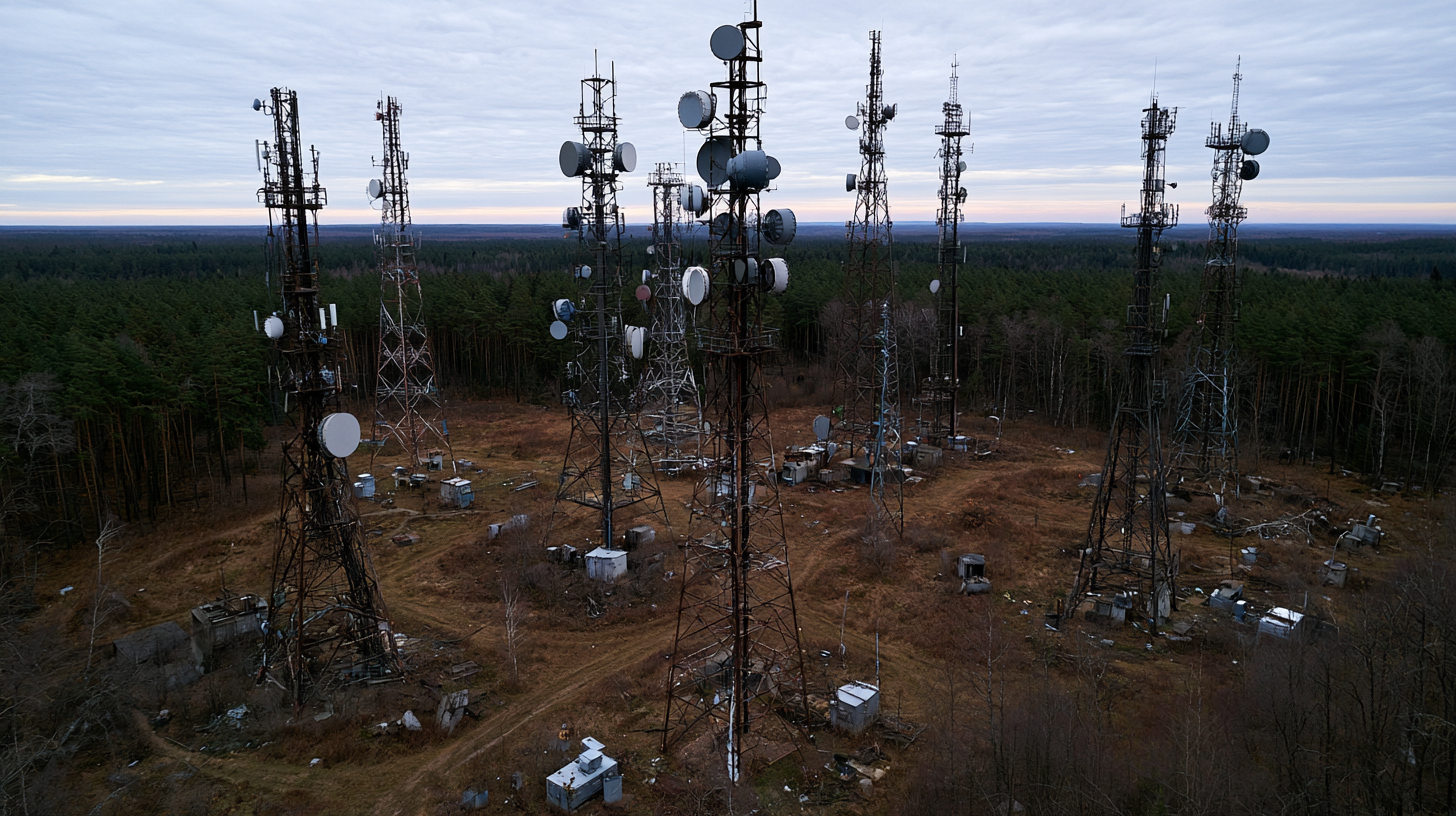
Beeline and Yadro Group have partnered to develop private LTE and 5G network solutions for industrial enterprises.

Rosatom is building a facility in Udmurtia to produce permanent rare-earth magnets, with a target launch in 2029 and a total investment of 3.6 ₽ billion.
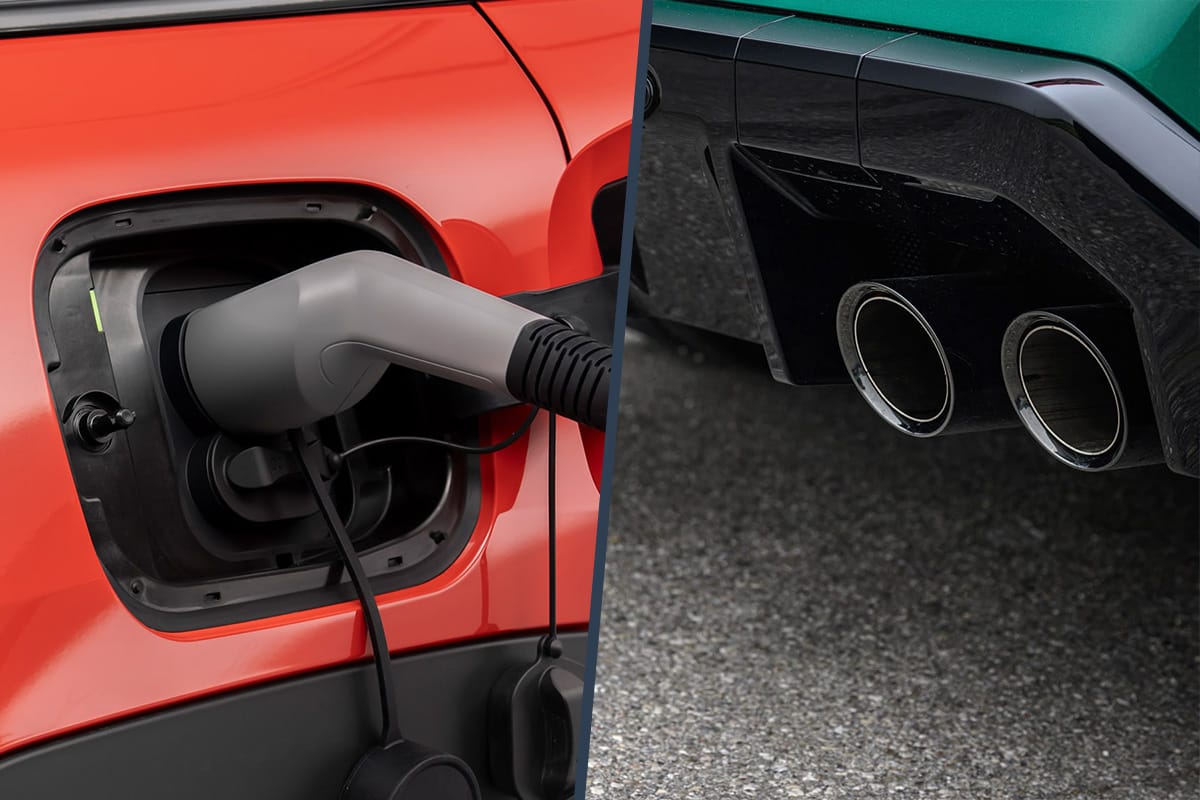
Germany and France have reached a deal to relax EU vehicle CO2 targets in exchange for stricter 'Made in EU' industrial requirements.

ANO NTSK ISU, MWS AI, and Rocket Control AI have launched an AI laboratory to research and scale artificial intelligence solutions for the industrial sector.
A K2Tech survey of 150 industrial executives shows that 79% of companies struggle to align AI implementation with management expectations due to data, infrastructure, and security gaps.
Russian authorities are moving toward mandatory security audits for industrial controllers, a shift that could double development timelines and significantly increase R&D costs.
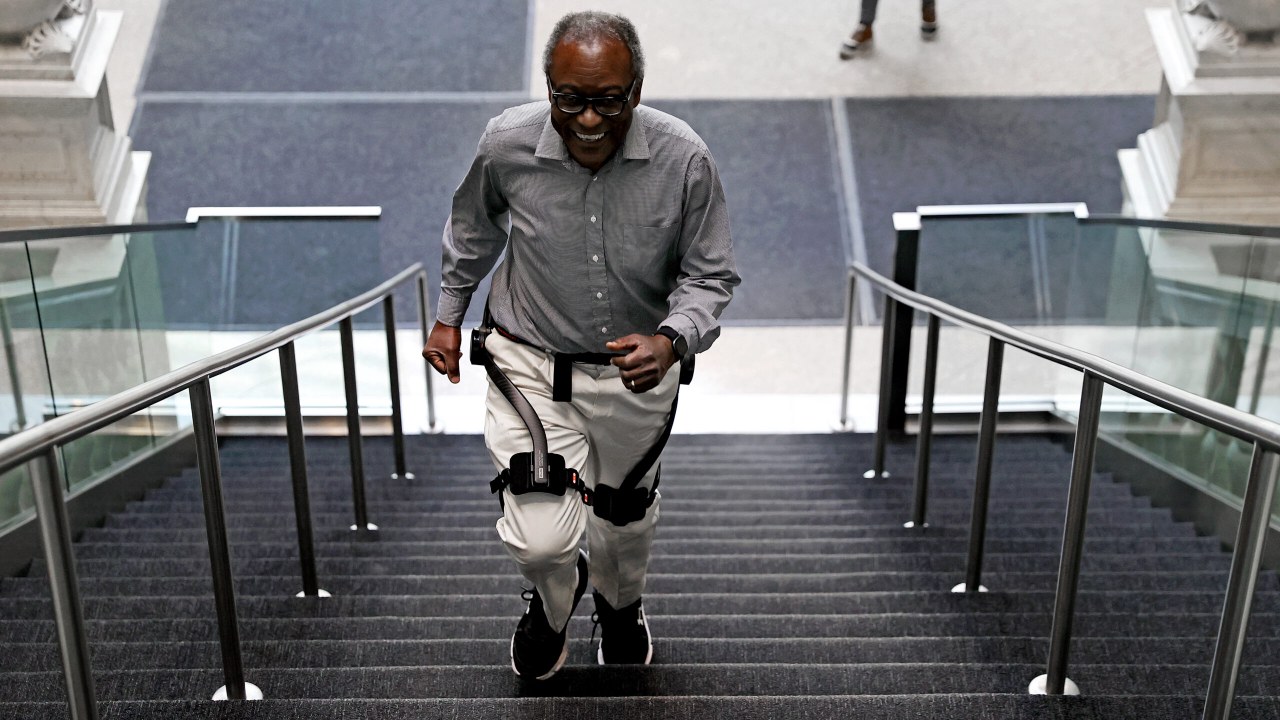
Powered exoskeletons are expanding from industrial assembly lines to military and rescue operations, with the global market projected to triple by the mid-2030s.

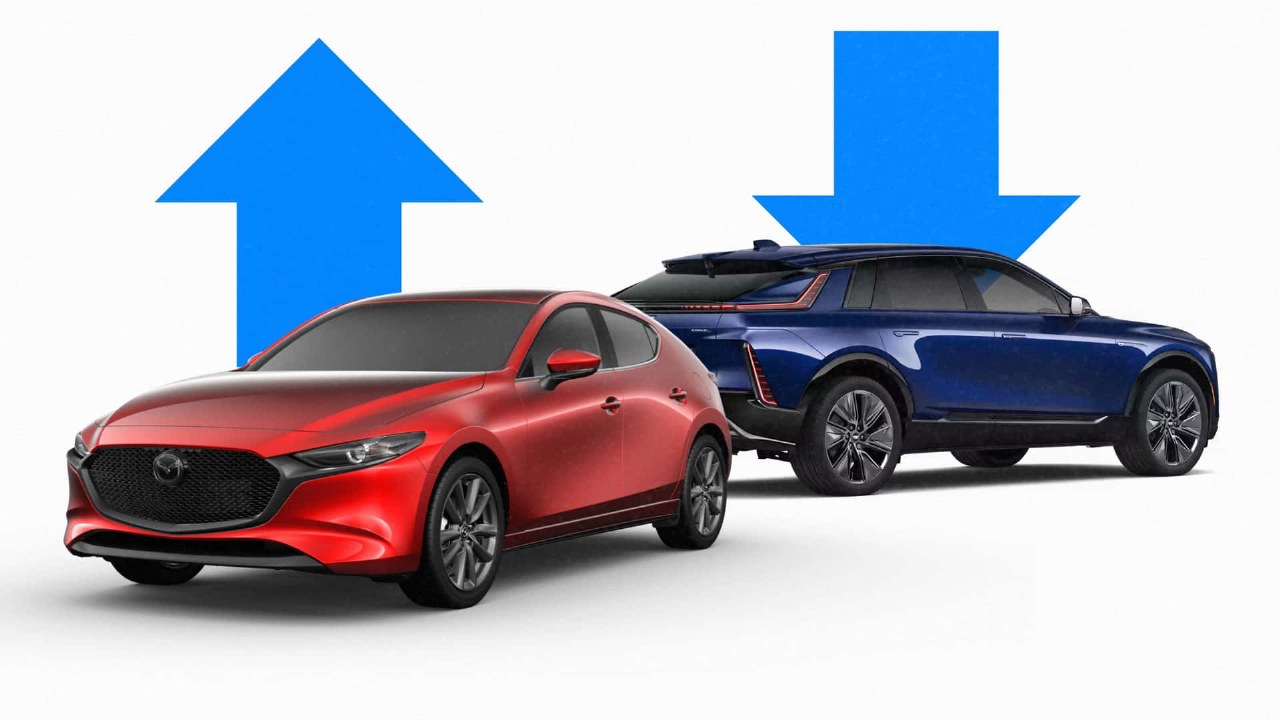
Automakers released their Q3 2026 sales results, highlighting gains for Mazda, Ford, and Ram, while Cadillac and Fiat faced significant declines in the US market.

Russia is introducing a new technology levy on smartphones and laptops starting December 2026, with projected annual revenues reaching 12.4 ₽ billion by 2028.

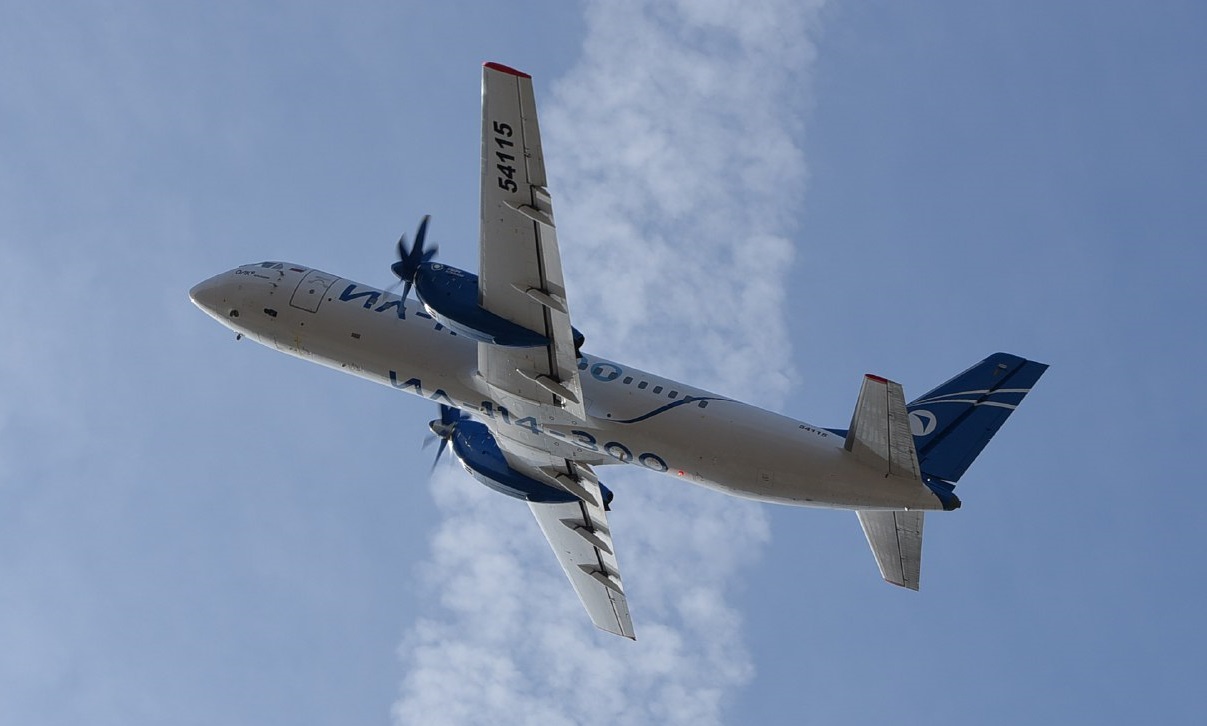
The Russian government has allocated over 4 ₽ billion for the development of the Il-114 aircraft as part of the 2027–2029 federal budget.

Nizhnevartovsk State University has partnered with CSoft Development and Kuraisoft to train engineering students using domestic industrial software.
Russia is set to implement flexible localization requirements for drone batteries starting in 2027 to address industry-specific technical challenges.
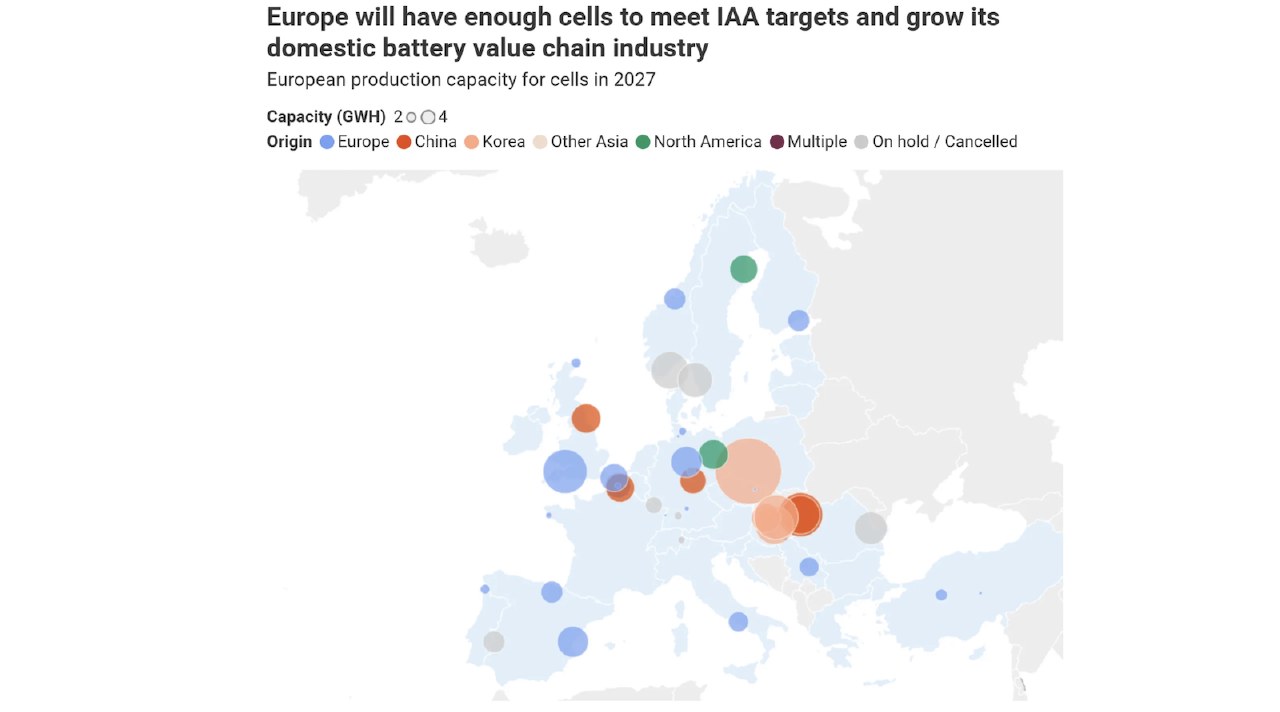
Transport & Environment reports that Europe can meet its 2030 battery cell demand through local production if the Industrial Accelerator Act is implemented to support domestic supply chains.

In 2025, Russia's leading industrial sectors achieved innovation activity levels of up to 80%, driven by significant R&D investment and substantial state funding.
Over 80% of Russian microelectronics companies cite insufficient domestic demand as the main growth barrier, while production capacity is projected to quadruple by 2030.
Over 80% of market players cite insufficient demand as the main obstacle for the Russian microelectronics sector, while production capacity is projected to quadruple by 2030.