German Chancellor Friedrich Merz and French President Emmanuel Macron have reached an agreement to potentially relax EU CO2 emission targets for vehicles. In exchange for this flexibility, Germany has agreed to support France in implementing stricter 'Made in EU' requirements for the automotive industry.
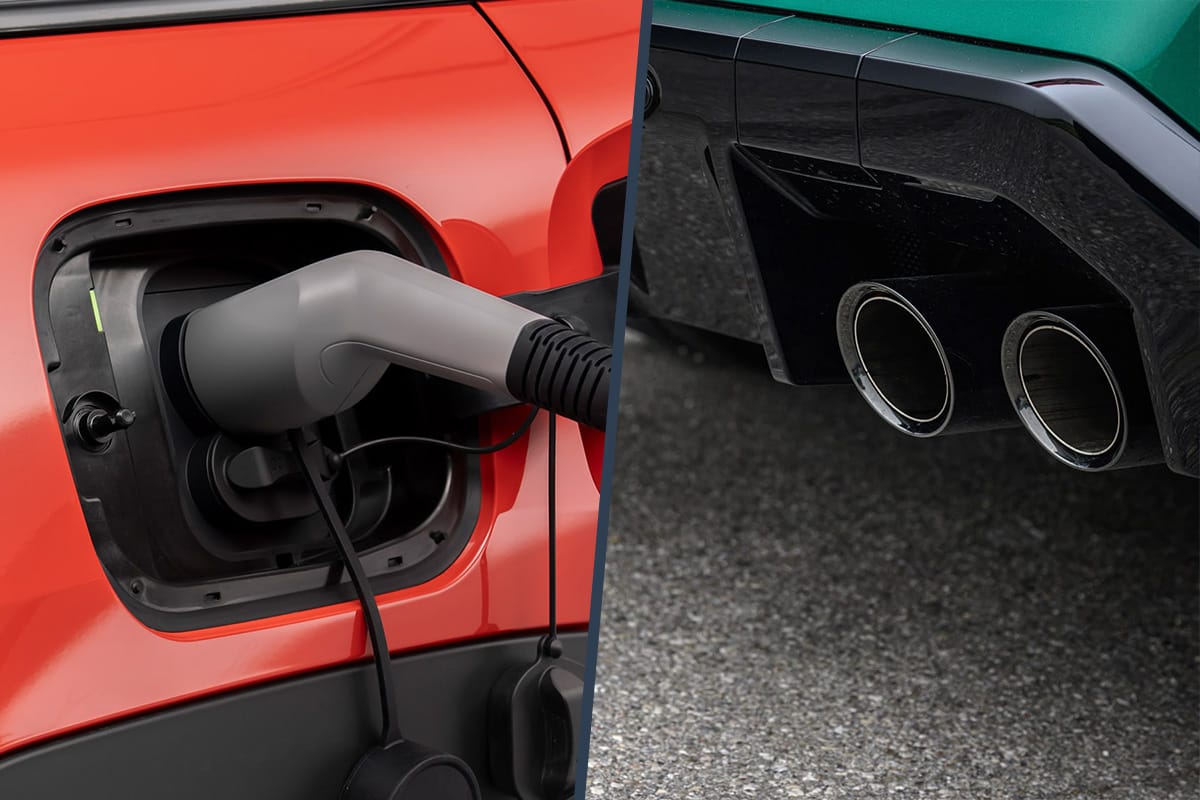
The proposed changes aim to soften fleet CO2 limits beyond the European Commission's initial proposal. Germany and France are seeking a further ten-percentage-point reduction in targets. With compensation options, the total reduction could reach at least 80 percent, providing automakers more leeway to sell internal combustion engine vehicles.
The agreement also addresses interim targets for 2030. Merz and Macron propose extending the compliance period from the currently planned three years to five years, covering 2028 to 2032. This adjustment is intended to help manufacturers avoid significant financial penalties for missing emission goals.
The European Commission's 'Auto Package' includes a €1.5 billion 'Battery Booster' initiative to support the EU battery value chain. Additionally, the Commission aims to reduce administrative burdens on companies, with estimated annual savings of €706 million. A vote on the package in the European Parliament is expected in November.