NASA Validates Pointing Precision for Roman Space Telescope
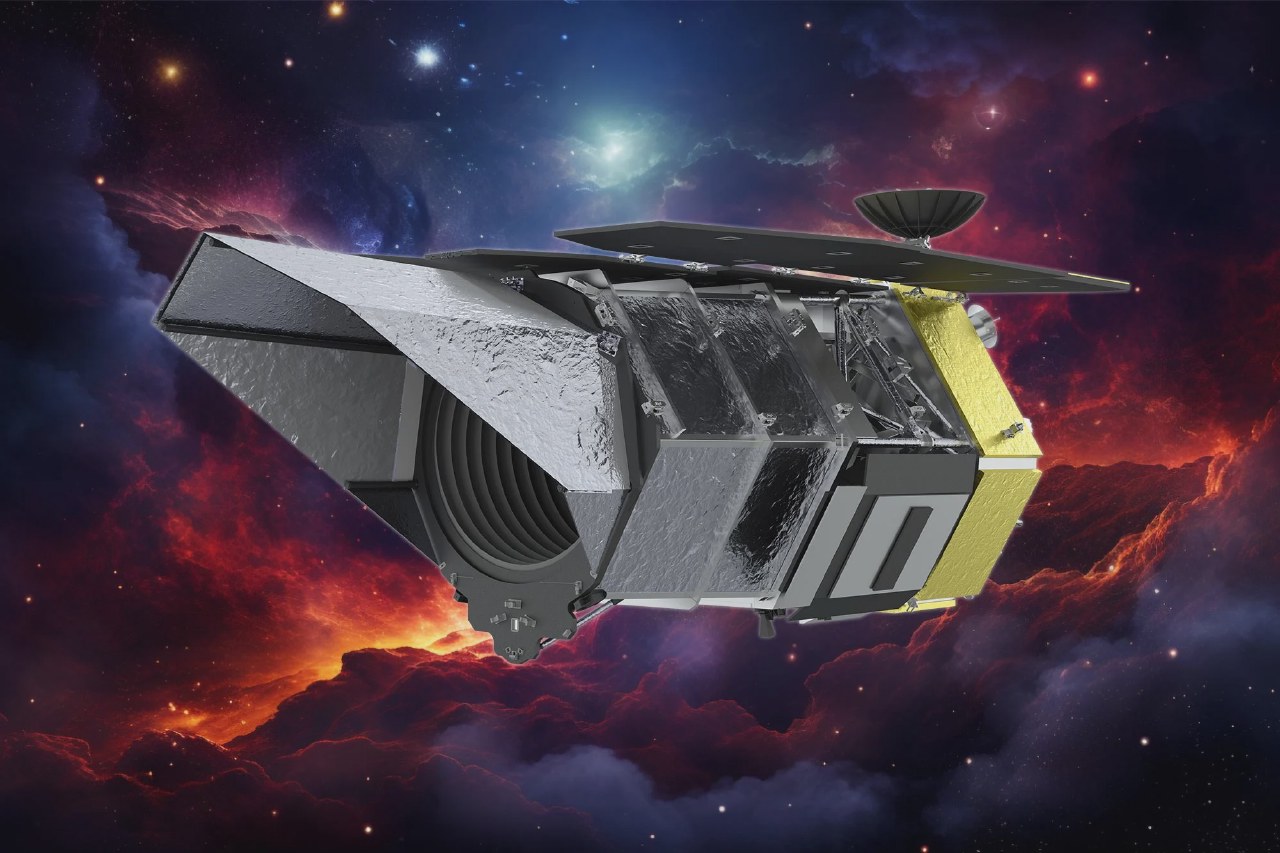
NASA has completed critical pointing and coronagraph tests for the Nancy Grace Roman Space Telescope, marking a major milestone in its preparation for exoplanet research.

NASA has completed critical pointing and coronagraph tests for the Nancy Grace Roman Space Telescope, marking a major milestone in its preparation for exoplanet research.

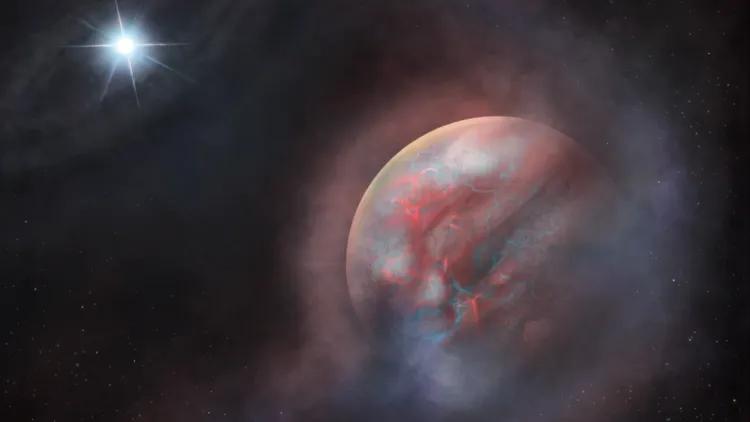
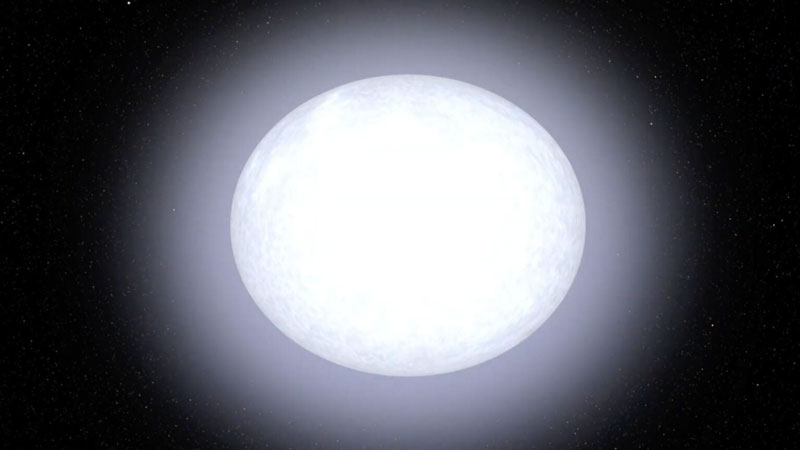
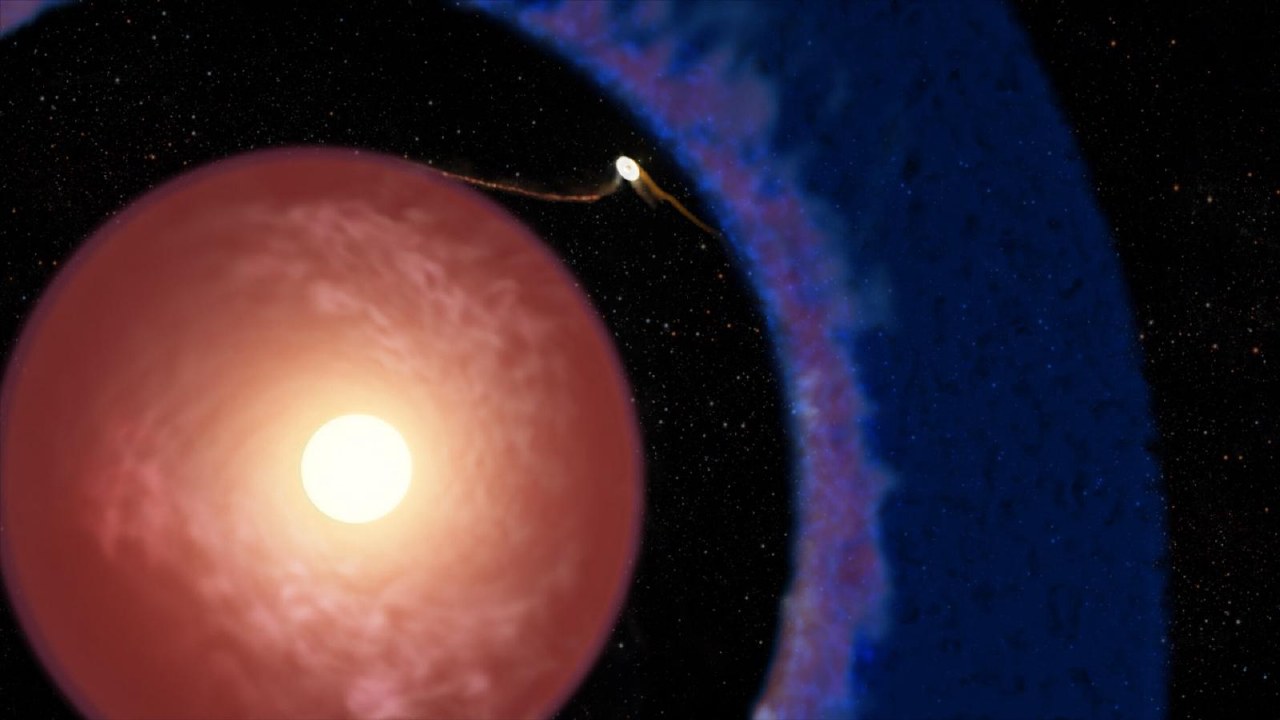
Astronomers have discovered a second-generation gas giant orbiting the white dwarf HS 0209+0832, suggesting that planets can form from the remnants of dead stars.

Researchers using archival Hubble data have discovered evidence of a second-generation planet orbiting the white dwarf star HS 0209+0832.

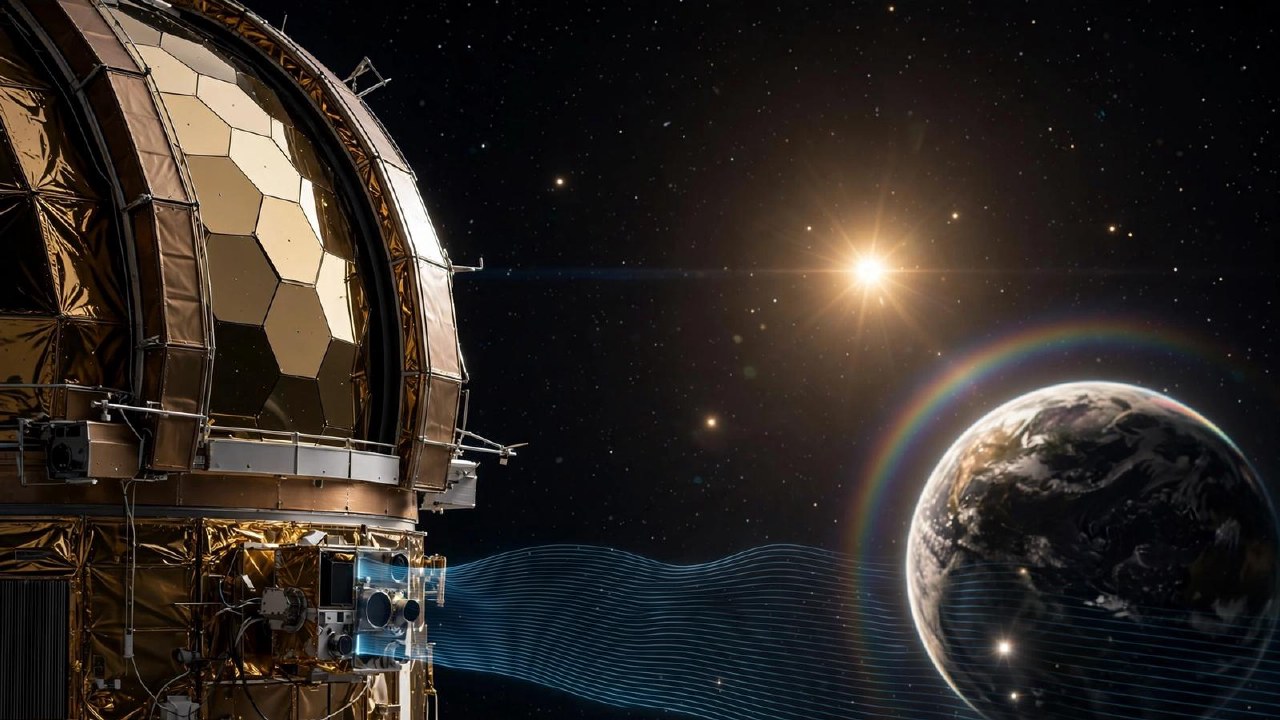
NASA's upcoming Habitable Worlds Observatory will use polarimetry to detect atmospheres on distant exoplanets by analyzing rainbows and solar glints.

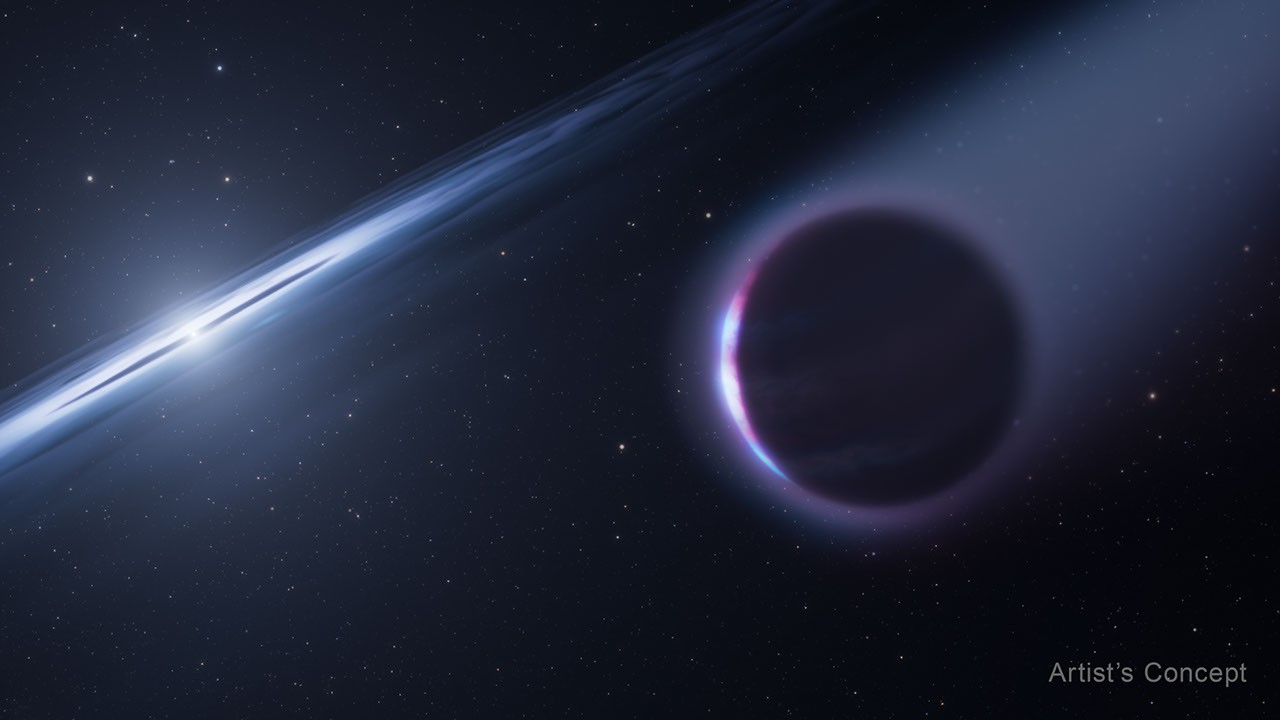
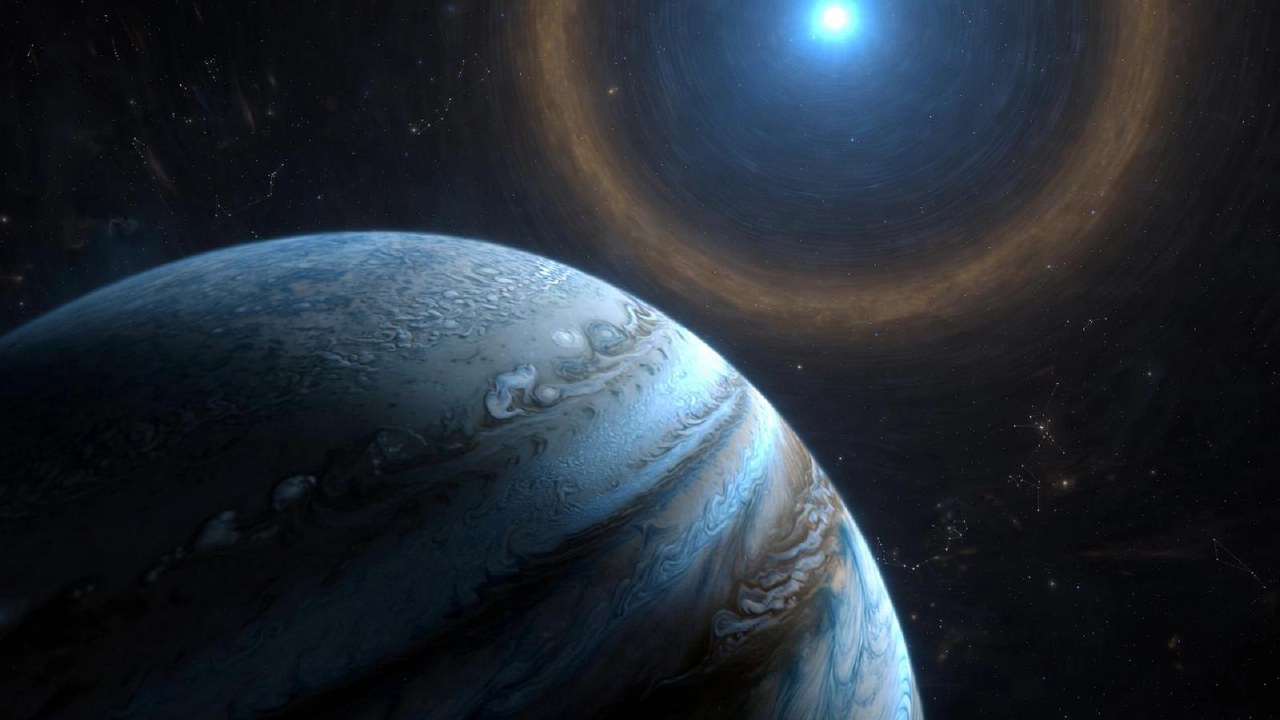
Astronomers have detected potential evidence of a massive exoplanet orbiting the hot star HD 156295 using data from the TESS space telescope.

Astronomers have identified a potential exoplanet orbiting the hot A-type giant star HD 156295 using pulsation timing analysis of TESS telescope data.

Proxima Centauri b is identified as a potentially habitable exoplanet located 4.2 light-years from Earth, according to researchers at the Space Research Institute of the Russian Academy of Sciences.

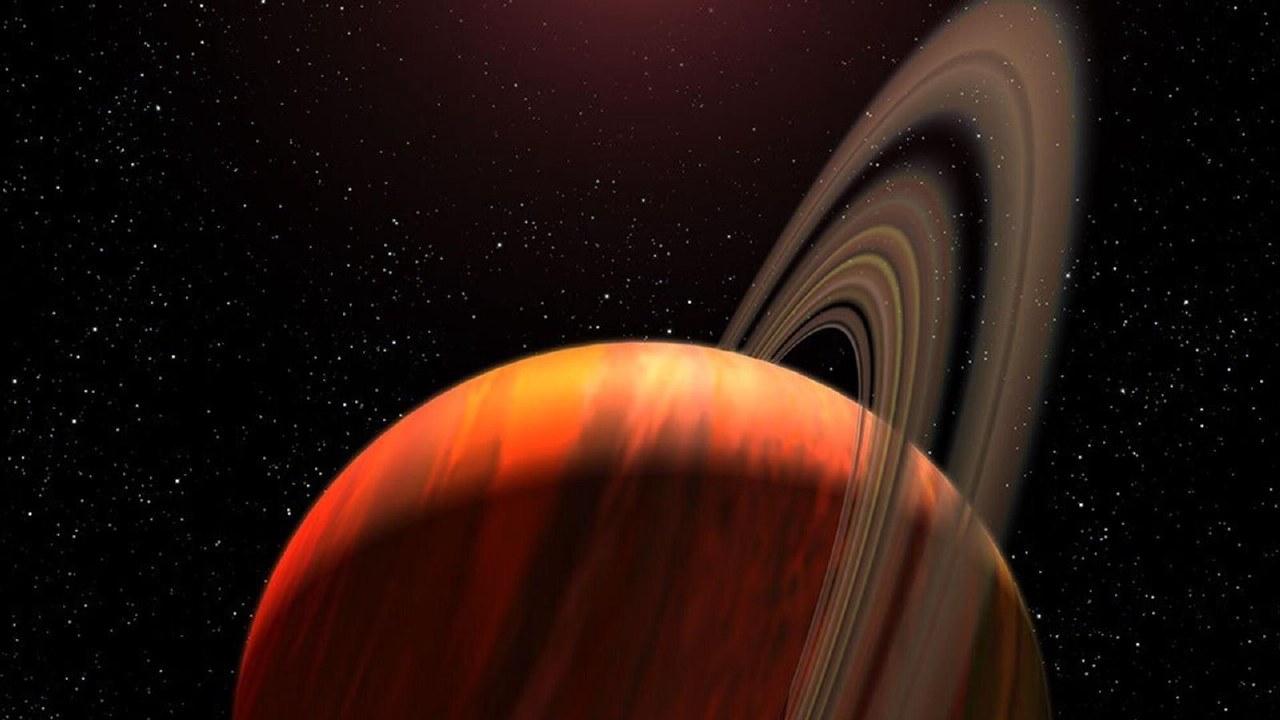
The James Webb Space Telescope has detected water and ammonia on the giant exoplanet HATS-6 b, while revealing a temperature significantly lower than previous estimates.

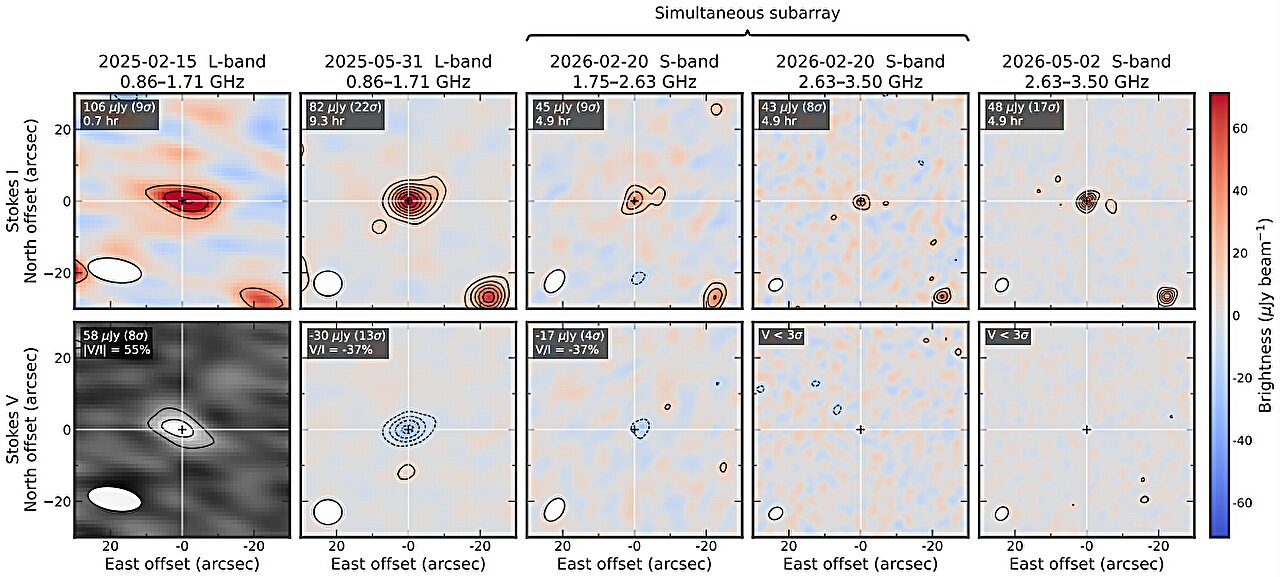
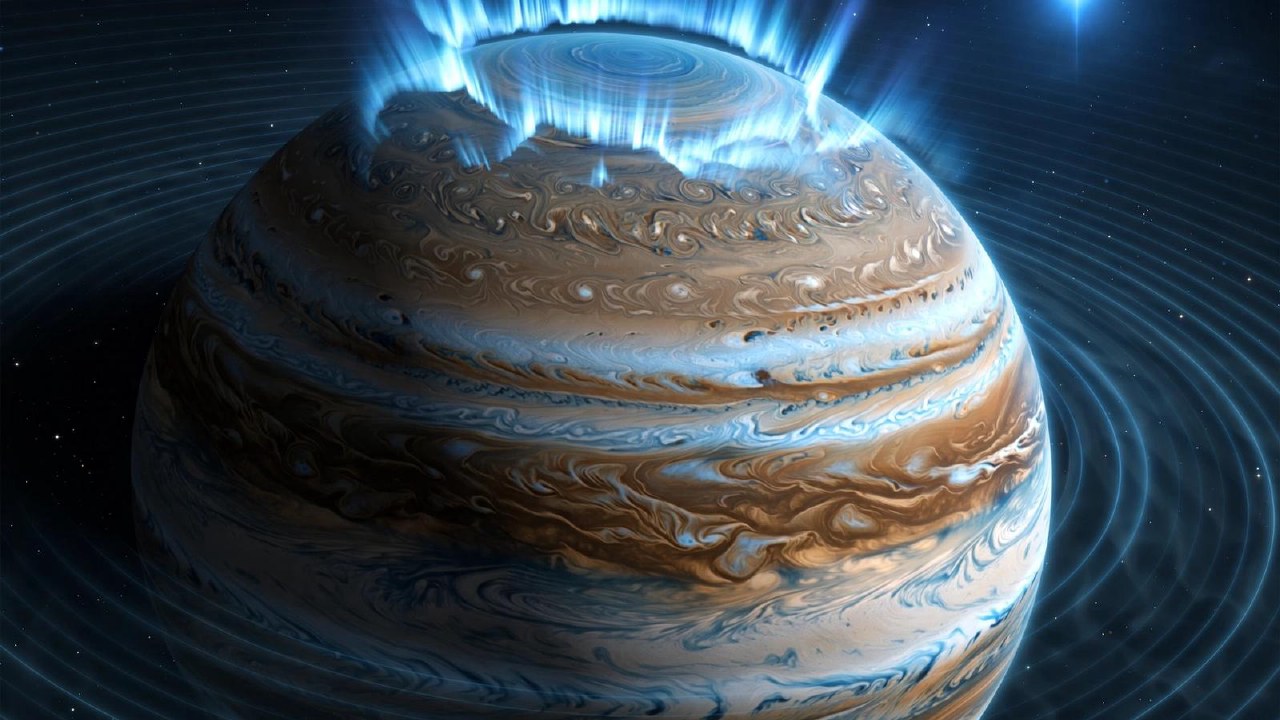
Astronomers have directly detected radio signals from the exoplanet Beta Pictoris b, allowing for the first-ever direct measurement of an exoplanet's magnetic field strength.

Astronomers have successfully linked radio emissions to the exoplanet Beta Pictoris b, providing the first direct measurement of an exoplanet's magnetic field strength.

Astronomers have directly detected radio emissions from the exoplanet Beta Pictoris b using the MeerKAT radio interferometer.

Astronomers have discovered the youngest exoplanet on record, Elias 2-24 b, which formed in less than a million years, challenging existing models of planetary development.

Researchers from the University of Arizona have developed a method to detect liquid water on exoplanets by identifying starlight glints at specific phase angles.