

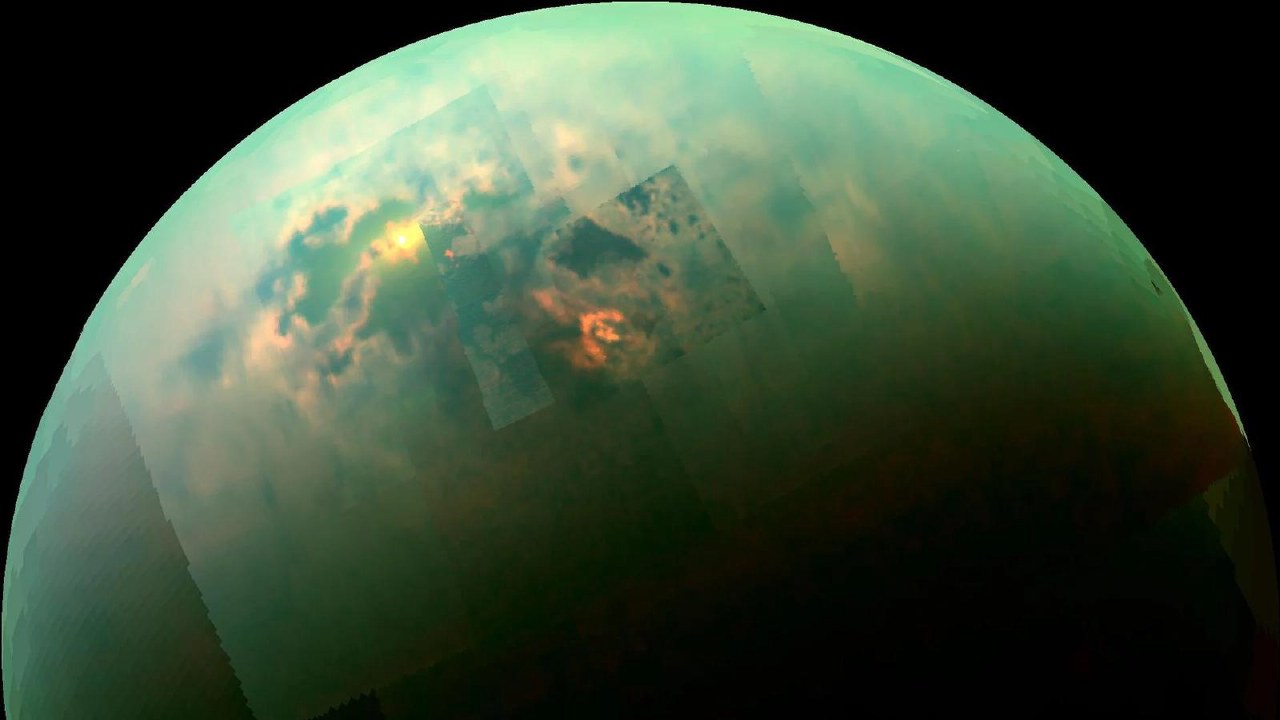
Researchers from the University of Arizona have proposed a new method for detecting liquid water on exoplanets by identifying glints of starlight reflected off planetary surfaces. The technique relies on observing planets at specific phase angles where liquid surfaces act like mirrors, causing a sharp increase in brightness when viewed at acute angles.
The team updated the rfast atmospheric tool by integrating the Cox-Munk ocean model, which accounts for wind and surface ripples. The study indicates that at phase angles exceeding 120 degrees, the model can distinguish between oceanic and arid planets even amidst high noise levels. This phenomenon is driven by the red-shifting of the glint as light passes through the atmosphere.
These findings are significant for the development of the Habitable Worlds Observatory. Previously, a 130-degree threshold was considered necessary for detection, but the new 120-degree limit provides engineers with greater flexibility for coronagraph design. The method has historical precedents, including observations of Titan by Cassini and Earth by Galileo.
The model faces limitations, such as the potential for total cloud cover to obscure the signal or high-altitude cirrus clouds to create false positives. Researchers emphasize that current data on Earth in crescent phases remains insufficient for full calibration, yet the method offers a viable path for future observations of exoplanets located dozens of light-years away.



