

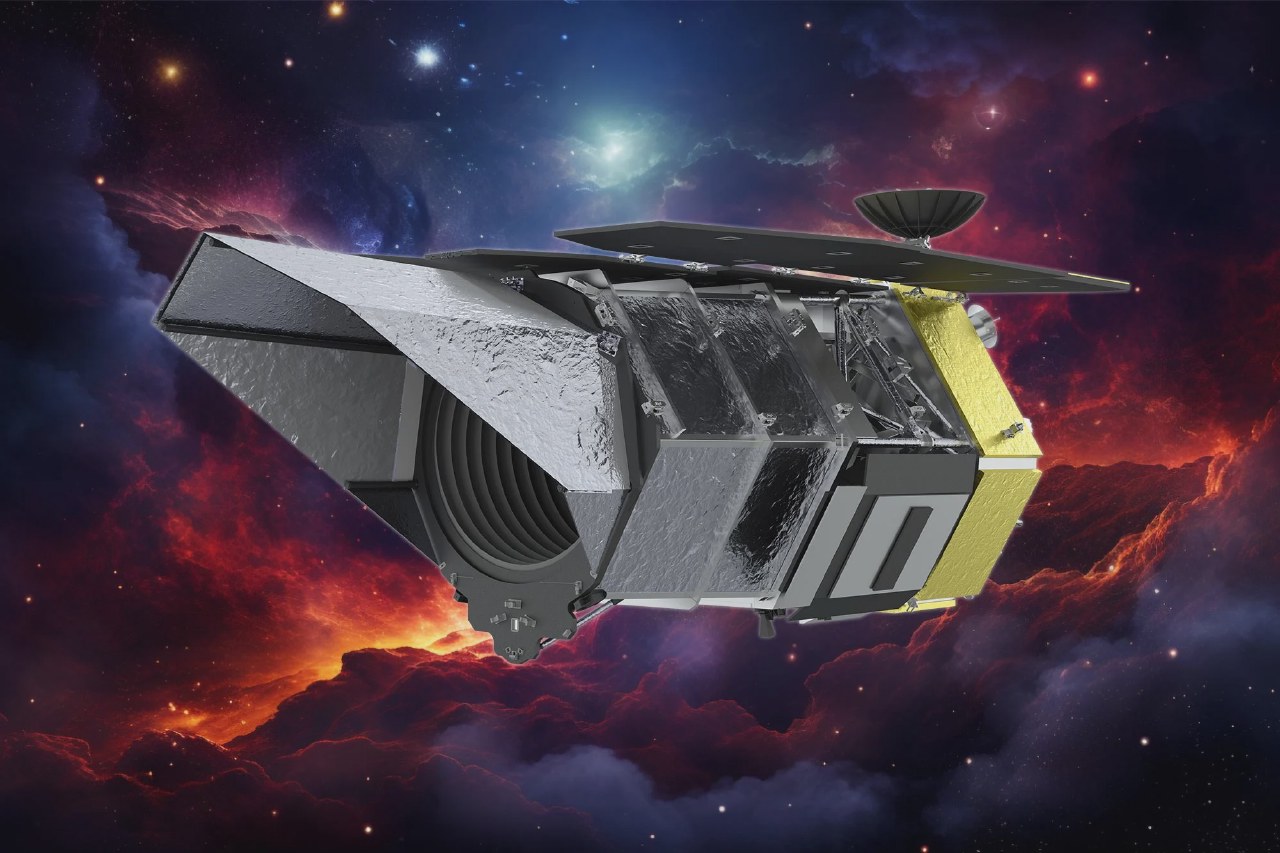
NASA has successfully completed critical pointing tests for the Nancy Grace Roman Space Telescope, ensuring the observatory can maintain precise stability during long-duration observations. Between September 15 and 21, the telescope verified its precision guidance system, which corrects for drift four times per second to keep targets locked.
The system demonstrated stability better than 0.00001 degrees for 30 minutes in wide-field mode and up to 8 hours in coronagraph mode. Engineers compare this level of precision to keeping a laser beam focused on a dime from 240 kilometers away, with future plans to improve this capability to a 370-kilometer range.
On September 22, the telescope's coronagraph successfully captured its first light from space. This instrument is designed to block bright starlight, allowing for the direct observation of faint exoplanets and dust disks. Initial tests targeted a dim star in the Large Magellanic Cloud to verify the system's focus and imaging capabilities.
The mission will also test a novel guidance technique that uses spectral data from scientific observations as a positioning reference, rather than relying solely on independent guide stars. This innovation aims to enhance the telescope's overall performance as it prepares for its primary mission of large-scale cosmic surveys and exoplanet research.



