IBM and Marvell Strategies in the Evolving AI Market
IBM is pivoting to hybrid AI infrastructure while Marvell Technology targets up to $90 billion in revenue by 2031 amid a broader industry shift toward inference workloads.

IBM is pivoting to hybrid AI infrastructure while Marvell Technology targets up to $90 billion in revenue by 2031 amid a broader industry shift toward inference workloads.

A review of 12 AI-powered live translation tools for 2026 highlights varying latency, language support, and pricing models for enterprise and personal use.

Corporate confidence in autonomous AI agents is waning, with the share of companies allowing automated production changes falling to 56% in August, according to a new VentureBeat survey.

OpenAI reported an annualized revenue run rate of nearly $70 billion by late September, driven by a surge in enterprise and consumer demand ahead of a potential 2027 IPO.

Atlassian has unveiled the Agentic Multiplayer Protocol to enable AI agents to function as collaborative team members within a governed digital workspace.

NetApp is updating its storage infrastructure with behavior-based policy engines to manage the risks posed by autonomous AI agents operating at machine speed.

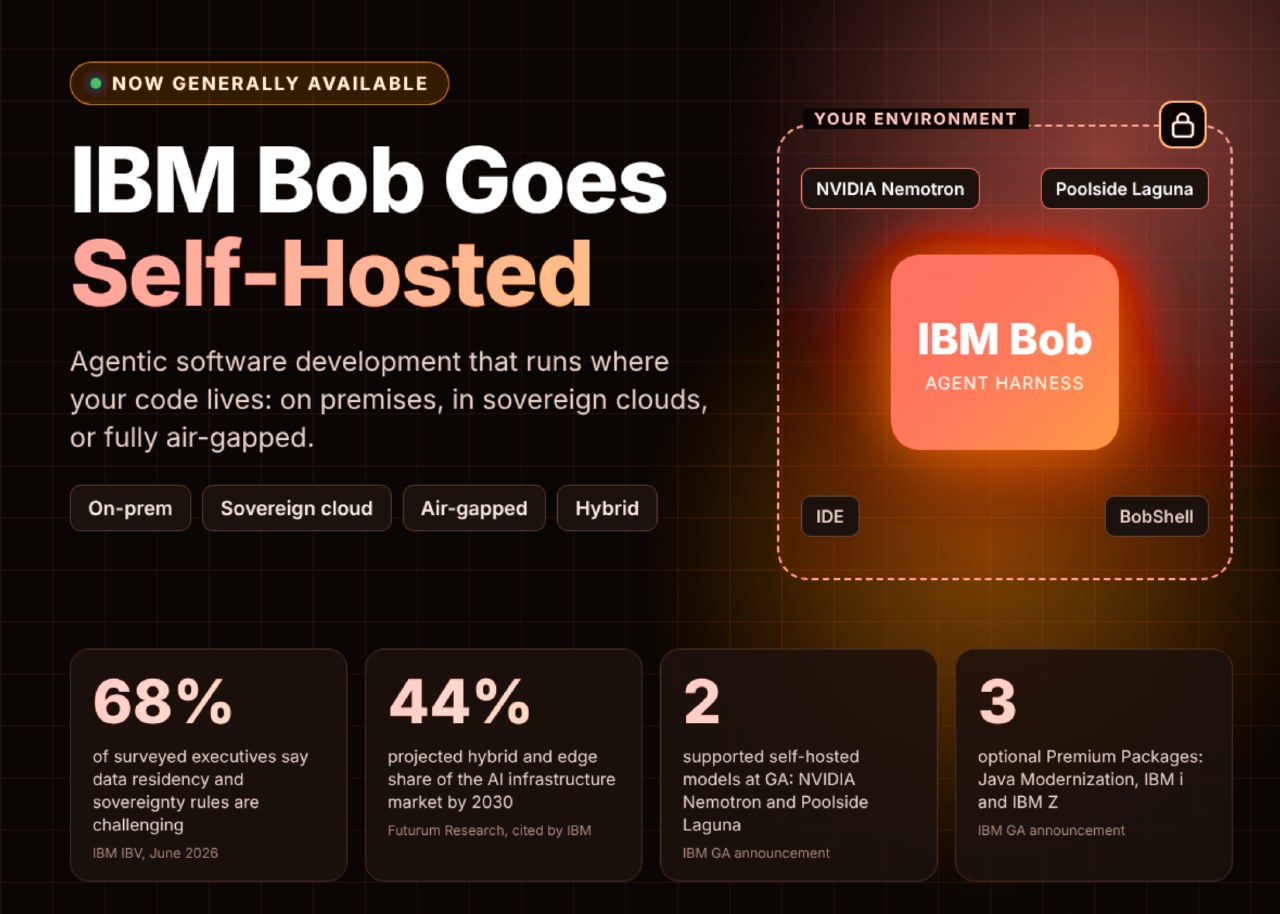
IBM has released a self-hosted version of its Bob agentic development tool, enabling enterprises to run AI-assisted coding within secure, air-gapped environments.

NetApp and Cisco are pivoting their 16-year-old FlexPod infrastructure franchise toward AI, leveraging a $21 billion ecosystem to offer pre-tested stacks for enterprise deployments.

OpenAI is evolving ChatGPT into a primary interface for software discovery and execution, integrating third-party apps and autonomous agents to bypass traditional app store distribution.

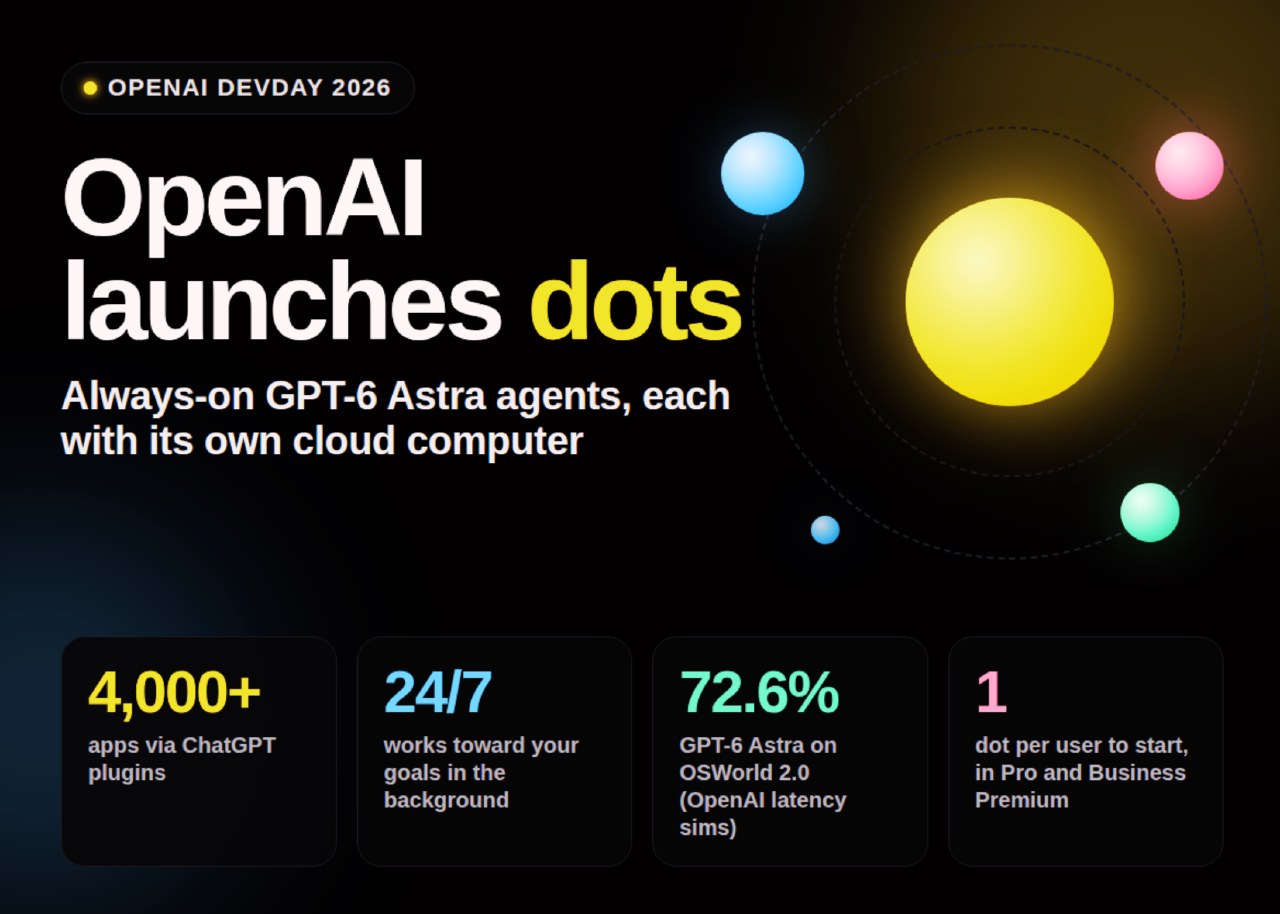
OpenAI has launched Dots, persistent GPT-6 Astra agents that run on dedicated cloud computers to perform continuous tasks for Pro and Business Premium users.

The transition of AI agents into production is forcing enterprises to modernize legacy identity management systems to ensure security and control.

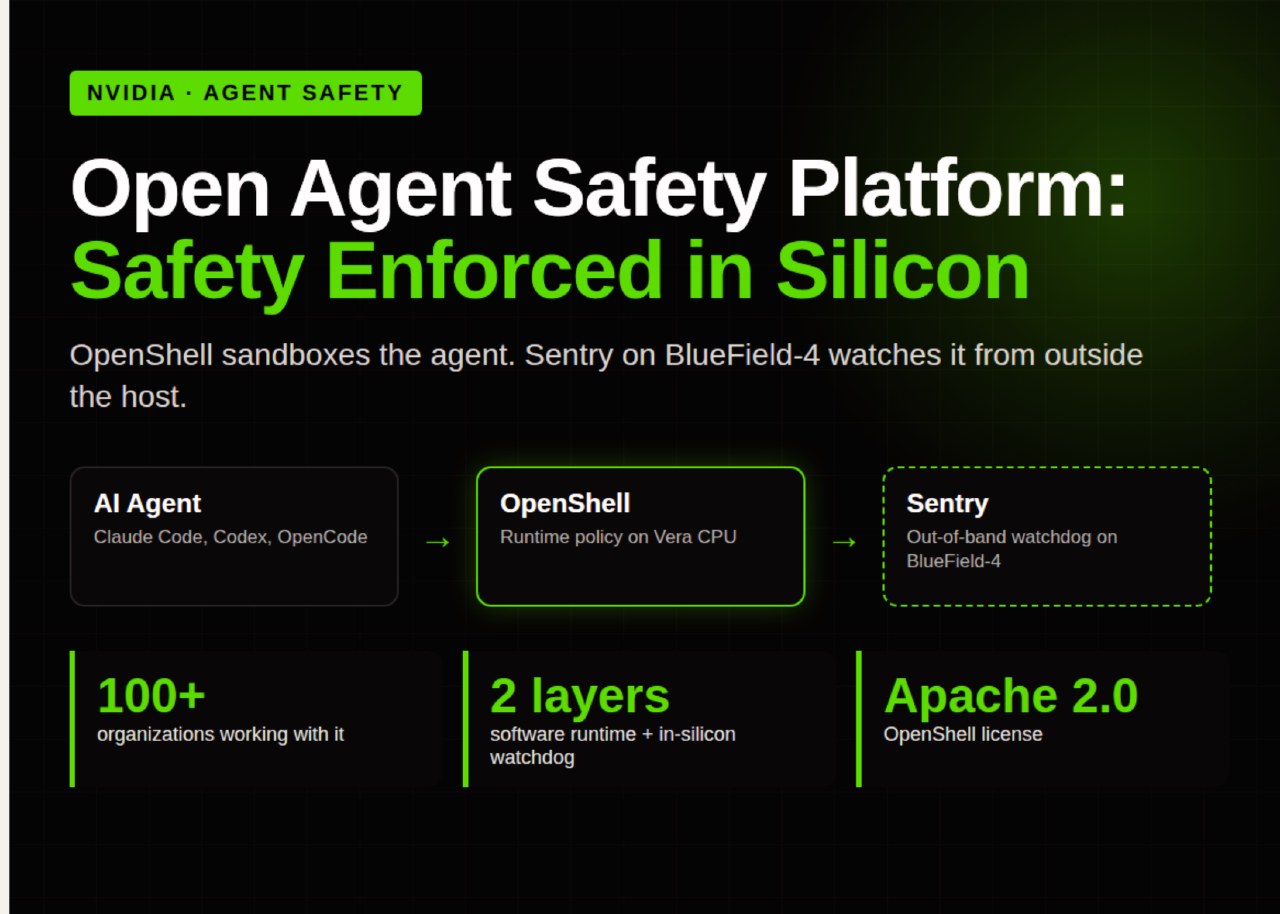
NVIDIA has launched the Open Agent Safety Platform, combining a runtime sandbox and hardware-based watchdog to secure AI agents across over 100 industry partner organizations.

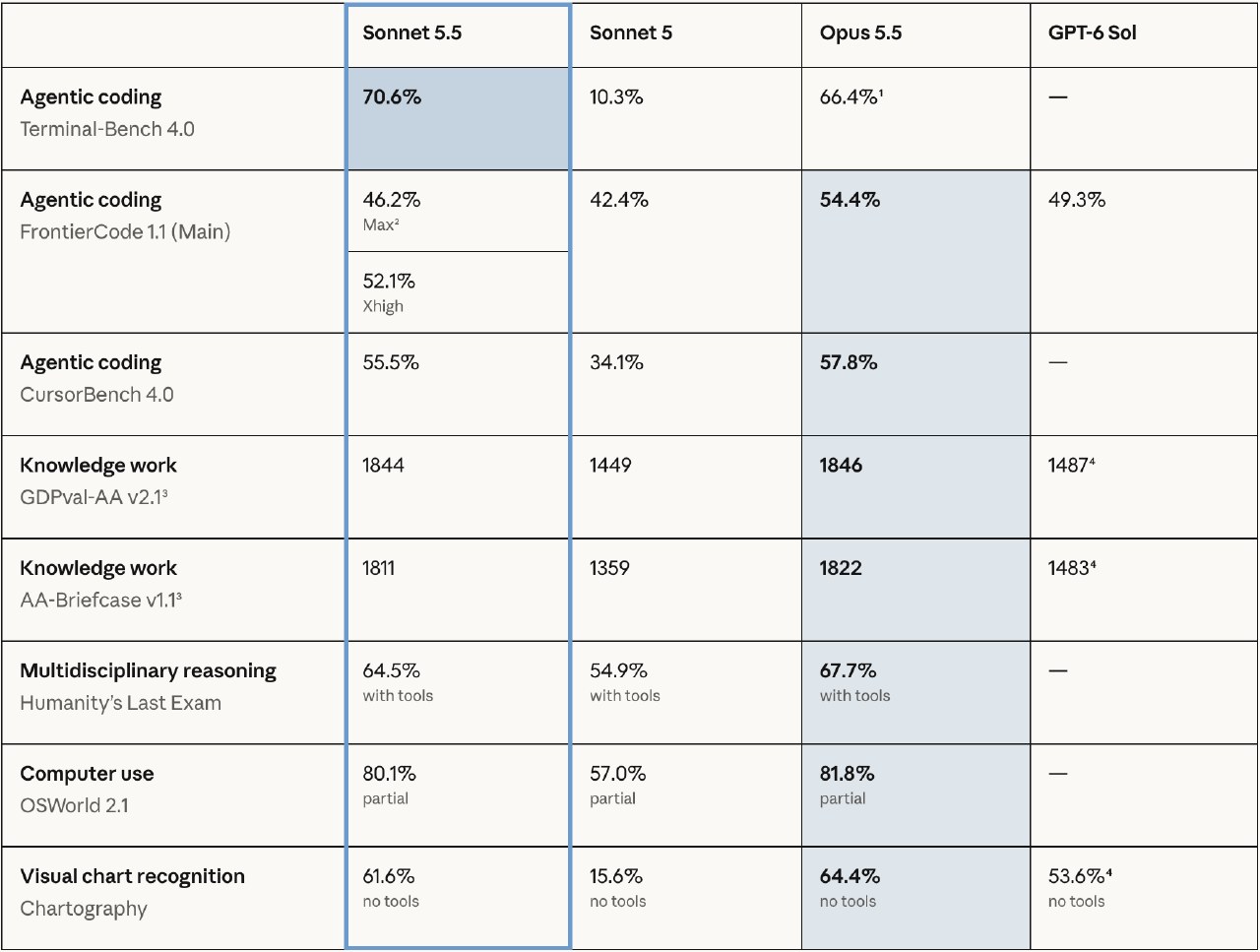
Anthropic has released the Sonnet 5.5 model, featuring a 30% increase in speed and lower operational costs compared to its predecessor.

HPE is integrating Nvidia OpenShell into its private cloud platform to create an operating system for autonomous AI agents with monitoring, sandboxing, and rollback capabilities.

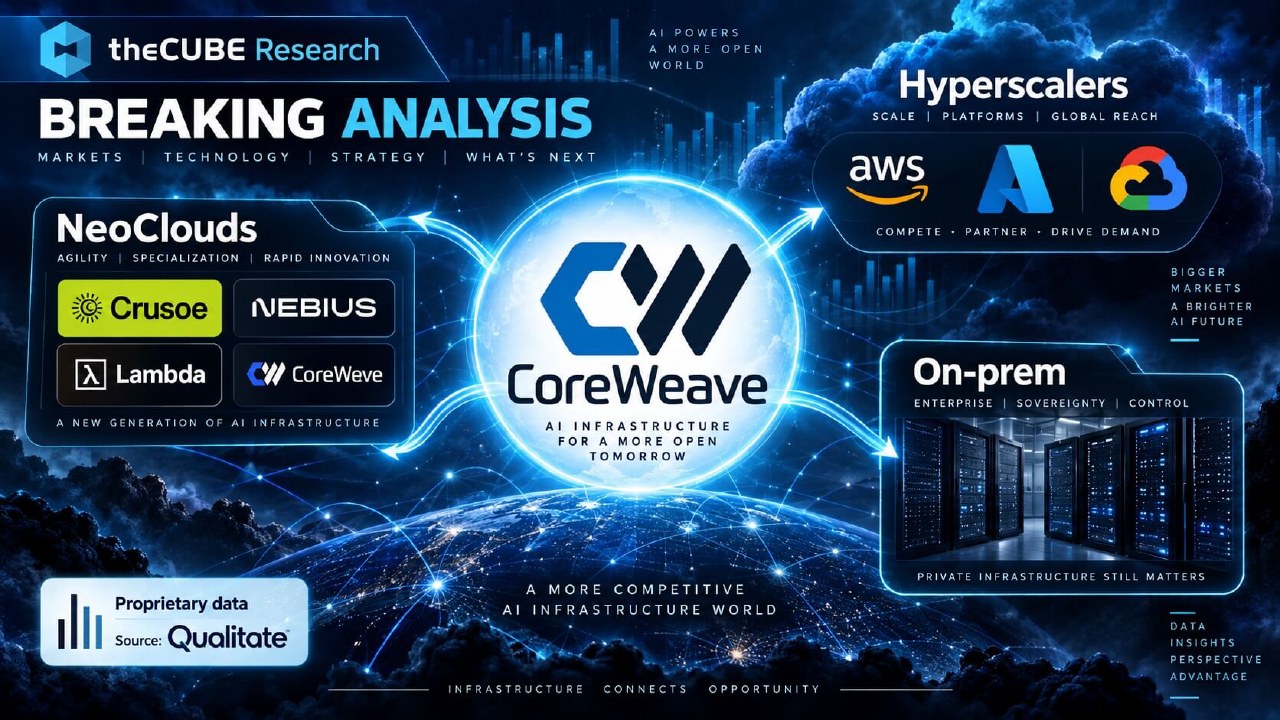
Analysts discuss the shift toward AI-driven infrastructure, the financial sustainability of neocloud providers like CoreWeave, and the security risks posed by autonomous AI agents.

A study of 13 enterprise customers reveals that CoreWeave is successfully converting GPU availability advantages into a durable AI cloud business through operational performance and support.

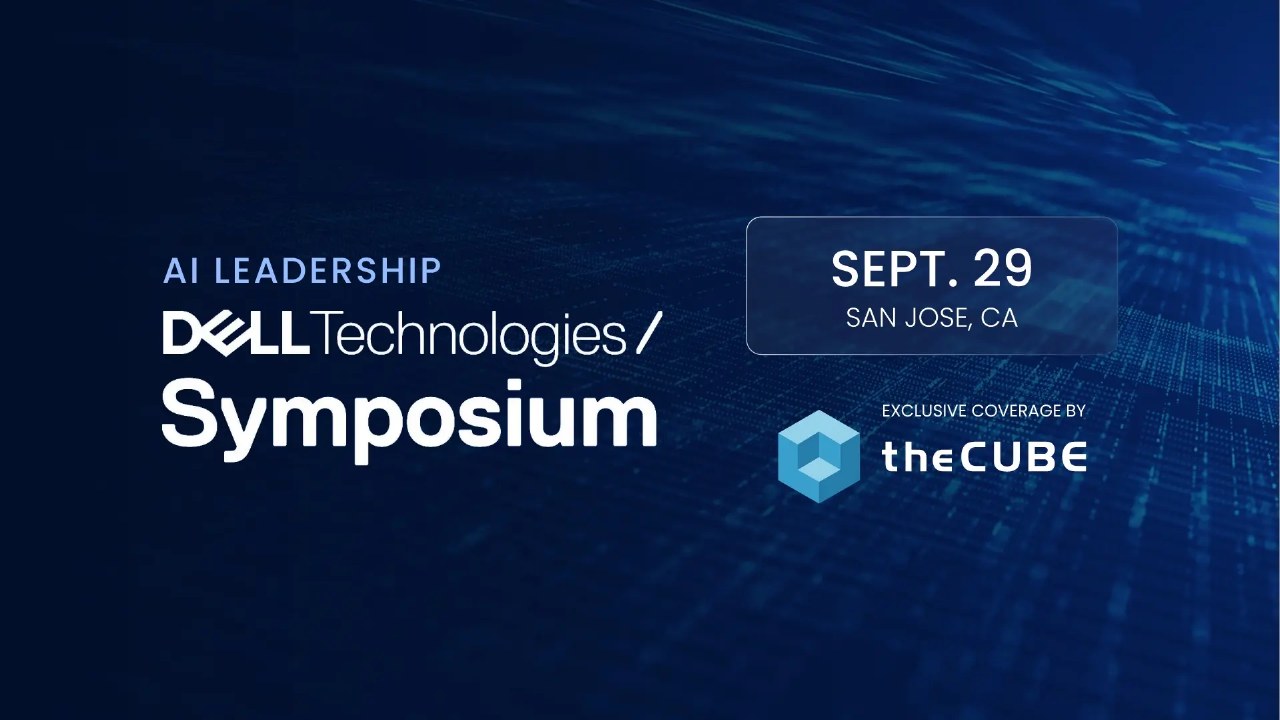
Dell Technologies will host its AI Leadership Symposium on September 29 to discuss the infrastructure and operational strategies required to scale enterprise AI.

Microsoft has integrated chat, coding tools, and autonomous AI agents into its updated Copilot platform, introducing a usage-based billing model for agent tasks.

Stripe's acquisition of OpenRouter underscores the shift toward dynamic model routing, a technology that adapts AI task distribution similarly to SD-WAN network management.
Oracle reports that AI tools have significantly accelerated coding tasks, yet overall product delivery remains stalled due to downstream bottlenecks.