Money
Rising Smartphone Prices Drive Consumer Shift
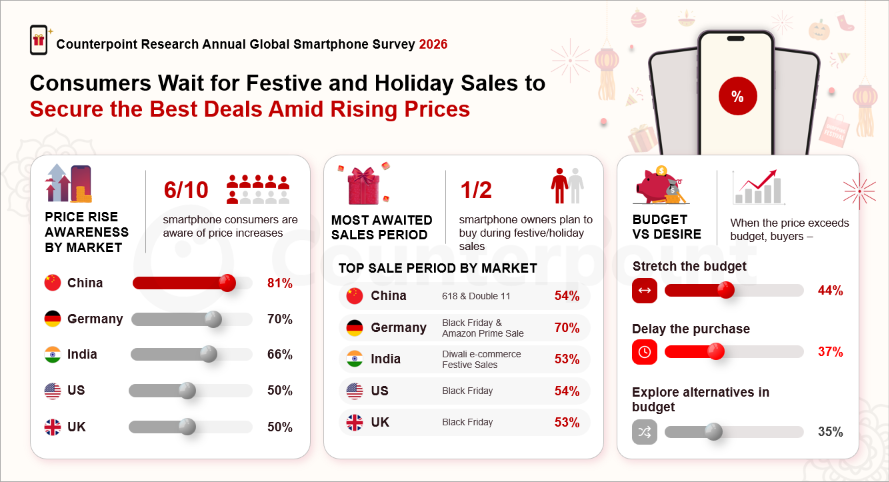
Over 70% of smartphone users are delaying purchases or switching brands due to rising prices, according to a new report from Counterpoint Research.
October 13, 2026, 10:49 AM·cnBeta.COM
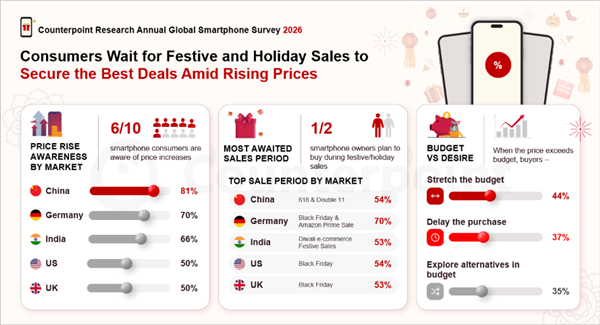
Over 70% of smartphone users are delaying purchases or switching brands due to rising prices, according to a new report from Counterpoint Research.
A new Counterpoint Research report reveals that 63% of consumers planning to buy a smartphone are delaying purchases or seeking alternatives due to rising prices and storage costs.
A BMW North America survey of 1,005 U.S. adults reveals that consumers demand electric vehicle ranges far exceeding their actual daily driving requirements.
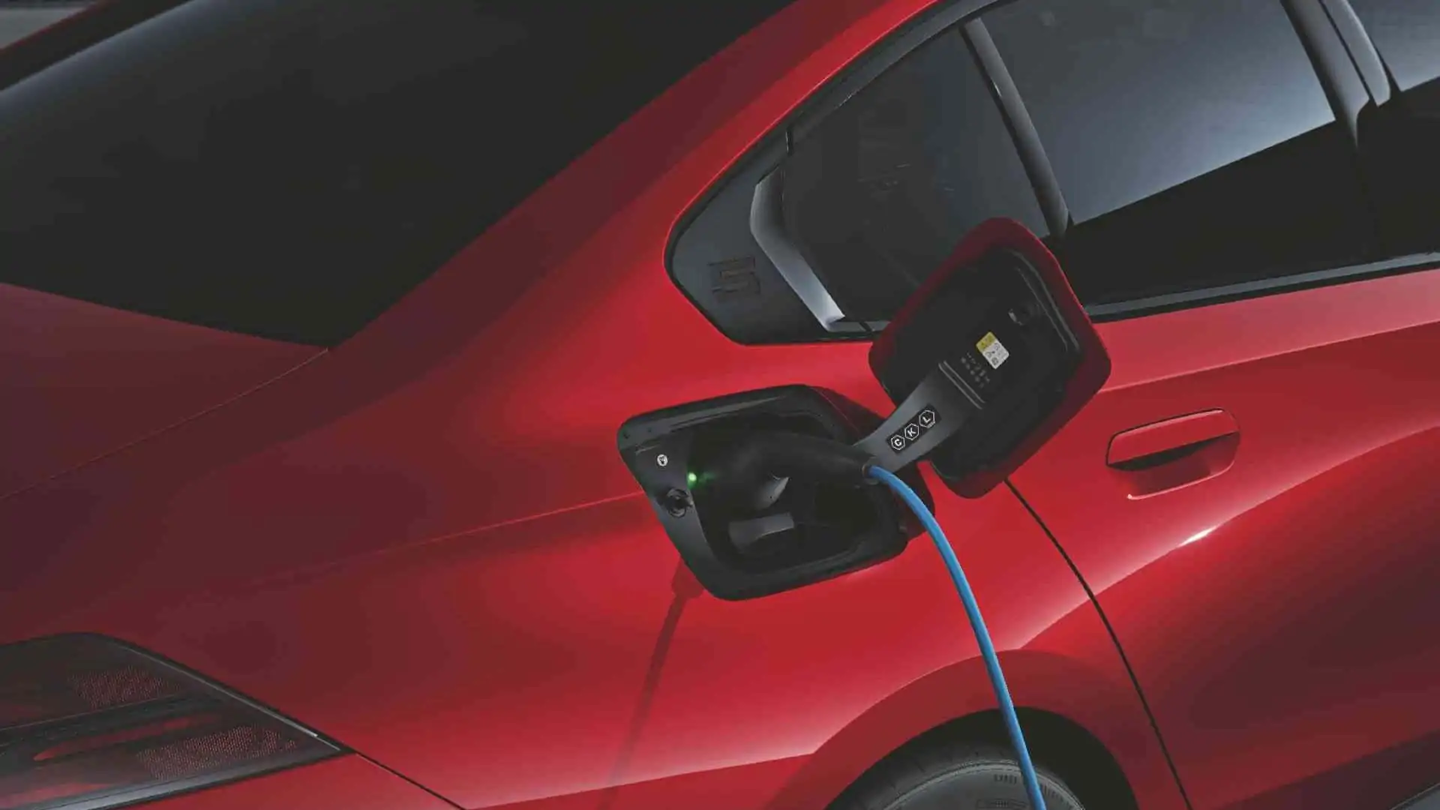
A BMW Group survey shows that while most Americans need less than 75 miles of daily range, many refuse to buy an EV without at least 300 miles of capacity.

A study by Ozon reveals that 20% of Russians prefer confiding in AI over people, with younger generations leading the trend in using neural networks for personal advice and reflection.
A new report from PYMNTS, based on a roundtable of 40 senior executives, explores how consumers are balancing AI-driven product discovery with the need for manual control over final purchases.

A survey by National Lottery shows that 40.1% of Russians are open to using AI for lottery number selection, with 19% reporting previous success using AI-assisted strategies.
A Tecno survey of 1,500 Russians shows that most consumers prefer to choose expensive electronics like smartphones and laptops themselves rather than receiving them as a surprise.

A new survey of 3,078 Russian consumers reveals that 54% make impulsive online purchases, with price and digital content being the primary drivers of their shopping decisions.
Data from YuKassa reveals an 82% surge in atelier turnover as Russian consumers shift from mass-market purchases to custom tailoring and professional garment care.

Laptops, smartphones, and televisions topped the list of most popular consumer electronics in Russia in 2026, according to data from retailer Citilink.

A new report reveals that 23% of US consumers now use AI for product discovery, fundamentally changing how brands compete for customer attention.

A study by Sokolov indicates that 48% of Russians have used AI to select products multiple times, with electronics and gifts being the most common categories for AI-assisted shopping.

Social media and influencers are increasingly influencing credit card selection among Gen Z, with 22% of young switchers using these channels to research their new primary card.

Over half of Russians plan to upgrade their smartphones within the next six months, with online advertising playing a significant role in their purchasing decisions.

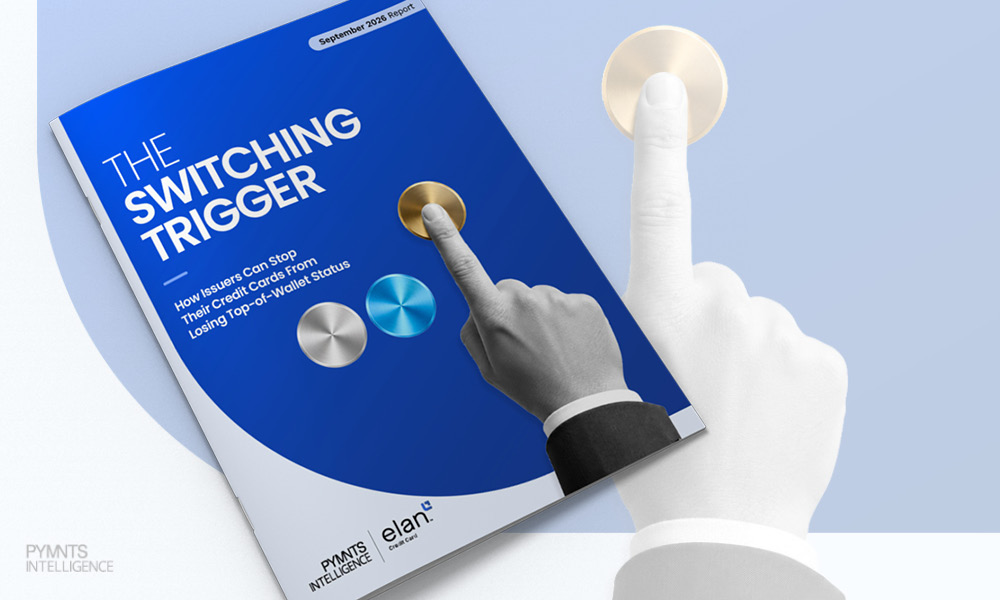
A new report by PYMNTS Intelligence reveals that 30 million U.S. cardholders are likely to switch their primary credit card within the next year, with Gen Z posing the highest churn risk.
A new industry report indicates that while US EV market share has declined in 2026, rising consumer confidence and improved charging infrastructure are shifting buyer sentiment toward electric mobility.

A study by Ashmanov and Partners reveals that shoppers are four times more likely to trust AI for product search and price comparison than for payment processing.

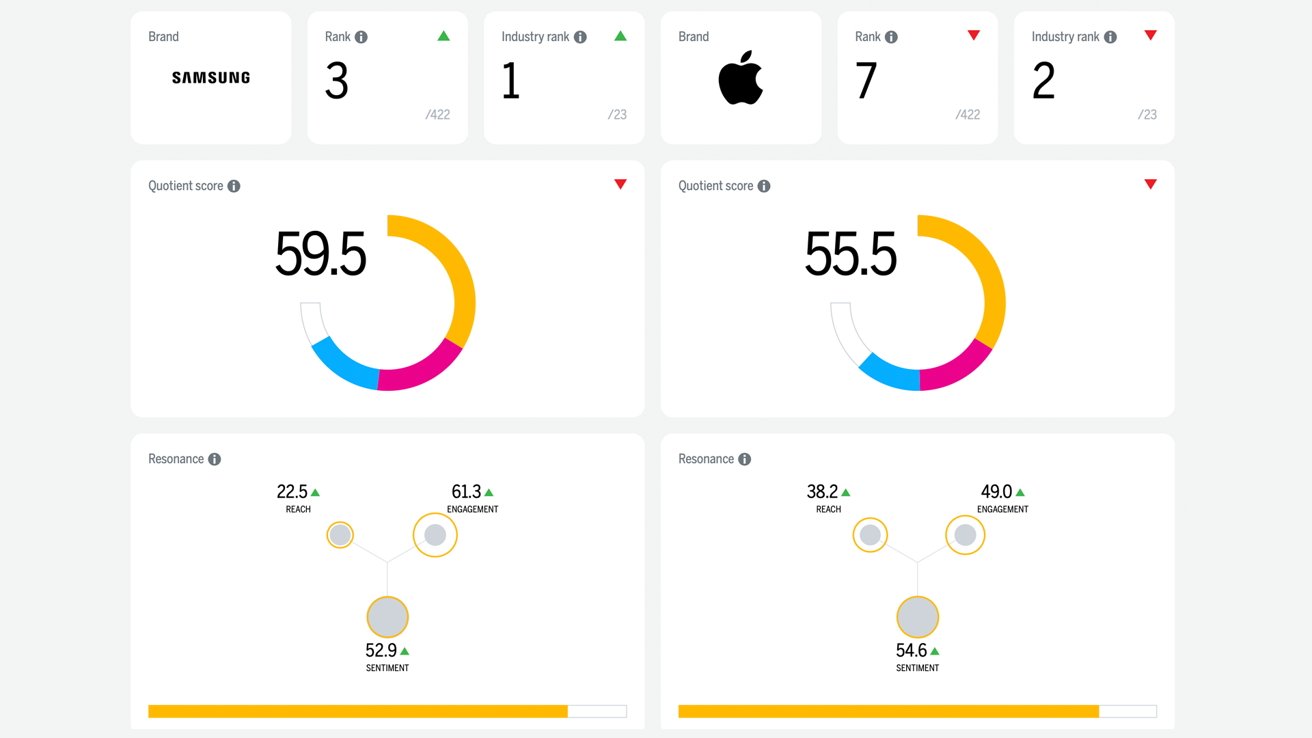
Samsung has overtaken Apple in MBLM's brand intimacy rankings for the first time in 16 years as Apple's emotional connection with consumers declines.