BMW North America surveyed 1,005 American adults between September 11 and 13, revealing a significant gap between daily driving needs and expectations for electric vehicle range. While 73% of respondents stated that a daily range of 121 kilometers is sufficient for their routine tasks, 42% demand a minimum range of 483 kilometers, and 18% require at least 644 kilometers before considering a purchase.
Despite the discrepancy between actual usage and desired range, 72% of participants still view range as a decisive factor in their buying decision. However, price remains a primary barrier, with 51% identifying purchase cost as their main concern. Meanwhile, 55% of respondents expressed interest in certified pre-owned or used electric vehicles if the price savings are significant.
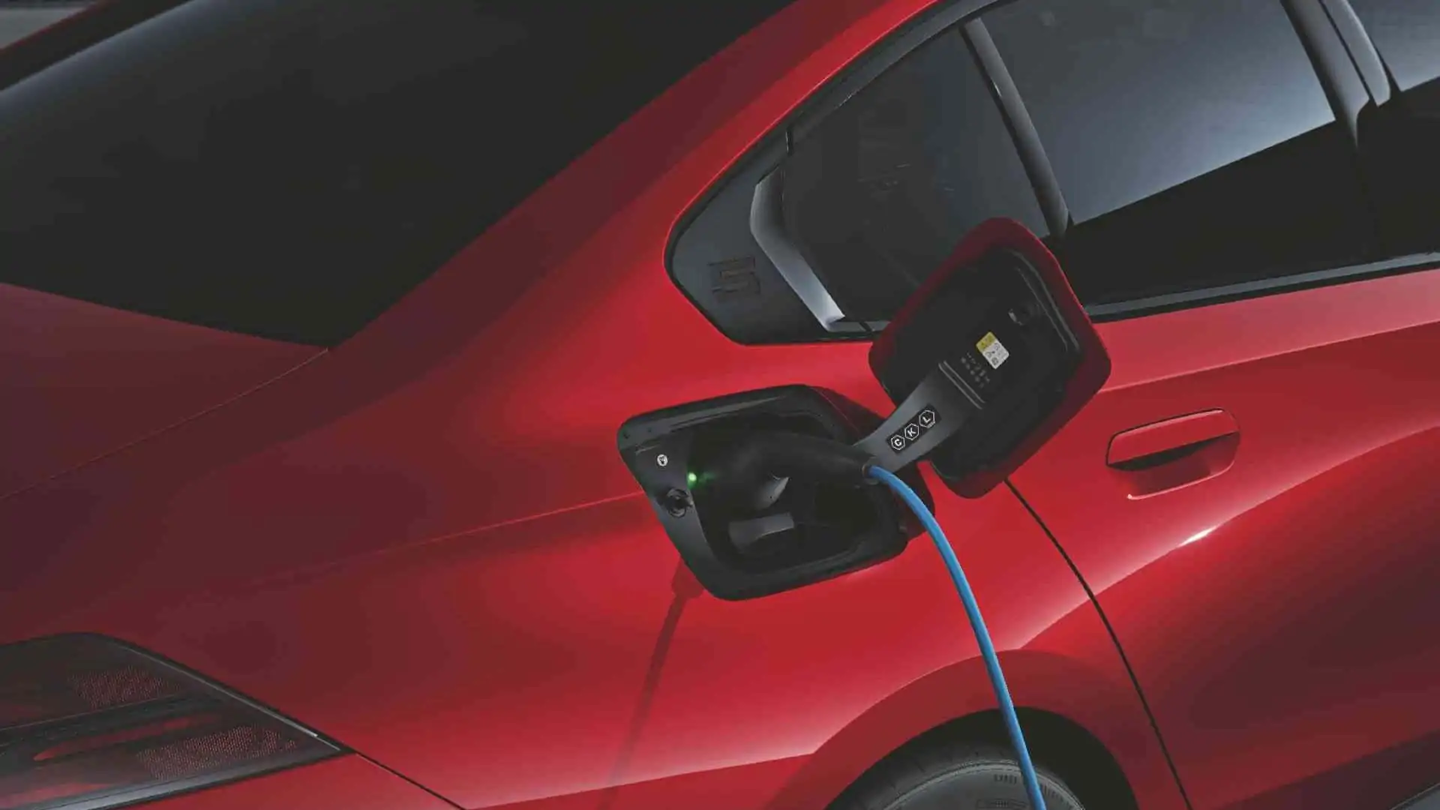
Charging speed is emerging as a critical factor, with 53% of respondents stating that fast-charging capabilities would increase their willingness to buy an EV. Generational differences are notable: 70% of Gen Z and 65% of Millennials value fast charging, compared to only 30% of Baby Boomers. Furthermore, 55% of respondents now accept a fast-charging time of 30 minutes or less.
Alexander Schlaich, head of electric mobility at BMW North America, noted that the market is maturing, with consumers increasingly prioritizing performance and value over outdated concerns about range. Additionally, the perception of EV owners is shifting, as the percentage of people viewing them as early adopters dropped from 62% in 2025 to 56%. Currently, 68% of respondents are willing to consider an EV.