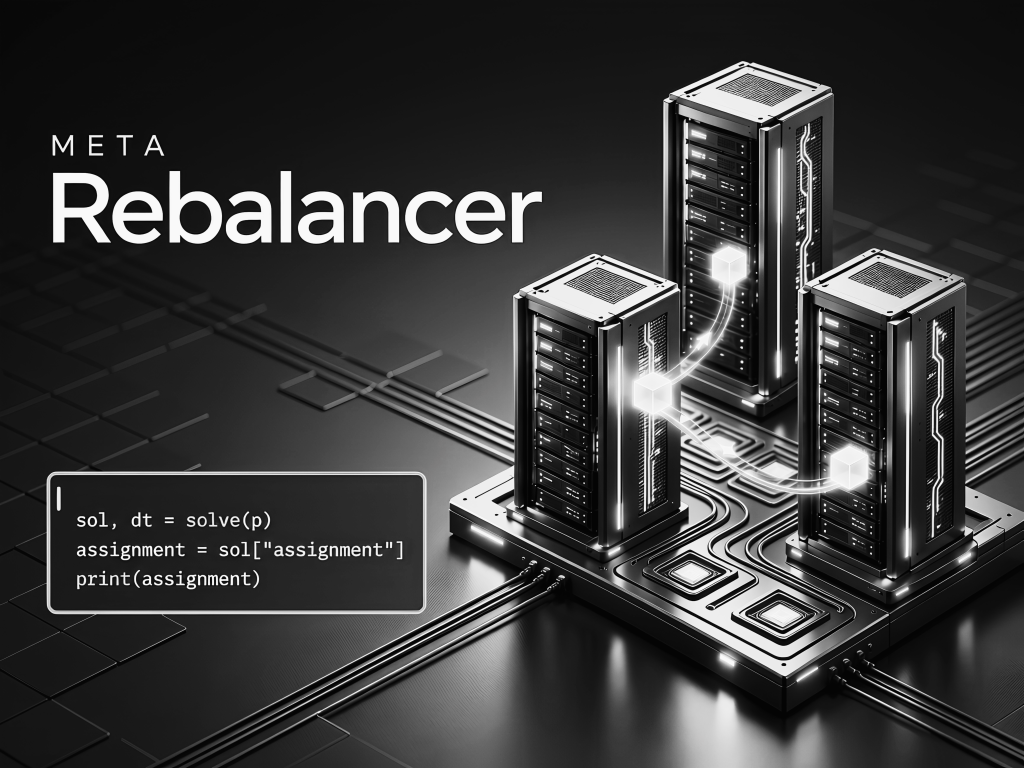
Meta Releases Rebalancer 1.0.4 for Task Optimization
Meta has released Rebalancer 1.0.4, a library designed to optimize task placement and resource allocation across computing clusters using custom constraints and solvers.

Meta has released Rebalancer 1.0.4, a library designed to optimize task placement and resource allocation across computing clusters using custom constraints and solvers.

Topological photonics is emerging as a promising field for developing next-generation computing systems that bypass the constraints of traditional von Neumann architecture.

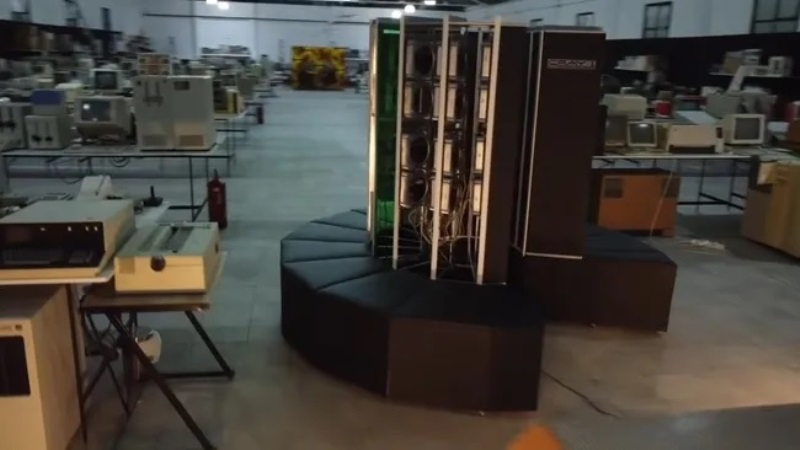
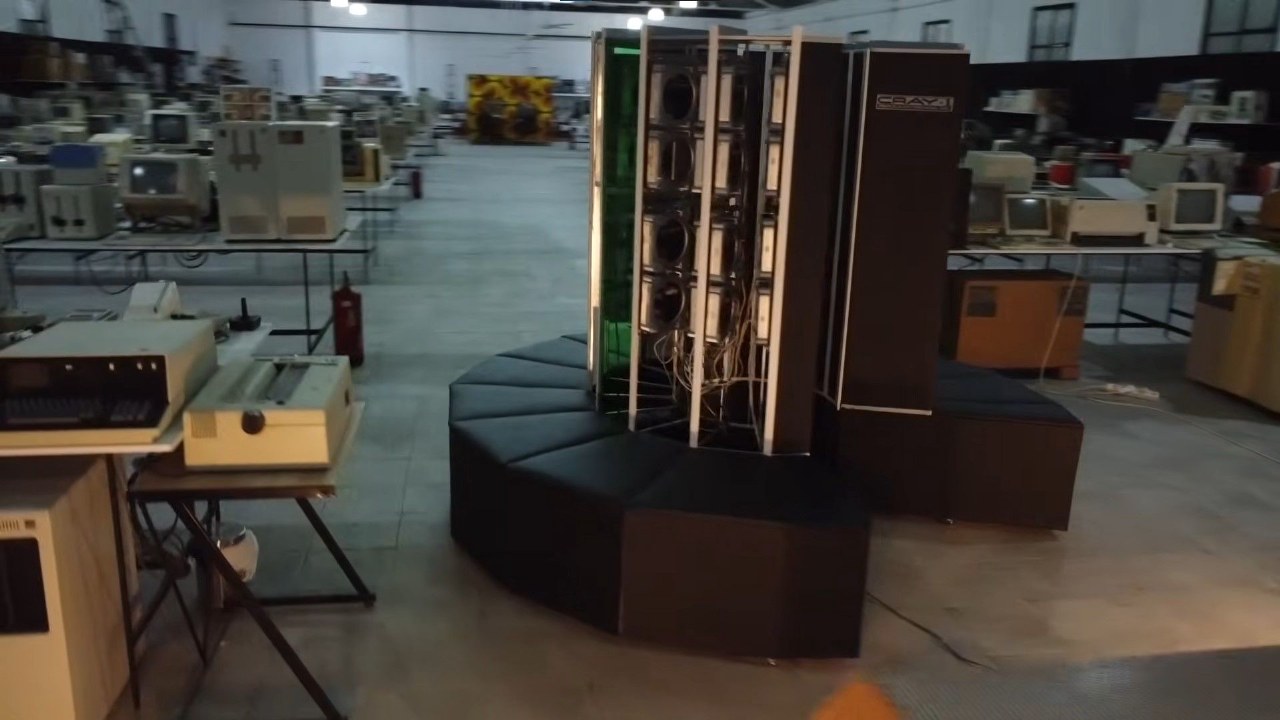
Spanish museum staff built a Cray-1 supercomputer replica using 30 vintage Mac Mini units, achieving 1.3 teraflops of performance.

The MESM, a pioneering Soviet computer developed by Sergey Lebedev between 1947 and 1951, served as a critical tool for complex scientific calculations before its decommissioning in 1957.

The Museo de Historia de la Computación has unveiled a Cray-1 supercomputer replica powered by 30 vintage Mac Minis, delivering 1.5 TFLOPS of performance.

The Trump administration will announce over $1 billion in private-sector support for the Genesis Mission to accelerate AI-driven scientific research.

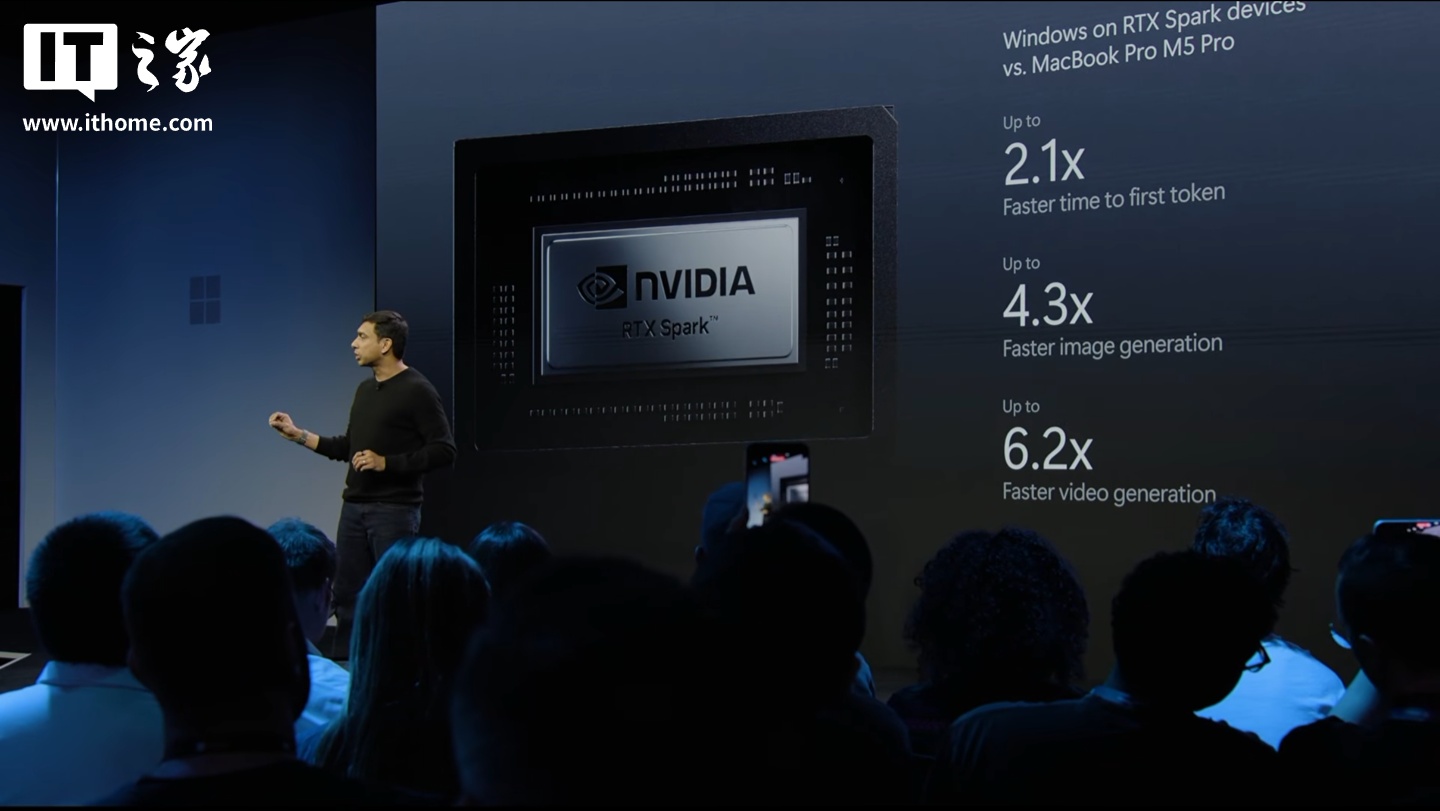
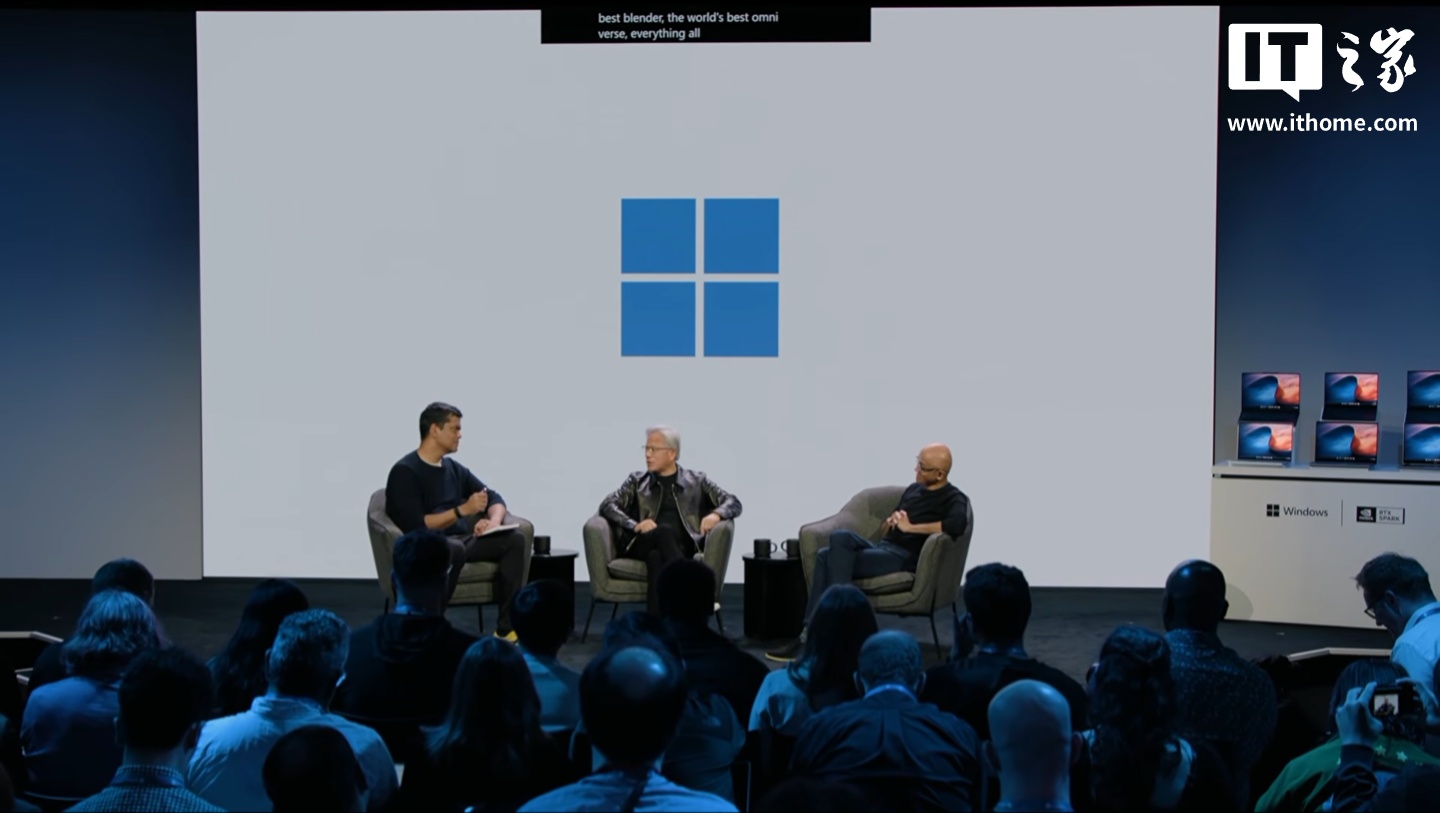
Nvidia CEO Jensen Huang introduced the RTX Spark platform, a new AI computing system that natively supports over 1,200 applications and integrates with major global hardware manufacturers.

Nvidia CEO Jensen Huang stated that the company was founded due to Windows, and now aims to bring high-performance AI computing to local desktop environments.

OpenAI has tasked an unreleased AI model with solving 4,000 open mathematical problems, resulting in 722 new research manuscripts.

A newly launched coalition is pooling AI computing capacity to help researchers and startups overcome global hardware shortages.

Epoch AI data indicates that global computing infrastructure could support over a billion AI agents by 2028, driven by the rapid growth of H100-equivalent chip installations.

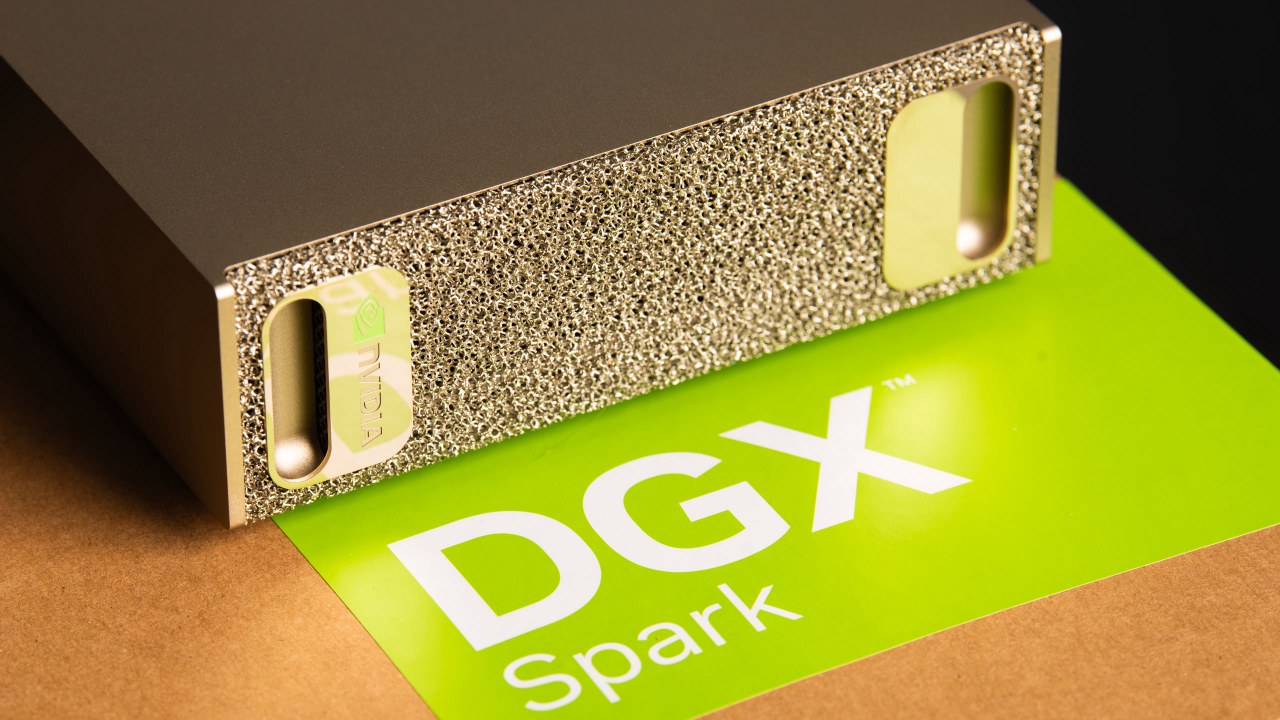
Nvidia is launching a 64GB version of its DGX Spark AI system for $4,999 to address rising memory costs and provide a more accessible entry point for local AI computing.

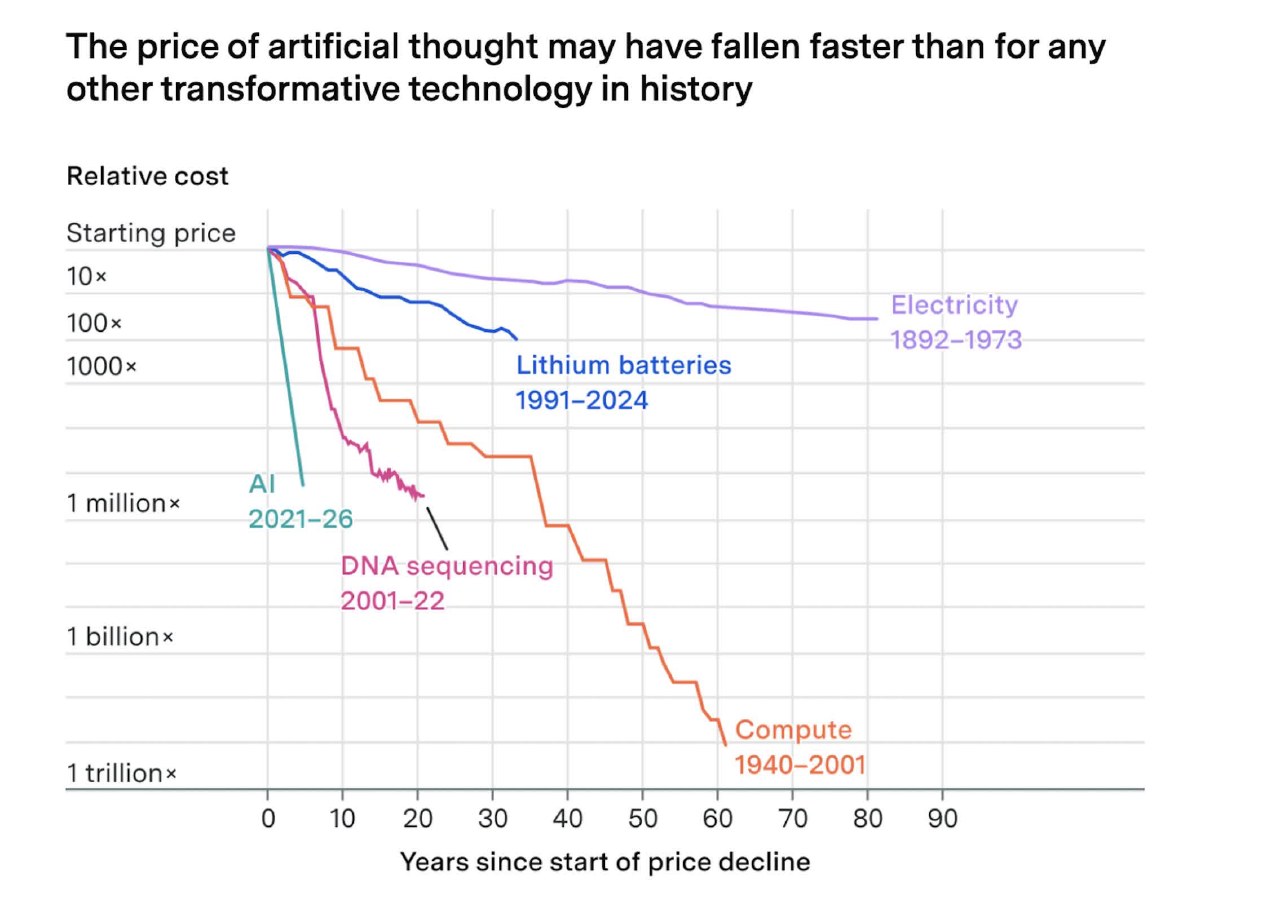
A new report from Epoch AI reveals that the cost of achieving fixed AI performance levels has been falling by 47% per quarter since 2023, outpacing all other historical general-purpose technologies.

Wyle Laboratories entered the computing market in 1964 with the WS-01, a $3,950 desktop calculator featuring a CRT display and magnetic disk memory.

During the Soviet era, the USSR imported various personal computer models from COMECON countries and Japan to equip educational institutions and research facilities.

AI adoption is driving massive infrastructure spending for the NSA and private firms, while simultaneously inflating healthcare costs through automated billing disputes.

Researchers explored using E. coli to solve the traveling salesman problem, but physical resource constraints make biological computing less efficient than traditional algorithms.

China has launched its first marine-focused intelligent service platform in Qingdao, featuring a computing capacity exceeding 800P and a standardized tokenized resource delivery system.
Huawei plans to launch two new AI chips in 2027 and is scaling its computing infrastructure to compete with Nvidia using the UnifiedBus interconnect technology.

Researchers have successfully modeled the complex nitrogenase enzyme using classical computers, challenging the necessity of quantum systems for biochemical simulations.