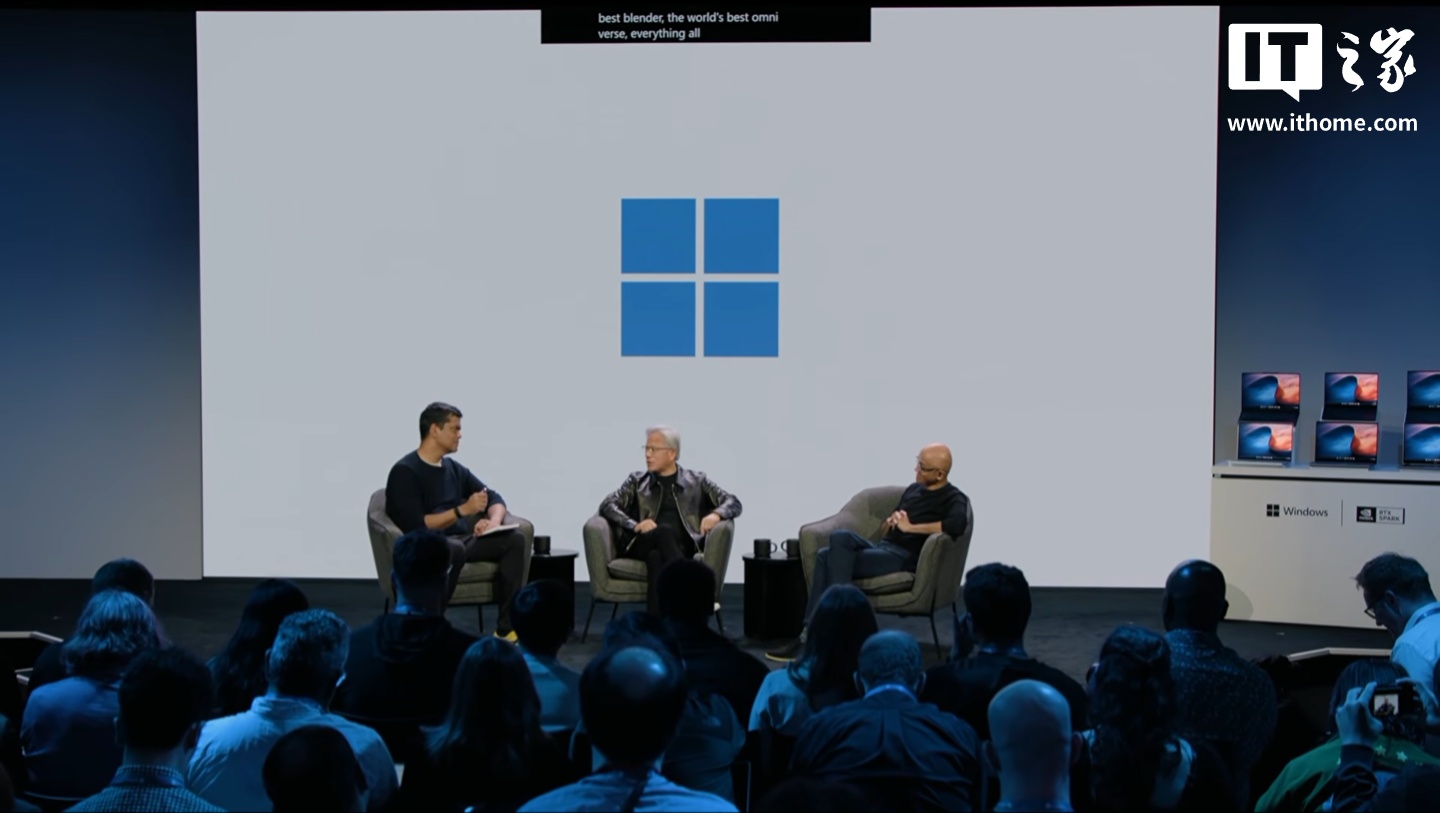
During a recent event in San Francisco held on October 7, Nvidia CEO Jensen Huang stated that the company was originally founded due to the emergence of the Windows operating system. He highlighted that Windows 95 enabled the integration of GPUs into personal computers, while DirectX played a critical role in the early development of PC graphics technology.
This historical context serves as the foundation for Nvidia's CUDA parallel computing platform. Huang emphasized that the company aims to deliver top-tier performance for tools like Blender, Omniverse, and CUDA, all running locally on a single machine alongside artificial intelligence workloads.
Nvidia is now focusing on moving AI computing beyond large data centers and into the desktop environments of developers and corporate users. This shift is driven by the growing need for local processing, data privacy, and reduced latency as AI models continue to increase in scale.
The company intends to deepen its integration with the Microsoft Windows ecosystem. By bringing high-performance GPUs, unified memory, and specialized AI software stacks to Windows devices, Nvidia aims to provide developers with the ability to build and run complex AI applications within a familiar operating environment.