Amazon Expands AI Hardware Lineup With Bee Recording Devices
Amazon has launched the Bee Frontier wearable and Bee Eclipse magnetic module, two new AI-powered recording devices designed for voice transcription and summary generation.

Amazon has launched the Bee Frontier wearable and Bee Eclipse magnetic module, two new AI-powered recording devices designed for voice transcription and summary generation.

Microsoft is rolling out a significant update to the Windows 11 Photos app, featuring a unified gallery, AI-powered editing tools, and improved performance for startup and file handling.

Perplexity AI has open-sourced SPACE, a sandbox environment designed to isolate AI agents and prevent them from compromising host systems or external networks.

LogicMonitor showcased its progress in autonomous IT at the Elevate event, highlighting significant operational efficiency gains for customers and internal AI adoption metrics.

Amazon executive Panos Panay envisions a future where AI-powered ambient devices reduce reliance on traditional apps by proactively anticipating user needs.

Data center hardware developer Mueon Corp. has raised $65 million in a Series A round led by Maverick Silicon to advance its 3D server architecture.

Kuaishou has released its Kling 4.0 AI model, enabling 30-second video generation, 4K HDR output, and enhanced creative control for all users.

Google and Meta have resumed rapid AI model releases, ending a brief industry-wide pause on development that followed safety concerns raised by Anthropic in September.

Nvidia has removed the RTX 5090 from its US store, while retailers report the card as unavailable, sparking rumors of a production shift toward AI hardware.

Apple is reportedly skipping high-end M6 chip development to prioritize the AI-optimized M7 series, with the first M7-powered devices expected in 2027.

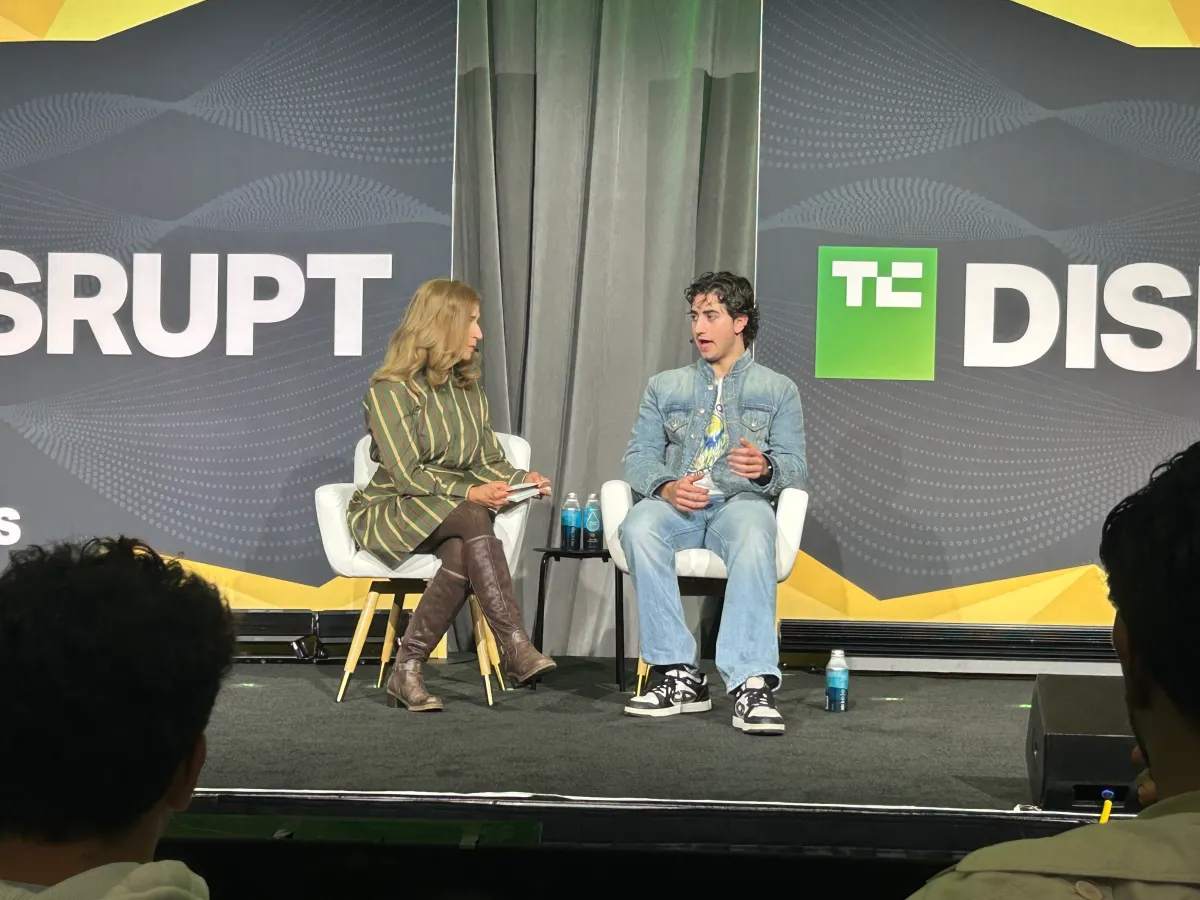
Cal AI, founded by 19-year-old Zach Yadegari, generated over $30 million in revenue before its acquisition by MyFitness, driven by a targeted influencer marketing strategy.

SpaceX plans to scale its AI compute capacity to 10 gigawatts by 2027 using Nvidia’s Vera Rubin architecture, with 40% of the infrastructure allocated to external customers.

CoreWeave co-founders have sold $3.3 billion in stock since the company's 2025 IPO, with the majority of transactions occurring in 2026 amid a significant decline in share price.

Amazon subsidiary Bee has launched two AI-powered recording devices, Frontier and Eclipse, starting at $74.99, designed to automate note-taking and task management.

Google has validated a new quantum error correction technique on its Willow chip, achieving a 40-fold reduction in error rates and record-breaking T-state fidelity.
Google has launched the Antigravity platform, an AI-driven tool that accelerates the discovery of antimicrobial peptides by integrating database screening and structural analysis.

Meta’s Omnilingual ASR system, which supports over 1,600 languages, has been recognized as one of TIME’s Best Inventions of 2026.

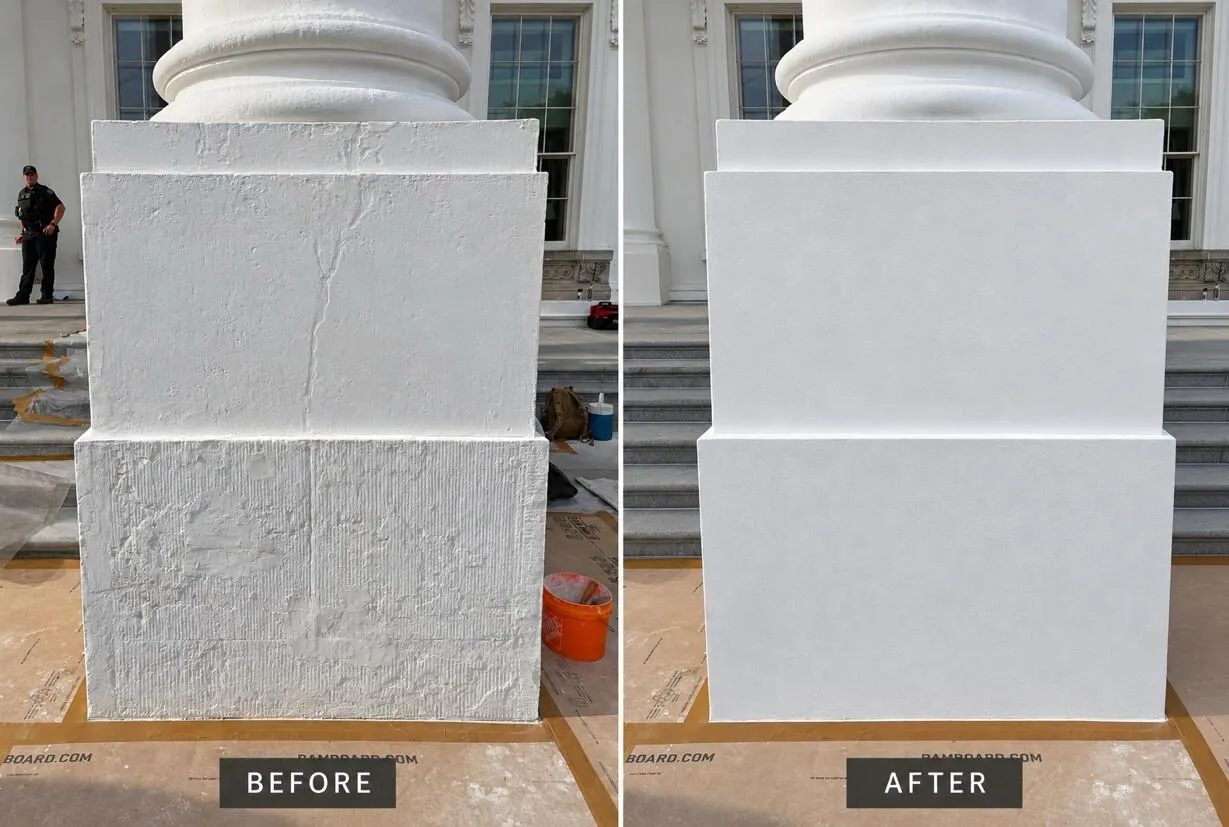
A comparison photo of White House pillars posted by Donald Trump has been flagged by Google's SynthID tool as AI-edited, sparking questions about the accuracy of visual records.

Google has expanded its News AI pilot program to over 400 publications, with CNN signing a multi-year licensing deal to provide content for generative AI features.

The New York Times visualized Epoch AI research, highlighting the rapid growth in computational power required for training frontier AI models.